Table of Contents >> Show >> Hide
- Before You Start: Melt Chocolate Like a Calm, Confident Adult
- 10 Simple and Delicious Ways to Decorate with Melted Chocolate
- 1) The Classic Drizzle (a.k.a. the “I totally meant to do that” finish)
- 2) Controlled Splatter (for the artsy look without the art school tuition)
- 3) Chocolate Writing (names, messages, and extremely confident squiggles)
- 4) Chocolate-Dipped Edges (cookies, bars, and “fancy enough” fruit)
- 5) Chocolate Bark “Shards” (dramatic height, zero engineering)
- 6) Chocolate Curls & Shavings (the “I have my life together” garnish)
- 7) Easy Lattice Hearts & Filigree (piped shapes that look way harder than they are)
- 8) The Feathered Marble (a bakery pattern made with a toothpick)
- 9) Chocolate “Buttons” and Mini Medallions (the easiest molded decorations)
- 10) Chocolate Collars & Wraps (instant “special occasion” cake styling)
- Common Problems (and the fixes that actually work)
- of Real-Life Experience: Chocolate Decoration Lessons from My (Totally Hypothetical) Kitchen
- Conclusion
Melted chocolate is basically the duct tape of dessert decoration: it sticks, it shines (when it behaves),
and it can make even a plain cookie look like it has a publicist. The best part? You don’t need a pastry degree
or a drawer full of fancy toolsjust chocolate, gentle heat, and the patience to stir like you’re trying to convince
it to cooperate.
In this guide, you’ll get 10 easy, high-impact ways to decorate with melted chocolateplus practical tips to keep
it smooth, glossy, and not in a dramatic “I seized!” mood. Expect specific examples, quick troubleshooting, and a
few real-world hacks that save desserts (and dignity).
Before You Start: Melt Chocolate Like a Calm, Confident Adult
Pick your “chocolate personality”
- Real chocolate (bars, couverture, chips): best flavor, can be glossy and snappy if tempered, but more sensitive to heat and moisture.
- Compound coating / candy melts: easier for piping and molds, sets reliably without tempering, and comes in colors. Flavor is more “sweet coating” than “dark chocolate poetry.”
Two safe melting methods (and why “low and slow” wins)
-
Microwave method (fast + minimal cleanup):
Chop chocolate (or use chips), microwave in short bursts, and stir well between rounds. The stirring matters because chocolate holds its shape even as it meltsso you can scorch it while it still looks innocent. -
Double boiler method (gentle heat):
Set a heatproof bowl over a pot with simmering (not boiling) water. Make sure the bowl doesn’t touch the water. Stir until smooth.
Rule #1: Keep water away
Even a tiny drop of water or a puff of steam can make melted chocolate turn thick and grainy (aka “seize”).
Dry your bowl, spatula, and measuring spoons like your dessert depends on itbecause it does.
Optional but powerful: tempering (for shine + snap)
If you want chocolate decorations that set shiny and firm (especially for drizzles that hold a crisp line or for molded pieces),
tempering helps. At home, many bakers use “seeding”: melt most of the chocolate, then stir in unmelted chocolate to guide it into a stable structure.
If you’re not tempering, don’t panicmany decorations still work great, especially if they’ll be served chilled.
10 Simple and Delicious Ways to Decorate with Melted Chocolate
1) The Classic Drizzle (a.k.a. the “I totally meant to do that” finish)
Drizzle is the quickest glow-up in dessert history: brownies, cheesecake, donuts, fruit, ice creameverything looks more intentional
with a few chocolate ribbons on top.
How: Spoon melted chocolate into a small zip-top bag, snip a tiny corner, and drizzle in a back-and-forth motion.
Make it prettier: Do two tones (dark + white), then drag a toothpick through the lines to create a quick chevron pattern.
Example: Drizzle dark chocolate over peanut-butter blondies, then finish with flaky salt.
2) Controlled Splatter (for the artsy look without the art school tuition)
Splatter adds energy and textureespecially on frosted cakes, cupcakes, and plated desserts. It’s messy in a fun way, not a “why is my ceiling chocolate?” way.
How: Dip the tips of a spoon or a clean pastry brush into melted chocolate and flick it over your dessert.
Pro move: Put parchment under your dessert first. Your future self will thank you.
3) Chocolate Writing (names, messages, and extremely confident squiggles)
Writing with chocolate turns any dessert into a birthday desserteven if it’s just toast. (No judgment. Chocolate toast is valid.)
How: Use a parchment cone or a small piping bag. Let the chocolate cool slightly so it’s thicker and doesn’t spread.
What to write: Initials, short words (“Yum,” “Hi,” “Congrats”), or tiny hearts and stars.
Example: Write “Happy Friday” on sugar cookies. It’s oddly motivational.
4) Chocolate-Dipped Edges (cookies, bars, and “fancy enough” fruit)
Dipping the edge of a cookie or biscotti looks polished and takes about 30 seconds per pieceaka great effort-to-applause ratio.
How: Dip one end into melted chocolate, let excess drip off, then set on parchment.
Upgrade: While wet, add chopped nuts, crushed freeze-dried fruit, toasted coconut, or sprinkles.
Example: Dip shortbread in dark chocolate, then dust with crushed peppermint for winter vibes.
5) Chocolate Bark “Shards” (dramatic height, zero engineering)
Shards are the easiest way to make desserts look tall, modern, and bakery-levelwithout learning fondant. Think of them as edible stained glass,
but tastier.
How: Spread melted chocolate thinly on parchment (or acetate for extra shine). Swirl in a second chocolate for a marbled look.
Set: Chill until firm, then break into pieces.
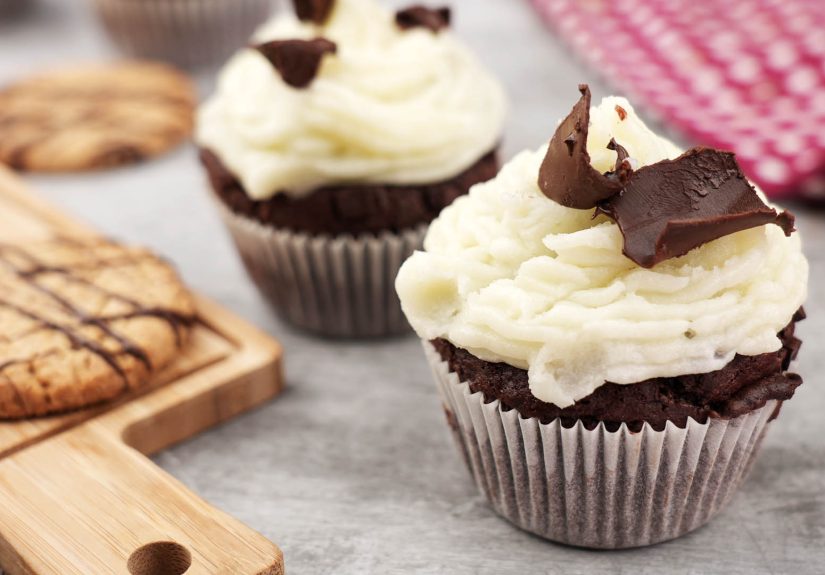
Example: Press shards into the top of a frosted cake so they stand upright like a chocolate crown.
6) Chocolate Curls & Shavings (the “I have my life together” garnish)
Chocolate curls instantly make pies and cakes look like they belong behind glass in a display case. The trick is getting the chocolate at the
right texture: not rock-hard, not meltymore like “soft enough to shave.”
How: Use a vegetable peeler on a slightly warm chocolate bar or a thin chocolate sheet. Peel slowly to create curls or shavings.
Where they shine: Whipped-cream pies, tiramisu, mousse cups, hot cocoa.
Example: Add curls to a chocolate pudding parfait with raspberries and crushed almonds.
7) Easy Lattice Hearts & Filigree (piped shapes that look way harder than they are)
Piped chocolate shapes are basically edible jewelry. If your lines aren’t perfect, congratulationsyou’ve created “artisan charm.”
How: Draw a simple template (hearts, spirals, circles) on paper, place parchment over it, and pipe chocolate on top.
Set: Chill until firm, then peel off and place on desserts.
Example: Pipe a few spirals, chill, and stand them in buttercream like little chocolate sails.
8) The Feathered Marble (a bakery pattern made with a toothpick)
You’ve seen it on pastries: neat lines of chocolate dragged into a feathered design. Good news: it’s basically doodling with a toothpick,
but delicious.
How: Make parallel lines of dark chocolate on a glaze or frosting. Pipe thin lines of white chocolate across them.
Then: Drag a toothpick through the lines in alternating directions (down, up, down, up) to create the feather pattern.
Example: Use on ganache-topped brownies or a simple sheet cake with chocolate glaze.
9) Chocolate “Buttons” and Mini Medallions (the easiest molded decorations)
Silicone molds are the cheat code for uniform chocolate decorations: coins, hearts, starswhatever fits your dessert’s vibe.
How: Spoon or pipe melted chocolate into silicone molds. Tap gently to remove air bubbles.
Set: Chill, then pop out.
Example: Top cupcakes with a chocolate coin and a pinch of flaky salt for a “grown-up candy” moment.
10) Chocolate Collars & Wraps (instant “special occasion” cake styling)
A chocolate collar wraps around a cake like a stylish jacket. It’s dramatic, it’s elegant, and it makes people assume you own a cake turntable
(even if you rotated the cake using the lazy Susan from your spice cabinet).
How: Spread melted chocolate in a thin layer on a strip of acetate or parchment cut to the cake’s height and circumference.
Optional: Comb or pipe lines for texture. Wrap around the cake while chocolate is still flexible.
Set: Chill until firm, then peel off acetate for a clean finish.
Common Problems (and the fixes that actually work)
“My chocolate turned thick and grainy.”
That’s seizingusually caused by moisture (water droplets, steam, wet tools) or sometimes overheating.
Fix: If you need a drizzle, sauce, glaze, or ganache, you can often rescue seized chocolate by adding more hot liquid
(water, milk, cream) a little at a time and stirring until smooth. It won’t re-temper into snappy coating, but it can become a great sauce.
“My chocolate looks dull.”
Dullness can happen if the chocolate wasn’t tempered or if it set too slowly/warm. For decorations that need shine and snap, tempering helps.
For casual drizzles on cookies, dull chocolate still tastes excellentyour mouth is not a high-gloss inspector.
“My drizzle is too thick.”
Your chocolate may be too cool or too viscous (chips can be thicker than chopped bar chocolate). Warm it gently and stir.
If you’re working with compound coating, follow the package guidance. For real chocolate, avoid adding wateruse gentle heat and patience.
of Real-Life Experience: Chocolate Decoration Lessons from My (Totally Hypothetical) Kitchen
The first time I tried decorating with melted chocolate, I learned an important truth: chocolate has a personality, and it’s not always the
easygoing one you meet in candy-bar form. I melted chips in the microwave, got cocky, walked away for “just a second,” and returned to a bowl
that smelled like heartbreak. The chocolate looked finestill chip-shaped!until I stirred and realized I had invented a new substance: smoky gravel.
Lesson one: chocolate melts emotionally before it melts visually. Stir early, stir often.
Next came The Great Steam Incident. I was using a double boiler, feeling fancy, and I lifted the bowl to check the water level. A tiny bead of
condensation slid off the bowl like it had been planning this betrayal for weeks. Instantly, my glossy chocolate clenched into a grainy paste.
The good news: seized chocolate isn’t always a total loss. I switched goals. Instead of “elegant drizzle,” I made “decadent sauce” by whisking in
a bit of warm cream until it smoothed out. It didn’t magically become temper-ready, but it did become delicious. Lesson two: when chocolate
panics, change the assignment.
My favorite “wow” moment happened with chocolate shards. I spread melted dark chocolate thinly on parchment, swirled in a little white chocolate,
and thenthis is keystopped touching it. I used to poke and smear and “just adjust one thing,” like a person rearranging furniture during an earthquake.
Once I left it alone, it set beautifully. I broke it into jagged pieces and stood them on a frosted cake. Suddenly, the cake went from “nice”
to “someone paid money for this.” Lesson three: chocolate rewards stillness. (It’s basically a cat.)
Writing with chocolate was humbling. My first “Happy Birthday” looked like it was written during turbulence. Then I discovered the trick:
let the melted chocolate cool slightly so it’s thicker, and keep the message short. “HB!” has saved more cakes than I can count.
Also, parchment cones are magicalcheap, disposable, and somehow they make you feel like a pastry chef even if you’re in sweatpants.
Lesson four: control comes from temperature, not talent.
Finally, I learned that the best chocolate decorations happen when you build a tiny system: melt gently, set up parchment, have toppings ready,
and clear a spot in the fridge before you start. That last step matters because nothing destroys momentum like holding a tray of wet chocolate
while you negotiate with leftover containers. In the end, melted chocolate is forgiving if you respect two things: heat and moisture.
Do that, and you can turn ordinary desserts into something that looks celebratoryeven on a random Tuesday. Especially on a random Tuesday.
Conclusion
Decorating with melted chocolate is one of the simplest ways to make desserts lookand tastemore special. Start with easy wins like drizzles,
dipped edges, and shards, then level up to curls, collars, and piped shapes when you’re ready. Keep the heat gentle, keep tools dry, and remember:
if chocolate misbehaves, you can often pivot it into a sauce or glaze and still come out looking like you planned it all along.