Table of Contents >> Show >> Hide
- Who Exactly Is Cubone?
- Cubone’s Stats, Typing, And Battle Identity
- How High Does Cubone Rank In Competitive Play?
- Fan Rankings: Where Does Cubone Land In Popularity?
- How Cubone Compares To Other Ground-Type Pokémon
- Where Cubone Truly Shines: Casual Play And Story-Driven Runs
- Of Experience: Living With Cubone In Your Team
- Final Thoughts: How Should We Rank Cubone?
If you’ve ever scrolled through a list of favorite Pokémon and thought, “Where’s my lonely little bone-wielding friend?”, this article is for you. Cubone isn’t always at the top of the charts like Pikachu or Charizard, but it has something most Pokémon don’t: a heartbreaking backstory, a unique design, and a surprisingly dangerous bonk when it’s holding the right item. In this deep dive into Cubone rankings and opinions, we’ll look at how Cubone fares in competitive play, where fans usually place it in popularity lists, and why this sad little Ground-type still has such a devoted following.
Who Exactly Is Cubone?
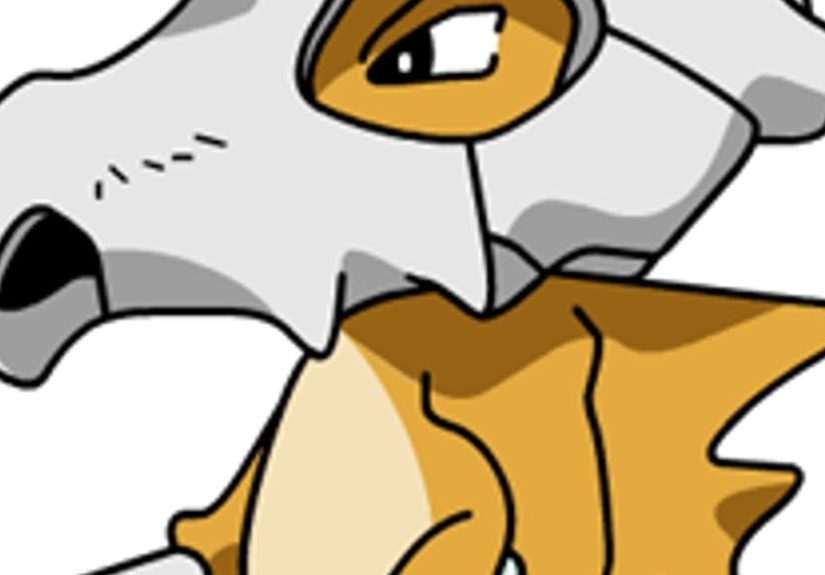
Cubone is a Generation I Ground-type Pokémon known as the “Lonely Pokémon.” Its most famous trait is the skull it wears on its head, said to be the skull of its deceased mother. Its cries echo inside the skull, giving it a mournful, haunted sound that has made Cubone one of the most emotionally memorable designs in the franchise.
Physically, Cubone is a small, dinosaur-like creature with a light brown body, cream-colored belly, and two small claws on each hand. It carries a bone as a weapon, using it for both offense and defense. That bone and skull combo is more than just a visual gimmickit’s baked into Cubone’s lore, moves, and even its evolution into Marowak.
From early Pokédex entries to modern games, Cubone is framed as a survivor: it’s lonely, grieving, and often targeted by predators, but it grows stronger through its pain. That emotional hook plays a big role in how fans rank Cubone in terms of story and personality, even if it’s not always the strongest battle pick.
Cubone’s Stats, Typing, And Battle Identity
Base Stats And Typing
Cubone is a pure Ground-type Pokémon. Ground is a useful defensive type, granting immunity to Electric and resistance to Poison and Rock, but vulnerability to Water, Grass, and Ice. Its base stats are fairly modest: decent physical Defense and Attack, but very low Speed and mediocre Special stats. On paper, Cubone looks like a slow, somewhat bulky little attacker that desperately needs help to keep up.
However, Cubone’s entire identity shifts when you add one specific item: Thick Club. When held by Cubone or Marowak, Thick Club doubles their Attack stat, turning this small dinosaur into one of the hardest-hitting Little Cup threats ever conceived. That’s where its competitive rankings get very interesting.
Abilities, Moves, And Evolution
Cubone’s abilities help define its role:
- Rock Head – Prevents recoil damage, which pairs well with moves like Double-Edge.
- Lightning Rod (in some generations as a hidden ability) – Draws in Electric moves, boosting its Special Attack. This matters less for Cubone itself but can influence niche strategies.
Its movepool includes powerful Ground-type attacks like Bonemerang and Earthquake, along with Rock coverage (Rock Slide, Stone Edge) and utility moves like Stealth Rock or Knock Off in some formats. When Cubone evolves into Marowak at level 28, it keeps the bone-club theme but gains better overall stats and, in Alola, even a Fire/Ghost regional variant with an entirely different niche.
How High Does Cubone Rank In Competitive Play?
When people talk about “Cubone rankings,” they usually mean one of two things: competitive viability or fan popularity. Let’s start with the hard numbershow Cubone stacks up in actual battles.
Cubone In Little Cup Formats
Throughout multiple generations, competitive communities that focus on fully evolved Pokémon rarely talk about Cubone. But in Little Cup, where only unevolved Pokémon are allowed and all are set to level 5, Cubone has had a real presence.
Strategy sites and tier lists have historically labeled Cubone as a strong wallbreaker when equipped with Thick Club. The item effectively doubles its Attack, and moves like Bonemerang allow it to hit through Focus Sash and Sturdy. Teams that aren’t prepared can see their walls deleted in a couple of turns.
That said, Cubone’s competitive rankings are tempered by clear weaknesses:
- Very low Speed – Most offensive threats outspeed and can KO it before it moves.
- Common weaknesses – Water- and Grass-type moves are everywhere, and Cubone often can’t take more than one hit.
- Reliance on Thick Club – Without its signature item, Cubone is extremely underwhelming.
On many Little Cup viability rankings, Cubone tends to sit in the “niche but threatening” categorystrong enough to demand respect, but not consistent enough to be considered top-tier. It’s the kind of Pokémon you use when you like hitting absurdly hard and don’t mind playing around speed and bulk issues.
Modern Usage And Niche Roles
In newer games and online ladder stats, Cubone’s usage is relatively low compared to fan favorites and meta staples. Most trainers opt for fully evolved Pokémon or more flexible Little Cup choices. Still, in battle analytics and leaderboard tools, Cubone appears as a rare but explosive pick when someone really wants to abuse Thick Club or build a team around surprise factor.
Modern rankings usually place Cubone as:
- Low-tier in general formats – Not viable against full teams of evolved threats.
- Mid-tier in Little Cup – Dangerous wallbreaker, but too slow and fragile to dominate.
- Fun pick in casual play – Great if you’re building a theme team or want a Pokémon with personality and power.
So in pure power rankings, Cubone doesn’t crack the top. But that’s only half the story.
Fan Rankings: Where Does Cubone Land In Popularity?
When you look at big fan polls and “favorite Pokémon of all time” lists, Cubone usually isn’t #1, but it shows up more often than you’d expect for a modest Ground-type from Kanto. It’s rarely absent from large fan surveyssomeone almost always calls Cubone their absolute favorite, and many more list it in their top 10 or top 25.
Why Fans Love Cubone
Cubone tends to rank highly on lists that emphasize emotional storytelling rather than raw power. Its tragic backstorymourning its mother, crying at the moon, and growing stronger through griefhits people hard. Plenty of fans remember the first time they read its Pokédex entry as kids and felt genuinely sad for a fictional creature in a Game Boy cartridge.
Add in its design: big skull helmet, tiny body, determined eyes. It manages to be both cute and tough, almost like a small child who’s decided to wear armor and face the world. That combination makes Cubone a favorite for players who like underdog characters and more nuanced lore.
Pop culture and media rankings occasionally highlight Cubone as one of the “most tragic” or “most underrated” Pokémon. It’s rarely in the same tier as Pikachu, Eevee, or Charizard in mainstream popularity, but it’s frequently celebrated as a cult favorite and an emotional icon of the series.
Cubone In Merch, Art, And Memes
Another way to measure “rankings and opinions” is to follow the money and the memes. Cubone has showed up in plush lines, figures, trading cards, and fan art collections far more than many other mid-tier Pokémon.
In the trading card game, Cubone’s art often leans into the emotional angle: lonely landscapes, full moons, quiet scenes of Cubone clutching its bone. Artists seem to enjoy exploring its softer side, and fans respond to that. On fan art platforms and social media, Cubone is a reliable subject for sentimental piecesreunions with ghostly mothers, comfort scenes, and moody night skies.
In meme culture, Cubone gets a lot of “protect this child” energy. People joke about giving it a hug, adopting it, or “yeeting” any Mandibuzz that dares come near. It’s one of those Pokémon that the community collectively wants to see happy, which is a huge part of its positive reputation.
How Cubone Compares To Other Ground-Type Pokémon
If we narrow rankings down to Ground-type Pokémon alone, Cubone still isn’t top-tier in raw strengththat honor goes to heavy-hitters like Garchomp, Landorus, or Excadrill. But if you compare on theme, design, and emotional impact, Cubone punches well above its weight.
- Design uniqueness: Few Pokémon are instantly recognizable in silhouette the way Cubone is. Skull + bone + tiny body = unmistakable.
- Lore depth: Many Ground-types are just “big and strong.” Cubone has a complete emotional arc.
- Evolution story: Its evolution into Marowak feels like a narrative payoffgrowing from grieving child into hardened warrior.
In a hypothetical “Ground-type popularity ranking,” Cubone would likely sit somewhere in the upper-middle tier: not as omnipresent as Garchomp, but better loved than many one-note designs.
Where Cubone Truly Shines: Casual Play And Story-Driven Runs
Competitively, Cubone is a niche option. But if you’re playing through a mainline game casually, Cubone can be a fun and surprisingly effective teammate.
Ground coverage is useful in most story campaigns because it hits common threats like Electric and Rock types. When Cubone evolves into Marowak and gains access to stronger moves, it becomes a reliable physical attacker, especially if you manage to get your hands on Thick Club. It might not sweep the entire Elite Four, but it absolutely can carry its weight on a well-balanced team.
More importantly, using Cubone turns your playthrough into a story. Naming it, watching it grow, and seeing it evolve after everything you know it’s been through adds emotional weight to an otherwise standard RPG grind. For many players, that personal connection ranks much higher than any competitive viability tier list.
Of Experience: Living With Cubone In Your Team
To really understand Cubone rankings and opinions, it helps to step away from charts and stats and think about what it actually feels like to journey with Cubone in a game.
Imagine you’re playing through a Kanto-based game for the first time in years. You’ve seen Cubone in the Pokédex before, but this time you catch one in Pokémon Towerright in the middle of all the ghostly story beats about its mother. You nickname it something protective, like “Buddy” or “Bones,” and decide it’s staying on the team no matter what.
At first, Cubone feels a little underwhelming. It’s slower than your starter, definitely less flashy than the Electric type you’re using, and it faints more often than you’d like. But when it connects with a powered-up Bone Club or Bonemerang and one-shots something that’s been giving you trouble, it suddenly makes sense. That’s the Cubone experience: a little frustration, a little vulnerability, and then a huge payoff when the bone finally lands.
As the game goes on, you notice yourself playing more carefully around it. You switch it out of Water and Grass matchups, set up chances for it to come in safely, and deliberately feed it some experience so it doesn’t fall behind. That kind of caretaking changes your relationship with your team. Cubone stops being “just another Ground-type” and starts feeling like the one you’re actively protecting.
By the time it evolves into Marowak, you’ve essentially watched a character arc unfold. The lonely child who wore its mother’s skull and cried at the moon has become a hardened, confident attacker with a bone club it knows how to use. Even if your new Marowak isn’t the statistically best choice for the late-game, it’s probably not leaving your rosteremotionally, you’re in too deep.
Outside the games, that experience carries over. When you see a Cubone plush in a store, you don’t just think, “That’s a Pokémon.” You think about the run where Cubone survived on 1 HP, the gym it helped you clear, or the time it finally landed a decisive crit with Bonemerang. Those memories heavily influence how people rank Cubone when asked for their favorite Pokémon.
Even fan discussions reflect this. When players talk about Cubone online, the tone is often more personal than it is for other Pokémon of similar power. Instead of “Cubone is S-tier” or “Cubone is bad,” you see a lot of “Cubone was my first emotional favorite” or “I always catch a Cubone when I can.” The rankings are less about numbers and more about feelings.
So if you want to understand why Cubone keeps showing up in mid-range popularity lists, niche competitive rankings, and heartfelt opinion threads, the best thing you can do is simple: put one on your next team. Use it from early-game to endgame. Pay attention to the moments when it misses, when it lands a clutch hit, and when it finally evolves. By the time the credits roll, your personal ranking of Cubone will probably have gone up a few tiers.
Final Thoughts: How Should We Rank Cubone?
If we had to summarize Cubone rankings and opinions, it might look something like this:
- Competitive ranking: Niche to mid-tier in Little Cup with Thick Club, low-tier elsewhere.
- Popularity ranking: A beloved mid-tier favoriterarely #1, but frequently someone’s special pick.
- Emotional ranking: Top-tier. Few Pokémon tell a more memorable story in so little screen time.
Cubone may never be the mascot of the franchise or the most dominant tournament threat, but it quietly excels where it matters: in players’ memories. It’s a Pokémon that turns stats and moves into storytelling, and that’s why, when fans make their own lists, Cubone consistently ranks higher in their hearts than its base stats would ever suggest.