Table of Contents >> Show >> Hide
- Before You Build: 5 Smart Filters That Make Every Addition Better
- 13 Stunning Home Addition Ideas of All Sizes
- 1) The Kitchen Bump-Out (Small Footprint, Big Impact)
- 2) A Bath Bump-Out for a Real Tub, Shower, or Double Vanity
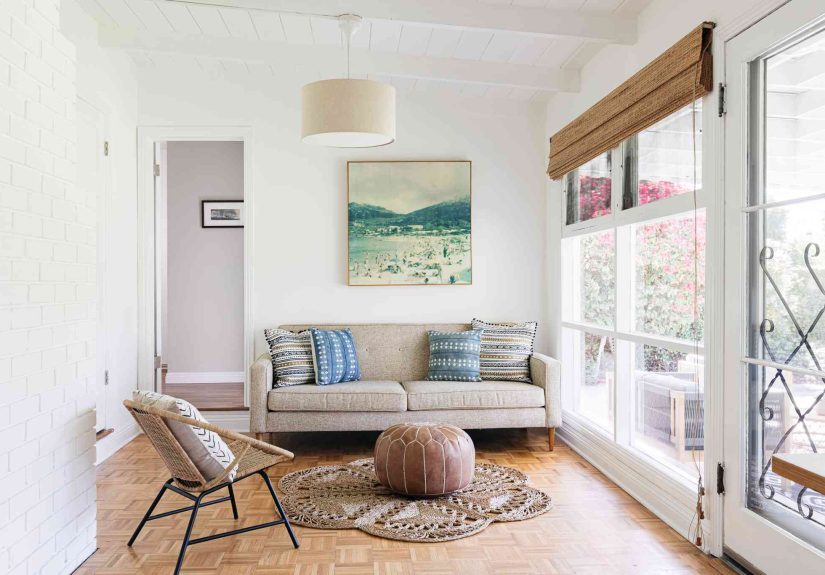
- 3) Sunroom Addition (Your Bright, Mood-Boosting Bonus Space)
- 4) Garage Conversion (The Budget-Friendly Space Hack)
- 5) Over-Garage Room Addition (Smart for Small Lots)
- 6) Mudroom Addition or “Mudroom Zone” Expansion
- 7) Laundry + Mudroom Combo Addition
- 8) Attic Conversion (The Hidden Square Footage You Already Own)
- 9) Finished Basement Addition-in-Place
- 10) ADU or In-Law Suite (Flexible Living, Long-Term Value)
- 11) Primary Suite Addition (Privacy + Resale Appeal)
- 12) Family Room / Great Room Expansion
- 13) Partial or Full Second-Story Addition (The Big Move Without Moving)
- How to Choose the Right Addition for Your Home
- Real-World Experiences and Lessons Homeowners Wish They Knew Earlier (Extended Insights)
- Conclusion
If your house feels a little too “cozy” lately (and by cozy, you mean everyone can hear every Zoom call, snack raid, and teenage sigh), a home addition might be the smartest way to stay put and love where you live. The good news: a “home addition” does not always mean a giant, expensive new wing with a dramatic ribbon-cutting moment. Sometimes it’s a tiny bump-out that transforms a cramped kitchen. Sometimes it’s a garage conversion, a mudroom zone, or a second-story addition that gives your family room to breathe.
In this guide, you’ll find 13 stunning home addition ideas of all sizessmall, medium, and “wow, that changed the whole house”plus practical planning tips so you can choose an option that fits your lot, lifestyle, and budget. We’ll also cover real-world lessons homeowners learn the hard way (so you don’t have to).
Before You Build: 5 Smart Filters That Make Every Addition Better
1) Start with your bottleneck, not your wishlist
Ask what is actually causing daily frustration. Is it no drop zone by the door? A kitchen with zero elbow room? No guest space? When you solve the biggest pain point first, even a smaller addition can feel like a major upgrade.
2) Build out vs. build up
Building out (expanding the footprint) is often simpler, but it eats yard space. Building up (adding above) preserves the lot but usually costs more and requires more structural work. This decision alone can narrow your options quickly.
3) Plan for permits and zoning early
Additions are not “ask forgiveness later” projects. Setbacks, height limits, lot coverage, and use rules (especially for ADUs and rental use) can reshape your plans fast. A good contractor or designer can help, but you should still understand the basics before you fall in love with a sketch.
4) Design the transition, not just the new room
The best additions feel like they were always part of the house. Think about floor levels, ceiling lines, traffic flow, window placement, and sightlines from nearby rooms. A beautiful new space that creates an awkward hallway is like buying fancy shoes two sizes too small.
5) Don’t skip comfort upgrades
Insulation, air sealing, and efficient windows matter more than people thinkespecially for sunrooms, garage conversions, attic spaces, and over-garage rooms. A stunning room that’s too hot in July and too cold in January becomes an expensive storage area.
13 Stunning Home Addition Ideas of All Sizes
1) The Kitchen Bump-Out (Small Footprint, Big Impact)
A kitchen bump-out is the MVP of “small addition, huge lifestyle upgrade.” Expanding just a few feet can create space for a breakfast nook, a larger island, or enough clearance so two people can cook without performing kitchen ballet. This is especially effective in older homes where kitchens were built for one cook and a radio, not modern life.
Best for: cramped kitchens, narrow layouts, and homes with limited lot space.
2) A Bath Bump-Out for a Real Tub, Shower, or Double Vanity
Bathrooms are tiny until you need them to do literally everything at once. A modest bump-out can make room for a separate shower and tub, a double vanity, or better circulation. This type of addition is often more about function than square footageand that’s exactly why it works so well.
Best for: older homes with undersized baths and growing households sharing one bathroom.
3) Sunroom Addition (Your Bright, Mood-Boosting Bonus Space)
If your goal is light, comfort, and flexibility, a sunroom is hard to beat. It can become a reading room, plant haven, play area, dining space, or all of the above depending on the season. A properly insulated four-season version works year-round; a three-season room costs less but is more weather-dependent.
Best for: homeowners who want a light-filled retreat without a full conventional addition.
4) Garage Conversion (The Budget-Friendly Space Hack)
Before you build outward, look at the garage. If it’s mostly storing boxes, old paint cans, and a treadmill used as a coat rack, you may already have the shell for extra living space. Garage conversions can become home offices, guest suites, gyms, media rooms, or playroomsand often cost less than new construction because the basic structure already exists.
Best for: budget-conscious homeowners and families who need functional living space fast.
5) Over-Garage Room Addition (Smart for Small Lots)
No room to expand on the ground? Building above the garage can add a bedroom, studio, office, or bonus room without shrinking your yard. This is a strong option for urban or suburban lots where every outdoor square foot matters. Just plan carefully for insulation and HVAC, because garages are notorious for temperature swings.
Best for: small lots, multi-use needs, and households that want privacy from main living zones.
6) Mudroom Addition or “Mudroom Zone” Expansion
A mudroom may not sound glamorousuntil you experience one that actually works. Built-in cubbies, hooks, benches, and durable flooring can completely change the daily rhythm of the home. Even a compact entry addition or converted hallway section can reduce clutter, improve organization, and make mornings less chaotic.
Best for: families, pet owners, and anyone tired of shoes staging a hostile takeover near the front door.
7) Laundry + Mudroom Combo Addition
This combo is one of the smartest “workhorse” additions you can build. Pairing laundry with a mudroom creates a practical transition zone for wet clothes, sports gear, backpacks, and muddy paws. Add a sink, countertop, and closed storage, and suddenly the messiest part of life has a designated home.
Best for: busy households that want function first and visual calm second (or ideally both).
8) Attic Conversion (The Hidden Square Footage You Already Own)
If your attic has sufficient headroom and structure, converting it can be a fantastic alternative to building a full second story. It works well for bedrooms, offices, teen rooms, reading nooks, or creative studios. Sloped ceilings can become a design feature rather than a limitation when you use built-ins, low storage, and good lighting.
Best for: older homes with underused upper space and families needing one or two extra rooms.
9) Finished Basement Addition-in-Place
A finished basement isn’t technically an exterior addition, but it absolutely functions like one when done well. It can add a media room, gym, guest area, or quiet office space while preserving your yard and roofline. The key is treating it like real living space: moisture control, insulation, egress, lighting, and ventilation all matter.
Best for: homes with dry basements and owners who want maximum usable space without expanding outward.
10) ADU or In-Law Suite (Flexible Living, Long-Term Value)
An accessory dwelling unit (ADU) can be detached, attached, or integrated as part of a larger addition. It’s one of the most flexible options because it can serve as a guest suite, multigenerational housing, caregiver space, or rental unit (where permitted). The big advantage is flexibility; the big challenge is regulations, utilities, and budget.
Best for: multigenerational households, aging-in-place plans, and homeowners thinking long-term.
11) Primary Suite Addition (Privacy + Resale Appeal)
A primary suite addition can solve multiple problems at once: bedroom size, closet storage, bathroom access, and household privacy. Done thoughtfully, it can feel like a mini retreat while improving the home’s functionality for years. This works especially well for families in homes with one small bathroom and no private bedroom wing.
Best for: homeowners staying put for the long haul and wanting comfort, convenience, and better flow.
12) Family Room / Great Room Expansion
If your home’s main gathering space is too tight, a family room addition can transform everyday life more than adding a specialty room. This is where movie nights, homework sessions, holiday hangouts, and “just one more episode” happen. A well-planned expansion improves traffic flow and can connect better to the kitchen, dining area, or backyard.
Best for: households that entertain, host family often, or simply need more shared space.
13) Partial or Full Second-Story Addition (The Big Move Without Moving)
When land is limited but your needs are growing, a second-story addition can be the ultimate solution. A partial second story (for example, over a garage) can add targeted space with less disruption. A full second story can dramatically increase square footage, but it’s one of the most complex and expensive optionsso structural evaluation, permits, and construction logistics become mission-critical.
Best for: small lots, growing families, and homeowners committed to staying in their current neighborhood.
How to Choose the Right Addition for Your Home
Match the idea to the problem
- Need 20–80 sq. ft. of relief? Start with a bump-out.
- Need a room without new foundation costs? Consider a garage, attic, or basement conversion.
- Need privacy or multigenerational living? Think primary suite or ADU.
- Need major space but no lot room? Explore over-garage or second-story options.
Budget with reality, not optimism
Published cost guides vary, but the common theme is clear: additions get expensive fast, and the “small details” (permits, design, structural work, HVAC, electrical, finishes, and site work) can add up quickly. Build a contingency into your budget. Future You will be grateful and less dramatic.
Think about comfort and operations
For garages, attics, sunrooms, and over-garage rooms, prioritize insulation, air sealing, and climate-appropriate windows/doors early in the design. This protects comfort, energy performance, and long-term usability.
Consider financing strategy
Depending on project size, homeowners may compare savings, HELOCs, home improvement loans, cash-out refinancing, or renovation loan products. The “best” option depends on your rate environment, equity, and timelinenot just the contractor bid.
Real-World Experiences and Lessons Homeowners Wish They Knew Earlier (Extended Insights)
Here’s the part that doesn’t always show up in glossy before-and-after photos: the lived experience of a home addition. And honestly, this is where the best decisions get made.
A very common experience is realizing that the transition space matters as much as the addition itself. Homeowners often focus on the new room (“I want a sunroom!”) and forget to plan the doorway, hallway, floor alignment, or how furniture will flow between old and new spaces. The result can be a gorgeous room that feels disconnected from the home. The fix is simple in theory but often missed: spend extra design time on how people enter, move through, and use the space day to day.
Another frequent lesson: the smallest additions can deliver the biggest emotional payoff. A kitchen bump-out that adds just enough room for better circulation may improve daily life more than a giant formal room that gets used twice a year. The same goes for mudrooms. Homeowners are often surprised by how much a practical entry zone reduces stress. When coats, bags, shoes, pet gear, and mail all have a place, the house feels calmeralmost like everyone suddenly became more organized (they didn’t; the storage finally started doing its job).
Garage and attic conversions also come with a predictable “aha” moment: comfort is everything. People often budget for drywall, paint, and flooring first, then discover the room is freezing, noisy, or hard to cool. In real life, insulation, air sealing, and HVAC planning are what make a converted space feel like part of the house instead of a side project. If you’ve ever sat in a beautiful room while wearing a hoodie in August because the airflow is terrible, you know exactly what this means.
For larger additionsespecially second-story projectsthe biggest experience-related challenge is disruption. Even homeowners who plan well are often surprised by how tiring construction can be: noise, dust, temporary room closures, parking issues, delivery schedules, and endless small decisions. The smartest households set up a “construction survival plan” ahead of time: a temporary coffee station, backup kitchen setup, pet routines, storage bins, and one room that stays off-limits as a calm zone. It sounds simple, but it makes a huge difference during a long project.
There’s also a financial lesson many people learn after the first bid: the initial estimate is only the opening chapter. Once walls open up, you may uncover code upgrades, structural adjustments, or utility changes that weren’t obvious at the start. Experienced homeowners build in contingency funds and decide in advance which finishes are “must-haves” versus “nice-to-haves.” That way, if costs shift, they can protect what matters most instead of making rushed decisions under pressure.
Finally, the best long-term experiences usually come from additions designed for flexibility. A bonus room that can serve as an office now and guest room later. An ADU that supports family today and rental income tomorrow (where allowed). A mudroom that doubles as laundry and drop zone. The most successful home additions aren’t just beautiful on reveal daythey keep working as life changes. That’s what makes them truly stunning.
Conclusion
The best home addition ideas aren’t always the biggestthey’re the ones that solve the right problem beautifully. Whether you choose a compact bump-out, a hard-working mudroom, a bright sunroom, a garage conversion, or a full second-story addition, the winning formula is the same: plan around daily life, respect the budget, and design the new space so it feels natural in the old house.
If you do that, your addition won’t just add square footage. It’ll add comfort, function, and a little more breathing room for the life you’re already living there.