Table of Contents >> Show >> Hide
- Why Words Matter When Supporting Cancer Patients
- 15 Things Not to Say to Someone with Cancer
- 1. “Everything happens for a reason.”
- 2. “I know exactly how you feel.”
- 3. “At least it’s a good kind of cancer.”
- 4. “You just need to stay positive.”
- 5. “My aunt had cancer and died.”
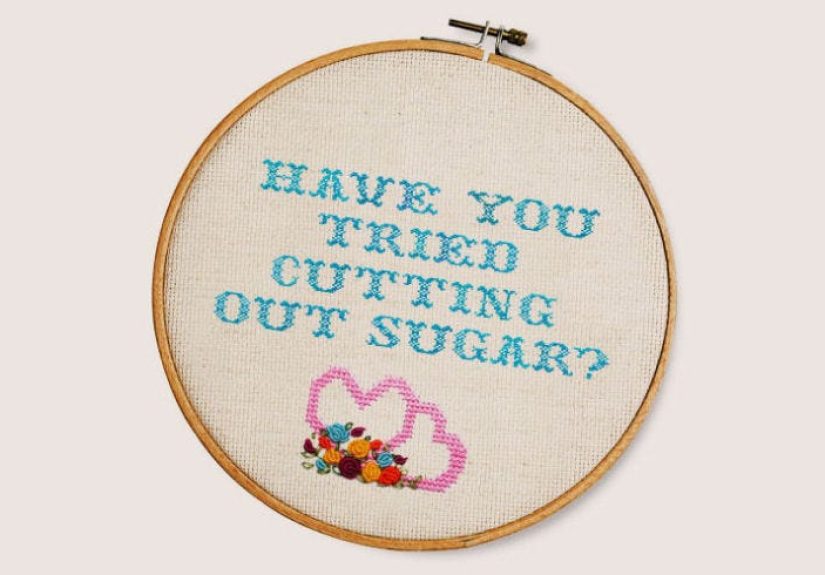
- 6. “Have you tried this special diet, supplement, or miracle cure?”
- 7. “You look great, so you must be fine.”
- 8. “You don’t look sick.”
- 9. “Let me know if you need anything.”
- 10. “You’re so brave.”
- 11. “God never gives you more than you can handle.”
- 12. “How long do you have?”
- 13. “You should be grateful they caught it early.”
- 14. “Everything will be fine.”
- 15. Saying nothing at all
- How to Support Cancer Patients in Meaningful Ways
- What to Say to Someone with Cancer Instead
- Experiences and Real-Life Lessons About Supporting Someone with Cancer
- Conclusion
- SEO Tags
When someone you love says, “I have cancer,” your brain may immediately do the emotional equivalent of dropping all the groceries in the driveway. You want to help. You want to say something meaningful. You want to avoid sounding like a sympathy card written by a confused robot. But cancer is a big, scary word, and even kind people can accidentally say things that land with a thud.
The good news? Supporting someone with cancer does not require perfect poetry, medical expertise, or a heroic speech under dramatic lighting. Most cancer patients need something much simpler: honest care, steady presence, respectful listening, and practical help that does not create extra homework for them.
This guide covers 15 things not to say to someone with cancer, what to say instead, and how to support cancer patients in ways that feel human, useful, and compassionate. The goal is not to make you nervous about every syllable. The goal is to help your words become a soft place to land.
Why Words Matter When Supporting Cancer Patients
Cancer affects far more than the body. It can shake a person’s sense of safety, independence, identity, finances, family routines, work life, and future plans. A patient may be dealing with tests, treatment decisions, surgery, chemotherapy, radiation, immunotherapy, pain, fatigue, fear, body changes, and the emotional roller coaster of waiting for scan results. That is a lot to carry before anyone says, “My neighbor’s cousin cured himself with asparagus juice.”
Helpful communication does not erase cancer, but it can reduce loneliness. Unhelpful comments, even when well meant, can make a patient feel dismissed, pressured, judged, or responsible for comforting everyone else. The best support usually sounds less like advice and more like companionship: “I am here. I am listening. I will not disappear.”
15 Things Not to Say to Someone with Cancer
1. “Everything happens for a reason.”
This phrase often comes from a desire to make sense of suffering. Unfortunately, it can sound as if cancer is part of a grand lesson plan, which may feel cruel to someone living through pain, fear, and uncertainty. A cancer diagnosis does not need to be wrapped in a motivational bow.
Say instead: “I am so sorry this is happening. I am here with you.”
This response does not try to explain the unexplainable. It simply acknowledges that the situation is hard and that the person does not have to face it alone.
2. “I know exactly how you feel.”
Even if you have had cancer yourself, you do not know exactly how another person feels. Cancer experiences vary widely depending on the diagnosis, stage, treatment plan, side effects, family situation, finances, support system, and personality. Saying you know exactly how they feel can unintentionally shift the focus from their experience to yours.
Say instead: “I cannot know exactly what this feels like for you, but I want to understand as much as you want to share.”
This gives the patient room to speak without feeling corrected, compared, or crowded.
3. “At least it’s a good kind of cancer.”
There is no “good” cancer. Some cancers may have better treatment outcomes than others, but the person hearing the diagnosis is still facing appointments, fear, treatment decisions, possible side effects, and life disruption. “At least” statements often minimize the patient’s reality.
Say instead: “That is a lot to take in. How are you holding up today?”
The phrase “today” is helpful because cancer can change emotionally from hour to hour. It also avoids turning the conversation into a medical ranking system nobody asked for.
4. “You just need to stay positive.”
Positive thinking can be comforting for some people, but forcing positivity can become emotional homework. Cancer patients are allowed to be scared, angry, tired, hopeful, grateful, annoyed, bored, and deeply over the phrase “stay strong” all in the same afternoon.
Say instead: “You do not have to be positive with me. You can be honest.”
This is one of the most supportive things you can offer: permission to be real. Nobody should have to perform cheerfulness while managing a life-changing illness.
5. “My aunt had cancer and died.”
Please do not bring a horror story to someone’s already frightening moment. Sharing tragic outcomes may feel like you are relating, but it can intensify fear and anxiety. The patient does not need a tour of every sad medical story in your family tree.
Say instead: “I know everyone’s experience is different. I am here to listen to yours.”
If you have personal cancer experience and think it might help, ask first: “Would it be helpful to hear what helped my family, or would you rather not go there?” Then respect the answer.
6. “Have you tried this special diet, supplement, or miracle cure?”
Unsolicited medical advice is one of the fastest ways to make a cancer patient feel overwhelmed. They likely already have a medical team, a treatment plan, a folder full of paperwork, and possibly a search history that would scare a librarian. Suggestions about alternative cures can also feel blaming, as if the patient is not trying hard enough.
Say instead: “I trust you and your care team. Is there any way I can make treatment days easier?”
If the person asks for help researching something, stick to reputable medical sources and encourage them to discuss questions with their oncology team.
7. “You look great, so you must be fine.”
Many cancer patients hear this when they are exhausted, nauseated, anxious, in pain, or emotionally drained. Looking “fine” does not mean feeling fine. Makeup, a clean shirt, or one good day does not erase treatment side effects or fear.
Say instead: “It is good to see you. How are you feeling today?”
This keeps the door open. If they want to say, “I feel okay,” they can. If they want to say, “Actually, I feel like a microwaved sock,” they can do that too.
8. “You don’t look sick.”
This may sound like a compliment, but it can feel invalidating. Cancer is not always visible. Some patients lose hair or weight; others do not. Some continue working. Some smile in public and collapse on the couch at home. Illness does not need to audition for believability.
Say instead: “I know there may be a lot going on that I cannot see. I am thinking of you.”
This recognizes invisible symptoms such as fatigue, pain, neuropathy, anxiety, sleep problems, and emotional stress.
9. “Let me know if you need anything.”
This is kind in theory, but it often puts the burden on the patient to identify a need, contact you, and ask for help. Many people with cancer do not want to feel needy, and many are too tired to coordinate support like a part-time project manager with a clipboard.
Say instead: “I can bring dinner Tuesday, drive you to treatment Thursday, or pick up groceries this weekend. Which would help most?”
Specific offers are easier to accept. They also show that you are serious, not just tossing a vague kindness balloon into the air.
10. “You’re so brave.”
This can be encouraging, but it can also make patients feel trapped in a role. Some days they may feel brave. Other days they may feel terrified, furious, or tired of being everyone’s inspiration. Cancer patients are not required to be superheroes. Capes are itchy anyway.
Say instead: “I admire how you are getting through this, and I am here on the hard days too.”
This supports the person without demanding constant courage.
11. “God never gives you more than you can handle.”
Faith can be deeply comforting for many people, but spiritual phrases should be used carefully. If you do not know the person’s beliefs, this statement can feel dismissive or even painful. It may imply that cancer is a test they were chosen to endure.
Say instead: “I am keeping you in my thoughts. If prayer is comforting to you, I would be honored to pray for you.”
This respects the patient’s beliefs and lets them lead the spiritual tone of the conversation.
12. “How long do you have?”
This question is blunt, frightening, and usually inappropriate unless the patient has opened that conversation. Prognosis is deeply personal. Some patients may want to discuss it; others may not. Either way, they deserve control over that topic.
Say instead: “You can talk with me about anything you want, or nothing at all.”
Giving someone control over the conversation is a powerful form of support.
13. “You should be grateful they caught it early.”
Gratitude and fear can exist at the same time. A person may be relieved that cancer was found early and still be scared about surgery, treatment, recurrence, bills, family responsibilities, or body changes. “Should” statements can sound like emotional policing.
Say instead: “I am glad you have information and a care plan, and I know this can still feel overwhelming.”
This allows complexity. Real support does not force one emotion at a time.
14. “Everything will be fine.”
This phrase is tempting because you want to comfort the person. But unless you have a crystal ball, a medical degree, and access to the future, you cannot promise outcomes. False reassurance can make patients feel alone with their very real uncertainty.
Say instead: “I hope for the best with you, and I will stay with you through the unknown.”
This offers hope without pretending certainty.
15. Saying nothing at all
Many people disappear after a cancer diagnosis because they are afraid of saying the wrong thing. Silence can hurt more than imperfect words. The patient may already feel isolated; being ghosted by friends or relatives can make that loneliness heavier.
Say instead: “I do not know the perfect thing to say, but I care about you and I am here.”
That sentence is beautifully human. It is honest, humble, and supportive. You do not need perfect words. You need presence.
How to Support Cancer Patients in Meaningful Ways
Listen More Than You Lecture
Listening is not waiting for your turn to deliver advice. It means paying attention without interrupting, correcting, or rushing to fix the feeling. Try simple responses like, “That sounds exhausting,” “I can understand why you feel that way,” or “Do you want advice, or do you just want me to listen?” That last question deserves a tiny trophy.
Let the Patient Lead the Conversation
Some people want to talk about cancer. Some want to talk about baseball, reality TV, neighborhood gossip, or whether pineapple belongs on pizza. Follow their cues. If they change the subject, go with them. Normal conversation can be a relief when life has become too medical.
Offer Practical Help That Has a Shape
Support becomes easier to accept when it is specific. Offer to drive to appointments, sit during treatment, walk the dog, mow the lawn, pick up prescriptions, bring a meal, fold laundry, babysit, or handle school pickup. Instead of saying, “What do you need?” try, “I am going to the grocery store at 4. Text me five items, or I will bring soup, fruit, and crackers.”
Keep Showing Up After the First Wave
When someone is first diagnosed, support may pour in. Weeks later, when treatment is still happening and everyone else has returned to normal life, the patient may feel forgotten. Put reminders on your calendar to check in. A simple “No need to reply, just sending love” can mean a lot.
Respect Privacy
A cancer diagnosis is not community news unless the patient says it is. Do not share details with friends, coworkers, relatives, group chats, or social media unless you have clear permission. Support includes protecting the patient’s story.
Avoid Turning the Patient Into a Project
Yes, you care. No, you do not need to send 47 articles, six podcasts, three supplement links, and a documentary before breakfast. Ask before sharing resources. Helpful support feels like a hand on the shoulder, not a fire hose of information.
What to Say to Someone with Cancer Instead
If you are standing there with good intentions and a completely blank brain, try one of these:
- “I am so sorry you are going through this.”
- “I love you, and I am not going anywhere.”
- “Do you want to talk about it, or would a distraction help?”
- “I can bring dinner this week. Would Tuesday or Friday be better?”
- “No need to respond. I just wanted you to know I am thinking of you.”
- “This is unfair, and I am here with you.”
- “What would feel supportive today?”
Notice the pattern: these phrases do not minimize, compare, advise, or demand optimism. They make room for the patient’s actual experience.
Experiences and Real-Life Lessons About Supporting Someone with Cancer
One of the biggest lessons people learn while supporting a cancer patient is that kindness is more useful when it has legs. A warm thought is lovely. A warm casserole, a ride to chemotherapy, or a clean kitchen can be even lovelier. Many patients appreciate emotional support, but daily life does not pause for cancer. Trash still needs to go out. Kids still need snacks. Insurance forms still multiply like paperwork rabbits. Practical help can become emotional support because it says, “You do not have to carry every tiny thing alone.”
Another common experience is realizing that the patient may not respond the way you expect. One day they may want company; the next day they may not want visitors, phone calls, advice, or anyone breathing loudly in the same room. This is not rejection. Treatment fatigue, pain, nausea, anxiety, and emotional overload can change a person’s social energy quickly. The best supporters do not take it personally. They keep the door open without pushing it off the hinges.
Many families also discover that humor can help, but only when the patient welcomes it. Some cancer patients love dark jokes, silly memes, or a friend who can make them laugh in a waiting room. Others do not want humor near the subject at all. Follow their style. If they joke, you can gently joke with them. If they cry, do not rush to become the comedy department. Emotional timing matters. A well-placed laugh can be medicine; a poorly placed joke can be a dropped cymbal in a quiet church.
Supporters often feel pressure to say something profound. In real life, the most memorable support is usually simple and consistent. It is the friend who texts every Wednesday. The neighbor who leaves muffins without ringing the doorbell. The coworker who says, “I covered that meeting; you focus on your appointment.” The sibling who sits in silence during an infusion. These gestures may not look dramatic, but they build a safety net one small knot at a time.
It is also important to support the caregiver. Spouses, parents, adult children, siblings, and close friends may be coordinating appointments, managing medications, handling household tasks, and trying not to fall apart in the cereal aisle. Ask caregivers how they are doing. Offer them meals, breaks, rides, childcare, or a listening ear. When you support the caregiver, you indirectly support the patient too.
Finally, remember that support does not end when treatment ends. Survivorship can bring joy, relief, fear of recurrence, long-term side effects, financial stress, and the strange expectation that life should instantly “go back to normal.” Keep checking in. Celebrate milestones if the patient wants to celebrate. Sit with uncertainty if they feel anxious before scans. Cancer can change a person’s life long after the final appointment, and faithful support remains valuable in every chapter.
Conclusion
Knowing what not to say to someone with cancer is not about walking on eggshells. It is about walking with care. Avoid clichés, comparisons, miracle cures, forced positivity, and comments that minimize the patient’s experience. Choose honesty, humility, practical help, and steady presence instead.
You do not have to fix cancer with your words. You cannot. But you can make someone feel less alone. You can listen without trying to control the conversation. You can offer help that is specific and useful. You can keep showing up after the first wave of sympathy fades. Most of all, you can remind the person that they are still themselves: loved, respected, and not reduced to a diagnosis.
When in doubt, say the simple true thing: “I care about you. I am here.” Sometimes that is not just enough. Sometimes it is exactly what someone needs.