Table of Contents >> Show >> Hide
- What Happens at 16 Weeks Pregnant?
- Common 16 Weeks Pregnant Symptoms
- Tips for Feeling Better at 16 Weeks Pregnant
- Your 16-Week Prenatal Visit and Tests
- When to Call Your Healthcare Provider
- What You Might Be Feeling Emotionally
- 16 Weeks Pregnant: Experiences, Tips, and Real-Life Feelings
- Conclusion
- SEO Tags
Note: This article is for informational purposes only and is not a substitute for medical advice, diagnosis, or treatment.
You are 16 weeks pregnant, which is a lovely little milestone where the first-trimester fog may finally be lifting, your jeans are negotiating new terms, and your baby is busy doing tiny acrobatics you may or may not feel yet. Welcome to the early middle stretch of pregnancy, where things often feel a bit more real, a bit more visible, and occasionally a bit more gassy. Glamorous? Not always. Fascinating? Absolutely.
At 16 weeks, you are in the second trimester, and many people start to notice a welcome shift. Nausea may ease up, energy may improve, and your growing belly can become harder to hide behind oversized sweaters and strategic hand placement. At the same time, new symptoms can pop up, including round ligament pain, backaches, constipation, and heartburn. In other words, pregnancy loves a dramatic cast change.
This guide covers what is happening with your baby, what changes you may notice in your body, practical tips to feel more comfortable, when to call your healthcare provider, and what many pregnant people actually experience during week 16.
What Happens at 16 Weeks Pregnant?
At 16 weeks pregnant, your baby is growing fast and looking more and more like the tiny human you have been imagining. Around this point, the head is more upright, facial features look more defined, and coordinated limb movements are happening regularly. Your baby may be making sucking motions, moving their eyes, and practicing little wiggles that could show up on an ultrasound even if you cannot feel them yet.
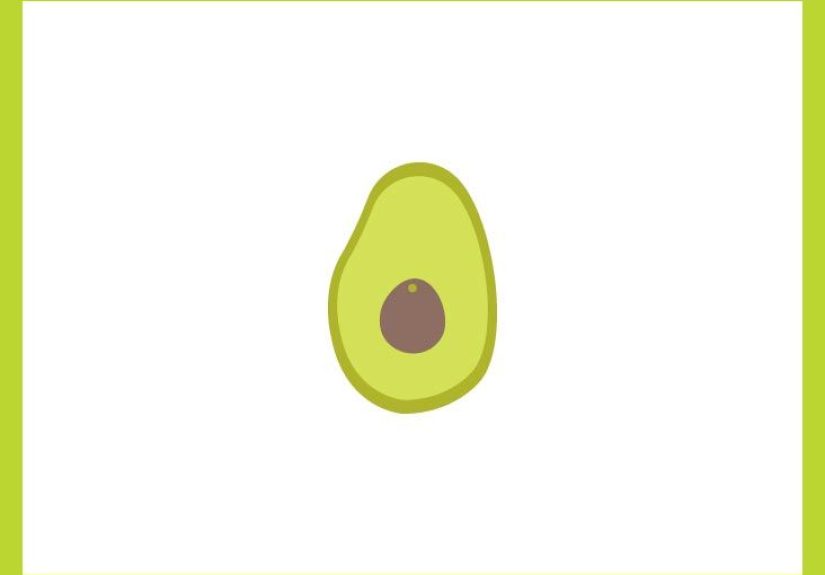
Size comparisons vary depending on the source, but a 16-week fetus is often described as being about the size of an apple or avocado. That sounds adorable because it is. In practical terms, your baby is roughly over 4 to 5 inches long from crown to rump and weighs around 3 to 4 ounces. Tiny, yes. Busy, also yes.
You may also be getting closer to feeling quickening, which is the first sensation of fetal movement. Some people notice this around 16 to 20 weeks, especially in later pregnancies, while first-time parents may not feel anything recognizable until a bit later. So if you are not feeling flutters yet, do not panic and do not interrogate your abdomen like it owes you an update.
Common 16 Weeks Pregnant Symptoms
Every pregnancy is different, but several symptoms are especially common around week 16. Some are mildly annoying, some are weirdly specific, and some make you appreciate the invention of stretchy waistbands.
1. A Growing Belly
Your uterus is expanding upward, and your bump may be more noticeable now. For some people, this is the week they start looking unmistakably pregnant instead of “maybe she had a large burrito.” If your bump still feels small, that can be normal too. Body type, first pregnancy versus later pregnancy, and even your usual posture can all affect how soon a belly shows.
2. Less Nausea, More Appetite
One of the nicer second-trimester plot twists is that morning sickness often improves. As nausea fades, appetite may return with enthusiasm. This does not mean you need to “eat for two” in a cartoonishly literal way, but you may find it easier to tolerate balanced meals and healthy snacks again.
3. Round Ligament Pain
If you feel a sharp or stretching pain on the sides of your lower belly or groin, round ligament pain could be the culprit. As your uterus grows, the ligaments supporting it stretch, and sudden movements like standing up quickly, coughing, or laughing can trigger discomfort. Pregnancy really said even sneezing should be an adventure.
4. Back Pain
Hormonal changes and a shifting center of gravity can lead to lower back aches around 16 weeks pregnant. Your posture may change without you realizing it, and muscles that usually mind their own business can start filing complaints. Supportive shoes, gentle movement, and good posture can help.
5. Constipation, Bloating, and Gas
Progesterone helps pregnancy continue, but it also slows digestion. The result may be constipation, bloating, and enough gas to make a balloon animal jealous. Drinking more water, eating fiber-rich foods, and staying active can make a real difference.
6. Heartburn
Heartburn can show up even this early in the second trimester. Pregnancy hormones relax the muscles that normally help keep stomach contents where they belong, and your growing uterus adds pressure over time. Smaller meals and avoiding trigger foods may help keep the fire-breathing dragon under control.
7. Breast Changes
Your breasts may still feel fuller, heavier, or tender. The areolas can darken, and veins may look more visible as blood volume increases. This is all part of your body preparing for the job ahead, even if your bra seems personally offended by the situation.
8. Skin Changes
Some people notice a dark line down the middle of the abdomen called the linea nigra, along with patches of darker skin or an overall pregnancy glow. That “glow,” to be fair, may be equal parts increased blood flow, skin oils, and the courage it takes to function while growing a person.
9. Headaches or Dizziness
Mild headaches and occasional dizziness can happen in pregnancy. Dehydration, changes in circulation, hunger, and lack of sleep can all play a role. Sit down if you feel lightheaded, sip water, and mention recurring symptoms to your healthcare provider.
10. Nasal Stuffiness or Gum Sensitivity
Pregnancy increases blood flow and can make mucous membranes swell, which may lead to a stuffy nose or gums that bleed more easily when you brush. It is not the cutest symptom, but it is common. A soft toothbrush and good oral hygiene are your friends.
Tips for Feeling Better at 16 Weeks Pregnant
You may not be able to eliminate every symptom, but there are plenty of ways to feel more comfortable.
Eat Small, Balanced Meals
If your appetite is coming back, aim for balanced meals with protein, fiber, healthy fats, fruits, vegetables, and whole grains. Small, steady meals can help with heartburn, nausea, and energy dips. Think less “competitive eating event” and more “smart fueling plan.”
Stay Hydrated
Water supports digestion, circulation, and amniotic fluid levels, and it can also help with headaches and constipation. Keep a water bottle nearby and make hydration the least dramatic part of your day.
Keep Moving
Regular physical activity during pregnancy is usually safe for most people and can help with constipation, mood, sleep, and aches. Walking, prenatal yoga, swimming, and gentle strength work are common choices. Always follow your own provider’s advice, especially if you have complications or restrictions.
Support Your Back
Wear supportive shoes, avoid standing in one position for too long, and pay attention to posture. If your lower back is acting like a disgruntled coworker, try a pillow behind your back when sitting or gentle stretching approved by your provider.
Manage Constipation Early
Fiber-rich foods such as beans, oats, fruits, vegetables, and whole grains can help. So can water and movement. If constipation is persistent, ask your provider before taking over-the-counter products. Pregnancy is not the time for mystery remedies from a distant cousin’s group chat.
Sleep Smarter
If sleep is getting trickier, use pillows to support your hips, knees, or back. A bedtime routine, lighter evening meals, and cutting back on late caffeine can help. You do not need a perfect sleep schedule. You just need something better than staring at the ceiling while mentally organizing the nursery at 2:14 a.m.
Take Your Prenatal Vitamin
Prenatal vitamins remain important, especially for folic acid, iron, calcium, and other nutrients that support you and your baby. If your vitamin makes you nauseated or constipated, tell your provider. There are often alternatives.
Your 16-Week Prenatal Visit and Tests
During the second trimester, prenatal visits are often scheduled about once a month for uncomplicated pregnancies. At your appointment, your provider may check your weight, blood pressure, urine, and the baby’s heartbeat. You will also have a chance to ask about symptoms, nutrition, sleep, exercise, travel, sex, and anything else on your mind.
Around this stage, some people may also have screening tests such as maternal serum alpha-fetoprotein or other blood tests that help assess certain risks. Depending on timing and your care plan, your anatomy ultrasound may be coming up soon, usually around 18 to 22 weeks. That scan takes a closer look at your baby’s development and can be one of the most exciting appointments of the pregnancy.
When to Call Your Healthcare Provider
Some discomforts are common at 16 weeks pregnant, but certain symptoms should never be brushed off. Contact your provider right away or seek urgent care if you have:
- Vaginal bleeding
- Leaking fluid from the vagina
- Severe or persistent abdominal pain
- Fever of 100.4°F (38°C) or higher
- A severe headache that does not improve
- Vision changes such as blurriness, flashing lights, or blind spots
- Burning with urination or trouble urinating
- Severe nausea and vomiting, especially with signs of dehydration
- Shortness of breath or chest pain
- Sudden swelling of the face or hands
- Fainting or ongoing dizziness
Trust your instincts. If something feels wrong, call. You do not win prizes for quietly enduring a symptom that deserves medical attention.
What You Might Be Feeling Emotionally
Week 16 can be emotionally interesting in a very human way. You may feel more excited now that the pregnancy is visible and the second trimester is underway. You may also feel anxious, impatient, protective, sentimental, or strangely emotional about fruit comparisons. All of that can be normal.
Many people find this phase easier than the first trimester, but “easier” is not the same thing as easy. You are adjusting to body changes, planning ahead, making decisions, and likely fielding an impressive number of unsolicited comments. Give yourself permission to be thrilled and tired, calm and nervous, grateful and uncomfortable, sometimes all before lunch.
16 Weeks Pregnant: Experiences, Tips, and Real-Life Feelings
By 16 weeks, many pregnant people say they finally start to feel like themselves again, or at least like a recognizable upgraded version with more snacks and stronger opinions about pillows. The crushing fatigue of the first trimester may ease, and the nausea that once made the refrigerator feel like a personal enemy may begin to back off. That shift can bring relief, but it can also feel surprisingly emotional. After weeks of surviving, you may suddenly have the energy to think ahead, and that can make the whole pregnancy feel more real.
One common experience at 16 weeks is living in the in-between. You may not feel dramatically pregnant every second of the day, but you are definitely no longer in the “is this just bloating?” era. Some people love seeing their belly emerge. Others feel a little weird in a body that is changing faster than their wardrobe budget. Both reactions are normal. Pregnancy can be magical and deeply inconvenient at the exact same time.
Another frequent experience is heightened body awareness. You notice stretching, tugging, pressure, random twinges, and occasional flutters that may or may not be the baby. Was that quickening? Was it lunch? The mystery is part of the fun, if your idea of fun includes detective work in sweatpants. People who have been pregnant before may recognize early movement sooner, while first-time parents often need a few more weeks before they are sure.
Emotionally, 16 weeks can also be the point where bonding starts to deepen. Maybe you hear the heartbeat at an appointment, maybe you start thinking about names, or maybe you catch yourself talking to your belly when nobody is around. These moments can feel sweet, surreal, and occasionally hilarious. You are carrying on a one-sided relationship with someone whose main hobbies currently include floating and growing eyebrows.
Socially, this is often when pregnancy becomes more public. You may choose to share the news more widely, update family, or answer a flood of questions from curious friends and relatives. If you are not in the mood to discuss your symptoms, nursery theme, due date, and whether you are craving pickles, you are allowed to set boundaries. Pregnancy does not make your body public property, and it definitely does not turn every stranger into a lifestyle commentator.
A practical tip many people wish they started earlier is to prioritize comfort before discomfort gets louder. That means supportive bras, forgiving waistbands, water on hand, fiber in meals, and shoes you can actually walk in. Another smart move is starting a running list of questions for prenatal visits. Pregnancy has a funny way of making important questions disappear the second you sit in the exam room.
Most of all, 16 weeks is often a reminder that progress does not always look dramatic. Some days the milestone is hearing the heartbeat. Some days it is eating lunch without heartburn. Some days it is simply realizing you are doing this, one weird, wonderful week at a time.
Conclusion
At 16 weeks pregnant, you are in a meaningful stretch of pregnancy where many first-trimester symptoms begin to fade, new second-trimester changes take center stage, and your baby is making impressive developmental progress. You may notice a growing bump, changes in appetite, round ligament pain, backaches, constipation, or the first hint of movement. The good news is that many of these symptoms can be managed with hydration, gentle activity, supportive clothing, balanced meals, and regular prenatal care.
Just remember that while many week-16 symptoms are normal, severe or unusual symptoms deserve attention. When in doubt, call your healthcare provider. Pregnancy is not the time to play amateur detective with serious warning signs. Keep asking questions, keep taking care of yourself, and keep celebrating the small milestones. You are doing important work, even on the days when the biggest accomplishment is finding a comfortable position on the couch.