Table of Contents >> Show >> Hide
- Why This Story Hits a Nerve
- Is Parking in Someone’s Driveway Illegal?
- Should You Call the Police Over a Driveway Parking Dispute?
- Can You Tow a Car Parked in Your Driveway?
- How to Handle the Situation Like a Functional Adult (Even if You’re Furious)
- “I’m Pregnant” Is Not a Parking PermitBut Kindness Still Matters
- What to Do If This Happens to You: A Simple 5-Step Playbook
- Conclusion
- Bonus: of Real-World Driveway Parking Experiences (What People Learn the Hard Way)
Some neighborhood conflicts start with fireworks. This one starts with… a driveway. A private driveway. The kind of driveway
that, in most people’s minds, comes with a simple rule: if it’s not yours, don’t park there.
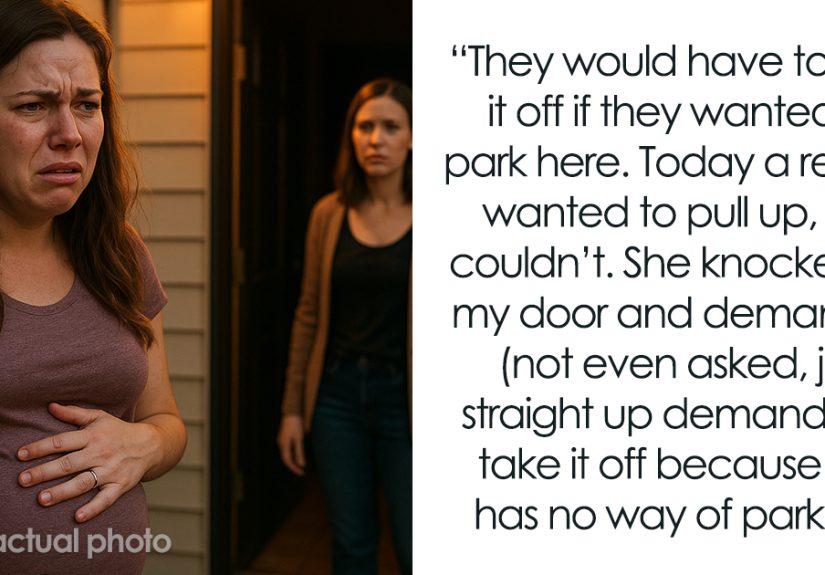
The viral version of this story goes something like this: an 18-year-old is home when a strangerpregnant, stressed, and
apparently allergic to paid parkingkeeps using the teen’s driveway as if it’s a free valet service. The teen finally says,
“Stop parking here. I’ll call the cops.” The stranger cries. Internet debates explode. Everyone becomes a driveway attorney.
Under the drama, though, there’s a real (and surprisingly common) question: What are you supposed to do when someone parks
in your driveway without permission? And the even messier follow-up: How do you handle it without turning a parking issue
into a neighborhood cold war?
Why This Story Hits a Nerve
Driveway disputes are the perfect storm of three things Americans are passionate about:
property rights, personal safety, and not being inconvenienced.
Add pregnancy (a real vulnerability) to the mix and people split into instant camps:
- Team “It’s Private Property”: A driveway is not public parking. Full stop.
- Team “Have a Heart”: Pregnancy can be exhausting, painful, and unpredictableshow some humanity.
- Team “Call Someone Else”: Don’t involve police for a parking squabble unless there’s a threat.
The truth is annoyingly grown-up: you can be right about your driveway and still handle it badly.
And you can be stressed and pregnant and still not get to claim a stranger’s property as your personal “temporary parking solution.”
Is Parking in Someone’s Driveway Illegal?
Private driveway vs. public street: not the same universe
A key confusion in driveway wars is that people mix up street parking and parking on private property.
On many public streets, if a car is legally parked and following local rules, you generally can’t force someone to move just because
it’s “in front of your house.” But a private driveway is different.
When a vehicle parks in your driveway without permission, it can be considered trespassing or an unauthorized use of private property.
How it’s handled depends on local law and enforcement practicesbut the basic principle is consistent: it’s not a free-for-all.
Blocking access can raise the stakes
If a car blocks your driveway so you can’t enter or leave, many jurisdictions treat that more seriously because it affects
access and sometimes emergency movement. In some places, that can lead to ticketing and towing (especially if it’s repeated).
Practical takeaway: your driveway is not “community overflow parking,” and repeated violations often create a record
that helps you if you need official intervention later.
Should You Call the Police Over a Driveway Parking Dispute?
Use the right number: 911 vs. non-emergency
If there’s an immediate threat, violence, a crime in progress, or a safety emergency, call 911.
But for most driveway parking disputesespecially when there’s no dangernon-emergency is usually the better route.
Many cities and counties publish clear “when to call 911” guidance for exactly this reason.
A good rule of thumb:
If your main problem is inconvenience, not danger, start with non-emergency.
If your main problem is that you feel unsafe or threatened, don’t gamblecall for help.
What police can (and can’t) do
In some places, police may issue a citation, help contact the vehicle owner, or authorize a tow. In other places, they may tell you
it’s a civil matter and point you to parking enforcement or a private tow process. That inconsistency is why people get so heated:
two neighbors in two different cities can do the “same thing” and get totally different outcomes.
If you’re thinking, “So the answer is ‘it depends’?” Yes. Welcome to the American legal system. Bring snacks.
Can You Tow a Car Parked in Your Driveway?
Yes sometimeslegally is the key word
Towing from private property is often allowed when a vehicle is unauthorized, but the rules vary by state and city.
Some areas require signage, specific authorization, waiting periods, or documentation. Others have different rules for
single-family residences versus lots, HOAs, or multi-unit properties.
If you tow illegally or use a sketchy tow operator, you can create a second problem: claims for improper towing.
The car owner might come back furious (and sometimes litigious). So if towing is on the table, treat it like handling a rattlesnake:
carefully, slowly, and preferably with professionals who know the rules.
Safer steps before towing
- Document first: photo of the car, license plate, timestamp, and your driveway context.
- Try a reasonable contact: if you know the person or can safely ask a nearby business/home.
- Check local rules: city website, non-emergency guidance, or parking enforcement FAQs.
- Use authorized towing: the local-approved or properly licensed non-consensual tow provider.
- Avoid “DIY justice”: don’t block them in forever, damage the car, or escalate physically.
Translation: don’t become the villain in your own driveway story.
How to Handle the Situation Like a Functional Adult (Even if You’re Furious)
If you’re the homeowner (or the 18-year-old at home)
-
Start with clarity: “This is a private driveway. Please don’t park here.”
Not: “Are you allergic to paying for parking, ma’am?” -
Set a boundary + consequence: “If it happens again, I’ll call non-emergency/parking enforcement.”
Boundaries without consequences are just wishes. -
Keep it calm and brief: long arguments don’t help. They just create more opportunities for someone to say something
screenshot-worthy. - Use signage if it’s recurring: “Private drivewayno parkingtow away zone” can prevent the “I didn’t know” excuse.
- Consider safety: if you’re alone and the person is aggressive, do not go outside to confront them. Document and call for help.
If you’re the driver (including the pregnant stranger)
- Ask first if you truly need a temporary spot. Most people respond better to respect than surprise trespassing.
- Don’t argue ownership of someone else’s driveway. That’s like arguing you deserve to borrow their toothbrush.
- Have a backup plan: paid parking, a ride-share drop-off, a friend’s driveway, or a legal street spot.
- If confronted, apologize and move. Even if you’re stressed. Even if it feels unfair. Especially if you’re wrong.
“I’m Pregnant” Is Not a Parking PermitBut Kindness Still Matters
Pregnancy can be physically hard and emotionally intense. Anxiety and stress during pregnancy are common, and many medical organizations
encourage people to seek support and treatment when anxiety interferes with daily life. That said, stress does not erase boundaries.
Here’s a compassionate middle ground:
- Empathy: “I’m sorry you’re having a rough day. I still can’t allow parking here.”
- Alternatives: “There’s street parking two houses down,” or “The lot on the corner has short-term spaces.”
- Consistency: bending the rule once can turn your driveway into a “known free spot.”
The teen in the story wasn’t wrong to protect her home. And the pregnant stranger’s tears may be real. But tears don’t transform
private property into public parking any more than a sad story transforms a checkout line into a VIP lane.
What to Do If This Happens to You: A Simple 5-Step Playbook
- Assess safety. If you feel threatened, prioritize distance and calling for help.
- Document the vehicle. Photos, plate number, time, and location.
- Make one clear request. If safe: “Please move your car. This is a private driveway.”
- Use the appropriate channel. Non-emergency police or parking enforcement for non-danger situations.
- Escalate legally if repeated. Signage, HOA/property management processes, or authorized towing.
Bonus tip: if you’re going to say “I’ll call the cops,” consider saying, “I’ll call the non-emergency line.”
It’s calmer, more accurate, and less likely to trigger panic or defensiveness.
Conclusion
The internet loves a moral showdown: teen vs. pregnant stranger, rules vs. feelings, property rights vs. compassion. But real life
usually works better with a boring combo of clear boundaries, calm communication, and the right kind of help.
If someone parks in your driveway, you don’t have to accept it. And you don’t have to be cruel about it, either.
You can protect your home and still be humanpreferably the kind of human who doesn’t turn a driveway into a season-long drama series.
Bonus: of Real-World Driveway Parking Experiences (What People Learn the Hard Way)
If you’ve lived in a busy neighborhood, near a school, or anywhere within a three-block radius of a popular brunch place, you’ve seen it:
the “just for a minute” driver. They appear like clockwork, usually right when you’re late for something. They’re not villains in their
own mindsthey’re protagonists with an urgent errand and a suspicious belief that your driveway is a public resource.
One of the most common experiences people share is how quickly a single “favor” becomes a pattern. The first time, it’s a neighbor’s guest.
You let it slide. The second time, it’s the same car again. The third time, it’s a different carbecause word travels fast that you’re the
house with the “chill driveway.” The lesson: consistency is kindness to your future self. If you don’t want it happening again,
you have to address it early, before it becomes “normal.”
Another real-world theme is the awkward power of signage. People joke about “No Parking” signs like they’re decorative, but a clearly posted
notice changes the conversation. Instead of debating feelings (“I only needed five minutes”), you’re pointing at a rule everyone can see.
It reduces misunderstandings and helps if you ever need to involve parking enforcement or a tow operator.
Then there’s the “emergency exception” dilemma. Sometimes a driver has a real reason: they’re vomiting, they’re dizzy, they’re having a panic
attack, they’re very pregnant and suddenly not okay. In those moments, most homeowners don’t actually want punishmentthey want safety. A practical
approach people describe is offering a short, controlled solution: “You can stay for ten minutes while you call someone, but you need to move as soon
as you’re able.” Or: “I’m calling for medical help if you’re not well.” That keeps you compassionate without turning your driveway into an open invitation.
Many homeowners also learn that arguing face-to-face can be the worst possible method. A calm note on the windshield (polite, factual, and not written
in all caps) sometimes works better than a confrontation, especially if the driver is a stranger. And if the person is aggressive? People often report
that stepping back, documenting, and using official channels is the safest move. No driveway is worth getting hurt over.
Finally, there’s a shared experience that’s almost universal: once emotions rise, logic leaves the building. The most successful outcomes tend to come
from scriptssimple, repeatable phrases. “This is private property.” “Please move your vehicle.” “If it happens again, I’ll contact non-emergency parking
enforcement.” It’s not poetic. It’s not viral. But it works. And in a world where everything becomes content, “not going viral” is an underrated life skill.