Table of Contents >> Show >> Hide
- Quick Reality Check Before You Name It “The Loft”
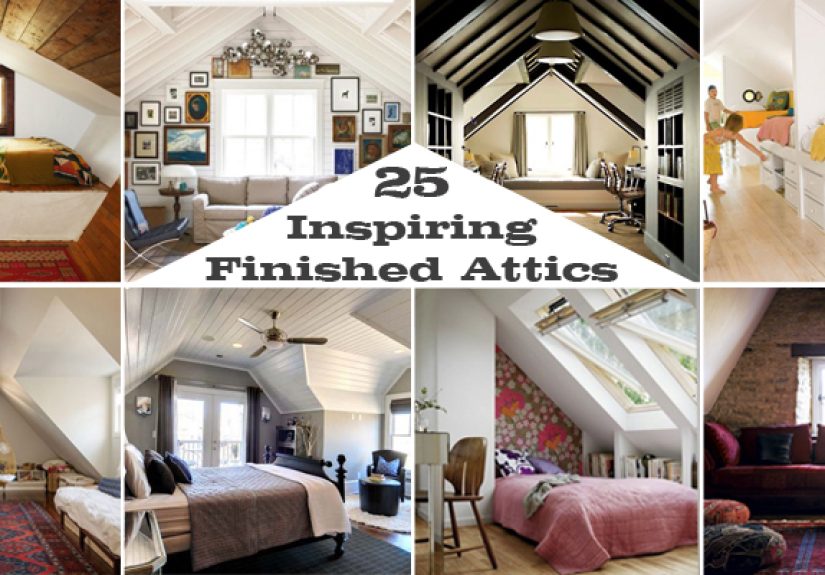
- 25 Inspiring Finished Attics (With Stealable Ideas)
- 1) The All-White “Instant Light” Attic Bedroom
- 2) Exposed Beams, But Make It Intentional
- 3) Twin Beds for the Perfect Guest Retreat
- 4) The Built-In Nook Bed (AKA “Hotel Cozy”)
- 5) A-Frame Lounge That Feels Like a Cabin Getaway
- 6) The Skylit Home Office That Actually Gets Used
- 7) The Library Loft (Bookcase Wealth, but Upstairs)
- 8) The Attic Bathroom That Feels Like a Boutique Spa
- 9) The Kid Playroom That Doesn’t Wreck the Living Room
- 10) Teen Hangout: The “Not in My Kitchen” Zone
- 11) The Craft Studio With a Clean-Up Plan
- 12) The Music Room That Respects the Rest of the House
- 13) The Minimalist Scandinavian Attic
- 14) The Moody “Speakeasy” Den
- 15) The Plant-Lover’s Loft (Yes, Even Up Here)
- 16) The Meditation / Yoga Studio
- 17) The Movie Loft With the Right Screen Height
- 18) A Guest Suite That Feels Like a Tiny Boutique Hotel
- 19) The Walk-In Closet Upgrade (The “I Found Space!” Effect)
- 20) Knee-Wall Storage That Looks Built-In (Because It Is)
- 21) The Reading Nook With a Window Seat
- 22) The Bright “Studio Apartment” Layout
- 23) The Home Gym That Won’t Shake the Chandelier
- 24) The “Writer’s Retreat” With Just Enough Distraction
- 25) The Color-Drenched Attic (Bold, But Not Loud)
- Design Moves That Make Finished Attics Feel Bigger
- Budget, Comfort, and Value: The Practical Side of Attic Conversions
- Conclusion: Your Attic, But Make It Livable
- Extra: of Real-World Finished Attic Wisdom
Attics are famous for three things: dust, mystery boxes labeled “CABLES???,” and the annual holiday décor migration. But a finished attic can be the most charming room in your housepart hideaway, part glow-up, all “why didn’t we do this sooner?”
In this guide, you’ll get 25 inspiring finished attic ideas (bedrooms, offices, playrooms, studios, and a few delightful oddballs), plus practical guidance for a smart attic conversion: light, comfort, storage, airflow, and the not-so-glam details that keep a loft conversion from becoming a summer sauna.
Quick Reality Check Before You Name It “The Loft”
A great attic remodel isn’t just prettyit’s safe, comfortable, and built to code. Local requirements vary, but many jurisdictions use IRC-based standards, which is why you’ll see recurring themes: minimum ceiling height, egress, stairs, and insulation/ventilation planning.
1) Headroom: nobody wants a stylish concussion
Many attic conversions succeed or fail on a simple question: Can adults stand up and move around? Some guidance uses a minimum ceiling height around 6’8″ in key areas, and stair headroom often targets 6’8″ as well. If your attic has a dramatic roofline but the “walking zone” is a narrow runway, plan your layout so the tallest path stays clearand put low furniture under the slopes.
2) Stairs and access: the “habitable space” upgrade
A finished attic meant for daily use typically needs a proper staircase (not a hatch ladder you descend like an action hero). Think safe treads, consistent risers, handrails, and adequate lighting. This is the unsexy backbone of a livable atticand the part that makes your space feel like it truly belongs to the house.
3) Egress and safety: sleep upstairs, exit smart
If your attic includes a bedroom (or other habitable space), many codes require an emergency egress opening. A common benchmark is about 5.7 sq. ft. of clear opening with minimum dimensions for width and height. It’s not a design buzzkillit’s peace of mind. Also plan for smoke/CO alarms as required in your area.
4) Insulation + ventilation: comfort is not optional
The fastest way to hate your finished attic is to ignore airflow. Insulation without ventilation can trap moisture, while ventilation without good air-sealing can waste conditioned air. Practical guidance often recommends using rafter vents (baffles) to keep soffit ventilation paths open, creating a channel for air to move from soffits toward ridge/upper vents. Translation: your attic can be cozy without turning into a damp terrarium.
25 Inspiring Finished Attics (With Stealable Ideas)
Each of these concepts works with classic attic quirkssloped ceilings, knee walls, odd cornersand turns them into features, not flaws.
1) The All-White “Instant Light” Attic Bedroom
A bright palette makes a low-ceiling space feel taller. Pair white walls with warm wood accents, soft rugs, and a few textured pieces so it doesn’t feel like a dentist’s office with skylights.
2) Exposed Beams, But Make It Intentional
Attic beams are free character. Keep furnishings simple and let the roofline do the talking. Bonus points if you add subtle uplighting so the beams look dramatic after sunset.
3) Twin Beds for the Perfect Guest Retreat
Two twins tucked under shorter walls can be more practical than cramming in one big bed. Place the walkway in the tallest part of the room and your guests won’t have to crab-walk to the bathroom.
4) The Built-In Nook Bed (AKA “Hotel Cozy”)
If your attic has a recess, turn it into a bed alcove with floating shelves and reading lights. You’ll get “cocoon” vibes without giving up the main floor area for circulation.
5) A-Frame Lounge That Feels Like a Cabin Getaway
Lean into the triangle: low sofa, chunky knit throws, and a coffee table that can take a beating. Add layered lighting and suddenly your attic is the “favorite room,” even in January.
6) The Skylit Home Office That Actually Gets Used
Attics make great offices because they’re quiet and separate. Put the desk where daylight lands, use wall-mounted storage to keep the floor open, and choose a chair you’d sit in for more than 11 minutes.
7) The Library Loft (Bookcase Wealth, but Upstairs)
Floor-to-ceiling built-ins on the tall wall can turn awkward angles into a cozy reading room. Add a bench under the slope, and you’ve got a “just one more chapter” trap.
8) The Attic Bathroom That Feels Like a Boutique Spa
A clawfoot tub under a window or skylight is peak attic romance. Keep finishes classic (tile, polished fixtures), and plan ventilation like you mean it.
9) The Kid Playroom That Doesn’t Wreck the Living Room
Soft flooring, closed storage, and a small craft table makes an attic playroom feel speciallike a clubhousewhile keeping chaos one floor away from your sanity.
10) Teen Hangout: The “Not in My Kitchen” Zone
Modular seating, a mini fridge, and plenty of outlets. Choose durable fabrics and keep decor flexible so it can evolve from “gaming cave” to “college-break crash pad.”
11) The Craft Studio With a Clean-Up Plan
Put a long work surface under the slope, pegboard or rail systems on the tall wall, and labeled bins behind cabinet doors. Creativity loves mess; your future self does not.
12) The Music Room That Respects the Rest of the House
Add area rugs, acoustic panels (the stylish kind), and weatherstripping at the door. A finished attic is a great place to practicewithout turning the first floor into an involuntary concert.
13) The Minimalist Scandinavian Attic
Light woods, neutral textiles, and simple lines reduce visual clutter (attics already have enough “angles” to process). A few plants soften the geometry.
14) The Moody “Speakeasy” Den
Dark paint can work in attics if you balance it with good lighting and reflective accents. Think: velvet textures, warm lamps, and one piece of art that screams “grown-up.”
15) The Plant-Lover’s Loft (Yes, Even Up Here)
If your attic gets great sun, it can become a leafy retreat. Use trays under pots, choose hardy plants, and be honest about who will water them when you travel.
16) The Meditation / Yoga Studio
Low-profile storage, a calm palette, and a mirror on the tall wall makes the space feel bigger. Add dimmable lighting and you’ll actually use itno guilt candles required.
17) The Movie Loft With the Right Screen Height
Mount the TV on the tall wall, not under the slope where necks go to suffer. Choose a sectional with a low back so sightlines stay open.
18) A Guest Suite That Feels Like a Tiny Boutique Hotel
Add a luggage bench, hooks, a small dresser, and bedside charging. The goal is “thoughtful,” not “we put a mattress in the attic and called it hospitality.”
19) The Walk-In Closet Upgrade (The “I Found Space!” Effect)
Sloped ceilings can be perfect for closet zones: lower sections for shoes and drawers, taller areas for hanging. Good lighting is non-negotiable unless you enjoy choosing outfits by vibes alone.
20) Knee-Wall Storage That Looks Built-In (Because It Is)
Behind knee walls is prime real estate. Add access doors or even built-in drawers/shelving so the space works hard without looking like a “seasonal décor cave.”
21) The Reading Nook With a Window Seat
A bench under a dormer window is an attic classic for a reason. Include drawers underneath so blankets and books don’t migrate to the floor like they pay rent there.
22) The Bright “Studio Apartment” Layout
If your attic is large, zone it: sleep area, lounge area, desk corner. Rugs and lighting help define spaces without adding walls that steal daylight.
23) The Home Gym That Won’t Shake the Chandelier
Use rubber flooring, keep heavy equipment over supported areas, and focus on lighter gear (yoga, dumbbells, bike) if the structure isn’t meant for Olympic lifting… which is most homes, honestly.
24) The “Writer’s Retreat” With Just Enough Distraction
A small desk, a comfortable chair, and a shelf for reference books creates a focused nook. The sloped ceiling makes it feel privatelike your thoughts are wearing noise-canceling headphones.
25) The Color-Drenched Attic (Bold, But Not Loud)
Painting walls and ceiling one color can make odd angles feel cohesive. Keep trim and furniture calmer so the color reads as intentional, not “we ran out of white.”
Design Moves That Make Finished Attics Feel Bigger
- Put the “tall path” in the center: keep walkways where the ceiling is highest.
- Choose low furniture: it fits under slopes and makes the room feel taller.
- Use built-ins: shelves and drawers reduce clutter and maximize tricky corners.
- Layer lighting: overhead + task + accent lighting stops shadows from shrinking the space.
- Go easy on bulky window treatments: let natural light do the heavy lifting.
Budget, Comfort, and Value: The Practical Side of Attic Conversions
Costs vary wildly based on structural work, stairs, HVAC, plumbing, and dormers. Many pricing guides place a typical attic finishing cost in the tens of thousands, with per-square-foot ranges often cited for basic finishes versus full living space build-outs. The “big ticket” items tend to be stairs, dormers/skylights, plumbing, electrical upgrades, and heating/cooling.
If you want your finished attic to feel like the rest of the home, plan for: sound control (especially over bedrooms), temperature control (mini-splits are common in retrofits), and ventilation pathways that remain functional after walls and ceilings go up. Comfort is what turns “cool project” into “favorite room.”
Conclusion: Your Attic, But Make It Livable
The best finished attics don’t fight their weird anglesthey use them. Put tall circulation where you walk, tuck storage under slopes, bring in daylight, and take airflow seriously. Whether you’re dreaming of an attic bedroom, a home office conversion, a playroom, or a cozy library loft, the magic is in the mix of charm and planning.
Start with the constraints (headroom, stairs, egress, insulation/ventilation), then pick the vibe (airy retreat, moody den, kid kingdom, or minimalist studio). Do that, and your attic won’t just be “finished”it’ll be the space everyone mysteriously ends up in at parties.
Extra: of Real-World Finished Attic Wisdom
Homeowners who love their finished attics tend to share the same “wish we knew this earlier” lessonsso here’s a practical roundup you can steal before drywall makes everything permanent.
First: plan the room around comfort, not just floor area. In an attic, the usable space is the space you can stand in without doing the limbo. A smart layout treats low zones as storage, seating, or sleep alcoves and reserves the tallest zone for walking, dressing, and work. If you’re adding a desk, put it where your shoulders and elbows have clearance. If you’re adding a bed, make sure you can get in and out without bonking your head every morningbecause “charming” turns into “annoying” by Day 3.
Second: lighting is an emotional support system. Attics can feel cave-like at night because slopes create shadows in places you didn’t know shadows could live. Use layers: overhead ambient lighting, bedside/desk task lights, and a little accent lighting to wash walls and beams. Dimmers are worth it. If you’re adding a dormer, remember it’s not just a windowit can transform the whole mood by bringing light deeper into the space.
Third: treat ventilation like a design feature. A finished attic is basically the top of your house wearing a winter hat and a summer heat lamp at the same time. Keep airflow paths working, seal air leaks, and don’t bury venting behind “pretty.” If the attic is too hot or too cold, you won’t use itand your brand-new bonus room becomes a very expensive storage unit with nicer paint.
Fourth: storage needs to be built-in, or it will take over. Attics create clutter because they create “nowhere to put things” corners. Knee-wall areas, odd alcoves, and short walls can become drawers, shelves, cabinets, or hidden closets. The win isn’t just storage volumeit’s visual calm. When the floor stays clear, the room feels bigger and more intentional.
Fifth: sound and steps matter more than you expect. If the attic will be a bedroom, office, or teen lounge, invest in sound control: insulation choices, underlayment, solid-core doors, and thoughtful placement of speakers or TV. And don’t underestimate stair comfort. If the stairs are steep, dark, or awkward, people avoid the roomno matter how gorgeous it is. Make access feel natural, well-lit, and safe, and your attic becomes part of daily life instead of “the place we go when we remember it exists.”
Bottom line: the happiest attic conversions are designed for real routinessleeping, working, relaxing, storing, hostingwhile respecting the physics of heat, airflow, structure, and safety. Get those right, then have fun with the paint color.