Table of Contents >> Show >> Hide
- Why You Might Need to Clean a Cat’s Feet in the First Place
- Before You Start: Set Up for Success
- Way #1: Use a Damp Washcloth for Light Dirt and Everyday Grime
- Way #2: Use Cat-Safe Grooming Wipes for Quick, Convenient Cleanup
- Way #3: Do a Shallow Paw Rinse for Mud, Litter Clumps, or Sticky Messes
- How to Handle Litter, Fur, and Toe Tufts
- When Dirty Paws Might Actually Mean Something Is Wrong
- Common Mistakes to Avoid
- Tips for Making Paw Cleaning Easier Over Time
- Real-Life Experiences: What Cleaning a Cat’s Feet Actually Feels Like at Home
- Conclusion
Cats are basically tiny, judgmental roommates in fur coats. They spend a huge part of the day grooming themselves, and they usually do a pretty respectable job without asking for help, thank you very much. But even the neatest feline can end up with dirty paws after stepping in dusty litter, muddy patio grime, spilled food, or one mystery substance that somehow appeared exactly where your cat chose to walk. That is when a little paw-cleaning help makes sense.
The good news is that cleaning your cat’s feet does not have to turn into a wrestling match, a bubble bath, or a dramatic reading of “Why are you doing this to me?” The trick is choosing the right method for the mess, keeping the process gentle, and knowing when dirty paws are not just dirty paws. Sometimes that extra licking, limping, or paw sensitivity is your cat’s way of saying, “Excuse me, this is now a medical issue.”
In this guide, you’ll learn three safe, practical ways to clean your cat’s feet at home, plus how to spot problems, avoid common mistakes, and make the whole thing less stressful for both of you. Your furniture will appreciate it. Your cat may never thank you, but that is very on-brand.
Why You Might Need to Clean a Cat’s Feet in the First Place
Most cats are excellent self-groomers, but their paws still collect debris. Litter dust can cling between the toes. Long-haired cats can trap tiny clumps of litter in the fur around the paw pads. Outdoor cats, leash-trained indoor cats, and adventurous escape artists may track in mud, pollen, salt, or residue from driveways and sidewalks. Some cats also step in their own mess after using the litter box, because grace is not guaranteed.
Cleaning your cat’s feet is not just about keeping your floors cleaner. It can also help remove substances your cat might lick later. That matters because cats groom with commitment. If something irritating or unsafe is on the paws, it often ends up in the mouth a few minutes later.
You may need to clean your cat’s feet if you notice:
- Mud, dust, or sticky residue on the paw pads
- Bits of litter or feces stuck to the fur between the toes
- Grass, small pebbles, or burrs caught in the feet
- Excessive paw licking after coming inside
- Paws that smell odd or look red after contact with outdoor surfaces
- Long fur between the toes that mats easily and collects grime
Before you clean, take a quick look. You are not trying to perform a dramatic forensic exam under a desk lamp. You are just checking for obvious problems such as swelling, cuts, broken nails, stuck debris, bleeding, or signs of infection. If your cat resists hard, go slowly. Paw handling works best when it feels like a short spa appointment, not a hostage situation.
Before You Start: Set Up for Success
Cat paw cleaning goes much better when you prepare first. Grab your supplies before you pick up the cat, because nothing says “chaos” like trying to open a wipe packet with one hand while your offended tabby backs away like you betrayed the family.
What to Have Ready
- A soft washcloth or microfiber cloth
- Lukewarm water
- Pet grooming wipes labeled safe for cats
- A dry towel
- Treats for bribery, which in this case is called positive reinforcement
- If needed, a helper who can keep things calm
What Not to Use
- Human baby wipes or household wet wipes unless specifically labeled safe for pets
- Harsh cleaners, bleach solutions, or disinfecting wipes
- Essential oils or heavily scented products
- Dog shampoo unless the label clearly says it is also safe for cats
- Very hot water or soaking-deep tubs
Choose a quiet room and a calm time of day. A sleepy cat after a meal is usually a better audience than a zoomy cat at midnight. Speak softly, keep sessions short, and reward even small cooperation. If your cat only lets you clean one paw today, congratulations, you cleaned one paw today. That still counts.
Way #1: Use a Damp Washcloth for Light Dirt and Everyday Grime
This is the easiest and most cat-friendly option for most situations. A soft cloth dampened with lukewarm water works well for dusty paws, litter residue, light dirt, or mild outdoor grime. It is simple, inexpensive, and less likely to overwhelm a cat than a full rinse.
Best for:
- Litter dust
- Small amounts of dirt
- Pollen or light outdoor residue
- Cats who hate dramatic grooming sessions
How to do it
- Dampen a clean washcloth with lukewarm water. It should be moist, not dripping.
- Let your cat sniff the cloth first, because apparently we all need introductions.
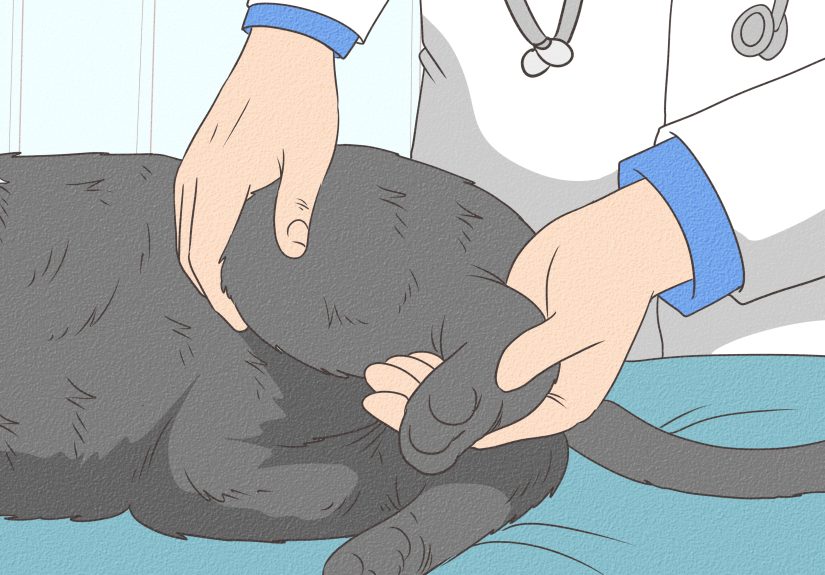
- Gently hold one paw and wipe the top, the pad, and between the toes if your cat allows it.
- Use a clean section of the cloth as it gets dirty.
- Dry the paw with a soft towel so moisture does not sit in the fur.
- Offer a treat and repeat with the next paw if your cat is still cooperative.
If your cat has long fur between the toes, take extra care to blot and separate the fur a little so damp litter does not stay packed there. You are not aiming for a showroom shine. You just want the feet clean, comfortable, and dry.
This method is also a smart first step after a cat has been outside in winter or on treated walkways. Even when products are marketed as pet-safe, paw pads can still become irritated, and cats may lick residues off later. A plain damp cloth is a good low-drama way to remove what should not stay there.
Way #2: Use Cat-Safe Grooming Wipes for Quick, Convenient Cleanup
Pet grooming wipes are the busy-person answer to dirty cat paws. They are handy near the litter box, by the door, or in a travel bag. The important phrase here is pet grooming wipes, not whatever random wipe is hiding in the kitchen drawer. Many human wipes contain fragrances, preservatives, or other ingredients that are not ideal for feline skin or grooming habits.
Best for:
- Quick cleanups after litter box mishaps
- Mild odor on the paws
- Post-walk touch-ups for harness-trained cats
- Allergen wipe-downs after outdoor time
How to do it
- Choose wipes specifically labeled for cats or for both dogs and cats.
- Take out one wipe and keep the container closed so the rest do not dry out.
- Wipe each paw gently, including the pads and the fur around them.
- If the wipe becomes visibly dirty, switch to a fresh one.
- Dry the paws lightly if they feel damp afterward.
Wipes are especially useful when the mess is gross but not severe. Think: slightly poopy paw, dusty paw, or “how did you get barbecue sauce on your foot when nobody served barbecue?” kind of paw. They are also nice for cats who hate water but tolerate brief handling.
That said, wipes are not magic. If your cat’s feet are muddy, sticky, or packed with debris, a wipe may just smear the mess around like a tiny cleaning-themed abstract painting. In those cases, move on to the third method.
Way #3: Do a Shallow Paw Rinse for Mud, Litter Clumps, or Sticky Messes
When a washcloth is not enough and a wipe is clearly outmatched, use a shallow paw rinse. This is not a full cat bath unless your cat has somehow rolled into catastrophe. It is simply a controlled rinse of the feet using lukewarm water and patience.
Best for:
- Muddy paws
- Clumped litter stuck between toes
- Sticky spills such as food or syrup
- Residue that needs more than surface wiping
How to do it
- Fill a shallow basin or sink with just enough lukewarm water to cover the paw pads.
- Place a towel or rubber mat beneath the paws if you can, since slippery surfaces make many cats panic.
- Dip one paw briefly and gently massage the pads and fur to loosen debris.
- Use your fingers or a soft cloth to work out litter clumps or sticky material.
- Rinse again with clean lukewarm water if needed.
- Dry the paw thoroughly with a towel before moving on.
If the mess truly requires a shampoo, use only a cat-safe product and rinse completely. Leftover soap is not your friend, because the cat will almost certainly lick it later. For everyday foot cleaning, though, plain lukewarm water is usually enough.
For substances such as paint, oil, antifreeze, bleach, fertilizer, tar, or unknown chemicals, do not play home chemist. Rinse what you safely can and call your veterinarian or a pet poison resource right away. The problem is not just skin irritation. Cats groom whatever lands on their paws, which can turn a foot mess into a much bigger problem.
How to Handle Litter, Fur, and Toe Tufts
Long-haired cats deserve a special mention because their feet can function like little static-charged dust mops. Fur between the toes can trap wet litter, small debris, and messes from the litter box. If your cat keeps getting gunk stuck there, careful trimming may help.
Use small rounded-tip scissors or ask your veterinarian or professional groomer to handle it if your cat is squirmy. Never rush this job. Cat skin is thin, and “I’ll just do a quick little snip” is exactly how people end up needing a bigger towel and a faster car ride.
Once the fur is neat, regular wipe-downs get easier. It can also make walking more comfortable if the paw fur has been matting, collecting litter, or making the cat slip on smooth floors.
When Dirty Paws Might Actually Mean Something Is Wrong
Sometimes a cat seems obsessed with cleaning its feet, and the issue is not that the feet are dirty. The issue is that something hurts or itches. Excessive paw licking can point to allergies, irritation, parasites, injury, pain, or a nail problem. A cat that suddenly hates paw handling may not be stubborn. The paw may simply be sore.
Contact your veterinarian if you notice:
- Limping or favoring one leg
- Swelling, redness, or heat in the paw
- Bleeding, pus, or a bad smell
- A torn, broken, or ingrown nail
- A cut, puncture, or foreign object you cannot remove safely
- Obsessive licking that keeps happening even after the paw is clean
- Raw skin, hair loss, scabs, or obvious pain
That is the moment to stop thinking in terms of “paw cleaning” and start thinking in terms of “paw problem.” Different category. Different plan.
Common Mistakes to Avoid
Using the wrong products
Human wipes, harsh soaps, and heavily scented cleaners are common mistakes. Cats groom themselves thoroughly, so whatever lands on the paws may be swallowed later.
Forcing the process
If your cat is panicking, the goal should shift from “finish every paw right now” to “make this less awful.” Short, calm sessions work better than full-contact drama.
Leaving paws damp
Moisture trapped in fur can make litter stick even more and may irritate sensitive skin. Always dry the paws well.
Ignoring the nails
When you clean the feet, glance at the claws too. Overgrown or damaged nails can make cats lick their paws more than usual.
Assuming it is only dirt
If your cat keeps focusing on one paw, something may be bothering it. Dirt leaves. Pain tends to stay.
Tips for Making Paw Cleaning Easier Over Time
Practice touching your cat’s paws when nothing needs to be cleaned. A gentle touch, a quick squeeze of the paw pad, a treat, and done. Repeat that often enough and your cat may decide paw handling is weird but tolerable, which is basically a glowing review in cat language.
Keep your setup consistent. Use the same towel, the same quiet location, and the same calm tone of voice. Cats like routines nearly as much as they like pretending they invented routines.
You can also prevent some dirty-paw problems by scooping the litter box often, using low-dust litter if appropriate, and wiping entryway floors if your cat comes in from outside or from a catio. Cleaner surfaces mean cleaner feet, and that means less work for everyone involved.
Real-Life Experiences: What Cleaning a Cat’s Feet Actually Feels Like at Home
If you have never cleaned a cat’s feet before, you might imagine something elegant and cooperative. Picture a serene owner, a fluffy cat, a folded towel, and soft music in the background. In reality, the experience usually falls somewhere between “mildly adorable” and “tiny, furry negotiations with a creature who thinks consent forms should be notarized.”
The first time many people clean their cat’s feet is after a litter box incident. Maybe the cat stepped in damp litter. Maybe a bit of stool got stuck to the back paw. Maybe the cat launched out of the box like a rocket and left little gray footprints across the floor, the sofa, and somehow one wall. That first cleanup teaches an important lesson: the faster you calmly deal with the paws, the less cleaning you will do elsewhere.
Another common experience happens after outdoor time. A leash-trained cat strolls around like a miniature tiger, then comes home with dusty paws and the confidence of an explorer who discovered a continent. You wipe one paw, and suddenly your cat looks at you as if you have personally insulted generations of felines. Two treats later, the mood improves. By paw number three, your cat is cautiously willing to continue. By paw number four, both of you deserve a snack.
Long-haired cats create their own special chapter in the paw-cleaning story. Owners often notice that the feet look fine until they do not. One day everything is normal; the next day there is a clump of litter the size of a small meteor hanging from the toe fur. You try a wipe. The wipe fails. You move to a damp cloth. Better. Then you realize the real hero was trimming the fur a little in the first place. Suddenly, future cleanups become faster, easier, and less theatrical.
Many cat owners also describe a turning point: the moment paw cleaning stops feeling like a battle and starts feeling like a routine. That shift usually happens because they stop rushing. They choose a quiet time. They handle the paws gently when there is no mess at all. They reward cooperation. They stop expecting perfection. And eventually the cat learns that a brief paw wipe does not mean doom, betrayal, or an unwanted bath.
There is also the emotional side of it. Cleaning your cat’s feet can be surprisingly reassuring because it gives you a chance to notice things early. A tiny splinter. A nail that looks too long. A paw pad that seems more tender than usual. What starts as housekeeping can turn into helpful observation. That is one reason regular grooming tasks matter. They are not just chores. They are little wellness check-ins disguised as cleanup.
And yes, sometimes the experience is still ridiculous. Sometimes the cat pulls the paw away with Oscar-worthy drama. Sometimes you clean one foot and the cat immediately sits down to rewash your work as if your standards were simply not up to code. But the overall pattern is worth it. Cleaner paws mean less grime around the house, less mystery residue in the fur, and fewer chances for your cat to lick something irritating off the pads later.
So if your own experience with cleaning cat feet feels awkward, messy, or mildly comedic, congratulations: you are doing normal cat ownership. Keep it gentle, keep it brief, keep the treats close, and remember that even a suspicious cat can learn that clean feet are not the end of the world. They are just another part of living with a tiny creature who is both immaculate and somehow always standing in the wrong thing.
Conclusion
Cleaning your cat’s feet is one of those small pet-care habits that pays off in big ways. The right method depends on the mess. A damp washcloth is perfect for light dirt. Cat-safe grooming wipes are great for quick cleanup. A shallow paw rinse works best for mud, sticky residue, or litter clumps that are really committed to the cause. No matter which method you use, the rules stay the same: be gentle, use cat-safe products, dry the paws well, and pay attention to signs that the issue is more than dirt.
Most cats do not need a daily paw-cleaning routine, but nearly every cat benefits from regular paw checks. Done calmly and consistently, those quick checks can keep your home cleaner, help your cat stay comfortable, and give you a better chance of catching irritation or injury early. In other words, this is less about giving your cat a pedicure and more about giving those hardworking little paws the backup they deserve.