Table of Contents >> Show >> Hide
- Before You Start: What Makes Great Mac and Cheese?
- Way #1: Classic Stovetop Macaroni and Cheese
- Way #2: Baked Macaroni and Cheese
- Way #3: One-Pot Macaroni and Cheese
- Which Method Is Best?
- Common Mistakes to Avoid
- Easy Add-Ins and Variations
- Serving Ideas
- Experiences from the Kitchen: What Making Mac and Cheese Really Feels Like
- Conclusion
Macaroni and cheese is proof that happiness can be served in a bowl. It is cozy, nostalgic, crowd-pleasing, and somehow still dramatic enough to start family debates about whether the top should be crispy, the sauce should be silky, or the cheese pull should look like it belongs in a slow-motion commercial. The good news is that there is no single correct way to make it. The better news is that there are several delicious ways to make it, depending on your mood, your schedule, and how many dishes you are willing to wash.
In this guide, you will learn three ways to make macaroni and cheese: a classic stovetop version, a baked version with a golden crust, and a one-pot version for busy nights when patience is in short supply and everyone is already asking, “Is dinner ready yet?” Along the way, we will cover the best cheeses, the biggest mistakes to avoid, and the small tricks that turn ordinary mac and cheese into something you will absolutely “accidentally” eat straight from the pan.
Before You Start: What Makes Great Mac and Cheese?
Before we dive into the three methods, let’s talk about the basics. Great homemade macaroni and cheese is all about balance. You want pasta that still has a little bite, a sauce that feels creamy instead of gluey, and cheese that tastes rich without turning greasy or stringy.
Choose the Right Pasta
Classic elbow macaroni is the obvious pick, and for good reason. Its curved shape holds sauce nicely and gives the dish that familiar comfort-food look. But small shells, cavatappi, and pipette also work beautifully if you want a more interesting texture. Whatever shape you choose, cook it just to al dente for stovetop mac and a little under for baked mac so it does not go soft and sad later.
Use Cheese That Melts Well
Sharp cheddar is the star in many recipes because it brings bold flavor, but it gets even better when paired with another melting cheese. Good partners include Monterey Jack, Gruyère, fontina, mozzarella, or even a small amount of American cheese for extra smoothness. The dream team is usually one cheese for flavor and one for meltability.
Skip the Pre-Shredded Cheese
Yes, pre-shredded cheese saves time. It also brings anti-caking powders to the party, and those powders are not especially interested in helping your sauce become smooth. Grating cheese from a block takes a few extra minutes, but the texture payoff is worth it. Think of it as the difference between wearing sneakers to a marathon and flip-flops to a construction site.
Season Thoughtfully
Salt matters, but so do small supporting players like black pepper, mustard powder, paprika, cayenne, and garlic powder. These ingredients do not make the dish spicy unless you go wild; they simply make the cheese taste more like itself. A tiny pinch of nutmeg can also add depth in baked versions.
Way #1: Classic Stovetop Macaroni and Cheese
If you want creamy, comforting, and fast, this is the method to know. Stovetop mac and cheese is ideal for weeknights because it comes together quickly and does not require turning on the oven. The sauce is typically made with a roux, which sounds fancy but is really just butter and flour cooked together before milk is added.
Why This Method Works
The stovetop version gives you maximum creaminess and minimum waiting. The sauce stays loose and glossy, and the pasta gets coated in cheesy goodness right away. It is perfect as a main dish for lunch or dinner, and it also works as a side for barbecue, roasted chicken, or a salad you are pretending makes the meal balanced.
How to Make It
Start by boiling your macaroni in salted water until al dente. Drain it and set it aside. In the same pot or a separate saucepan, melt butter over medium heat. Whisk in flour and cook for a minute or two, just until it smells a little nutty and no longer tastes raw. Slowly whisk in warm milk, adding it gradually so the mixture stays smooth. Let it simmer until slightly thickened.
Now reduce the heat and stir in your cheese a handful at a time. A mix of sharp cheddar and Monterey Jack is a reliable choice. Add a pinch of mustard powder, salt, pepper, and maybe a little paprika if you want warmth. Once the sauce is smooth, fold in the cooked macaroni and stir until every piece is coated.
Best for:
Busy weeknights, beginner cooks, and people who believe crunchy toppings are optional.
Pro Tips for Stovetop Success
Warm the milk before adding it to the roux so the sauce comes together more easily. Keep the heat low when adding cheese because high heat can make the sauce separate. If it gets too thick, add a splash of milk. If you want extra depth, stir in a spoonful of cream cheese or a tiny bit of Dijon mustard.
Way #2: Baked Macaroni and Cheese
If stovetop mac and cheese is the cozy sweater of comfort food, baked macaroni and cheese is the full holiday outfit. It is richer, heartier, and topped with that irresistible golden layer that makes people hover near the oven asking when it will be ready. This is the version for potlucks, Sunday dinners, and anyone who wants both creamy sauce and a little crunch.
Why This Method Works
Baking gives the dish texture contrast. The inside stays creamy, while the top gets browned and bubbly. This method also makes it easier to serve a crowd because you can build everything in a casserole dish and bring it straight to the table like the dinner hero you are.
How to Make It
Cook the pasta until just shy of al dente. This matters because the macaroni will keep cooking in the oven. Make a cheese sauce on the stovetop using butter, flour, milk, and your cheeses of choice. Cheddar and Gruyère make an especially rich combination, while Monterey Jack can keep things extra melty.
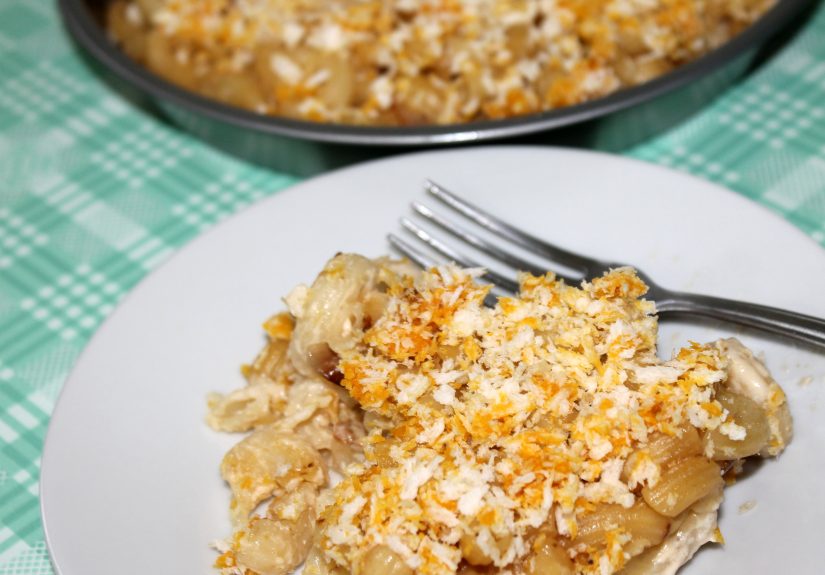
Mix the pasta with the sauce, then pour it into a buttered baking dish. For the topping, combine breadcrumbs or panko with melted butter and a little grated Parmesan. Sprinkle it over the top and bake until the edges are bubbling and the surface is golden brown.
Best for:
Family gatherings, holidays, make-ahead dinners, and anyone who wants their mac and cheese to arrive with a bit of drama.
Pro Tips for Baked Mac and Cheese
Do not overcook the pasta before baking. That is the fastest route to mush. Also, do not make the sauce too thick on the stove; it will continue to tighten in the oven. Let the dish rest for a few minutes after baking so the sauce settles slightly, but do not wait too long or it can lose some of its creaminess.
Way #3: One-Pot Macaroni and Cheese
This method is for the nights when you want easy mac and cheese without a sink full of dishes. One-pot mac and cheese is exactly what it sounds like: the pasta and sauce are made in the same pot. It is fast, practical, and ideal for people who want creamy results with less fuss.
Why This Method Works
Cooking the pasta in a smaller amount of liquid helps release starch, which adds body to the sauce. Many one-pot versions also rely on evaporated milk or a no-roux technique, creating a silky texture without needing a separate flour-based sauce. It is the culinary equivalent of finding out your favorite movie is also free to stream.
How to Make It
Add macaroni, water, and a little salt to a pot. Cook until the pasta is nearly tender and most of the liquid has reduced. Then stir in evaporated milk or a combination of milk and cream, followed by shredded cheese. Because the pasta starch is already in the pot, the sauce clings nicely to the noodles. A little cornstarch mixed with the cheese can help keep the sauce extra smooth if you want a more velvety finish.
This version is excellent with cheddar alone, but it also welcomes extras like smoked gouda, pepper jack, or a spoonful of cream cheese. Serve it right away, while it is hot and creamy.
Best for:
Weeknights, college kitchens, small apartments, and anyone who wants fewer steps between “I am hungry” and “pass me a fork.”
Pro Tips for One-Pot Success
Stir frequently near the end so the pasta does not stick. Add the cheese off the heat or over very low heat to avoid a broken sauce. If the mixture thickens too much as it sits, loosen it with a splash of milk before serving.
Which Method Is Best?
The honest answer is that the best macaroni and cheese recipe depends on what kind of meal you want.
Choose stovetop mac and cheese when you want classic creaminess and quick results. It is smooth, comforting, and dependable.
Choose baked mac and cheese when you want texture, a crowd-friendly dish, and that deeply comforting casserole feel.
Choose one-pot mac and cheese when convenience matters most and you still want a bowl that tastes homemade rather than straight from a blue cardboard time capsule.
Common Mistakes to Avoid
Using Only One Very Sharp, Dry Cheese
Flavorful cheese is important, but using only a very aged cheese can lead to a grainy sauce. Blend it with a smoother melting cheese for better texture.
Adding Cheese Over High Heat
Cheese does not appreciate being bullied. High heat can make it clump or turn oily, so lower the temperature before stirring it in.
Overbaking
Baked mac and cheese should be golden and bubbly, not dry enough to qualify as a building material. Pull it once the center is hot and the top is lightly crisp.
Underseasoning the Sauce
Pasta absorbs flavor, so the cheese sauce should taste slightly more seasoned than you think it needs to before everything is combined.
Easy Add-Ins and Variations
Once you master the three basic methods, the fun begins. Stir in crispy bacon, caramelized onions, roasted broccoli, pulled chicken, lobster, jalapeños, or sautéed mushrooms. Add hot sauce for a little kick, smoked paprika for warmth, or fresh herbs for brightness. You can even swap part of the cheese for smoked gouda or pepper jack when you want a different personality in the bowl.
For a slightly more grown-up version, try white cheddar and Gruyère with a breadcrumb topping. For a kid-friendly version, keep it simple with cheddar and a creamy texture. For the person in your house who treats every dish like a dare, add cayenne, chili crisp, or diced pickled jalapeños.
Serving Ideas
Macaroni and cheese can absolutely stand alone, but it also plays well with others. Serve it with roasted vegetables, fried chicken, barbecue ribs, tomato soup, grilled sausage, or a crisp green salad. Baked mac and cheese is a natural holiday side, while stovetop and one-pot versions are perfect for casual dinners and leftover lunches.
Experiences from the Kitchen: What Making Mac and Cheese Really Feels Like
There is something wonderfully personal about making macaroni and cheese. Almost everyone has a memory tied to it. Maybe it is the boxed version after school, maybe it is the baked casserole at Thanksgiving, or maybe it is the first meal you learned to cook without setting off a smoke alarm. Mac and cheese has range.
One of the most common experiences people have with homemade mac and cheese is the surprise of realizing it is both simple and strangely emotional. You start by boiling pasta and grating cheese, and suddenly you are thinking about your childhood, your grandmother’s casserole dish, or that one winter night when a bowl of something cheesy felt like therapy. It is not just dinner. It is edible comfort.
Another very real experience is discovering that texture is everything. The first time someone makes stovetop mac and cheese from scratch, there is usually a moment of panic. The sauce looks too thin, then too thick, then somehow perfect thirty seconds later. It teaches patience. It also teaches that cheese sauce has moods, and the cook’s job is to stay calm and keep whisking.
Baked mac and cheese brings a different kind of satisfaction. You slide the dish into the oven, wait for the bubbling edges, and then watch everyone magically appear in the kitchen as if summoned by cheese-based telepathy. The crispy topping gets all the attention, but the real magic is underneath, where the sauce settles into the pasta and turns the whole dish into something rich and generous.
Then there is the weeknight experience: one-pot mac and cheese. This is the version people make when time is short, dishes are already piled up, and nobody has the energy for a complicated recipe. It feels practical, but it still delivers that same “I made something good” satisfaction. It is especially beloved by students, busy parents, and anyone who has ever stared into the fridge at 6:42 p.m. hoping a meal would volunteer to cook itself.
People also learn quickly that macaroni and cheese invites experimentation. One cook adds smoked paprika and never looks back. Another mixes cheddar with Gruyère and suddenly starts using phrases like “nutty finish” at dinner. Someone else throws in broccoli to feel responsible. Another adds bacon because responsibility is overrated. This dish grows with the cook, and that is part of its charm.
Even the mistakes become part of the experience. Grainy sauce, overbaked corners, too much salt, not enough salt, breadcrumbs that got a little too enthusiastic under the broiler, all of it teaches something. In fact, a slightly flawed homemade mac and cheese often tastes better than a perfect one from a box because it still carries the personality of the person who made it.
That may be the best thing about macaroni and cheese: it is forgiving, familiar, and deeply human. You can make it fancy, fast, rustic, or ridiculously rich, and it still feels like home. And once you find your favorite method, whether it is stovetop, baked, or one-pot, you do not just have a recipe. You have a reliable little joy machine for future Tuesdays, holidays, cravings, and rainy days.
Conclusion
Learning how to make macaroni and cheese is really about learning what kind of comfort you want to serve. The stovetop method gives you silky speed, the baked method gives you crowd-pleasing texture, and the one-pot method gives you creamy convenience with minimal cleanup. Whichever path you choose, the keys are simple: cook the pasta carefully, use good melting cheese, season the sauce well, and serve it while it is gloriously hot. Once you nail the basics, macaroni and cheese stops being just a recipe and starts becoming one of the most useful, flexible, and beloved dishes in your kitchen.