Table of Contents >> Show >> Hide
- Introduction: The Cookie That Smells Like a Hug
- What Are Snickerdoodles?
- What Makes Snickerdoodles Different From Sugar Cookies?
- Classic Snickerdoodle Ingredients
- How to Make Snickerdoodles
- Pro Tips for Soft and Chewy Snickerdoodles
- Common Snickerdoodle Problems and How to Fix Them
- Delicious Snickerdoodle Variations
- How to Store Snickerdoodles
- What to Serve With Snickerdoodles
- Are Snickerdoodles Good for Holidays?
- Experience Notes: What Baking Snickerdoodles Teaches You
- Conclusion: Why Snickerdoodles Deserve a Permanent Place in Your Cookie Rotation
Note: This article is written for web publication in standard American English and synthesizes widely accepted baking knowledge from reputable U.S. recipe, culinary, and baking education sources without inserting source links.
Introduction: The Cookie That Smells Like a Hug
Snickerdoodles are the kind of cookie that can make a kitchen feel warmer before the oven timer even dings. They are soft, chewy, gently tangy, and rolled in cinnamon sugar like they are getting ready for a cozy winter photoshoot. At first glance, they may look like simple sugar cookies wearing a cinnamon coat, but one bite tells the truth: a proper snickerdoodle has personality.
The magic of classic snickerdoodles comes from a few small but powerful details. Cream of tartar gives them their signature tang and tender chew. Cinnamon sugar creates that crackly, fragrant outside. Butter, sugar, eggs, flour, and vanilla build the familiar cookie base, while the right baking time keeps the center soft instead of dry and crumbly. When done well, snickerdoodles are crisp at the edges, pillowy in the middle, and dramatic enough to make chocolate chip cookies glance nervously from across the dessert table.
Whether you are baking snickerdoodles for a holiday cookie tray, an after-school snack, a bake sale, or a Tuesday that needs emotional support, this guide covers everything: what makes snickerdoodles special, how to bake them, common mistakes, flavor variations, storage tips, and real kitchen experience that can help you get bakery-worthy results at home.
What Are Snickerdoodles?
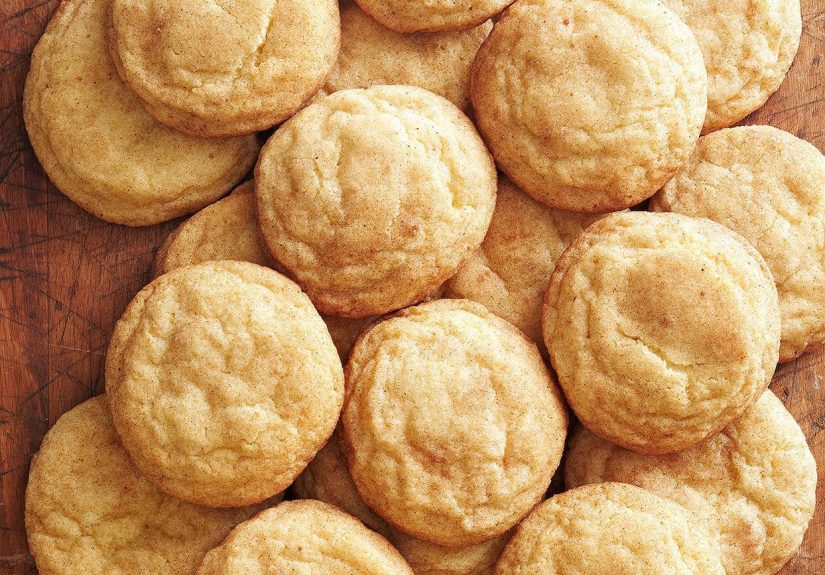
Snickerdoodles are soft, cinnamon-sugar-coated cookies made with a simple dough that traditionally includes cream of tartar and baking soda. The dough is rolled into balls, coated generously in cinnamon sugar, and baked until the cookies spread slightly and form a delicate, crinkled surface.
They are often compared to sugar cookies, but that comparison is a little unfair. Sugar cookies are sweet, buttery, and usually straightforward. Snickerdoodles bring an extra layer of flavor from cinnamon and a subtle tang from cream of tartar. That tang is what keeps them from tasting flat or overly sweet. It is the cookie equivalent of adding a pinch of salt to caramel: suddenly, everything tastes more alive.
Why the Name “Snickerdoodle”?
The origin of the word “snickerdoodle” is debated, and honestly, that mystery is part of the charm. Some food historians connect the name to German or Dutch baking traditions, while others believe it may simply be a whimsical New England-style cookie name. Either way, the word sounds like something invented by a cheerful person wearing an apron, and that is exactly the energy this cookie deserves.
What Makes Snickerdoodles Different From Sugar Cookies?
The biggest difference between snickerdoodles and sugar cookies is cream of tartar. In classic snickerdoodle recipes, cream of tartar works with baking soda to help the cookies rise and spread properly. It also adds that faint tangy flavor that separates a true snickerdoodle from a cinnamon-coated sugar cookie.
Texture is another key difference. Snickerdoodles are known for being soft and chewy with lightly crisp edges. Sugar cookies can be soft, crisp, cut-out, frosted, or decorated in many ways. Snickerdoodles are more specific: they should be tender, cinnamon-forward, and lightly crackled on top.
Classic Snickerdoodle Ingredients
A great snickerdoodle recipe does not require fancy ingredients. In fact, the ingredient list is beautifully ordinary. The skill is in balancing them correctly.
All-Purpose Flour
All-purpose flour gives snickerdoodles their structure. Too much flour can make the cookies dry and cakey, while too little can make them spread too much. For the best results, spoon flour into the measuring cup and level it off instead of scooping directly from the bag. Scooping can pack in extra flour, and extra flour is how cookies become tiny cinnamon-scented doorstops.
Butter
Butter gives snickerdoodles richness, flavor, and tenderness. Most classic recipes use softened unsalted butter so the salt level can be controlled. Some older recipes include shortening, which can create a thicker, softer cookie, but all-butter snickerdoodles offer better flavor.
Granulated Sugar
Granulated sugar sweetens the dough and helps create the classic snickerdoodle texture. It is also used with cinnamon for the coating. Some modern recipes add a little brown sugar for extra chew, but traditional snickerdoodles usually lean on white sugar.
Eggs
Eggs bind the dough and add moisture. They also help the cookies puff slightly in the oven. Room-temperature eggs mix more evenly into the dough, which can help with consistent texture.
Cream of Tartar
Cream of tartar is the not-so-secret secret. It is a powdered acid that reacts with baking soda, giving snickerdoodles lift and their classic tang. Without it, the cookies can still be tasty, but they will taste more like cinnamon sugar cookies than true snickerdoodles.
Baking Soda
Baking soda provides leavening when paired with cream of tartar. It helps the cookies rise, spread, and form that familiar crinkled top.
Salt
Salt balances sweetness and enhances flavor. A small amount makes the cinnamon and butter taste stronger. Skipping salt is like turning down the volume on the cookie.
Cinnamon Sugar
The coating is usually a simple blend of ground cinnamon and granulated sugar. A good ratio is about one tablespoon of cinnamon to three or four tablespoons of sugar, depending on how bold you like the cinnamon flavor. More cinnamon gives a stronger spice note; less cinnamon keeps the cookie sweeter and milder.
How to Make Snickerdoodles
Snickerdoodles are beginner-friendly, but they reward attention to detail. Here is a reliable method for soft, chewy cookies with crisp edges and a cozy cinnamon aroma.
Step 1: Cream the Butter and Sugar
Beat softened butter and granulated sugar together until the mixture looks light and fluffy. This step adds air to the dough, helping the cookies bake up tender instead of dense. Give it a couple of minutes; do not just wave the mixer at the bowl and call it a day.
Step 2: Add Eggs and Vanilla
Mix in the eggs one at a time, then add vanilla extract. Vanilla is not always the loudest flavor in snickerdoodles, but it rounds everything out and makes the cookie taste fuller.
Step 3: Combine the Dry Ingredients
In a separate bowl, whisk together flour, cream of tartar, baking soda, and salt. Whisking helps distribute the leavening evenly, so one cookie does not puff like a balloon while another sits there like a pancake with trust issues.
Step 4: Mix the Dough Gently
Add the dry ingredients to the wet ingredients and mix just until combined. Overmixing can develop too much gluten, leading to tougher cookies. Stop when you no longer see streaks of flour.
Step 5: Roll in Cinnamon Sugar
Scoop the dough into balls, then roll each one generously in cinnamon sugar. Do not be shy here. The coating is not decoration; it is part of the cookie’s identity. Place the dough balls on a lined baking sheet with enough space between them to spread.
Step 6: Bake Until Just Set
Bake snickerdoodles until the edges are set and the centers still look slightly soft. They will continue to firm up on the hot baking sheet after leaving the oven. If you wait until they look fully baked in the oven, they may become dry once cooled.
Step 7: Cool Before Serving
Let the cookies rest on the baking sheet for several minutes before transferring them to a wire rack. This helps them finish setting without breaking. Warm snickerdoodles are wonderful, but molten snickerdoodle collapse is less charming.
Pro Tips for Soft and Chewy Snickerdoodles
Use Cream of Tartar for Classic Flavor
If you want authentic snickerdoodles, use cream of tartar. Baking powder can work as a substitute in a pinch, but the flavor will be less tangy and less traditional.
Do Not Overbake
The most common snickerdoodle mistake is baking too long. Pull the cookies when the edges are set but the centers still look a little underdone. That soft center is where the magic lives.
Measure Flour Carefully
Too much flour can make snickerdoodles dry. If you have a kitchen scale, use it. If not, spoon and level the flour instead of packing it into the measuring cup.
Chill the Dough If It Feels Too Soft
Some snickerdoodle recipes require chilling; others do not. If your dough feels sticky, greasy, or difficult to roll, chill it for 20 to 30 minutes. This helps control spreading and makes shaping easier.
Refresh the Cinnamon Sugar
As you roll dough balls, the cinnamon sugar can get clumpy from moisture. Stir it occasionally or add a little extra sugar and cinnamon so every cookie gets an even coating.
Common Snickerdoodle Problems and How to Fix Them
Why Are My Snickerdoodles Flat?
Flat snickerdoodles can happen when the butter is too warm, the dough is too soft, or the baking soda is old. Chill the dough before baking and make sure your leavening ingredients are fresh. Also, avoid placing dough on a hot baking sheet, because that can melt the butter before the cookie has time to set.
Why Are My Snickerdoodles Dry?
Dry cookies usually come from too much flour or overbaking. Measure carefully and remove the cookies from the oven while the centers still look soft. Remember, cookies are sneaky. They keep baking after they leave the oven.
Why Did My Cookies Not Crackle?
A crackled surface comes from proper leavening, enough coating, and the right oven temperature. If the cookies stay smooth, check that your baking soda and cream of tartar are fresh. Rolling generously in cinnamon sugar also helps create that signature exterior.
Why Do My Snickerdoodles Taste Bland?
Bland snickerdoodles may need more salt, fresher cinnamon, or cream of tartar. Cinnamon loses strength over time, so if your jar has been in the pantry since the era of flip phones, it is time to replace it.
Delicious Snickerdoodle Variations
Pumpkin Snickerdoodles
Pumpkin snickerdoodles are perfect for fall. Pumpkin puree adds moisture, while pumpkin pie spice brings warm notes of ginger, nutmeg, and cloves. Because pumpkin adds extra liquid, these recipes often adjust the egg or flour to keep the texture chewy rather than cakey.
Brown Butter Snickerdoodles
Brown butter adds a nutty, toasted flavor that pairs beautifully with cinnamon. After browning the butter, let it cool until it is soft but not hot before mixing the dough. Hot butter can melt the sugar too quickly and change the texture.
Maple Snickerdoodles
A little maple extract or maple sugar can turn snickerdoodles into a cozy weekend cookie. The flavor is especially good with coffee, tea, or a glass of cold milk.
Chai Snickerdoodles
For a spiced twist, add cardamom, ginger, cloves, and a little black pepper to the cinnamon sugar. Chai snickerdoodles taste like a sweater weather playlist in cookie form.
Stuffed Snickerdoodles
For a bakery-style version, wrap the dough around a soft caramel or a small piece of cream cheese filling. Just be sure to seal the dough completely so the filling does not leak out during baking.
How to Store Snickerdoodles
Store cooled snickerdoodles in an airtight container at room temperature for up to several days. To keep them soft, place a small piece of bread in the container. The cookies will absorb moisture from the bread, which helps prevent them from drying out. Just do not forget the bread is there, or someone may mistake it for the saddest bonus snack ever.
You can also freeze baked snickerdoodles. Place them in a freezer-safe bag or container with parchment between layers. Thaw at room temperature before serving. For fresher results, freeze unbaked dough balls without the cinnamon sugar coating, then thaw slightly, roll in cinnamon sugar, and bake.
What to Serve With Snickerdoodles
Snickerdoodles are excellent with milk, coffee, hot chocolate, chai, or vanilla ice cream. They also make a great base for ice cream sandwiches because their chewy texture stays pleasant even when chilled. For a dessert board, pair them with brownies, gingersnaps, chocolate chip cookies, fruit, and small bowls of caramel sauce or whipped cream.
They are also a smart choice for gifting. Snickerdoodles travel well, look beautiful in cookie tins, and appeal to people who want something sweet but not overly rich. In a world full of triple-chocolate-peanut-butter-cookie-bomb desserts, a cinnamon sugar cookie can feel refreshingly classic.
Are Snickerdoodles Good for Holidays?
Absolutely. Snickerdoodles are especially popular during the fall and winter holidays because cinnamon feels festive without requiring complicated decorating. They fit neatly on Christmas cookie trays, Thanksgiving dessert tables, school party platters, and neighborhood cookie swaps. They are also less messy than frosted cookies, which is a blessing if children are involved and your furniture has not personally offended you.
Experience Notes: What Baking Snickerdoodles Teaches You
Baking snickerdoodles feels simple at first, but the cookie quietly teaches important baking lessons. The first lesson is that small ingredients matter. Cream of tartar does not look exciting. It is just a pale powder in a tiny jar, usually hiding behind the cinnamon. But once you bake with it, you understand why classic recipes keep calling for it. It changes the flavor and texture in a way that is hard to replace exactly. Without it, the cookie can still be delicious, but it loses that familiar snickerdoodle sparkle.
The second lesson is patience. Softened butter should be soft, not melted. Dough should be mixed, not beaten into submission. Cookies should be removed from the oven before they look completely done. Snickerdoodles reward bakers who pay attention instead of rushing. They are not difficult, but they do ask you to care.
One of the best experiences with snickerdoodles is rolling the dough in cinnamon sugar. It is the kind of step that makes baking feel hands-on and nostalgic. The dough balls look plain at first, then suddenly they become little cinnamon-covered promises. Kids love helping with this part, though “helping” may include coating the table, their sleeves, and possibly the family dog in sugar. Still, it is worth it.
Another lesson comes from the oven. Snickerdoodles puff, spread, crackle, and settle. Watching them bake is like seeing a tiny weather system develop on a cookie sheet. At first, the dough looks too round. Then the tops begin to wrinkle. The edges set. The centers stay soft. Pulling them at the right moment takes practice, but once you learn the visual cue, your cookies improve immediately.
Snickerdoodles are also forgiving enough for everyday baking. They do not require piping bags, frosting colors, candy thermometers, or emotional negotiations with yeast. If one batch spreads a little too much, it will probably still taste great. If the cinnamon sugar is uneven, the cookies look charmingly homemade. This is a cookie that lets you be human.
The most memorable snickerdoodle moments often happen after baking. A warm cookie on a plate can make a quiet afternoon feel special. A tin of homemade snickerdoodles can turn into a thoughtful gift. A batch cooling on the counter can bring people into the kitchen before you even announce that dessert is ready. The smell does the advertising for you.
In my experience, snickerdoodles are best when they are slightly underbaked, generously coated, and shared while still a little warm. They do not need a dramatic presentation. Stack them on a plate, pour something cozy to drink, and let the cinnamon do its job. The cookie may be humble, but it has excellent public relations.
Conclusion: Why Snickerdoodles Deserve a Permanent Place in Your Cookie Rotation
Snickerdoodles prove that a cookie does not need chocolate chunks, frosting, sprinkles, or a complicated origin story to be unforgettable. With a soft center, lightly crisp edge, cinnamon sugar coating, and subtle tang from cream of tartar, they deliver comfort in every bite. They are easy enough for beginner bakers, reliable enough for holidays, and charming enough to win over anyone who claims they are “not really a dessert person.” Suspicious claim, but snickerdoodles can handle it.
If you want a cookie that smells amazing, tastes nostalgic, and disappears from the plate faster than you planned, make snickerdoodles. Just measure the flour carefully, keep the cinnamon fresh, do not overbake, and remember: the cinnamon sugar coating is not optional. It is the outfit.