Table of Contents >> Show >> Hide
- Why Out-of-Touch Influencers Get Shamed Online
- 30 Influencer Moments So Out of Touch They Got Shamed
- 1. The “Free Wedding” Collaboration Ask
- 2. The Brand-New Car “Struggle” Post
- 3. The Disaster-Selfie Content Day
- 4. The “We’re All in This Together” Mansion Tour
- 5. The Tone-Deaf Brand Trip Flex
- 6. The “Hardest Job in the World” Rant
- 7. The “You Owe Me Free Stuff” DM
- 8. The “Relatable” Grocery Haul That Isn’t
- 9. The Staged “Random Acts of Kindness” Video
- 10. The Private Island During a Crisis
- 11. The Dangerous “Anything for the Shot” Stunt
- 12. The “I Don’t Read My DMs” Apology
- 13. The Copy-and-Paste “Authenticity” Trend
- 14. The “I’m Just Being Honest” Punching Down
- 15. The Fake Relatable Side Hustle
- 16. The “I’m Broke” Designer Closet Tour
- 17. The Sponsored “Healthy” Product That Isn’t
- 18. The Exploit-Your-Friends Prank Video
- 19. The “I Don’t Owe You Anything” Follow-Up
- 20. The “You’re All Just Haters” Response
- 21. The Ignored Global Context
- 22. The Performative Allyship Era
- 23. The “My Followers Are My Employees” Energy
- 24. The Over-Edited Reality Escape
- 25. The “Just Buy a House” Advice
- 26. The Exploitative Fan Interaction
- 27. The Tragedy Clickbait Thumbnail
- 28. The Pet-as-Prop Phase
- 29. The “Rules Don’t Apply to Me” Travel Vlog
- 30. The Non-Apology Apology
- What Online Shaming Reveals About Influencer Culture
- Real-Life Lessons from Out-of-Touch Influencers (Experience & Takeaways)
- Conclusion: Follow the Ones Who Still Live on Planet Earth
Influencer culture was supposed to make fame feel relatable. Instead, it sometimes gives us
people posing on cliff edges for content, asking small businesses for free stuff, or
complaining about how “exhausting” business-class flights are while half their audience is
checking gas prices. When influencers are this out of touch, the internet does what it does
best: screenshots, stitches, and very public shaming.
This roundup looks at the most common ways influencers get shamed online when they drift too
far from reality. To avoid turning this into a digital witch hunt, we’ll focus on behaviors
rather than dragging specific creators. Think of it as a user manual titled: “How Not To Lose
Your Audience in 10 Posts or Less.”
Why Out-of-Touch Influencers Get Shamed Online
Influencers sit in a strange space between celebrity and “person you could know from school.”
They’re supposed to be relatable, but many also live in a world of PR boxes, brand trips, and
carefully curated chaos. When that bubble gets too thick, the gap between their reality and a
follower’s reality becomes painfully obvious.
Online shaming usually shows up when three things collide:
- Privilege on display at the worst possible moment (economic crisis, natural disaster, pandemic).
- Entitlement toward others’ labor, especially small business owners and service workers.
- Performative “relatability” that is obviously staged, scripted, or downright fake.
Add a huge platform, screenshot culture, and a comment section that’s one bad take away from
going feral, and you’ve got the perfect recipe for viral public shaming. Sometimes, that
backlash is cruel and unnecessary. Other times, it’s more like a collective “Nope. Absolutely
not,” designed to remind influencers that the internet is not their personal kingdom.
30 Influencer Moments So Out of Touch They Got Shamed
Below are 30 types of out-of-touch influencer behavior that routinely get called out. If
you’re a creator, treat this as your “do not attempt” checklist.
1. The “Free Wedding” Collaboration Ask
An influencer emails a local venue, photographer, florist, cake baker, and DJ, offering
“exposure” instead of money. The businesses share the screenshots. The internet responds with:
“You can’t pay your rent in exposure, Madison.” It’s one of the most common genres of
backlash: luxury event, zero budget, and a very confident request for freebies.
2. The Brand-New Car “Struggle” Post
Someone films themselves crying in a luxury SUV about how “overwhelming” it is to pick the
right leather interior. Meanwhile, their comments are full of people who haven’t taken a
vacation in years. The problem isn’t owning a nice car; it’s packaging ordinary privilege as a
traumatizing burden.
3. The Disaster-Selfie Content Day
Whether it’s wildfires, floods, or protests, there’s always one influencer who treats real
human suffering as a dramatic backdrop for an outfit shot. When people are evacuating and an
influencer is posting “aesthetic smoke vibes,” the backlash is instant and intense.
4. The “We’re All in This Together” Mansion Tour
During tough economic times, some influencers sit in marble kitchens, telling followers that
“we’re all struggling” and suggesting “lighting a candle and manifesting abundance.” When the
camera accidentally pans over the indoor sauna and second kitchen, the illusion of shared
hardship dissolves very quickly.
5. The Tone-Deaf Brand Trip Flex
A group of influencers are flown business-class to a five-star resort for a makeup launch. In
the middle of layoffs, rent hikes, and grocery inflation, the content is non-stop “OMG the
champagne is unlimited!” Viewers aren’t necessarily mad that the trip exists; they’re mad that
brands and influencers pretend it’s aspirational instead of obviously out of reach.
6. The “Hardest Job in the World” Rant
An influencer goes on a 20-minute monologue about how content creation is “way harder” than
being a nurse, teacher, or construction worker. Instead of acknowledging that it’s a
privileged but demanding job, they erase everyone else’s grind. Cue stitched videos from
actual front-line workers saying, “Come again?”
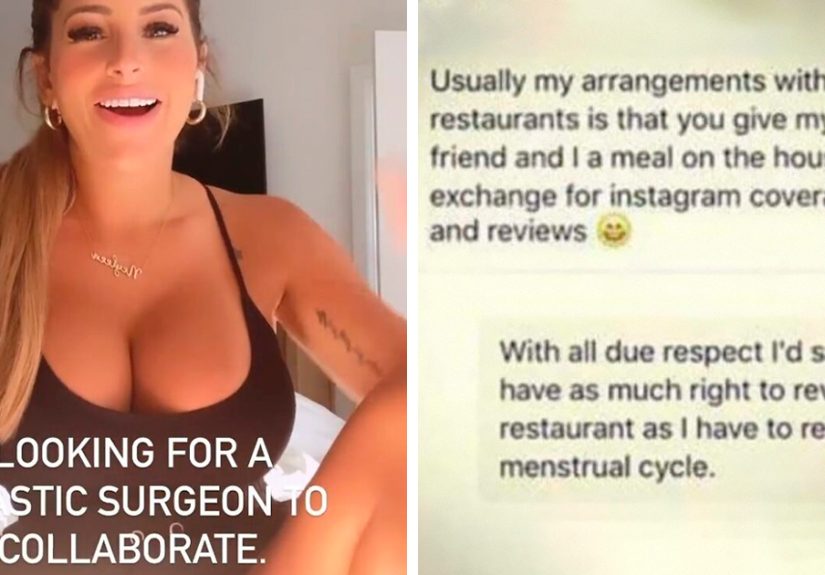
7. The “You Owe Me Free Stuff” DM
Influencers slide into a bakery’s DMs asking for custom cakes “in exchange for a shout-out.”
The owner politely declines. The influencer responds with, “You’ll regret this.” The owner
posts screenshots. The internet forms a protective circle around the bakery and leaves “I came
because of the drama, I stayed for the cupcakes” reviews.
8. The “Relatable” Grocery Haul That Isn’t
A creator films a “budget grocery haul” that includes imported berries, specialty ice cream,
and $8 bottled water. They slap “cheap and realistic!” in the caption. Followers in the
comments do the math and quickly realize the total cost rivals their rent.
9. The Staged “Random Acts of Kindness” Video
Influencers secretly arrange a scene where they tip a server with a huge wad of cashonly it’s
obvious the server is a friend or actor. When the video is exposed as staged, viewers feel
manipulated. Instead of genuine kindness, it comes off as clout-chasing charity.
10. The Private Island During a Crisis
Few things enrage the internet like watching a group of wealthy influencers escape to a
private island during a pandemic or global emergency, then post about “feeling humbled.” The
optics of “we pretended things were normal here” while the world burns are… not ideal.
11. The Dangerous “Anything for the Shot” Stunt
Hanging off moving trains, standing on cliff edges, posing in the middle of busy roadssome
influencers treat safety signs as suggestions. When emergency services have to respond or
onlookers complain, those photos turn into evidence of reckless behavior, not #wanderlust.
12. The “I Don’t Read My DMs” Apology
After offending an entire community, an influencer posts an apology that’s essentially: “I
didn’t know because I don’t have time to read feedback.” The internet, which had already
written paragraphs explaining the issue, does not appreciate being collectively left on read.
13. The Copy-and-Paste “Authenticity” Trend
Multiple influencers upload nearly identical “candid” posts: messy bun, oversized sweater,
long caption about being vulnerable. The only real emotion is frustration from followers who
realize that even authenticity has become formula content.
14. The “I’m Just Being Honest” Punching Down
An influencer calls entire groups of people “lazy,” “jealous,” or “broke” in the name of
“tough love.” When called out, they hide behind “I’m just telling it like it is,” ignoring the
fact that their entire brand is built on monetizing those very people’s attention.
15. The Fake Relatable Side Hustle
A creator posts, “Anyone can do what I did if you just try!” Their “side hustle” success turns
out to be built on a rich partner, a family house, and not having to pay rent. Viewers who
work multiple jobs understandably don’t love being told they “just don’t want it badly
enough.”
16. The “I’m Broke” Designer Closet Tour
Some influencers claim they’re “basically broke” while standing in a wall-to-wall designer
closet. Followers living paycheck to paycheck feel gaslit: if this is broke, what word is left
for everyone else?
17. The Sponsored “Healthy” Product That Isn’t
From sugar-loaded “wellness” drinks to detox teas that are basically laxatives, influencers
sometimes promote products wildly out of step with basic health advice. When viewers fact-check
the claims, backlash hits fastespecially if their audience includes teens.
18. The Exploit-Your-Friends Prank Video
“Prank” content that involves shaming, humiliating, or scaring friends and partners tends to
age like milk. What feels “hilarious” to the creator gets read as bullying by everyone else,
and the internet sides with the unsuspecting friend, not the prankster.
19. The “I Don’t Owe You Anything” Follow-Up
After a backlash, some influencers triple down: “If you don’t like it, unfollow.” Which would
be fineexcept they also ask those same people to use their affiliate links, join their paid
community, and buy their merch. You can’t demand support and reject accountability at the same
time.
20. The “You’re All Just Haters” Response
Not everyone offering criticism is a hater. When influencers instantly label any pushback as
jealousy, they show they’re more interested in ego protection than growth. Audiences usually
notice, screenshot, and move right along to someone humbler.
21. The Ignored Global Context
A lavish haul, luxury renovation, or massive shopping spree isn’t automatically offensive. But
posting tone-deaf flex content while major global tragedies are unfoldingand pretending
nothing is happeningcan feel like emotional whiplash to viewers.
22. The Performative Allyship Era
During social justice movements, some influencers posted a black square, a single hashtag, and
then went straight back to brunch content. When followers asked about concrete action or
donations, the silence said more than any caption could.
23. The “My Followers Are My Employees” Energy
Influencers who expect followers to constantly promote them, defend them, and report negative
comments start to treat their audience like unpaid staff. Eventually, people realize they are
literally doing free PRand they quit the job they never signed up for.
24. The Over-Edited Reality Escape
When influencers edit themselves into unrecognizable cartoon characters, it doesn’t just harm
themit warps followers’ sense of normal. As more people learn to spot heavy filters, the
backlash often focuses on honesty: “If you don’t even look like this, why are you selling me
this lifestyle?”
25. The “Just Buy a House” Advice
“Stop wasting money on rent and just buy a house,” says the influencer whose parents gifted
them a down payment and a pristine credit score. For people buried under student loans, that
sentence sounds less like advice and more like satire.
26. The Exploitative Fan Interaction
Some creators charge wild amounts for “personal” video messages, replies, or private DM access.
When fans realize the influencer is automating or outsourcing those interactions, the sense of
betrayal leads to very loud call-outs.
27. The Tragedy Clickbait Thumbnail
Using global tragedies, missing persons, or disasters as clickbait for “story time” videos is
one of the fastest ways to earn online shame. There’s a difference between raising awareness
and milking heartbreak for views.
28. The Pet-as-Prop Phase
When influencers treat animals purely as content accessoriesconstantly dressed up, passed
around, or clearly stressed on cameraviewers notice. Pet owners in the comments do not hold
back, and animal welfare communities mobilize quickly.
29. The “Rules Don’t Apply to Me” Travel Vlog
Ignoring local rules, filming in forbidden locations, or disrespecting cultural sites for a
dramatic shot tends to backfire. Locals, tourists, and historians alike unite to say, “No, you
cannot climb that.”
30. The Non-Apology Apology
Finally, we reach the classic: “I’m sorry if you were offended.” It’s the influencer version
of “I’m not mad, just disappointed”except the audience is mad, and the disappointment is
that the creator still doesn’t get it. Real accountability means naming the harm, not just the
backlash.
What Online Shaming Reveals About Influencer Culture
Public shaming isn’t new. Stocks in the town square walked so quote-tweet dunks could run. But
the digital version has its own dynamics: a misstep can go global in minutes, and the line
between fair criticism and mob pile-on can blur quickly.
On the plus side, calling out out-of-touch behavior can:
- Push influencers to disclose sponsorships and paid partnerships more transparently.
- Encourage brands to think twice about tone-deaf campaigns and over-the-top trips.
- Reward creators who are genuinely honest, grounded, and respectful of their audiences.
On the downside, shaming can spiral into harassment, dogpiling, and long-term reputational
damage even after someone has apologized and changed. That’s why more researchers and ethicists
urge us to distinguish between accountability and cruelty. You can criticize behavior without
trying to destroy a person’s entire life.
Real-Life Lessons from Out-of-Touch Influencers (Experience & Takeaways)
So what can we actually learn from all these wildly out-of-touch influencer momentsbeyond the
joy of a well-timed reaction meme?
First, they’ve trained audiences to read between the lines. People are more media-savvy than
ever. They know when a “random” vacation is a brand trip, when a “this isn’t sponsored” video
is actually a paid partnership, and when a teary apology is timed to coincide with a new
launch. Every time an influencer gets shamed for hiding the ball, it nudges the whole industry
toward clearer labels and better disclosure.
Second, they’ve reshaped what we think “influence” should look like. A few years ago, you
could grow fast by flexing luxury for the sake of flexing luxury. Now, more followers want
creators who understand context. A skincare influencer who says, “This product is pricey; don’t
buy it if it doesn’t fit your budgethere are cheaper options,” is far more likely to be
celebrated than someone who implies you’re failing at life without a $200 serum.
Third, these call-outs have quietly raised the bar for creators who treat their platforms like
businesses. Influencers who survive backlash tend to be the ones who:
- Listen to criticism without instantly dismissing it as “hate.”
- Apologize specifically, not vaguely.
- Change their behavior instead of pivoting to victim mode.
From a brand perspective, the viral shaming of out-of-touch influencers has also changed
partnership strategy. Marketers now actively look for creators whose values match their target
customers. A flashy follower count is no longer enough; teams scan past controversies, tone,
and how an influencer responds when things go wrong. No brand wants to launch a product and
trend on Twitter because their spokesperson posted a vacation haul captioned “the poor can
never relate.”
For everyday viewers, these stories serve as ongoing media literacy lessons. They remind us
that:
- We see a highlight reel, not the full picture.
- We’re allowed to unfollow people who make us feel inferior, pressured, or constantly sold to.
- We have power; every view, like, and share is a tiny “vote” for the kind of content that thrives.
Finally, there’s a personal mental-health angle. Watching out-of-touch influencers used to
leave many people feeling quietly miserable: Why is my life so different? Why don’t I have a
walk-in pantry full of color-coordinated snacks? Public shamingwhen it stays focused on
calling out behavior, not destroying peoplehas helped many users reframe those feelings.
Instead of internalizing “I’m failing,” they’re more likely to think, “This content is fake,
curated, or insensitive. I don’t need to measure myself against it.”
In that sense, the internet’s intolerance for ultra-entitled influencer behavior can be oddly
healthy. It re-centers the idea that the most interesting people online are not always the
richest, the flashiest, or the most dramatic. They’re often the ones who remember what it’s
like to live in the real worldand treat their audience accordingly.
Conclusion: Follow the Ones Who Still Live on Planet Earth
Out-of-touch influencers will probably always exist. As long as there are cameras, brand
deals, and people willing to watch, someone will try to turn every life moment into monetized
content. But the days when audiences mindlessly accepted every tone-deaf flex are over.
The good news? You get to choose who you reward with your attention. Follow creators who say
“I messed up” instead of “you’re all haters,” who know the difference between inspiration and
intimidation, and who understand that visibility comes with responsibility.
And if you ever find yourself tempted to ask a local bakery for a three-tier wedding cake in
exchange for “exposure,” consider this article your gentle, preemptive public shaming. Pay
people. Tip well. Stay grounded. The internet is always watchingand it has receipts.