Table of Contents >> Show >> Hide
- Why This Cabbage Casserole Works
- Ingredients
- Step-by-Step: Vegetarian Cabbage and Cheese Casserole Bake
- Pro Tips for a Not-Watery, Extra-Creamy Casserole
- Easy Variations (So You Can Make It Again Without Feeling Like You’re “Repeating Meals”)
- What to Serve With Vegetarian Cabbage and Cheese Casserole
- Make-Ahead, Storage, and Reheating
- Nutrition Snapshot and Dietary Notes
- FAQ
- Real-World Experiences: The Stuff You Learn After the First Bake
- SEO Tags
Cabbage doesn’t get invited to enough parties. It’s affordable, it lasts forever in the crisper drawer, and when you bake it with a cozy cheese sauce,
it turns sweet, mellow, and borderline fancy. This vegetarian cabbage and cheese casserole bake is the kind of comfort food that makes people ask,
“Wait… this is cabbage?”
In this guide, you’ll get an in-depth, foolproof recipe (plus the “why” behind each step), smart ingredient swaps, and real-world cooking notes so your
casserole comes out bubbling, browned, and gloriously not-watery.
Why This Cabbage Casserole Works
A great cabbage casserole has two superpowers: (1) it tames cabbage’s moisture, and (2) it builds flavor in layers so the final dish tastes rich instead of
“steamed vegetable in a blanket.” Here’s the game plan:
- Moisture control: We roast (or quick-sauté) the cabbage so excess water cooks off before it meets the sauce.
- A sauce that behaves: A simple roux-based cheese sauce stays creamy and clings to cabbage instead of pooling at the bottom.
- Cheese strategy: We combine a bold cheese for flavor (cheddar) with a smooth melter for texture (Gruyère, fontina, or mozzarella).
- Crunch on top: A buttery breadcrumb-Parmesan lid gives you that golden, “I meant to do that” finish.
Think of it as mac and cheese’s sensible cousin who shops sales, eats vegetables, and still knows how to have fun.
Ingredients
This recipe makes one 9×13-inch casserole (about 6 to 8 servings as a side, or 4 to 6 as a main).
For the cabbage
- 1 large head green cabbage (about 2 to 2 1/2 lb) or 2 small heads, cored and sliced into 1/2-inch ribbons
- 1 large yellow onion, thinly sliced
- 3 cloves garlic, minced
- 2 tbsp olive oil (or 2 tbsp butter, or a mix)
- 1 1/2 tsp kosher salt, divided (plus more to taste)
- 1/2 tsp black pepper
For the cheese sauce
- 4 tbsp unsalted butter
- 3 tbsp all-purpose flour
- 2 cups whole milk (or 1 1/2 cups milk + 1/2 cup half-and-half for extra richness)
- 1 tsp Dijon mustard (optional but highly recommended)
- 1/4 tsp ground nutmeg (optional; adds “gratin energy”)
- 2 1/2 cups shredded cheese (about 10 oz total), freshly shredded if possible:
- 1 1/2 cups sharp cheddar
- 1 cup Gruyère (or fontina, gouda, Monterey Jack, or low-moisture mozzarella)
For the topping
- 3/4 cup panko breadcrumbs (or crushed buttery crackers for a nostalgic vibe)
- 1/2 cup finely grated Parmesan
- 2 tbsp melted butter or olive oil
- 1 tbsp chopped parsley or chives (optional)
Optional add-ins (choose 1 to keep it balanced)
- 8 oz sliced mushrooms, sautéed until browned (adds deep savory flavor)
- 1 (15-oz) can cannellini beans, drained and rinsed (adds protein and creaminess)
- 1 cup frozen peas (stir in right before baking)
- 1/2 tsp smoked paprika or chili flakes (adds warmth and personality)
Step-by-Step: Vegetarian Cabbage and Cheese Casserole Bake
1) Heat the oven and prep the pan
Preheat oven to 400°F. Lightly butter or oil a 9×13-inch baking dish.
(If you prefer a softer top and shorter bake, use 375°F; see the timing note below.)
2) Roast the cabbage to drive off moisture
Toss cabbage ribbons, onion, and garlic with olive oil, 1 tsp salt, and pepper. Spread on two sheet pans (crowding = steaming).
Roast for 18 to 22 minutes, tossing once halfway through, until the cabbage is wilted with a few browned edges.
Quick alternative: If sheet pans are occupied (or you hate doing dishes with a passion), sauté the cabbage/onion in a large Dutch oven
over medium-high heat for 10 to 12 minutes until it softens and most liquid evaporates.
3) Make the cheese sauce (aka the casserole’s love language)
In a medium saucepan, melt butter over medium heat. Whisk in flour and cook for 60 to 90 seconds (it should smell slightly nutty, not toasted).
Slowly whisk in milk. Add Dijon and nutmeg if using. Simmer, whisking often, for 3 to 5 minutes until the sauce thickens enough to coat a spoon.
Turn heat to low. Add the shredded cheeses a handful at a time, whisking until smooth. Taste and season with remaining 1/2 tsp salt
(or as needed). If the sauce seems too thick, whisk in a splash of milk. If it seems thin, give it another minute on the stovepatience, grasshopper.
4) Combine, assemble, and top
Add roasted (or sautéed) cabbage mixture to the baking dish. Pour cheese sauce over and fold gently to coat. Stir in any optional add-ins now.
In a small bowl, mix panko, Parmesan, melted butter (or olive oil), and herbs. Sprinkle evenly over the casserole.
5) Bake until bubbly and bronzed
Bake at 375°F for 20 to 25 minutes (or keep the oven at 400°F and bake 15 to 20 minutes),
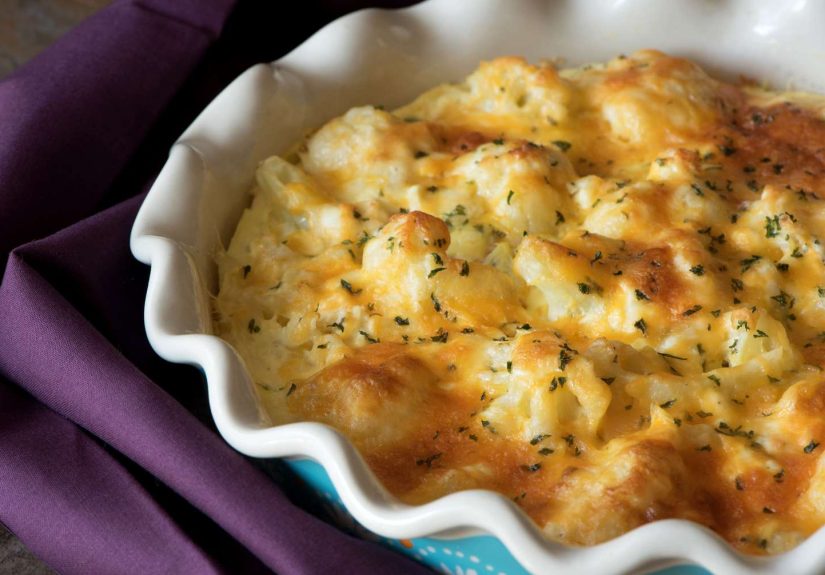
until the edges bubble and the top is golden. If you want extra browning, broil for 1 to 2 minutesbut don’t walk away.
Broilers are basically tiny dragons.
6) Rest (yes, really)
Let the casserole rest for 10 minutes before serving. This helps the sauce settle and thicken so you get slices instead of a delicious landslide.
Pro Tips for a Not-Watery, Extra-Creamy Casserole
Pick your moisture-control method
- Roast (best flavor): Browning = sweetness + less water.
- Sauté (fastest): Great when you want a one-pan vibe.
- Salt-and-drain (extra insurance): If your cabbage seems especially juicy, toss sliced cabbage with salt, rest 10 minutes, then pat dry.
Grate your own cheese if you can
Pre-shredded cheese is convenient, but it often contains anti-caking agents that can affect melt and sauce texture. Freshly shredded cheese usually melts
smoother and tastes better. If you’re using bagged cheese anyway (no judgment), add it slowly and keep the heat low.
Use a “flavor backbone” so it doesn’t taste flat
Dijon mustard and nutmeg sound fancy, but they’re doing real work: mustard sharpens the sauce, nutmeg adds warmth, and both make cabbage taste more “gratin”
and less “Tuesday vegetable.”
Don’t skip the rest time
Right out of the oven, everything is excited and bubbly. A short rest lets the sauce thicken and the casserole cut cleanlylike giving your dinner a moment
to compose itself before meeting company.
Easy Variations (So You Can Make It Again Without Feeling Like You’re “Repeating Meals”)
Make it a main dish
- White bean upgrade: Fold in 1 can cannellini beans for more protein and a creamy bite.
- Mushroom boost: Brown mushrooms deeply first for a “meaty” savoriness without the meat.
- Potato-cabbage bake: Add 2 cups thin-sliced parboiled potatoes (or leftover roasted potatoes) for extra heartiness.
Make it lighter (but still enjoyable)
- Use 2% milk and reduce cheese by 1/2 cup (swap in more herbs for flavor).
- Add a squeeze of lemon at the end to brighten the richness.
Make it gluten-free
- Swap flour for a gluten-free 1:1 blend in the roux.
- Use gluten-free panko (or crushed gluten-free crackers) for the topping.
Make it spicy
- Add diced jalapeño (fresh or pickled) or a pinch of cayenne to the sauce.
- Use pepper Jack for part of the cheese blend.
What to Serve With Vegetarian Cabbage and Cheese Casserole
This casserole plays well with others. A few easy pairings:
- Fresh + crunchy: arugula salad with lemon vinaigrette, sliced apples, toasted walnuts
- Cozy carbs: crusty bread, garlic knots, or a baked potato
- Protein (still vegetarian): roasted chickpeas, lentil salad, or a simple fried egg on top
- Holiday side energy: serve alongside roasted vegetables and a tangy cranberry relish
Make-Ahead, Storage, and Reheating
Make ahead
- Option A (best texture): Roast/sauté cabbage and make sauce up to 2 days ahead. Assemble and top right before baking.
- Option B (most convenient): Assemble fully, cover, and refrigerate up to 24 hours. Add 5 to 10 minutes to bake time.
Store
Cool completely, then refrigerate in an airtight container for up to 4 days.
Reheat
- Oven (best): 350°F for 15 to 20 minutes, covered with foil; uncover the last 5 minutes to re-crisp the top.
- Microwave (fast): Works, but the topping softens. If you care about crunch, finish it under a broiler for a minute.
Nutrition Snapshot and Dietary Notes
Cabbage is naturally low in calories and provides fiber and vitamin C, while the cheese sauce contributes protein and calcium. The exact nutrition depends
on your cheese and milk choices, but this dish is easy to adjust: reduce cheese slightly for a lighter bake, or add beans for a more filling vegetarian main.
If you’re sensitive to cruciferous veggies, cooking cabbage thoroughly (like we do here) can make it easier to digest than raw slaw.
FAQ
Can I use red cabbage?
You can, but expect a color shift. Red cabbage can tint the sauce purplish-gray (not dangerousjust… artistically challenging).
For classic “golden and creamy” vibes, use green or Savoy.
What’s the best cheese combo?
A reliable formula is one bold cheese + one smooth melter. Sharp cheddar brings punch; Gruyère, fontina, gouda, or mozzarella brings silky melt.
Parmesan shines best in the topping for salty, crisp browning.
Why is my casserole watery?
Usually it’s one of three things: cabbage wasn’t cooked down enough, the pan was crowded (steamed instead of roasted), or the casserole didn’t rest long enough.
Next time, roast on two pans and give it a full 10-minute rest before slicing.
Can I freeze it?
You can, but creamy sauces can change texture after freezing. If you do freeze, wrap well and thaw overnight in the fridge. Reheat covered at 350°F until hot,
then uncover to crisp the top. Expect “very good” rather than “freshly baked perfection.”
Can I make it without breadcrumbs?
Yes. Try crushed crackers, cornflake crumbs, or even a layer of thin-sliced potatoes. You can also top with extra cheese and broil briefly for a bubbly finish.
Real-World Experiences: The Stuff You Learn After the First Bake
Let’s talk about what actually happens in real kitchenswhere the smoke detector is dramatic, the cheese grater disappears when you need it, and the cabbage
you bought “for one recipe” somehow multiplies into three heads overnight.
Experience #1: The Great Cabbage Water Surprise. Many people expect cabbage to behave like pasta: boil it, drain it, done. But cabbage is more
like a sponge with opinions. It holds onto water, then releases it the moment you add something creamy. That’s why roasting (or a longer sauté) matters.
If you’ve ever pulled a casserole out of the oven and found a mysterious “lagoon” around the edges, it’s not your oven being hauntedyour cabbage simply
didn’t get enough time to evaporate its extra moisture before meeting the sauce.
Experience #2: The Top Is Perfect… and the Middle Is Still Sorting Itself Out. Casseroles lie a little. The top browns early, which makes you
think everything is ready. Meanwhile, the center is still bubbling, thickening, and becoming the cohesive, sliceable dish you want. The fix is delightfully
boring: bake until you see bubbling at the edges and the center, then let it rest. That rest time is not optionalit’s the difference between
“scoopable comfort food” and “restaurant-worthy squares.”
Experience #3: Pre-shredded cheese works… until it doesn’t. On weeknights, bagged shredded cheese can feel like a gift. But if your sauce ever
turns slightly grainy or clumpy, the usual culprit is high heat plus cheese that isn’t melting cleanly. Keeping the heat low and adding cheese gradually helps.
If you want the smoothest, most luxurious sauce, take the extra minute to shred a block. It’s one of those tiny efforts that makes your casserole taste like
you had a plan all along.
Experience #4: The “I want it to taste like something” moment. Cabbage is mild, which is great for versatilitybut it also means the dish can
taste flat if seasoning is timid. Many home cooks find the casserole “good but missing a spark” the first time. The solution usually isn’t more cheese
(although cheese is always emotionally supportive). It’s a flavor backbone: Dijon, a pinch of nutmeg, enough salt, and a little brightness at the end
(lemon juice, chives, or even a few pickled jalapeños if you like tang). These small moves stop the casserole from tasting one-note.
Experience #5: Leftovers are secretly the best part. This dish often tastes even better the next day because the flavors settle and mingle.
The cabbage becomes softer and sweeter, and the sauce thickens slightly. If you’re reheating, the only “risk” is losing that crunchy topso try warming it
in the oven and uncovering it near the end. You’ll revive the crispness without drying out the inside.
Experience #6: It’s a choose-your-own-adventure casserole. Once you’ve made the base recipe, people tend to customize based on mood and pantry:
mushrooms when you want savory depth, cannellini beans when you want it to be a full meal, peas when you need a pop of green, smoked paprika when you want
cozy warmth, or pepper Jack when you want a little drama. The trick is to keep the balance: if you add a lot of extras, you may need a splash more milk
to keep the sauce generous. If you add watery vegetables (like zucchini), pre-cook them first.
Experience #7: Serving it to skeptics is extremely satisfying. If someone claims they “don’t like cabbage,” this is the recipe to deploy.
Baked cabbage doesn’t taste like raw cabbage. It turns sweet, soft, and almost buttery, especially when paired with browned edges and a creamy sauce.
The most common reaction is a confused pause followed by, “Okay… this is actually good.” Which is the culinary version of a standing ovation.
Bottom line: this casserole is forgiving, flexible, and a genuinely smart way to turn a humble vegetable into comfort food that feels special. Control the
moisture, build flavor in layers, rest before slicing, and you’ll end up with a bake that earns repeat requestswhether it’s a weeknight dinner, a potluck,
or your personal “I need something cozy” emergency plan.