Table of Contents >> Show >> Hide
- Quick Take: Our Top Picks at a Glance
- How We Chose These Lumbar Support Pillows
- How to Choose the Right Lumbar Support Pillow
- The 5 Best Lumbar Support Pillows
- 1) Tempur-Pedic LumbarCushion (Home & Office) Best Premium Pick
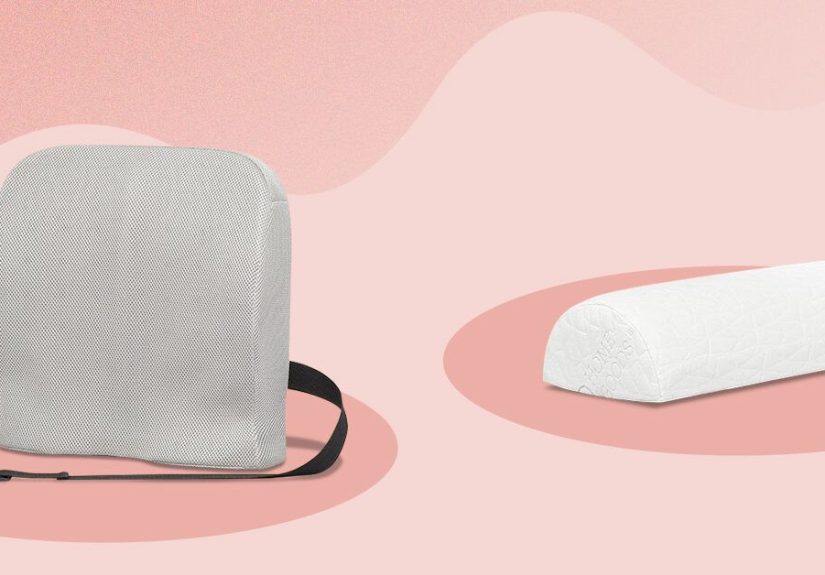
- 2) OPTP Original McKenzie Lumbar Roll Best Minimalist Roll
- 3) Cushion Lab Ergonomic Lumbar Pillow Best Structured, Multi-Zone Support
- 4) ComfiLife Lumbar Support Back Pillow Best Breathable Everyday Pick
- 5) Everlasting Comfort Lumbar Support Pillow Best Budget-Friendly All-Rounder
- How to Position a Lumbar Support Pillow (So It Actually Works)
- Common Mistakes That Make a Great Pillow Feel Useless
- of Real-World “Seat Time” Experiences
- Experience #1: The “Wait, I can sit back?” moment
- Experience #2: The first week is an adjustment (and that’s normal)
- Experience #3: Car commutes feel less drainingif the pillow fits the seat
- Experience #4: You start noticing the rest of your ergonomics
- Experience #5: The “less fidgeting” effect
- Experience #6: The pillow becomes a habit… and then a travel item
- Final Thoughts
If you sit a lot (desk job, long commutes, gaming marathons, “just one more episode” on the couch), your lower back is basically
starring in a daily reality show called Where Did My Good Posture Go? The good news: a quality lumbar support pillow can help
fill the gap between your spine’s natural curve and a chair that was designed by someone who apparently hates humans.
A solid lumbar cushion won’t magically “fix” everything, but it can make sitting more comfortable, encourage a healthier position,
and reduce that creeping slouch that turns your workday into a pretzel audition. Below are five of the best lumbar support pillows
you can buy in the U.S. right nowplus how to choose one, how to place it, and what people typically experience after adding one to
their setup.
Heads-up: If you have severe, persistent, or worsening back pain (or numbness/tingling), talk with a healthcare professional.
Quick Take: Our Top Picks at a Glance
These picks cover the most common “sitting situations”: office chairs, cars, couches, and the universal problem of “my chair’s lumbar
support is technically there… in spirit.”
| Pick | Best For | Feel | Attachment | Why It’s Here |
|---|---|---|---|---|
| Tempur-Pedic LumbarCushion (Home & Office) | Premium comfort + long sitting days | Supportive, contouring | No strap (rests in place) | High-quality foam and a simple, ergonomic shape |
| OPTP Original McKenzie Lumbar Roll | Minimal, posture-focused support | Firm, “roll” style | Strap | Classic lumbar roll design that’s easy to position |
| Cushion Lab Ergonomic Lumbar Pillow | Firm, structured, multi-zone support | Dense and supportive | Varies by model (commonly strap or stable base) | More “designed” shape for people who want structure |
| ComfiLife Lumbar Support Back Pillow | Breathable, everyday office/car use | Medium-firm memory foam | Strap | Cooling cover + practical sizing for many chairs |
| Everlasting Comfort Lumbar Support Pillow | Budget-friendly all-rounder | Adaptive memory foam | Dual straps | Easy to secure + travel-friendly “move it anywhere” vibe |
How We Chose These Lumbar Support Pillows
“Best” depends on your body, your chair, and your daily sit-time (yes, that’s a word now). To keep this list genuinely helpful, we
prioritized pillows that match widely recommended ergonomic principles: supporting the natural curve of the low back, promoting a
stable seated posture, and fitting real-world setupsnot just a perfect showroom chair.
We also looked for practical features that matter after the honeymoon phase:
breathable or washable covers, durable foam that doesn’t pancake into a sad crepe, and attachment options that keep the pillow from
sliding away the moment you lean forward to grab your coffee.
How to Choose the Right Lumbar Support Pillow
1) Pick the shape that matches your goal
Rolls (like a McKenzie-style lumbar roll) are great if you want subtle, targeted support and an easy way to cue your
pelvis and spine into a more neutral position. Full pillows tend to be wider and can feel more “cushiony,” which some
people loveespecially for couches, bucket seats, or chairs with a big lumbar gap.
2) Choose firmness like you choose salsa: based on your tolerance
Too soft and the pillow compresses into nothing. Too firm and it can feel like you strapped a baguette to your back (delicious, but
not ergonomic). If you’re new to lumbar supports, a medium-firm memory foam cushion is usually the safest starting point. If you
already know you prefer structure, go denser or pick a roll.
3) Decide whether you need straps
If your pillow will live on one chair and the chair has decent friction (fabric, mesh), straps are optional. If you plan to move it
between chairs, use it in a car, or sit like a human exclamation point (lots of shifting), straps are a sanity-saver.
4) Don’t ignore cover fabric
Breathable mesh can help if you run warm or sit for long stretches. A removable, washable cover is especially helpful if the pillow
travels between home, office, and caror if you own pets who believe everything is their pillow.
5) Match the pillow to the chair (not your wishful thinking)
Office chairs with aggressive built-in lumbar support sometimes need a smaller roll (or no pillow at all). Flat-back chairs
(or dining chairs masquerading as “home office furniture”) often benefit from a fuller cushion. For car seats, look for a pillow that
fits the seat shape and doesn’t push you too far forward.
The 5 Best Lumbar Support Pillows
1) Tempur-Pedic LumbarCushion (Home & Office) Best Premium Pick
If you want a lumbar cushion that feels “finished” (supportive foam, clean shape, comfy contour), this is the splurge option that
earns its keepespecially if you sit most of the day.
- Why it stands out: Ergonomic shape meant to support the mid and lower back; supportive foam that contours rather than collapsing.
- Best for: Desk workers, frequent sitters, and anyone who wants supportive comfort without fiddling with straps.
- Practical perks: Removable, washable cover; standard size works well for many office chairs and some car seats.
- Potential downside: Pricier than most, and it typically relies on placement (not straps) to stay put.
Real-life example: If your chair back is flat and you end up “leaning forward to work” by noon, this style of
contouring cushion can make it easier to sit back while keeping a more natural lumbar curve.
2) OPTP Original McKenzie Lumbar Roll Best Minimalist Roll
The lumbar roll is the classic, no-drama approach: it’s small, easy to position, and designed to cue a better seated posture without
feeling like you’re wearing a life jacket on your back.
- Why it stands out: Roll shape supports the lumbar curve and is simple to adjust up or down.
- Best for: People who dislike bulky cushions, drivers, and anyone who wants a clear “this is where lumbar support goes” guide.
- Practical perks: Strap helps keep it in place; available in different densities depending on preference.
- Potential downside: If you want plush cushioning, a roll can feel too firm or too “specific.”
Real-life example: If you have a decent chair but the lumbar support sits too low (or doesn’t exist), a roll lets you
place support exactly where your lower back needs it.
3) Cushion Lab Ergonomic Lumbar Pillow Best Structured, Multi-Zone Support
Some people want a lumbar pillow that feels engineeredmore structure, more defined zones, more “I am supporting you now” energy.
Cushion Lab’s ergonomic designs tend to cater to that crowd with a shaped profile and denser foam.
- Why it stands out: Multi-region shaping and dense foam aimed at maintaining support over long sitting sessions.
- Best for: People who want firm support, sit for long blocks of time, or find typical memory foam cushions too squishy.
- Practical perks: Many models include breathable, washable covers designed for everyday use.
- Potential downside: A more structured shape can be “love it or not for me,” especially on chairs with curved backs.
Real-life example: If you work at a desk and keep sliding into a slouch, a structured pillow can act like a gentle
boundary: “Hello, lower backplease live here instead of collapsing.”
4) ComfiLife Lumbar Support Back Pillow Best Breathable Everyday Pick
ComfiLife’s lumbar cushion is a practical “daily driver”: memory foam support, a breathable cover, and a strap to keep it from
migrating away the moment you shift positions.
- Why it stands out: Breathable mesh-style cover and a size that works well across office chairs and many car seats.
- Best for: People who get warm while sitting, hybrid workers (home + office), and commuters.
- Practical perks: Removable cover for cleaning; strap helps stabilize placement.
- Potential downside: Straps don’t fit every seat shape (especially very contoured or oversized chairs).
Real-life example: If you sit in an office chair for hours and notice your back feels “tired” by mid-afternoon,
adding consistent lumbar contact can make long sessions feel less draining.
5) Everlasting Comfort Lumbar Support Pillow Best Budget-Friendly All-Rounder
This is the “helpful friend” of lumbar pillows: easy to secure, easy to move, and typically a strong value for anyone who wants a
supportive memory foam back cushion without paying premium prices.
- Why it stands out: Dual adjustable straps help keep it anchored on many chair backs; breathable, washable cover is common.
- Best for: Students, remote workers, and anyone who wants one pillow that can bounce between chair, car, and couch.
- Practical perks: Portable and straightforward; good “first lumbar pillow” option.
- Potential downside: Like many budget pillows, the exact feel can vary by model/version and where you buy it.
Real-life example: If you’re upgrading a basic chair (or dining chair “office”) and want immediate comfort improvement,
this style is often a noticeable step up.
How to Position a Lumbar Support Pillow (So It Actually Works)
A lumbar pillow can be excellent and still feel terrible if it’s placed in the wrong spot. Here’s the simple, repeatable setup that
works for most people:
- Sit all the way back. Hips toward the back of the seat, feet flat on the floor (or on a footrest).
- Place the pillow in the small of your back. Think “belt line” to “just above belt line,” not mid-back and not tailbone.
- Adjust height slowly. Move it up or down one inch at a time until it supports your natural curve.
- Check your ribs and shoulders. If your chest pops up and shoulders tense, it may be too thick or too high.
- Lock it in. If it has straps, tighten them so the pillow doesn’t slide when you shift or stand up.
Quick test: You should feel supported, not shoved forward. If the pillow makes you perch on the edge of your seat,
it’s either too thick for that chair or positioned too aggressively.
Common Mistakes That Make a Great Pillow Feel Useless
- Putting it too high. Lumbar support is for the lower back curve, not your shoulder blades.
- Using a pillow to “fix” a bad workstation. If your screen is too low or your desk is too high, you may still lean forward.
- Never moving. Even perfect support doesn’t replace standing, walking, and changing positions.
- Overcorrecting posture. “Rigid and upright” isn’t the goal; supported and relaxed is.
- Ignoring seat depth. If the chair seat is too long, you may scoot forward and lose back contactno pillow can outsmart that forever.
of Real-World “Seat Time” Experiences
Below are the kinds of experiences people commonly report after adding a lumbar support pillow. Think of these as “what usually happens
in normal life,” not a guaranteed outcomebecause bodies, chairs, and habits are all wildly opinionated.
Experience #1: The “Wait, I can sit back?” moment
A lot of people don’t realize how often they hover forward until they add lumbar support and suddenly feel comfortable sitting all the
way back in the chair. The pillow fills the empty space, so your spine doesn’t have to “hunt” for support by rounding forward. The
first day can feel oddly unfamiliarlike wearing new glassesbecause your usual slouch no longer feels like home base.
Experience #2: The first week is an adjustment (and that’s normal)
It’s common to start with 30–60 minutes at a time, then build up. If you’ve been sitting with a flattened low back for months (or years),
a pillow that encourages a more natural curve can feel “too much” at first. People often do better by lowering the pillow slightly,
choosing a less firm option, or using it during the most sitting-heavy blocks (like focused work sessions) before going full-time.
Experience #3: Car commutes feel less drainingif the pillow fits the seat
Drivers frequently notice that a properly placed lumbar cushion makes the end of the commute feel less stiff. But car seats are tricky:
bucket shapes and headrests can change your posture. The most successful setups tend to use slimmer pillows or rolls, placed low enough
to support the curve without pushing the torso forward. If you feel like you’re reaching for the steering wheel, the pillow is likely
too thick or too high.
Experience #4: You start noticing the rest of your ergonomics
A lumbar pillow can be the first domino. Once your back feels supported, you may realize your monitor is too low, your keyboard is too
far, or your chair is too high for your feet to rest flat. Many people end up adding a footrest, raising the screen, or adjusting
seat heightbecause support works best when the whole setup cooperates.
Experience #5: The “less fidgeting” effect
When your lower back has consistent contact, you may shift positions less often out of discomfort. That doesn’t mean you should stay
still forever (movement still wins), but it can make seated taskswriting, studying, designing, gamingfeel smoother because you’re not
constantly searching for a pain-free angle.
Experience #6: The pillow becomes a habit… and then a travel item
Many people start with “I’ll use this at my desk” and end up carrying it to the car, the couch, and sometimes even flights. Portable
pillows with straps often become the most-used because they’re easy to move and easy to anchor. The funny part: once you get used to
lumbar support, sitting without it can feel like a chair is missing a piece. Because… it kind of is.
Final Thoughts
The best lumbar support pillow is the one that matches your body and your chairsupportive enough to maintain a natural
low-back curve, comfortable enough that you’ll actually use it, and practical enough to stay in place. If you want premium contouring,
consider Tempur-Pedic. If you want a subtle, classic roll, the McKenzie-style option is hard to beat. If you crave structure, go with a
denser, shaped pillow like Cushion Lab. For breathable everyday use, ComfiLife is a strong contender. And if you want a budget-friendly,
move-it-anywhere pick, Everlasting Comfort is an easy starting point.
One last truth (delivered gently): a pillow helps, but your back still loves breaks. Stand up, walk, stretch, and change positions.
Your spine isn’t a statueit’s a moving part.