Table of Contents >> Show >> Hide
- Why Restoration Photos Are So Ridiculously Satisfying
- 50 Before-And-After Restorations That Deserve Their Own Applause Track
- What These Before-And-After Restorations Teach Us
- How To Restore Old Things Without Accidentally Ruining Them
- The Emotional Side of Bringing Things Back
- Extra Reflections: The Experience of Seeing Things Restored to Their Original Glory
- Conclusion
There are few internet pleasures greater than a good before-and-after photo. A cracked leather chair comes back looking distinguished instead of defeated. A soot-stained fireplace suddenly remembers it was born to be dramatic. A rusty cast-iron skillet goes from “yard sale mystery” to “future cornbread legend.” And somewhere, deep in the human brain, a tiny reward center starts clapping.
That is the magic of restoration. It is not just about making old things look pretty again. Real restoration is about revealing what was already there, respecting original materials, preserving character, and fixing damage without scrubbing away history. Whether the subject is furniture, hardware, books, architectural details, or sentimental keepsakes, the best transformations feel less like a makeover and more like a comeback story.
In this collection-inspired guide, we are celebrating the kinds of jaw-dropping restorations that make people zoom in, gasp lightly, and immediately text someone, “Wait, you have to see this.” These 50 before-and-after moments capture the beauty of objects, spaces, and surfaces being restored to their original gloryor at least very close to it, because some patina deserves a standing ovation too.
Why Restoration Photos Are So Ridiculously Satisfying
Before we jump into the list, let us give credit where it is due. Restoration is satisfying because it combines problem-solving, craftsmanship, and storytelling. A chipped table or tarnished brass fixture is not just “old stuff.” It is evidence of use, time, neglect, survival, and potential. When someone carefully cleans, stabilizes, repairs, refinishes, or reuses an item instead of tossing it out, the result feels meaningful.
That is especially true when the restoration keeps original features intact. In preservation work, the goal is often to protect materials, finishes, and details that define an item or building’s character. In everyday DIY projects, the smart move is usually the same: clean first, assess honestly, repair what matters, and avoid heavy-handed changes that erase the charm. Translation: not everything needs to be painted greige and emotionally flattened.
50 Before-And-After Restorations That Deserve Their Own Applause Track
Furniture Glow-Ups
- A solid wood dresser buried under grime and scratches. Before: dull, sticky, and giving “college curb alert.” After: cleaned, lightly repaired, and refinished so the grain finally gets the spotlight.
- A midcentury side table with water rings. Before: circles of shame. After: careful sanding and a fresh finish that brings back its sleek, understated swagger.
- An antique chair with loose joints. Before: beautiful but wobbly enough to betray you at dinner. After: reglued, stabilized, and ready to support both guests and gossip.
- A vintage vanity with cloudy hardware. Before: tired metal pulls and a faded top. After: polished hardware and revived wood that make it look like it belongs in a classic film.
- A thrifted bookshelf with chipped paint. Before: one sneeze away from sadness. After: scraped, repaired, and restored into a piece that actually feels intentional.
- A farmhouse bench with surface damage. Before: rough, dry, and neglected. After: cleaned, conditioned, and made handsome again without losing its age-earned character.
- A dining table hidden under dark buildup. Before: mystery finish, mystery stains, mystery era. After: stripped and restored until the original beauty finally clocks in.
- A wooden rocking chair with a tired finish. Before: flaky and forgotten. After: smooth, warm-toned, and somehow making the whole porch seem wiser.
- A dresser rescued from the basement. Before: musty, scuffed, and unfairly judged. After: cleaned, repaired, and handsome enough to earn top billing in a bedroom.
- An old chest with damaged veneer. Before: peeling and patchy. After: carefully repaired so the front looks elegant instead of exhausted.
Metal, Brass, and Hardware Comebacks
- A brass candlestick covered in tarnish. Before: brown, blotchy, and moody. After: polished to a warm glow that says, “I was expensive once.”
- A front door knocker with decades of oxidation. Before: barely noticeable. After: restored so it becomes a tiny piece of curb appeal theater.
- A set of antique drawer pulls. Before: dusty and lifeless in a jar. After: cleaned and reattached, instantly upgrading the entire piece.
- A metal bed frame with rust spots. Before: flaky and rough. After: sanded, treated, and painted so it looks sturdy instead of suspicious.
- A fireplace screen with soot and corrosion. Before: dingy and forgotten. After: polished and revived into something worthy of winter photos.
- A brass tray found at a thrift store. Before: so tarnished it looked bronze-adjacent. After: glowing like it remembers the good china days.
- A vintage lamp base with dull metal. Before: underwhelming. After: gleaming just enough to feel luxe, not loud.
- An old mailbox with surface rust. Before: one rainstorm from retirement. After: restored and repainted into a charming front-yard detail.
- A cast-iron gate hinge. Before: seized up and crusty. After: cleaned and functional, proving even hardware deserves a redemption arc.
- A brass house number set. Before: nearly invisible. After: crisp, shiny, and suddenly making the house look more expensive.
Kitchen and Everyday Object Revivals
- A cast-iron skillet with rust patches. Before: alarming. After: re-seasoned into a black, smooth workhorse that laughs in the face of nonstick.
- A wooden cutting board with stains. Before: rough and thirsty. After: scrubbed, sanded, and oiled until it looks chef-approved again.
- A set of silver-plated utensils. Before: tarnish city. After: reflective enough that you accidentally inspect your haircut in them.
- A vintage Pyrex dish with baked-on residue. Before: cloudy and sad. After: sparkling and ready for its casserole renaissance.
- An enamel bread box with chips and grime. Before: flea-market fatigue. After: cleaned and touched up into retro perfection.
- A brass teapot with a dull finish. Before: hidden under years of kitchen life. After: bright enough to become the shelf star.
- A butcher block cart. Before: knife scars and stains everywhere. After: resurfaced and sealed, with all the charm and fewer battle wounds.
- A vintage mixer stand. Before: greasy, chipped, and abandoned. After: refreshed into a counter-worthy collectible.
- A wooden spoon collection. Before: dry and mismatched. After: cleaned and conditioned so they look lovingly used, not tragically ignored.
- A pantry door with original hardware. Before: paint-crusted and cranky. After: stripped and working smoothly like a tiny domestic miracle.
Home Features Brought Back to Life
- An original wood window frame. Before: peeling finish and decades of neglect. After: repaired and restored, keeping old-house charm intact.
- A brick fireplace blackened by soot. Before: visually heavy and tired. After: properly cleaned and refreshed so the hearth becomes a focal point again.
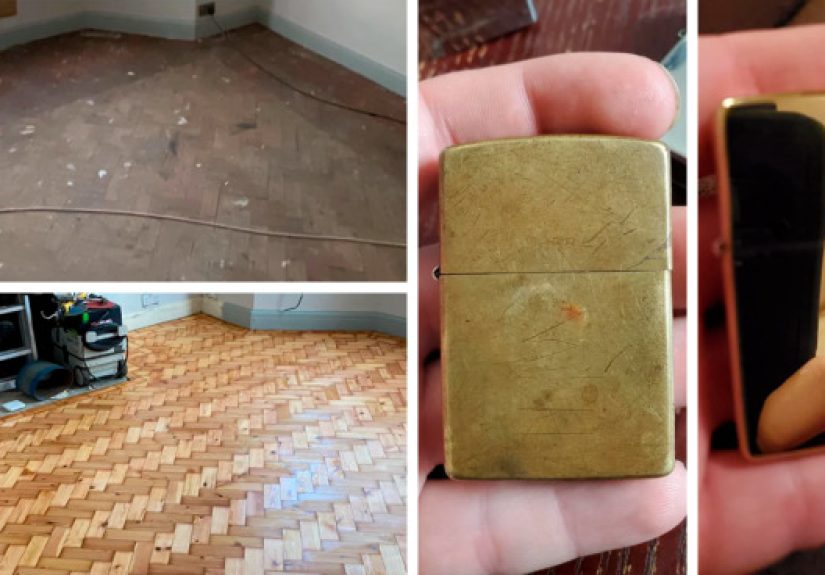
- A hardwood floor hidden under grime. Before: dull and scratched. After: refinished into a surface that practically changes the room’s posture.
- A claw-foot tub exterior. Before: chipped and rusty. After: glossy, elegant, and just dramatic enough.
- A plaster ceiling medallion. Before: cracked and caked in dust. After: repaired so it once again looks like the room remembered its manners.
- A historic front door. Before: faded paint, tarnished plate, tired trim. After: richly restored and making the whole facade look awake.
- Original interior trim. Before: buried under careless layers of paint. After: revealed and refinished, like architectural cheekbones.
- A porch railing with weather damage. Before: rough and unstable-looking. After: solid, sanded, and proudly doing its job again.
- A stained-glass panel. Before: filthy and dim. After: cleaned enough to let the color do what it was born to do.
- An old stair handrail. Before: sticky, scratched, and dull. After: smooth and polished from top to bottom.
Sentimental and Decorative Object Transformations
- A family photo frame with tarnished corners. Before: forgotten in a drawer. After: restored and back on display where it belongs.
- A leather armchair with cracked finish. Before: dry and defeated. After: cleaned and conditioned so the patina looks distinguished, not distressed.
- A trunk from the attic. Before: dusty, dented, and full of mystery. After: cleaned and stabilized into a storage piece with actual presence.
- A vintage mirror with a battered frame. Before: tired and chipped. After: gently revived into something worthy of an entryway.
- A ceramic vase with grime buildup. Before: flat and lifeless. After: bright, glossy, and surprisingly elegant.
- A retro clock that no longer looked charming. Before: yellowed and neglected. After: cleaned and repaired so it finally earns its wall space.
- An old sewing box. Before: dusty and loose at the hinges. After: repaired into a practical little time capsule.
- A book with a damaged cover. Before: frayed and fragile. After: stabilized and protected without stripping away its history.
- A vintage toy chest. Before: scratched and stained. After: refreshed enough for a second childhood chapter.
- A sentimental heirloom no one thought was salvageable. Before: one step from the donation pile. After: the emotional centerpiece of the room.
What These Before-And-After Restorations Teach Us
The real lesson behind these restorations is not that everything old should be made to look brand new. In many cases, the best result is not perfection. It is integrity. A restored object should still look like itself. The wood should still read as wood. The metal should still carry honest age where appropriate. The detail should still belong to its era, not some algorithmically generated trend board.
This matters in homes too. When people restore original windows, trim, doors, floors, or hardware, they preserve craftsmanship that is often difficult to replicate. When they reuse materials instead of replacing them wholesale, they also reduce waste and keep more character in the space. That is one reason restored rooms feel richer. They have texture, history, and a little bit of narrative muscle.
How To Restore Old Things Without Accidentally Ruining Them
Start with cleaning, not assumptions
Many items look worse than they are. Dirt, wax buildup, soot, tarnish, and cloudy residue can make a piece seem beyond hope when it really just needs a gentle first pass. Clean before deciding whether a full restoration is necessary.
Respect original materials
Solid wood, old brass, plaster, leather, cast iron, and historic finishes all respond differently. Use methods that match the material instead of declaring chemical war on the object. In other words, do not attack a delicate vintage finish like it insulted your family.
Repair before refinishing
Loose joints, rust spots, cracked veneer, and broken hardware should be stabilized first. A pretty finish on a structurally failing piece is just aesthetic denial.
Test in an inconspicuous area
Whether you are using cleaner, polish, stripper, stain, or metal treatment, test it first. Restoration is much more fun when it does not begin with an avoidable catastrophe.
Know when to call a pro
Heirlooms, rare antiques, valuable books, fragile art, and historically significant objects often require professional conservation. The goal is not just to improve appearance but to avoid irreversible damage. Sometimes the bravest DIY decision is backing away slowly and calling an expert.
The Emotional Side of Bringing Things Back
One reason “before and after” content performs so well is that restoration mirrors what people want in their own lives. We love evidence that damage is not always the end of the story. A scarred table can be beautiful again. A neglected room can feel loved again. An heirloom nobody believed in can return as the star of the house. That is powerful.
Restoration also changes the way people see value. A worn piece becomes less about flaws and more about possibility. Suddenly a flea-market lamp, a battered trunk, or a smoke-darkened mantel is not junk. It is material with a future. And once you start seeing old things that way, you become a very dangerous person to accompany to estate sales.
Extra Reflections: The Experience of Seeing Things Restored to Their Original Glory
There is a special kind of thrill in witnessing restoration up close that photos only partly capture. The first time you wipe a layer of grime off old brass and see that soft gold tone reappear, it feels almost theatrical, like a spotlight just came on. The same goes for wood furniture. At first, you assume the piece is plain, dark, and tired. Then you clean a corner, maybe sand a small section, and suddenly the grain starts showing up like it has been waiting years for an introduction.
People who restore objects often describe the work as calming, but that is only half the story. It is calming, yes, but it is also suspenseful. You do not always know what is hiding underneath a finish, under a layer of rust, or behind a bad repair done decades ago by someone with too much glue and too much confidence. Every project contains a tiny mystery. Sometimes you discover gorgeous old oak under ugly stain. Sometimes you uncover original hardware under five coats of paint. Sometimes you find a maker’s mark, a handwritten note, or an old repair that tells you the object was loved long before it landed in your hands.
That emotional connection is what separates restoration from ordinary redecorating. Buying something new can be satisfying, but bringing something old back to life feels earned. You notice the details more. You understand the object more. You become weirdly invested in a chair leg, a drawer pull, or the exact tone of a wood finish. You start saying things like, “I think the patina should stay,” which is how you know the hobby has officially taken hold.
There is also a communal pleasure to it. Restoration photos invite people to compare notes, share methods, and celebrate craftsmanship. One person sees a ruined dresser. Another sees dovetail joints, solid wood, and the possibility of a masterpiece with better lighting. These transformations remind people that age is not automatically decline. In many cases, age is proof of quality. An object that survived decades may simply need cleaning, stabilization, and a little respect.
And then there is the final reveal. That moment matters. After the dust, sanding, polishing, tightening, oiling, buffing, and muttering under your breath, the piece finally stands there looking right again. Not fake-new. Not overdone. Just right. It looks like itself, only clearer. That is why before-and-after restorations are so addictive. They do not merely show improvement. They show recovery, identity, and continuity. They prove that beauty can return, character can survive, and some of the best things in a homeor in lifedo not need replacing. They just need care, patience, and maybe one really good microfiber cloth.
Conclusion
The best before-and-after restorations are not just visual candy. They are proof that careful cleaning, thoughtful repair, and respect for original materials can reveal extraordinary results. Whether it is a wood dresser, brass fixture, cast-iron skillet, historic window, or sentimental heirloom, the transformation works because it honors what made the piece worth saving in the first place.
So the next time you see something scratched, tarnished, faded, or one dramatic sigh away from the curb, pause before you write it off. Under the grime and wear, there may be craftsmanship, history, and a genuinely gorgeous second act waiting to happen. And if you end up taking before-and-after photos, congratulationsyou have become part of the internet’s most wholesome flex.