Table of Contents >> Show >> Hide
- Meet the Transit Low Profile Three Hole Deck Mounted Lavatory Faucet
- Configuration 101: What “Low Profile Three Hole Deck Mounted” Really Means
- Design Details: Sculpted Metal and Lever Handles
- Performance and Water Efficiency
- Installation Considerations for a Three-Hole Widespread Faucet
- Style and Finish: Where the Transit Faucet Shines
- How the Transit Compares to Other Widespread Bathroom Faucets
- Care, Cleaning, and Long-Term Durability
- Is the Transit Low Profile Lavatory Faucet Right for You?
- Real-World Experiences with the Transit Faucet
If you think all bathroom faucets are basically the same, the
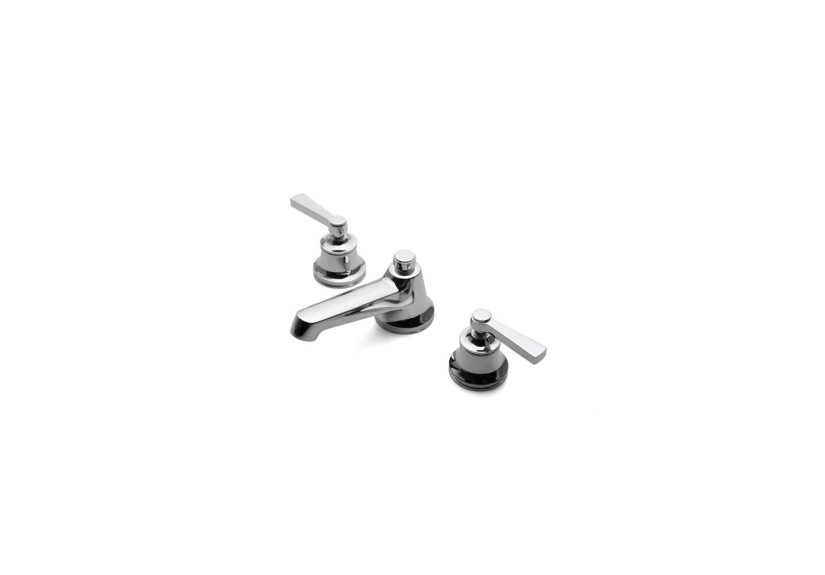
Transit Low Profile Three Hole Deck Mounted Lavatory Faucet with Metal Lever Handles
is here to politely disagree. This is not the “builder-basic” chrome stick you’ve been quietly resenting
for years. It’s a sculpted, low-profile, three-piece statement from Waterworks that blends traditional
elegance with modern linesand yes, it actually feels as good to use as it looks.
In this guide, we’ll unpack what makes the Transit faucet special, how it compares to other widespread
bathroom faucets, what you should know before installing it, and how to decide if it’s the right upgrade
for your vanity. We’ll also finish with some real-world style and installation experiences to help you
picture this faucet in your own home.
Meet the Transit Low Profile Three Hole Deck Mounted Lavatory Faucet
The Transit faucet comes from Waterworks’ Transit collection, a line designed around “stylish simplicity”
and a sophisticated mix of modern and traditional influences. Instead of sharp, ultra-modern angles or
fussy vintage curves, the Transit lands in that coveted sweet spot: a sculpted, tapered silhouette that
feels timeless, not trendy.
Key characteristics of the Transit faucet include:
- Three-hole deck-mounted configuration (widespread style)
- Low-profile spout that sits close to the deck for a sleek, tailored look
- Separate metal lever handles for hot and cold water
- Premium metal construction for durability and weight-in-hand
- Standard 1.2 GPM flow rate (with other flow options available in some markets)
- USA-style drain included, simplifying what you need to buy
This faucet is aimed squarely at the luxury market. Historically, retailers have listed it in the mid- to
upper-hundreds of dollars, and Waterworks’ own pricing reflects its status as a high-end bath fitting.
In other words: this is an investment piece, not an impulse buybut it’s designed to be the kind of
upgrade that elevates the entire room.
Configuration 101: What “Low Profile Three Hole Deck Mounted” Really Means
Let’s decode that very long product name, because every part actually matters when you’re choosing a
bathroom faucet.
Three-hole, widespread layout
The Transit is a widespread lavatory faucet. That means:
- It uses three separate pieces: one spout and two handles.
- It’s designed for sinks or countertops with three holes.
- The holes are typically spaced about 8–16 inches from handle to handle, depending on your sink or top.
Compared with compact 4-inch centerset faucets, widespread faucets are generally considered more
high-end, because they look more custom and let you fine-tune the spacing to your vanity’s proportions.
If you’re working with a small top and only 4-inch pre-drilled holes, though, this faucet won’t fit
without changing the sink or the countertop.
Low-profile spout
The “low profile” part describes the spout height. Rather than arching dramatically over the sink,
the Transit’s spout hugs the deck. This creates:
- A more discreet, architectural looknothing towering over your soap dish.
- Better sightlines in tight powder rooms or under low mirrors and medicine cabinets.
- A sense of calm and order on the countertop, especially when paired with a slim, undermount sink.
Low-profile faucets with lever handles are popular in transitional bathrooms because they bridge the gap
between traditional cross handles and ultra-modern single levers. They’re also especially well-suited to
pedestal sinks and narrow consoles, where a tall faucet could steal the show in the wrong way.
Deck-mounted installation
“Deck mounted” simply means the faucet is installed on the sink deck or countertop, not on the wall. This
is the most common configuration and usually the easiest to plan for, especially when you’re replacing an
old widespread faucet with a new one. You don’t need to open walls or rerun plumbing inside the studsyou
just work at the sink and below the vanity.
Design Details: Sculpted Metal and Lever Handles
One of the biggest reasons people gravitate to the Transit faucet is the design language. It has:
- A tapered, sculpted spout that feels refined without being ornate.
- Metal lever handles that are easy to grip, even with wet or soapy hands.
- A balanced silhouette that plays well with both square and oval sinks.
Lever handles aren’t just a style choicethey’re practical. Compared with small knobs or cross handles,
levers can be operated with the back of your hand, a fingertip, or even an elbow if your hands are full
of toothpaste and regret. They’re also more accessible for kids, aging family members, or anyone with
limited hand strength.
Waterworks typically offers this faucet in a tight selection of classic finishes such as:
- Chrome – bright, versatile, easy to match with other fixtures.
- Nickel – a softer, slightly warmer look that feels quiet luxury.
- Unlacquered brass (in some markets) – a living finish that develops a patina over time.
That last option, unlacquered brass, is a particular favorite in design circles: it darkens, spots, and
gradually develops character. If you like everything to look brand-new forever, you may prefer chrome or
nickel. If you like your hardware with the same “perfectly imperfect” charm as a well-loved leather bag,
brass is your friend.
Performance and Water Efficiency
Luxury shouldn’t mean wasteful. The Transit faucet’s standard flow rate is around
1.2 gallons per minute (GPM), which aligns with modern water-efficiency benchmarks for
bathroom sink faucets in the United States.
Why does that matter? Because flow rate affects:
- Your water bill: Lower GPM means less water used over time.
- Environmental impact: You’re conserving a resource without sacrificing usability.
- Everyday comfort: Modern aerators and laminar flow designs keep the stream feeling full and smooth.
Many buying guides recommend choosing bathroom faucets with a flow rate between 1.2 and 1.5 GPM for an
ideal balance of water savings and user comfort. The Transit fits neatly into this range, making it a
smart choice if you’re trying to modernize both the look and efficiency of your bathroom.
Installation Considerations for a Three-Hole Widespread Faucet
Whether you’re a confident DIYer or planning to call your favorite plumber, it’s helpful to know what’s
involved in installing a faucet like the Transit.
Check your sink and countertop first
Before you fall in love with the product photos, confirm:
- Your sink or countertop has three holes.
- The holes are spaced for a widespread faucet (typically 8–16 inches from handle to handle).
- You have enough deck space around the holes for the faucet bases and any escutcheons.
If you’re replacing an existing widespread faucet, you’re probably good to go. If you’re upgrading from
a centerset faucet or single-hole faucet, you may need a new sink or additional fabrication work to
accommodate the three-hole layout.
DIY vs. professional installation
Could a handy homeowner install the Transit faucet themselves? Yesespecially if your plumbing shutoffs
are in good shape and you’re working with a standard vanity and top. Common DIY considerations include:
- Getting the handles perfectly aligned with the spout.
- Snugging up the connections while avoiding overtightening.
- Double-checking for leaks with a dry cloth or paper towel while water is running.
However, if you have a stone countertop, an integrated sink, or old plumbing that hasn’t been touched
since the 1990s, hiring a pro can be money well spent. With a luxury faucet in this price range, many
homeowners prefer the peace of mind of a professional installation.
Style and Finish: Where the Transit Faucet Shines
The Transit faucet is a natural fit for transitional bathroomsspaces that blend classic
details with clean lines. It pairs beautifully with:
- Shaker-style or slab-front vanity cabinets
- Marble, quartz, or solid-surface countertops
- Subway tile or large-format porcelain backsplashes
- Framed, metal-edged, or simple wood mirrors
In chrome, the faucet feels crisp and hotel-like; in nickel, it leans softer and more tailored. In warm
brass, it becomes an instant focal point, especially when paired with matching towel bars and shower
fittings.
Because this faucet is relatively low profile, it doesn’t shout for attentionbut the closer you get, the
more the details stand out. It’s the design equivalent of a well-cut blazer: quiet at a distance,
impressive up close.
How the Transit Compares to Other Widespread Bathroom Faucets
If you’re shopping broadly, you’ll see widespread bathroom faucets from major brands like Delta, Kohler,
Moen, and others, offered at a range of prices and styles. So where does the Transit sit in that
landscape?
Design and aesthetics
Many widespread faucets in the mainstream market have either:
- Very traditional styling (lots of curves, ornate details), or
- Very modern styling (sharp angles, tall gooseneck spouts).
The Transit offers a more nuanced, transitional profileits tapered shapes feel considered rather than
generic. If your bathroom design is carefully curated, that difference matters.
Materials and build quality
Luxury faucets typically use solid brass or similarly robust metals for the body and handle components.
That translates to:
- A heavier, more substantial feel when you turn the handles.
- Better durability over years of daily use.
- More refined finishes and detailing.
Compared with budget-friendly imports or big-box “good enough” models, the Transit aims for long-term
performance and visual longevitysomething you notice every time you wash your hands.
Price and positioning
There’s no way around it: this is a premium faucet. While you can absolutely find widespread bathroom
faucets at a fraction of the price, the Transit competes more with designer and boutique fixtures than
standard off-the-shelf models. If your bathroom remodel includes custom tile, stone counters, and
well-chosen lighting, the faucet won’t feel out of placeit will feel like the final, thoughtful detail.
Care, Cleaning, and Long-Term Durability
A beautiful faucet deserves gentle care. The good news is that the Transit’s metal construction and
refined finishes are designed for daily use, not museum display.
Basic care tips include:
- Wiping the faucet down regularly with a soft, damp cloth.
- Avoiding harsh cleaners, abrasive pads, or bleach-based products.
- Drying water spots on chrome or nickel finishes to keep them sparkling.
- Letting unlacquered brass age naturally if you’ve chosen a living finish.
Inside, quality cartridges and valves help ensure smooth operation and reduce the risk of early leaks.
As with any faucet, occasional aerator cleaning and periodic inspection of supply lines will extend its
life and performance.
Is the Transit Low Profile Lavatory Faucet Right for You?
The Transit Low Profile Three Hole Deck Mounted Lavatory Faucet with Metal Lever Handles is a great fit
if you:
- Want a high-end, timeless faucet that works in both classic and modern spaces.
- Prefer the look and feel of widespread faucets with separate handles.
- Value solid metal construction and refined detailing.
- Are comfortable investing in a premium fixture that can anchor your entire bathroom design.
On the other hand, if you’re working with a very tight budget, a small vanity with 4-inch faucet holes,
or a hyper-minimalist aesthetic that demands a single-hole, ultra-tall faucet, this may not be the best
match. The Transit shines in spaces where its quiet sophistication can be appreciatedand where the rest
of the finishes live in the same design universe.
Real-World Experiences with the Transit Faucet
Product specs are helpful, but what really sells a faucet is how it feels in everyday life. While every
home is different, there are some common themes that come up when homeowners, designers, and installers
talk about faucets like the Transit.
A designer’s “finishing touch” story
Picture a small primary bathroom with a marble-topped vanity, white shaker cabinets, and a mix of matte
black and nickel accents. The designer had already chosen beautiful sconces and a framed mirror, but the
original faucet was a basic, chunky centerset model that looked like it came free with the house in 2003.
Swapping in a low-profile widespread faucet with metal lever handles changed everything. The countertop
suddenly looked more open, the sink area felt intentional, and the levers echoed the clean lines of the
cabinet hardware. That’s the kind of transformation the Transit is designed for: not screaming “look at
me,” but quietly pulling the whole composition together.
A homeowner’s first “real” faucet upgrade
Many homeowners live with builder-grade fixtures for years before deciding to invest in a serious faucet.
One couple, mid-remodel, described the difference this way: “Our old faucet felt flimsyyou’d tap the
handle and it rattled. With the new widespread faucet, everything feels solid. Turning the handles has a
satisfying weight to it, and the water stream looks smoother and more controlled.”
They also noticed that the low-profile spout made the area around the sink feel calmer. Instead of a
tall, attention-grabbing arch, the water source became a subtle part of the overall design. Little things
like washing your hands or rinsing your face suddenly felt a bit more spa-likeno extra candles required.
Lessons from a DIY installation weekend
Another homeowner decided to tackle the installation themselves. Here’s what they learned:
- Dry-fitting matters: Setting the spout and handles in place before tightening anything made it easier to keep everything symmetrical.
- Multiple trips under the sink are inevitable: Expect to crawl in and out a few times to adjust connections and check for drips.
- A leak test is non-negotiable: Running the water and gently touching each joint with a dry cloth helped catch a tiny seep before it became a problem.
Their verdict? The installation took longer than they expected, but the end result was worth it. The
faucet quickly became one of their favorite details in the roomsomething they noticed every morning and
night.
Living with a low-profile faucet day to day
In day-to-day use, low-profile faucets like the Transit tend to earn quiet, steady praise:
- They don’t splash as much as very tall spouts when paired with appropriately sized sinks.
- They’re easy to wipe down because there’s less exposed surface towering over the basin.
- They keep sightlines clean in small bathrooms, making the room feel more open.
The metal lever handles, in particular, get appreciation from anyone juggling kids, guests, or aging
parents. Easy-to-turn, clearly separated hot and cold handles take the guesswork out of daily routines.
Is it worth the investment?
Ultimately, the value of a faucet like the Transit comes down to how you think about your bathroom. If
it’s just a purely functional space, a basic faucet will do the job. But if your bathroom is part of a
larger design storywhere materials, finishes, and details mattera well-chosen widespread faucet becomes
a small object you interact with countless times a day.
The Transit Low Profile Three Hole Deck Mounted Lavatory Faucet with Metal Lever Handles is one of those
pieces that can make washing your hands feel just a bit more luxurious. It’s not a gadget, it’s not a
trendit’s a carefully designed fixture meant to age gracefully alongside the rest of your home.