Table of Contents >> Show >> Hide
- Quick picks (if you want the short version)
- How we chose these strips (and why “best” depends on your teeth)
- The best whitening strips, according to our editors
- What whitening strips can (and can’t) do
- How whitening strips work (without the chemistry lecture)
- How to use whitening strips like a sane person
- Who should be extra cautious (or skip strips for now)
- FAQs people actually ask (usually while holding a mirror)
- Editor-style real-life experiences (what it’s actually like to use whitening strips)
- Final takeaway
If coffee is your love language, your teeth may be translating it into a light tan. Whitening strips are the
low-commitment, high-reward option for people who want a brighter smile without taking out a second mortgage for
in-office whitening.
But not all strips are created equal. Some cling like they’ve got separation anxiety (great). Others slide around
like they’re auditioning for an ice show (less great). Some whiten fast but make your teeth feel like they’re
receiving tiny electric postcards from Antarctica (hello, sensitivity). The goal is to find the sweet spot:
noticeable brightening, minimal drama, and a routine you’ll actually finish.
Quick picks (if you want the short version)
- Best overall: Crest 3D Whitestrips Professional Effects
- Best fast results: Crest 3D Whitestrips 1 Hour Express
- Best for sensitive teeth: Lumineux Whitening Strips (peroxide-free)
- Best budget-friendly (still legit): Zimba Whitening Strips
- Best “upgrade” alternative to strips: Opalescence Go prefilled trays (not strips, but worth considering)
How we chose these strips (and why “best” depends on your teeth)
We synthesized guidance from dental authorities and patterns across major U.S. editorial testing: what’s most
consistently recommended, what’s most tolerable for real humans with real schedules, and what tends to deliver
visible results without turning brushing your teeth into a horror movie sequel.
Our criteria:
- Active ingredient & approach: peroxide-based (usually strongest) vs peroxide-free options (often gentler)
- Wear time: 15 minutes, 30 minutes, 1 hourbecause “I’ll do it later” is how routines go to die
- Fit & grip: if it won’t stay put, it won’t get used
- Sensitivity risk: what you feel during and after matters as much as the shade change
- Value: cost per treatment, not just sticker price
The best whitening strips, according to our editors
Best overall: Crest 3D Whitestrips Professional Effects
If whitening strips had a “most likely to succeed” superlative, this one would take the yearbook photo. Crest’s
Professional Effects kit is the go-to pick across multiple editorial roundups because it’s reliable: people tend to
see meaningful brightening when they follow the schedule consistently.
Why we like it: It’s one of the most widely tested, commonly recommended peroxide-based options,
and it’s designed for a predictable routine (often around 30 minutes per session). In plain English: it works for
a lot of people, and the routine is manageable.
Best for: coffee/tea drinkers, “I want a noticeable change,” and anyone who’s willing to commit to
a couple weeks of consistency.
Watch outs: Like most peroxide-based systems, sensitivity can happenespecially if you already
have sensitive teeth or you’re tempted to “double up” because you’re impatient (we’ve all been there).
Editor tip: Dry your teeth lightly with a tissue before applying. Better grip = better contact =
better results. Also, don’t chase maximum whiteness on day one; consistent contact beats aggressive overuse.
Best fast results: Crest 3D Whitestrips 1 Hour Express
This is for the “I forgot I have plans” crowd. The appeal is obvious: longer wear time, faster payoff, and a
quicker visible lift for many users.
Why we like it: When you want a short runway to a brighter smile, an “express” option can be
helpfulespecially as a jump-start before you move into maintenance mode.
Best for: events, photos, interviews, weddings, or any situation where you suddenly care about
your face existing in high definition.
Watch outs: More intense routines can mean a higher chance of sensitivity. If your teeth tend to
complain, you may be happier with a gentler strip or a shorter daily wear time.
Editor tip: Don’t do this right after whitening toothpaste or an aggressive brushing session.
Start with calm teeth, not freshly exfoliated enamel.
Best for sensitive teeth: Lumineux Whitening Strips (peroxide-free)
If peroxide makes your teeth feel like they’re trying to text you in Morse code, Lumineux is the gentler friend
who shows up with soup and a blanket. This is a common editorial pick for people who want brightening without the
zing.
Why we like it: Peroxide-free options are often favored by people with sensitivity concerns.
They may not deliver the same “wow” as stronger peroxide systems, but they can be a smart trade-off for comfort.
Best for: sensitive teeth, first-timers, and anyone who values comfort over maximum shade change.
Watch outs: Manage expectations. If you’re aiming for a dramatic transformation, you may need a
peroxide-based option (or professional guidance).
Editor tip: Take a “before” photo in natural light. Gentle changes are realbut they’re easier to
appreciate when you can compare.
Best budget-friendly: Zimba Whitening Strips
Zimba shows up in testing-heavy lists because it’s a solid value pick that still feels like a real productnot a
sketchy impulse buy that arrives with instructions written entirely in vibes.
Why we like it: It’s often highlighted as an affordable option that can still deliver visible
brightening when used consistently.
Best for: beginners, budget-conscious shoppers, and anyone who wants a reasonable entry point.
Watch outs: Like many whitening products, some people still experience sensitivity. “Budget” is
not a synonym for “risk-free.”
Editor tip: Treat it like skincare: slow and steady. If you get sensitivity, take a day off and
resume rather than quitting entirely.
Best “upgrade” alternative (not strips): Opalescence Go prefilled trays
Okay, confession: these aren’t strips. But editors and dentists often mention prefilled trays as a convenient
middle ground between strips and custom dentist traysespecially if you want even coverage with less fuss.
Why we like it: Prefilled trays can be easy to use, and they’re commonly recommended as a
professional-adjacent at-home option.
Best for: people who dislike strip fit, want a more “guided” application, or want to level up
their routine.
Watch outs: You’ll still want to follow directions carefully to avoid irritation, and results
still vary by stain type and baseline shade.
What whitening strips can (and can’t) do
Whitening strips are designed for natural tooth enamel. They can help lift many common
surface-level (extrinsic) stainsthink coffee, tea, red wine, and smoking. They may also brighten some deeper
discoloration, but there are limits.
- They won’t whiten crowns, veneers, fillings, or implants. Your natural teeth may lighten while dental work stays the same color.
- They won’t fix damage. If discoloration is tied to enamel erosion, decay, or trauma, whitening isn’t the solutiondental care is.
- They’re not a substitute for cleaning. If you have tartar buildup, whitening strips aren’t going to bulldoze it away.
How whitening strips work (without the chemistry lecture)
Most classic whitening strips use hydrogen peroxide or carbamide peroxide. These
ingredients penetrate the tooth surface and help break down stain pigments. In everyday terms: they’re good at
evicting the tiny color molecules that have been renting space in your smile.
Peroxide-free strips use alternative approaches (often marketed as gentler). Some people love them for comfort,
even if results can be more subtle.
How to use whitening strips like a sane person
1) Start with a “dentist logic” check
If you have cavities, gum recession, cracks, or ongoing sensitivity, talk to your dentist first. Whitening on top
of existing problems can feel like turning up the volume on discomfort.
2) Apply correctly (this matters more than people admit)
- Brush gently beforehand (no aggressive scrubbing).
- Dry teeth lightly for better adhesion.
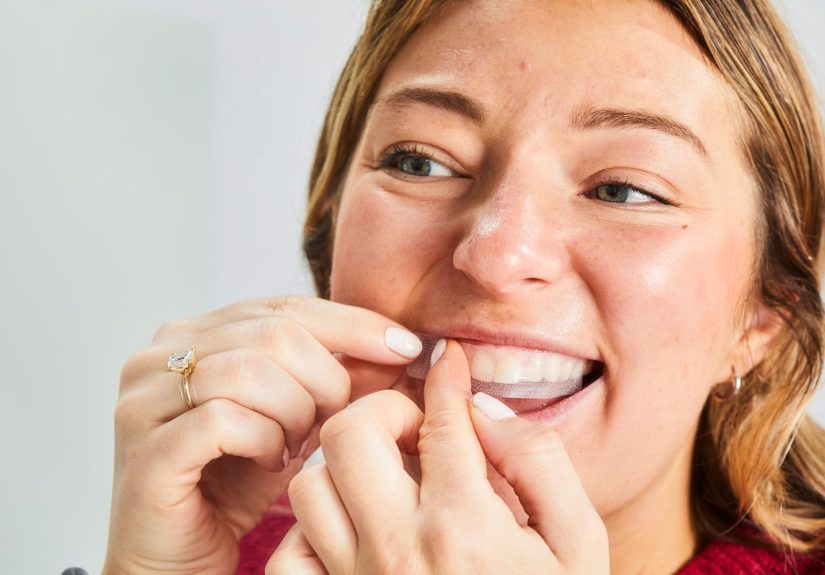
- Press strips firmly, especially along the gumline, but don’t jam gel onto your gums.
- Set a timer. “I’ll remember” is not a plan.
3) Expect a timeline, not a miracle
Many routines run about two weeks, and results often build gradually. Some people notice changes in a few days,
while others see the bigger difference closer to the end of the recommended schedule.
4) Reduce sensitivity without giving up
- Use a toothpaste for sensitive teeth for a week before and during whitening.
- Take rest days if your teeth start “talking.”
- Don’t exceed the recommended wear time or frequency.
- Avoid very hot/cold foods right after a session if you’re prone to zingers.
5) Protect your results
Whitening isn’t permanent. Your habits matter. If you go back to daily coffee, tea, red wine, and dark sauces,
you’ll likely need occasional touch-ups. Think of whitening like cleaning your white sneakers: it’s maintenance,
not magic.
Who should be extra cautious (or skip strips for now)
- People with untreated cavities or gum disease (whitening can irritate already-angry tissue).
- Anyone with significant tooth sensitivity (consider peroxide-free options or dentist guidance).
- Those with lots of dental work in front teeth (color mismatch is a real thing).
- Teens, pregnant or nursing people (ask a dentist first; better safe than sorry).
FAQs people actually ask (usually while holding a mirror)
Do whitening strips damage enamel?
When used as directed, peroxide-based whitening is generally considered safe and effective. Problems tend to show
up when people overuse products, ignore instructions, or whiten on top of existing dental issues.
How white will my teeth get?
It depends on your baseline shade and what’s causing discoloration. Many people see a modest but noticeable
change; dramatic shifts are more common with professional treatments or stronger regimens (with higher sensitivity
risk).
How often can I whiten?
Follow the product schedule and don’t stack routines back-to-back. If you’re tempted to keep going because you’re
chasing a movie-star glow, pause. That’s where irritation and sensitivity usually start.
Editor-style real-life experiences (what it’s actually like to use whitening strips)
The internet loves a dramatic before-and-after, but your actual experience is usually more… human. Based on the
most consistent editor testing notes and dentist-adjacent advice across major guides, here’s what the “two-week
whitening strip era” often looks like in real life.
Day 1: You open the box with the optimism of someone who believes they will also start meal-prepping,
waking up early, and drinking enough waterall in the same week. Application is easier than expected, but you spend
the first minute staring at yourself like, “Is it doing something? Am I glowing? Do my teeth look… louder?”
Most of the time, the answer is: not yet. The strip feels slightly weird (like a temporary sticker for your smile),
but manageable. If you picked a stronger peroxide option, you might feel a mild tingle. If you picked a gentler,
peroxide-free strip, it’s more like, “Okay… I guess we’re just hanging out.”
Day 3: This is where people either become a routine person or quietly ghost the box in their
bathroom drawer. You may start noticing subtle changesespecially on the front teeth where stains show first.
The most common “oops” moment: drinking coffee too soon afterward and realizing you just re-introduced the villain
before the credits rolled. If sensitivity happens, it often shows up around now as quick zingers with cold water.
The smart move is not “push through it at all costs,” but “take a rest day, switch to sensitive toothpaste, and
resume.” Consistency matters, but so does comfort.
Day 7: You’re officially in the “people might notice” zone. Teeth often look brighter in natural
light, and you may find yourself smiling in photos on purpose (who are you?). This is also when you learn your
personal tolerance threshold. If you’re sensitive, you might space treatments out. If you’re not, you’ll probably
keep cruising. A surprisingly common observation from editors: adherence is everything. The product you actually
use is better than the “perfect” kit you abandon after two sessions.
Day 14 (or the end of the recommended cycle): This is when the change is most obviousespecially
if your stains were mostly from foods and drinks. Many people describe the final result as “cleaner,” “brighter,”
or “more even,” rather than “blinding.” And honestly? That’s a win. Natural-looking whitening is the goal for most
people, because over-whitening can look stark, and it’s harder on sensitive mouths.
The part nobody tells you: Whitening strips are as much a lifestyle decision as they are a product.
If your diet includes coffee, tea, red wine, berries, tomato sauce, and the occasional “I deserve a cola,” your
teeth are living in a pigment-heavy environment. The best strategy editors mention is not constant whiteningit’s
maintenance. Finish a cycle, then touch up occasionally (as directed), and focus on habits that keep stains from
settling in: rinse after coffee, don’t smoke, brush gently but consistently, and keep up with cleanings.
The most editor-approved mindset: Pick the strip that matches your personality. If you want
dramatic results and you’re not sensitive, a peroxide-based classic can be worth it. If you’re cautious or prone
to sensitivity, a gentler option you’ll actually finish may leave you happier. Either way, the “best” whitening
strip is the one that gives you a brighter smile without making you dread drinking water.
Final takeaway
Whitening strips can be a practical, affordable way to brighten your smileespecially if your stains come from
everyday foods and drinks. If you want the most consistent editor-backed pick, start with
Crest 3D Whitestrips Professional Effects. If you need speed, consider a stronger “express”
routine. And if your teeth are sensitive, go gentler and prioritize comfort over maximum whitening.
No matter what you choose: follow directions, don’t overdo it, and talk to your dentist if you have dental issues
or lots of dental work. Bright is great. Healthy is non-negotiable.