Table of Contents >> Show >> Hide
For years, the houseplant spotlight has belonged to the usual celebrity cast: the big, glossy monstera, the moody fiddle leaf fig, and that one dramatic plant in the corner that somehow needs emotional support, a humidifier, and a weekly pep talk. But 2026 is shaping up to be a little different. The next wave of popular houseplants is less about owning the biggest green diva in the room and more about choosing plants with texture, personality, movement, and a better shot at surviving ordinary human behavior.
In other words, this is excellent news for people who want their homes to look lush without turning plant care into a part-time job. The trending indoor plants for 2026 lean colorful, sculptural, slightly quirky, and much more tailored to the way people actually live now: in apartments, in smaller homes, in low-light rooms, in pet-friendly households, and in spaces where a bathroom can double as a tropical spa if you squint a little.
So no, monsteras and fiddle leaf figs are not being banished to the gardening witness protection program. They are simply losing their monopoly. Here are the houseplants most likely to take over shelves, side tables, bathrooms, and social feeds in 2026.
Why houseplant trends are changing in 2026
The biggest shift is simple: people still want wow-factor plants, but they want them in smarter forms. That means foliage with more visual detail, plants that suit smaller rooms, and varieties that feel more personal than generic. Instead of one giant statement plant trying to carry the entire room like an overworked lead actor, more homes are leaning toward layered greenery with different sizes, leaf shapes, and textures.
That is a perfect match for broader home trends, too. In 2026, interiors are leaning warmer, more collected, more colorful, and more wellness-focused. Houseplants fit that mood naturally. But instead of the old “bigger is better” philosophy, the new favorite plants feel a little more curated. They are prettier up close. They reward you with unusual leaves, softer silhouettes, and sometimes even movement. Basically, 2026 wants your houseplants to have personality, not just square footage.
The houseplants set to dominate in 2026
1. Alocasia ‘Silver Dragon’
If 2026 had an official plant for people who want their decor to look expensive without buying a marble bust, Alocasia ‘Silver Dragon’ would be in the running. Its foliage looks almost embossed, with silver-green leaves and dark veins that give it a metallic, dragon-scale effect. It is moody, sculptural, and weirdly elegant all at once.
This plant is trending because it scratches the same “statement plant” itch that made giant tropicals so popular, but it does it in a more refined, compact way. Instead of shouting, it smolders. The catch is that it likes humidity and consistency, so it does best in bright indirect light with evenly moist but not soggy soil. It is a better fit for a bathroom, kitchen, or humid corner than a dry room next to a blasting heater.
2. Philodendron ‘Birkin’
The Birkin is what happens when a plant decides to wear pinstripes. Its dark green leaves are streaked with creamy white lines, and because each leaf develops a little differently, it always looks interesting. In a year when interiors are embracing detail and contrast, Birkin makes perfect sense.
Part of its appeal is that it looks collector-level fancy without being collector-level exhausting. It stays relatively compact, suits apartments and desks, and brings that crisp, graphic look people love in modern interiors. Give it bright, indirect light, a chunky well-draining mix, and let the top inch of soil dry before watering again. It is stylish, manageable, and far less needy than its dramatic reputation might suggest.
3. Bella Palm
If the giant statement tree is taking a slight step back, the bella palm is ready to slide into the spotlight with better manners. Also known as parlor palm, this plant has soft, feathery fronds that instantly make a room feel calmer and more relaxed. It does not scream for attention, but it absolutely improves the atmosphere.
Why is it likely to get bigger in 2026? Because it checks a lot of modern boxes at once. It works in smaller spaces, tolerates lower light better than many palms, and feels naturally at home in wellness-focused interiors. It also happens to be one of the better choices for homes with pets, which is a major selling point for a lot of plant buyers. Keep it in medium to bright indirect light, water when the top layer of soil dries, and do not let it bake in harsh direct sun.
4. Rex Begonia
Rex begonias look less like ordinary foliage and more like someone painted a tiny galaxy on every leaf. Silver, burgundy, pink, violet, spirals, splashes, metallic shimmer: this plant has no interest in being subtle. In 2026, that is exactly the point.
As more people move toward personality-packed interiors, rex begonia fits right in. It offers color without needing flowers, drama without needing to become a six-foot tree, and texture without needing an entire sunroom. It is especially appealing for renters, apartment dwellers, and anyone who wants a conversation piece on a shelf or tabletop. Bright indirect light is best, direct sun is a no-go, and the soil should stay lightly moist but never swampy. Think “gently pampered,” not “forgotten in the corner for three weeks.”
5. Boston Fern
Boston ferns have that classic, lush, slightly vintage energy that feels perfectly timed for 2026. While some trend cycles chase the rare and futuristic, this one also has room for plants that feel familiar, soft, and nostalgic. A full Boston fern in the right pot makes a room feel lived-in, layered, and welcoming.
It is also a strong pick for households with pets, which gives it extra appeal. The downside, of course, is that ferns can be dramatic in their own leafy way. They want humidity, they prefer consistently moist soil, and they do not enjoy being crisped by dry indoor air. Put one in a bright bathroom, kitchen, or any spot where the air has a little moisture, and it can look gorgeous. Put one next to a vent and it will begin writing a complaint letter.
6. Aglaonema ‘Silver Bay’
Not every trending houseplant in 2026 is flashy. Some are winning because they are dependable, handsome, and perfectly happy in real-world conditions. Aglaonema ‘Silver Bay,’ a Chinese evergreen type, fits that description beautifully. Its soft silvery-green foliage brightens a space without demanding premium light or constant babysitting.
This is the kind of plant that becomes more popular when people get honest about their homes. Not everyone has huge south-facing windows and a skylit breakfast nook. Some people have one decent window, a lamp, and optimism. Silver Bay is for those people. It tolerates lower light better than many tropicals, still looks polished, and suits almost any style of room. Water when the soil surface begins to dry, avoid leaving it bone dry for too long, and enjoy the fact that it is far easier than it looks.
7. Prayer Plant
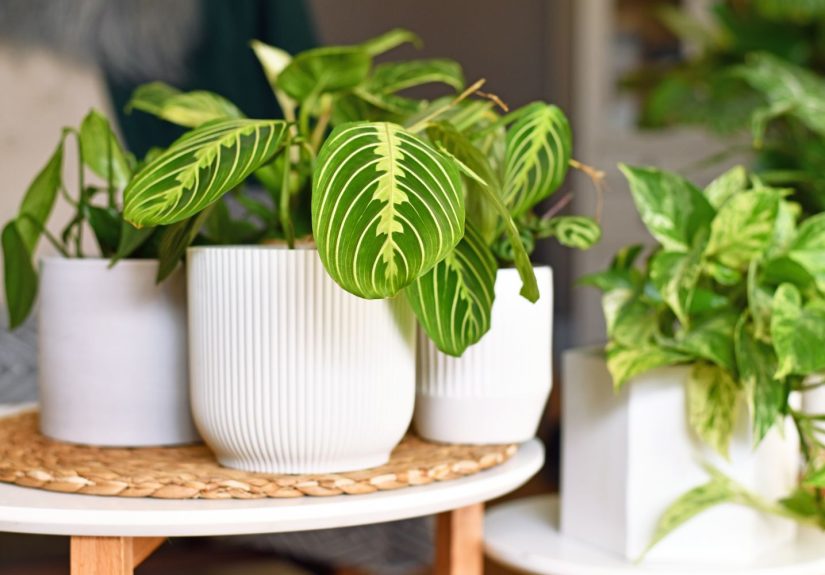
Some plants are pretty. Prayer plants are pretty and theatrical. Their patterned leaves already make them stand out, but what really wins people over is the movement. At night, the leaves fold upward, giving the plant its common name. In a market full of static decor, that tiny daily ritual feels oddly magical.
That sense of interaction is a huge reason prayer plants are likely to surge in 2026. People are drawn to houseplants that feel alive in visible ways, not just decorative. Prayer plants also fit the current appetite for soft, biophilic interiors that feel calming and organic. They do best in bright, indirect light, warm temperatures, and high humidity. Keep the soil evenly moist without letting it turn soggy. A bathroom or kitchen with filtered light can make this plant absurdly happy.
8. Coleus ‘Chocolate Mint’
Coleus has spent years being treated like an outdoor supporting actor, but 2026 may finally give it a proper indoor glow-up. ‘Chocolate Mint’ is especially trend-friendly, with burgundy centers and lime-green edges that look bold, fresh, and unapologetically colorful.
This plant works because it delivers instant impact. You do not have to wait for it to mature into a dramatic shape or produce rare fenestrations. It shows up already dressed for the party. Indoors, it needs bright light to keep that vivid color strong, plus consistently moist soil and occasional pinching to stay bushy instead of lanky. It is a terrific choice for anyone bored by all-green foliage and ready for a houseplant that behaves a little more like living decor.
9. Senecio types
On the opposite end of the spectrum from rex begonia’s maximalist glam sits the sleek world of senecios. These plants are trending because they suit the softer, minimalist side of 2026 interiors. Some varieties bring pale, velvety foliage; others lean blue-gray or bead-like and architectural. They look modern, sculptural, and quietly expensive.
They are also appealing because many are forgiving. If your plant care schedule is occasionally derailed by, well, life, senecios are far more likely to shrug and continue being attractive. They like bright light, well-draining soil, and a deep drink only after the potting mix dries out. Overwatering is the real enemy here. If you have ever loved a plant to death with a watering can, this is your gentle sign to step away from the sink.
Honorable mentions: the plants still likely to have a big year
Ficus is making a comeback
Even though the headline says to forget fiddle leaf figs, the broader ficus family is not fading away. In fact, ficus is having a fresh moment in 2026. The renewed interest makes sense: ficus plants are long-lived, sculptural, and surprisingly resilient once they settle into a stable spot. So while the old oversized fiddle leaf fig may not dominate trend coverage the way it once did, ficus as a category still has plenty of life left.
Monstera Burle Marx Flame
Yes, technically this is still a monstera, but not the basic one everybody has seen a thousand times. Burle Marx Flame represents the next stage of the monstera trend: rarer-looking, more textural, and a little more collectible. As it matures, its leaves develop dramatic flame-like fenestrations that look both tropical and sculptural. Translation: the monstera era is not over; it is just getting a more stylish cousin.
How to choose the right 2026 houseplant for your home
Trends are fun, but dead trend plants are less fun. Before buying anything because it looks amazing on a shelf in a beautifully staged photo, match it to your space.
- Have low light? Start with Aglaonema ‘Silver Bay’ or bella palm.
- Have a humid bathroom with good light? Try Silver Dragon, prayer plant, or Boston fern.
- Need pet-friendlier options? Bella palm and Boston fern are safer bets.
- Want color? Go for rex begonia or coleus ‘Chocolate Mint’.
- Need something forgiving? Birkin and many senecio types are easier places to start.
The smartest plant trend in 2026 is not buying the rarest thing. It is buying the right thing. A thriving plant in an ordinary room will always look better than a struggling unicorn plant in the wrong conditions.
Conclusion
The most popular houseplants in 2026 will not all be giant green showboats. Instead, the year is leaning toward plants with more nuance: silvery veins, striped leaves, velvety textures, bold color, softer forms, and better compatibility with how people actually live. Expect to see jewel-toned alocasias, graphic philodendrons, nostalgic ferns, calming palms, low-light aglaonemas, and interactive prayer plants turning ordinary corners into something far more interesting.
So yes, the reign of monsteras and fiddle leaf figs may be cooling a bit. But do not think of it as a breakup. Think of it as a cast expansion. In 2026, the houseplant world is getting a lot more fun.
Living With the New Plant Icons of 2026: What the Experience Is Actually Like
There is also something different about living with these newer trending houseplants compared with the old “one huge plant in the corner” formula. The experience feels more layered and more personal. A bella palm near a desk softens the whole room without overwhelming it. A prayer plant on a bathroom shelf turns an ordinary nighttime routine into a tiny event because those leaves really do seem to change character by evening. A rex begonia on a side table catches your eye every single time you walk by, almost like a piece of art that keeps quietly showing off.
That may be the real reason these plants are gaining popularity. They are not just decor objects. They create small moments. Silver Dragon makes a room feel more refined. Birkin adds order and contrast to a shelf that would otherwise look flat. Boston fern makes a space feel fuller and more relaxed, as if your home suddenly started exhaling. Even the humbler Aglaonema ‘Silver Bay’ has a way of making a dim room look more finished, more deliberate, and honestly more forgiving of the fact that the lighting in there is not exactly magazine-worthy.
There is a practical side to the experience, too. These plants allow people to build collections that feel more flexible. Instead of chasing one difficult “hero plant,” you can mix a few different moods together. Maybe you keep a pet-friendly palm in the living room, a prayer plant in the bathroom, a senecio on the sunniest shelf, and a begonia where you want a pop of color. Suddenly the house feels greener in a much more natural way. It looks collected instead of staged.
Another nice thing is that these plants reward attention without demanding your soul. You notice new stripes on a Birkin leaf. You catch the metallic sheen on Silver Dragon in morning light. You see coleus color deepen when you move it a little closer to the window. These are satisfying changes, but they do not require the kind of high-stakes relationship that some older trendy houseplants became famous for. Fewer heartbreaks. Fewer emergency repots. Fewer moments of standing over a yellow leaf and wondering where it all went wrong.
And maybe that is the best way to understand the houseplant mood in 2026. It is less about plant status and more about plant experience. People still want beauty, of course. They still want foliage that photographs well and makes guests say, “Wait, what is that?” But they also want plants that fit daily life, plants that can share a home rather than dominate it. The new favorites do exactly that. They bring color, texture, calm, and just enough drama to keep things interestingwithout acting like every missed watering is a personal betrayal. Frankly, that is growth. For the plants and for us.