Table of Contents >> Show >> Hide
- What Is the Alden One Piece High Efficiency Watercloset?
- What “High Efficiency” Means (Beyond Marketing)
- One-Piece vs. Two-Piece: Is Alden’s Format Worth It?
- Flush Performance: How to Judge It Like a Pro
- Fit and Layout: Measure Before You Fall in Love
- Cost and Long-Term Value
- Installation and Maintenance Tips for the Alden
- Who Should Buy the Alden One Piece High Efficiency Watercloset?
- Real-World Experiences (Extended 500-Word Practical Section)
- Conclusion
Let’s be honest: nobody hosts a dinner party and says, “Come see my toilet!”but the right toilet quietly improves your life every single day.
The Alden One Piece High Efficiency Watercloset is one of those fixtures that looks calm, clean, and understated, while doing some seriously important work:
cutting water waste, improving comfort, and reducing maintenance headaches.
In this in-depth guide, we’ll break down what makes this model stand out, how it compares with other one-piece toilets, what “high efficiency” actually means in real-world use,
how to measure your bathroom before you buy, and what ownership feels like after the honeymoon phase (yes, toilets have honeymoon phases too).
If you’re remodeling, replacing an older 3.5–6.0 GPF relic, or just tired of mystery clogs, this guide gives you the practical details you need.
What Is the Alden One Piece High Efficiency Watercloset?
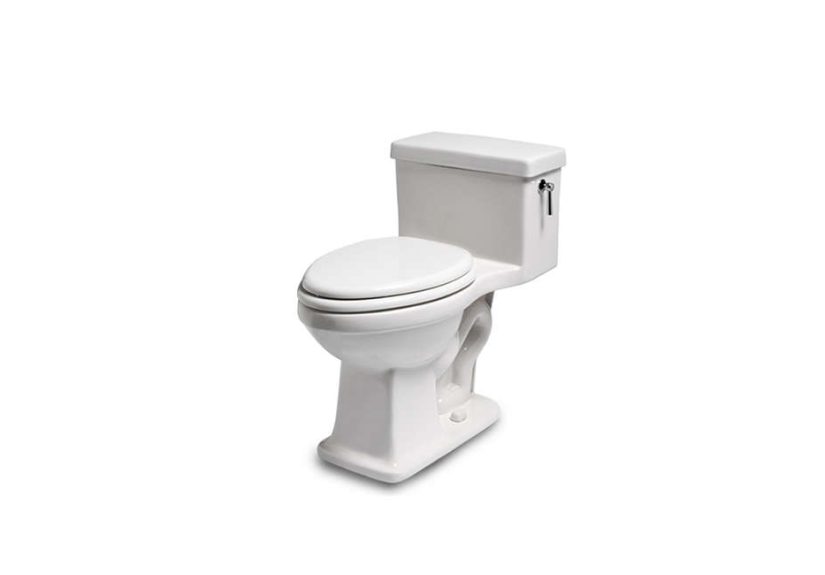
The Alden is a one-piece elongated watercloset from the Waterworks Studio line, typically identified as ALWC01 in the molded-wood-seat version.
Its overall design language is traditional-meets-transitional: simple silhouette, crisp white ceramic, and a lower-profile tank that avoids bulky visual clutter.
This is a toilet made for people who care about both performance and architecture.
Core Product Highlights
- One-piece construction (tank and bowl integrated)
- High-efficiency 1.28 GPF flush volume
- Elongated bowl for adult comfort
- Universal/chair-friendly height seating posture
- Glazed exposed trapway for cleaner flow paths
- Low-profile tank for a refined visual footprint
In premium bathroom design, details matter. The Alden’s appeal is less “look at me” and more “everything just works and looks right.”
Think of it as the white Oxford shirt of toilets: classic, functional, and hard to regret.
What “High Efficiency” Means (Beyond Marketing)
A lot of products call themselves efficient. In toilets, efficiency has specific technical meaning. In the U.S. market, modern efficient toilets often target
1.28 gallons per flush (GPF) or less, compared with the long-standing federal baseline of 1.6 GPF for new toilets.
That 20% reduction sounds small on paper, but flushes happen daily, for years, in every household.
Toilets are one of the largest indoor water users in most homes, so improving flush efficiency creates meaningful savings over time.
If you’re replacing a very old toilet (especially pre-1990s models that used dramatically more water), the reduction can be substantial in both utility use and water bills.
WaterSense and Why It Matters
For buyers who want proof, not promises, WaterSense criteria are useful. Water-efficient toilets that meet strict performance and efficiency requirements are independently tested
through third-party certification pathways. That matters because “uses less water” only helps if the toilet still clears effectively in one flush.
In plain English: lower water usage should never mean “flush twice and pray.” The best high-efficiency units are tuned to avoid that trade-off.
One-Piece vs. Two-Piece: Is Alden’s Format Worth It?
The one-piece format is a big part of the Alden value story. Two-piece toilets remain common and often cost less upfront, but one-piece models bring specific long-term benefits.
Why Homeowners Choose One-Piece
- Easier cleaning: fewer joints and seams where grime likes to camp overnight.
- Sleeker appearance: cleaner profile, often better for design-focused bathrooms.
- Fewer leak points: no tank-to-bowl gasket junction in the same way as typical two-piece setups.
- Solid feel: many users perceive one-piece fixtures as sturdier and quieter in daily use.
Trade-Offs You Should Know
- Higher initial cost vs. many two-piece alternatives.
- Heavier to move/install, so labor handling matters.
- Style-first buying risk: if you choose by looks only, you might miss performance metrics.
Bottom line: if you’re investing in a long-term bathroom upgrade, one-piece usually earns its keep through easier upkeep and better day-to-day user experience.
Flush Performance: How to Judge It Like a Pro
Toilet performance is where smart shopping happens. Don’t stop at “1.28 GPF.” You also want evidence of real evacuation performance.
One widely used independent benchmark in North America is MaP (Maximum Performance), which rates how much standardized test media a toilet can clear in a single flush.
Simple Performance Checklist
- Look for a reputable efficiency standard (1.28 GPF class).
- Check independent performance evidence where available (e.g., MaP listings/scores).
- Review trapway and bowl design features (glazing, geometry, siphon behavior).
- Check real-world complaints: repeat clogs, incomplete bowl wash, noisy refill.
If a model is efficient but underpowered, you’ll “pay back” water savings through repeat flushes. The best toilets avoid that trap by balancing hydraulic design, trapway form,
and bowl rinse coverage. This is exactly why professional buyers compare both water consumption and performance criteria.
Fit and Layout: Measure Before You Fall in Love
Great toilet, wrong rough-in = expensive disappointment. Before buying the Alden (or any toilet), measure your rough-in distance:
the distance from finished wall to the center of the closet bolts. In many modern homes, 12 inches is standard, while 10-inch and 14-inch setups also exist.
Critical Sizing Checks
- Rough-in: usually 12″, but verify.
- Bowl projection: elongated bowls improve comfort but add forward length.
- Door swing and vanity clearance: don’t let the toilet become your new doorstop.
- Seat height preference: standard vs. universal/comfort height based on household needs.
If accessibility is part of your project, seat-height expectations often trend toward the 17–19 inch range in accessible design contexts.
Even in non-ADA residential spaces, many households now prefer this taller seating posture for easier sit/stand transitions.
Cost and Long-Term Value
Premium toilets can show different price points across retailers and publication dates, so always check current listings.
For Alden specifically, public references have shown significant price variation over time and channel.
That’s normal in decorative plumbing where finish options, seat materials, trade pricing, and freight handling can affect final cost.
How to Evaluate Real Value (Not Sticker Shock)
- Water savings over lifespan (especially replacing older high-GPF models)
- Maintenance effort saved (cleaning time has value too)
- Reliability and flush consistency (fewer callbacks, fewer plungers)
- Design longevity (classic forms age better than trendy shapes)
- Potential utility rebates where available for qualifying efficient models
A cheap toilet that clogs, stains, or leaks is expensive in disguise. A better fixture can pay you back in reduced hassle, reduced water waste, and better daily comfort.
Installation and Maintenance Tips for the Alden
Installation Tips
- Confirm rough-in and side clearances before delivery day.
- Use a fresh wax ring (or approved alternative seal) and inspect flange condition.
- Level the bowl carefully to prevent rocking and seal stress.
- Avoid overtightening bolts; porcelain is not a fan of “one more turn.”
- Test for micro-leaks at supply line and base after first fill/flush cycles.
Maintenance Tips
- Use non-abrasive cleaners to protect ceramic glaze.
- Periodically check flapper/valve behavior to catch silent leaks early.
- Use dye test in tank if you suspect running water.
- Keep seat hinges and hardware snug but not overtorqued.
- Address weak refill or slow tank recovery early before it becomes performance drift.
High-efficiency toilets work best when tuned and maintained. A tiny leak can erase efficiency gains quickly, so proactive checks are part of the ownership equation.
Who Should Buy the Alden One Piece High Efficiency Watercloset?
Great Fit For:
- Design-conscious remodels that need a timeless profile
- Households wanting water efficiency without “weak flush” anxiety
- Owners who prioritize easier cleaning and lower seam count
- Projects replacing outdated, high-water-use toilets
Maybe Not Ideal If:
- You need the lowest possible upfront price
- Your installer access is difficult for heavier one-piece handling
- You prefer ultra-modern smart features over classic design language
Real-World Experiences (Extended 500-Word Practical Section)
Experience 1: The “I Didn’t Know Toilets Could Be Quietly Fancy” Remodel.
A homeowner replacing a builder-grade two-piece unit said the biggest surprise wasn’t the lookit was the day-to-day calm. The low-profile silhouette made the bathroom feel less crowded,
and cleanup got easier because there were fewer edges collecting dust and splash residue. They expected style gains, but the real win was less cleaning frustration.
Experience 2: Old House, New Toilet, Better Utility Numbers.
In a 1990s-era home with older fixtures, swapping to a high-efficiency one-piece showed noticeable water-use improvement over billing cycles.
No dramatic “movie montage” momentjust a steady reduction and fewer guilt-flushes. The homeowner also realized how often the old toilet had needed second flushes.
With better bowl evacuation consistency, they used less water and had fewer embarrassing plunger moments when guests were over.
Experience 3: The Rough-In Reality Check.
A DIY-minded buyer almost ordered before measuring. Luckily, they checked rough-in dimensions first and discovered that their older bathroom setup required extra planning.
That one tape-measure session prevented a return headache and re-stocking fee. Their takeaway: measuring feels boring, but it’s the most profitable five minutes in the whole project.
Experience 4: Family Comfort Upgrade.
A multi-generational household reported that universal/chair-height seating improved comfort for older adults without bothering younger users.
The elongated bowl format also felt more natural for everyday use. Nobody wrote a poem about it, but everyone stopped complainingan underrated design success metric.
Experience 5: Cleaner Look, Cleaner Habit.
One interior designer noted that clients who invest in a one-piece unit often maintain cleaner routines simply because the surface geometry is more approachable.
You wipe once across smoother transitions rather than navigating joints and creases. It’s not just a visual upgrade; it changes the maintenance workflow.
Experience 6: Installation Day Lessons.
A contractor shared that premium one-piece installations reward careful handling: level base, proper bolt torque, clean flange prep, and leak checks after several fill cycles.
Rushing the set can create rocking and callback risk. Done right, the fixture feels solid and trouble-free for years.
Experience 7: Performance Over Price Myth.
A buyer who assumed “expensive always flushes better” learned to compare performance evidence, flush design, and user reviews instead of price alone.
The smartest purchase came from matching bathroom constraints, family preferences, and verified efficiencynot from chasing the highest tag.
In other words, this isn’t jewelry; it’s hydraulics.
Experience 8: The Long Game.
After a year of use, one homeowner summarized the Alden-style decision this way: “I forgot about the toilet, and that’s exactly what I wanted.”
No recurring leaks, no frequent clogs, no awkward design regrets. The fixture blended into daily life while quietly doing its jobefficiently, comfortably, and with less fuss.
That is the best compliment a watercloset can earn.
Conclusion
The Alden One Piece High Efficiency Watercloset is best understood as a balanced upgrade: refined design, practical comfort, and meaningful water efficiency.
It fits homeowners who want a classic, architect-friendly look without sacrificing modern flush performance.
If you validate sizing, compare real performance signals, and install it correctly, this is the kind of bathroom decision that pays you back every dayquietly, reliably, and one flush at a time.