Table of Contents >> Show >> Hide
- Why This Viral Euro Trip Story Hit the Internet’s Funny Bone
- The Comedy of Culture Shock
- What the Remarks Reveal About American Travel Expectations
- The Funniest Themes Behind the Viral Europe Observations
- Why “Out-of-Context” Travel Humor Works So Well Online
- The Viral Story Is Also a Lesson in Better Travel
- Europe Through American Eyes: Funny, Frustrating, and Fantastic
- How Travel Creators Turn Everyday Moments Into Viral Content
- The Internet Loves a Funny Spouse Abroad
- Extra Travel Experiences: What This Viral Euro Trip Teaches Every American Tourist
- Conclusion
Some travelers bring a passport. Some bring a neck pillow. And some, blessed by the comedy gods, bring a husband who turns every cathedral, café, tiny elevator, and suspiciously warm beverage into a punchline.
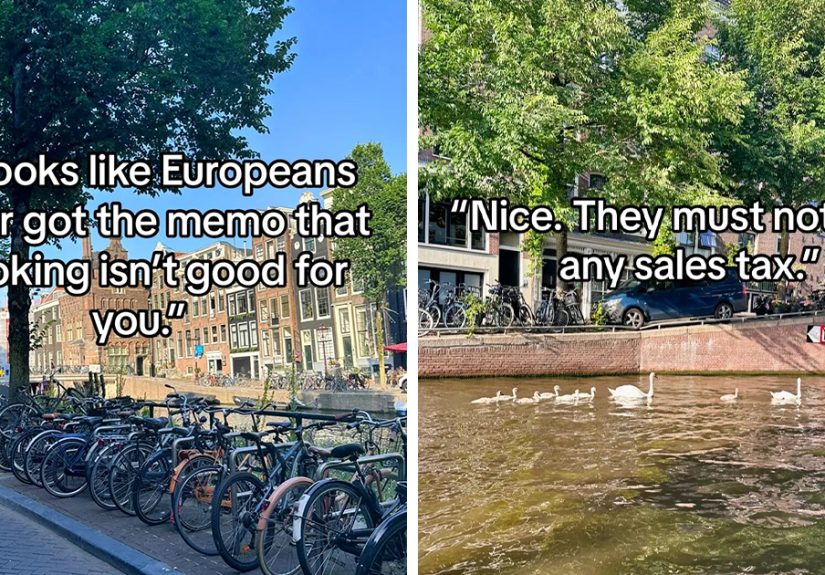
That is the cheerful engine behind the viral travel story “American Tourist Shares 22 Of Her Husband’s Witty Remarks Whilst Traveling To Europe, Goes Viral.” The post, which featured TikTok creator Roya, known online as @royaventurera, captured the internet’s favorite kind of vacation content: honest, slightly bewildered, very funny observations from an American couple experiencing Europe with fresh eyes. Instead of presenting a polished influencer itinerary where every croissant glows like it has its own lighting department, the series leaned into the little cultural surprises that happen between landmarks.
And that is why people loved it. The remarks were not grand speeches about art history or the future of civilization. They were small, quick reactions to everyday travel moments: the drinks, the buildings, the service style, the air-conditioning situation, the way Europeans walk as if stairs are a personal hobby, and the general realization that “old” in Europe does not mean 1978. It can mean “this wall was already tired before Columbus packed a bag.”
In a social media world full of over-edited travel reels, these witty Europe travel observations felt refreshingly human. They turned culture shock into comedy and reminded viewers that travel is not just about seeing new places. It is also about discovering that your assumptions packed themselves in your carry-on.
Why This Viral Euro Trip Story Hit the Internet’s Funny Bone
The reason the story traveled so far online is simple: it is relatable. Even people who have never been to Europe can understand the comedy of a traveler trying to decode a new place in real time. Every country has its own rules, rhythms, and social habits. The first trip abroad often feels like playing a board game where everyone else knows the instructions and you are politely pretending you do too.
For American travelers, Europe can be especially funny because it is familiar and unfamiliar at the same time. You may recognize the food, the architecture, the history, and the pop culture references. Yet the everyday details can feel wildly different. Restaurants may not rush you out. Hotel rooms may be smaller. Elevators may appear to have been designed for one person, one suitcase, and one optimistic thought. Ice can feel like a luxury item guarded by a secret society. Air conditioning, when present, may behave more like a suggestion than a machine.
Roya’s husband became the unofficial narrator of that experience. His remarks worked because they captured tiny moments many American tourists have privately thought about, but never turned into a punchline quickly enough. The viral effect came from recognition. Viewers saw themselves, their spouses, their parents, their friends, or that one uncle who asks why the hotel room “doesn’t have a normal-sized trash can.”
The Comedy of Culture Shock
Culture shock does not always arrive as a dramatic crisis. Sometimes it shows up as confusion over tipping. Sometimes it appears when a waiter does not bring the check until asked. Sometimes it happens when you realize the “first floor” in one country may not mean what an American expects. Travel humor lives in these small translation gaps.
That is what made the viral remarks so shareable. They were not cruel; they were observational. They poked fun at the traveler’s own expectations as much as at the destination. Good travel comedy usually works that way. It does not say, “This place is wrong.” It says, “My brain was not ready for this, and now everyone must know.”
Europe offers endless material for that kind of humor because the continent is deeply varied. A first-time visitor may move from Paris to Rome to Amsterdam to Barcelona and feel like they have entered completely different operating systems. The currencies may often be the same, the train networks may connect smoothly, and the flights may be short, but the social codes can shift quickly. A joke that begins with “Why is everything closed at this hour?” may become “Why did no one tell me dinner starts when my grandma is already asleep?”
What the Remarks Reveal About American Travel Expectations
The humor also works because it reveals something bigger about American tourist expectations. Americans are used to convenience, space, speed, refills, cold drinks, car-friendly layouts, and customer service that often performs enthusiasm at Olympic levels. Europe, depending on the country and city, may offer a different version of comfort: slower meals, walkable neighborhoods, dense public transit, smaller rooms, older buildings, and service that is professional without necessarily becoming your new best friend.
That contrast is comedy gold. An American tourist may arrive expecting a vacation to run like a theme park, only to discover that European cities are not built around personal convenience. They are layered, lived-in, and sometimes delightfully impractical. A staircase may be ancient. A street may be cobbled. A café table may be tiny enough to make your cappuccino and phone negotiate for territory.
The viral husband remarks turned those differences into entertainment. They were funny because they captured the first stage of travel learning: surprise. The second stage is adjustment. The third stage, if you are lucky, is appreciation. By the end of a good Europe trip, many Americans stop asking why things are different and start enjoying the fact that they are.
The Funniest Themes Behind the Viral Europe Observations
1. Drinks, Ice, and the American Need for Arctic Beverages
No subject unites American travelers quite like ice. In the United States, a cold drink often means a cup filled with enough ice to preserve a small mammoth. In many parts of Europe, beverages may arrive chilled but not glacier-level frozen. This difference has created endless tourist jokes, and the viral remarks tapped into that familiar surprise.
The same goes for beer, water, and soft drinks. Americans often expect large portions and constant refills. European dining culture, by contrast, may treat drinks as something to savor rather than endlessly replenish. That is not worse; it is just different. Still, when a jet-lagged traveler wants a giant cup of ice water and receives a modest glass with two heroic cubes, comedy naturally follows.
2. Air Conditioning as a Philosophical Question
Another recurring theme in American travel humor is air conditioning. Many U.S. homes, stores, cars, and hotels are cooled aggressively. In Europe, especially in older buildings or milder climates, air conditioning can be less common, less powerful, or absent altogether. A visitor arriving during a heat wave may suddenly develop strong opinions about window placement.
This is one of those practical travel details that becomes funny only after the sweating stops. Many seasoned travelers now know to check hotel listings carefully before booking. Does the room have air conditioning? Is it central air or a portable unit? Is it available all season or only when the hotel decides the weather has earned it? These are not glamorous questions, but they can determine whether a vacation feels like a dream or a slow roast.
3. Tipping Without a Calculator and a Moral Crisis
American tipping culture is its own emotional obstacle course. Many U.S. diners are trained to calculate percentages, decode tablet prompts, and feel guilty before dessert. In much of Europe, tipping is usually more modest, varies by country, and may involve rounding up or leaving a small amount for good service rather than adding a large percentage automatically.
This difference can confuse first-time visitors. Some Americans worry they are being rude if they do not tip enough. Others over-tip because they apply U.S. habits abroad. The best approach is to learn local expectations before the meal, keep small coins or bills handy, and remember that generosity is lovely, but cultural awareness is lovelier. In other words: do not make the waiter explain international economics while holding your tiramisu.
4. Old Buildings That Redefine the Word “Old”
Europe has a way of humiliating the American timeline. In the U.S., a building from the 1800s may be considered historic. In Europe, that can feel practically teenage. A cathedral, castle, bridge, or stone wall might be older than entire nations, and locals may casually walk past it while eating a sandwich.
That contrast often produces some of the best tourist remarks. Americans can be stunned by how history is woven into daily life. You might turn a corner and find a Roman ruin next to a coffee shop, or sleep in a hotel that has seen more centuries than your family tree. It is beautiful, strange, and occasionally inconvenient when the old building’s elevator is the size of a broom closet with ambition.
5. Walking, Stairs, and the Surprise Fitness Program
A European vacation can quietly become a cardio plan. Many popular cities are best explored on foot, and historic centers may include hills, bridges, cobblestones, narrow lanes, and stairs that appear at the exact moment your suitcase becomes a burden with wheels. Americans from car-dependent suburbs may feel personally attacked by the number of steps involved in “just going to dinner.”
But walking is also one of Europe’s great pleasures. It slows the traveler down. It reveals bakeries, courtyards, street musicians, side streets, and unexpected views. The same tourist who complains on day one may be wandering happily by day five, pretending they always understood the magic of comfortable shoes.
Why “Out-of-Context” Travel Humor Works So Well Online
Out-of-context humor has become one of social media’s strongest formats because it invites viewers to fill in the blanks. A short remark beside a travel photo can suggest an entire scene: a confused husband in front of a monument, a wife laughing behind the camera, a crowd of strangers going about their day, and one line that captures the absurdity of being far from home.
That format is perfect for TikTok, Instagram, and other visual platforms. People do not need a full travel diary. They need a hook, a feeling, and a reason to tag someone. “This is you in Italy.” “This is Dad in France.” “This is us after one train ride.” The content spreads because it becomes personal for each viewer.
It also helps that couple travel content has built-in chemistry. The best travel companions notice different things. One person reads the museum label. The other notices the bathroom door has a confusing lock. One person photographs the skyline. The other announces that the pigeons seem “more confident here.” Together, they create a fuller, funnier trip.
The Viral Story Is Also a Lesson in Better Travel
Behind the jokes is a useful lesson: the best travelers stay curious. They notice differences without immediately judging them. They laugh at their own confusion. They ask questions. They adapt. Most importantly, they understand that the point of going somewhere new is not to recreate home with a better view.
For American tourists visiting Europe, that mindset matters. Before traveling, check passport validity, entry rules, visa or authorization requirements, and health guidance. Learn a few basic phrases in the local language. Read about local tipping customs. Pack lighter than your fear suggests. Bring shoes that can survive a long walk. Confirm whether your hotel has air conditioning if you are traveling in summer. And when something feels unfamiliar, pause before labeling it inconvenient. It may simply belong to a different way of life.
That is the sweet spot where travel humor becomes travel wisdom. A witty remark can begin as a joke and end as a reminder: the world is bigger than your routine.
Europe Through American Eyes: Funny, Frustrating, and Fantastic
American tourists often arrive in Europe with a suitcase full of expectations. Some are accurate. Many are not. Yes, the food can be incredible. Yes, the museums can be overwhelming. Yes, the trains can be wonderfully useful. But there may also be crowded attractions, confusing ticket machines, unpredictable opening hours, and a shocking number of stairs between you and your hotel room.
That mixture is what makes the trip memorable. Perfect vacations are nice, but imperfect vacations create the stories people actually retell. Nobody comes home saying, “Every transaction was efficient and all beverages met my preferred temperature.” They say, “Remember when we got lost in Venice and accidentally found the best pasta of our lives?” or “Remember when the elevator fit one backpack and half a person?”
The viral remarks succeeded because they lived in that messy, funny middle. They did not present travel as flawless. They presented it as a series of surprises worth laughing about.
How Travel Creators Turn Everyday Moments Into Viral Content
Roya’s viral series also shows how travel creators can stand out without chasing luxury. The internet already has plenty of sunset drone shots, hotel room tours, and slow-motion pastry videos. What people still crave is personality. A funny caption can outperform a perfect photo because it gives viewers a voice to connect with.
That is especially true for travel content. A landmark may be famous, but a traveler’s reaction makes it fresh. Millions of people have seen the Eiffel Tower, the Colosseum, and the canals of Venice online. Fewer have heard your spouse compare a local custom to something wildly specific from back home. That is the unique angle.
For bloggers, influencers, and casual travelers, the lesson is useful: document the details. Write down the weird things someone says when they are tired, hungry, amazed, or trying to understand a train platform. Those lines are often more memorable than the itinerary. They capture the emotional truth of travel, which is rarely polished and often hilarious.
The Internet Loves a Funny Spouse Abroad
There is also a warm relationship element to the story. Travel can reveal a lot about couples. Some people become planners. Some become snack managers. Some become translators using one semester of high school French and dangerous confidence. And some become the unofficial comedian of the trip.
A witty travel partner can make stressful moments lighter. Missed trains, small rooms, language mix-ups, and confusing menus become easier when someone can make you laugh. Of course, timing matters. A joke is funnier after you find the hotel, not while dragging luggage across cobblestones in the rain. But when done with affection, humor becomes part of the travel memory.
That is probably why the viral remarks felt so charming. They were not just about Europe. They were about a couple experiencing Europe together, collecting private jokes in public places, and accidentally inviting the internet along for the ride.
Extra Travel Experiences: What This Viral Euro Trip Teaches Every American Tourist
Anyone who has traveled with a witty companion knows that the best remarks usually happen when the itinerary starts misbehaving. Imagine an American couple arriving in a European city after an overnight flight. They have slept for forty-seven minutes, their luggage has developed the personality of a stubborn farm animal, and the hotel room will not be ready until 3 p.m. Suddenly, every tiny detail becomes fascinating. The bathroom button looks unfamiliar. The coffee is smaller than expected but stronger than a legal argument. The street is beautiful, but the sidewalk seems designed by someone who wanted luggage wheels to suffer.
These are the experiences that make travel funny later. At the time, they may feel confusing. You may wonder why the restaurant is closed in the afternoon, why the hotel lobby is up one flight of stairs, why the train platform changed without a dramatic announcement, or why the waiter appears completely unconcerned that you have finished eating and would like the check sometime before your next birthday. Then, slowly, the rhythm changes. You realize the long meal is not bad service; it is an invitation to relax. The smaller room is not a personal insult; it is normal in a dense old city. The lack of giant ice water is not a plot. It is just a different habit.
One of the most common American-in-Europe experiences is learning to walk differently. At home, many people drive from the house to the store, from the store to the gym, and then walk on a treadmill while watching a screen. In Europe, the city itself becomes the treadmill, except it has better architecture and more pastries. A tourist may start the morning determined to “take it easy,” then end the day with 22,000 steps, sore calves, and a suspicious sense of accomplishment. The witty spouse will absolutely point this out, usually while climbing another staircase.
Another classic experience is learning that convenience is cultural. Americans often love speed: quick coffee, quick checkout, quick refills, quick everything. Europe often rewards patience. A bakery line may move slowly because the person at the counter is actually speaking to customers like they are humans, not obstacles. A restaurant may expect you to ask for the bill because no one wants to rush you. A train ride may become part of the pleasure rather than just transportation. Once travelers adjust, these differences can feel less like problems and more like permission to breathe.
The viral husband remarks matter because they capture this transformation. The first reaction is comedy. The deeper lesson is openness. Travel becomes richer when tourists stop demanding that every place behave like home. Laugh at the differences, yes. Make the joke. Take the photo. Share the caption. But also let the place teach you something. That is how a vacation becomes more than a checklist. It becomes a story you keep retelling, complete with one-liners, wrong turns, tiny elevators, excellent bread, and the unforgettable realization that sometimes the funniest person on the trip is the one standing next to you, saying exactly what everyone else was thinking.
Conclusion
The viral story of an American tourist sharing her husband’s witty remarks while traveling through Europe is more than a funny internet moment. It is a snapshot of what makes travel so entertaining: the clash between expectation and reality, the comedy of tiny inconveniences, and the joy of seeing familiar habits from a new angle.
For American travelers, Europe can be dazzling, confusing, delicious, exhausting, and deeply funny all at once. One minute you are admiring a centuries-old cathedral; the next, you are wondering why your hotel shower has the spatial logic of a puzzle box. That combination is exactly why people keep goingand why they keep sharing the stories afterward.
The best lesson from this viral Euro trip is simple: pack curiosity, patience, comfortable shoes, and a sense of humor. The landmarks will impress you, but the little moments will stay with you. And if your travel partner happens to narrate the whole adventure with perfect comic timing, congratulations. You did not just book a vacation. You brought your own entertainment.
Note: This article is an original, publication-ready synthesis based on public reporting, travel guidance, and general travel etiquette research. It does not reproduce the original social media captions verbatim.