Table of Contents >> Show >> Hide
- Why Keeping Scrambled Eggs Warm Matters
- Simple Ways to Keep Scrambled Eggs Warm: 8 Steps
- Step 1: Start With Soft, Slightly Moist Scrambled Eggs
- Step 2: Preheat the Serving Dish Before Adding Eggs
- Step 3: Use a Low Oven for Short-Term Holding
- Step 4: Try a Double Boiler for Gentle Heat
- Step 5: Use a Slow Cooker on Warm, Carefully
- Step 6: Use a Chafing Dish or Warming Tray for Buffets
- Step 7: Serve Scrambled Eggs in Small Batches
- Step 8: Watch the Clock and Store Leftovers Safely
- Best Tools for Keeping Scrambled Eggs Warm
- How to Keep Scrambled Eggs Moist While Warm
- Common Mistakes to Avoid
- Extra Experience: Real-Life Tips for Keeping Scrambled Eggs Warm
- Conclusion
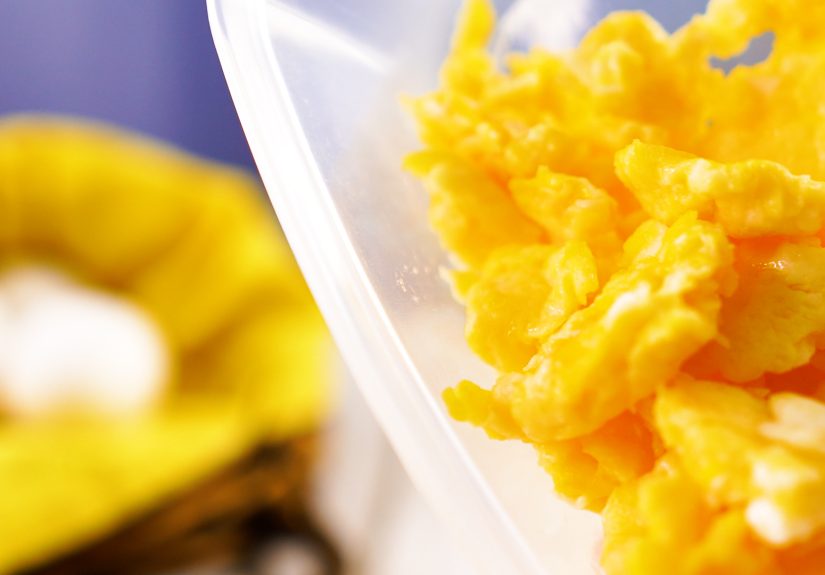
Scrambled eggs are the golden retrievers of breakfast: friendly, comforting, and loved by almost everyone. But they also have one dramatic flawthey cool down faster than a teenager asked to unload the dishwasher. One minute they are fluffy, steamy, and buttery. Ten minutes later, they are sad yellow curds wondering where the applause went.
Whether you are hosting brunch, feeding overnight guests, preparing breakfast burritos, serving a church buffet, or trying to keep eggs warm while the toast finishes its final act, knowing how to hold scrambled eggs properly makes a big difference. The goal is simple: keep scrambled eggs warm without drying them out, overcooking them, or letting them sit in the food-safety danger zone.
The good news? You do not need restaurant equipment or a culinary degree. With the right timing, temperature, serving dish, and a few smart tricks, you can keep scrambled eggs soft, warm, and safe long enough for everyone to enjoy them. Below are eight practical steps that combine real food-safety guidance with home-kitchen common sense.
Why Keeping Scrambled Eggs Warm Matters
Scrambled eggs taste best when served soon after cooking, but life rarely follows the breakfast schedule. Someone is still asleep. The bacon is not done. The coffee machine is behaving like it has trust issues. The pancakes need another batch. This is why warm-holding methods matter.
Eggs are perishable, protein-rich foods, which means they need careful handling after cooking. Hot egg dishes should generally be kept hot at 140°F or above if they are being held for service. Cooked eggs should not be left at room temperature for more than two hours, or more than one hour when the surrounding temperature is above 90°F. That is not meant to scare you away from brunch; it simply means warm eggs need a plan.
Texture matters too. Scrambled eggs continue to cook from residual heat, so if they are fully cooked to the dry-and-rubbery stage before holding, they may turn into breakfast confetti. The best approach is to cook them gently, hold them warmly, stir them lightly, and serve them in small batches when possible.
Simple Ways to Keep Scrambled Eggs Warm: 8 Steps
Step 1: Start With Soft, Slightly Moist Scrambled Eggs
The first secret to keeping scrambled eggs warm is not the warmerit is the cooking. If the eggs are already dry when they leave the skillet, no warming tray, chafing dish, or slow cooker can magically turn them back into clouds. Cook scrambled eggs over low to medium-low heat and stir them gently. Remove them from the heat when they are set but still soft and slightly glossy.
Scrambled eggs should not be runny, but they do not need to be stiff. Think tender curds, not yellow pencil erasers. A splash of milk, half-and-half, or cream can help with moisture, but technique matters more than dairy. Butter also helps improve flavor and texture, especially if you are holding the eggs for a short time.
For larger groups, cook eggs in smaller batches instead of one huge skillet mountain. Smaller batches cook more evenly, taste fresher, and are easier to hold safely. This is the difference between “brunch hero” and “person responsible for the egg brick.”
Step 2: Preheat the Serving Dish Before Adding Eggs
Cold serving dishes steal heat fast. If you scoop hot scrambled eggs into a chilly ceramic bowl, the bowl acts like a tiny refrigerator with a decorative rim. Instead, warm the serving dish first.
You can do this by filling a heat-safe bowl or serving dish with hot water for a few minutes, then drying it thoroughly before adding the eggs. Another option is to place an oven-safe dish in a low oven for a short time. The dish should be warm, not blazing hot. You want to help the eggs stay cozy, not continue cooking aggressively.
This small step is especially useful for family breakfasts where the eggs only need to stay warm for 10 to 20 minutes. It is low-tech, cheap, and surprisingly effective. Sometimes the best kitchen gadget is simply a warm bowl and a little foresight.
Step 3: Use a Low Oven for Short-Term Holding
A low oven is one of the easiest ways to keep scrambled eggs warm at home. Transfer the cooked eggs to an oven-safe dish, cover loosely with foil, and place them in an oven set around 200°F. The foil helps reduce moisture loss while still preventing condensation from raining back down like breakfast weather.
This method works best for short holding times, usually around 15 to 30 minutes. Stir the eggs gently once or twice if needed, but do not keep opening the oven door every three minutes like you are checking on a celebrity guest. Heat escapes quickly, and the eggs may dry out faster.
If the eggs begin to look dry, fold in a small pat of butter or a spoonful of warm milk. Do this gently. Scrambled eggs are delicate after cooking, and aggressive stirring can turn them into a paste. The goal is soft folds, not egg cement.
Step 4: Try a Double Boiler for Gentle Heat
A double boiler is excellent for keeping scrambled eggs warm because it uses gentle, indirect heat. Place the scrambled eggs in a heatproof bowl set over a pot of barely simmering water. The bottom of the bowl should not touch the water. Cover the bowl loosely and stir occasionally.
This method is great when you want to protect texture. Instead of blasting the eggs with direct heat, steam warms the bowl gradually. It is the spa treatment of egg holding methods: calm, warm, and not too aggressive.
Keep the water at a low simmer, not a rolling boil. Too much heat can continue cooking the eggs and make them rubbery. A double boiler is especially helpful for smaller brunches, breakfast taco bars, or situations where people are eating in waves.
Step 5: Use a Slow Cooker on Warm, Carefully
A slow cooker can keep scrambled eggs warm, but it must be used thoughtfully. Not all “warm” settings are the same, and some appliances may not hold food hot enough for safe service. Before using a slow cooker for eggs, check the manual or test the temperature with a food thermometer.
Lightly butter the insert, add the cooked scrambled eggs, cover, and set the cooker to warm. Stir gently every 15 to 20 minutes. If the eggs start drying out, fold in a small amount of butter or warm milk. Avoid using a slow cooker to reheat cold eggs from the refrigerator because the food may spend too long warming through. Reheat leftovers quickly by a safer method first, then transfer them for holding.
This method works well for breakfast buffets, potlucks, and holiday mornings when the kitchen is already juggling three side dishes and one relative offering unsolicited advice.
Step 6: Use a Chafing Dish or Warming Tray for Buffets
For larger gatherings, a chafing dish is one of the best ways to keep scrambled eggs warm for a crowd. Chafing dishes use hot water and a heat source below the pan to maintain steady warmth. They are common at catered breakfasts because they are designed for buffet service.
Add a little hot water to the bottom pan, place the eggs in the food pan, cover with the lid, and stir occasionally. The lid matters. Without it, heat and moisture escape, and the eggs may dry out quickly. If you are using a warming tray, confirm that it can keep food at 140°F or above. Some warming devices are better for keeping plates warm than safely holding perishable foods.
For best quality, serve smaller amounts at a time and refill from a fresh hot batch. This keeps the eggs looking fluffy instead of tired. Nobody wants to be the last person facing a pan of eggs that has been sitting there since the first cup of coffee.
Step 7: Serve Scrambled Eggs in Small Batches
One of the simplest ways to keep scrambled eggs warm and delicious is to avoid putting all of them out at once. Instead, hold part of the batch warm in the kitchen and serve smaller portions on the table or buffet. When the first dish runs low, replace it with a fresh warm portion.
This strategy improves both safety and taste. Smaller serving dishes lose less quality over time, and guests get eggs that feel freshly made. It also reduces the amount of food exposed to room temperature. For egg dishes, small platters are a smart move because they make temperature control easier.
This is especially useful for brunch bars, breakfast sandwiches, hotel-style setups, and family gatherings where people arrive at the table in stages. It also makes the host look organized, which is always impressiveeven if the kitchen sink is secretly full of pans.
Step 8: Watch the Clock and Store Leftovers Safely
Warm scrambled eggs still need a time limit. If cooked eggs have been sitting out at room temperature, refrigerate them within two hours. If the room or outdoor serving area is above 90°F, refrigerate within one hour. If the eggs have been held hot at 140°F or above, they can remain safe longer, but quality will still decline over time.
For leftovers, place eggs in shallow airtight containers so they cool quickly. Refrigerate promptly and use them within a few days. Reheat scrambled eggs until hot throughout, adding a little moisture if needed. A microwave works well for small portions if you stir halfway through heating. A skillet over low heat also works, especially with a small pat of butter.
When in doubt, throw it out. It is not dramatic; it is just breakfast wisdom. No leftover egg is worth turning your stomach into a haunted house.
Best Tools for Keeping Scrambled Eggs Warm
For Home Breakfasts
For a normal family breakfast, the easiest tools are a warmed ceramic bowl, foil, a low oven, or a double boiler. These methods require little setup and are perfect when you only need to keep eggs warm while toast, bacon, waffles, or coffee catches up.
For Brunch Parties
For a brunch party, a slow cooker or chafing dish is usually more practical. A slow cooker is convenient for casual gatherings, while a chafing dish looks more polished and works better for buffet-style service. Either way, use a thermometer to check that your setup is holding the eggs at a safe temperature.
For Breakfast Burritos or Sandwiches
If you are making breakfast burritos, sandwiches, or wraps, keep scrambled eggs warm in a covered bowl or low oven while you prepare the rest of the ingredients. Assemble the food in batches so the eggs do not sit around too long. Warm tortillas, toasted bread, or preheated plates also help keep the final meal hot.
How to Keep Scrambled Eggs Moist While Warm
Warm eggs can dry out because heat continues to evaporate moisture. To prevent this, keep them covered, use gentle heat, and avoid overcooking them at the start. A small amount of butter can help maintain richness, while a spoonful of warm milk can loosen eggs that have become too firm.
Do not add too much liquid after cooking. A little helps; a lot creates watery eggs. Add moisture slowly and fold gently. Also, avoid high heat. High heat is the villain in most scrambled egg tragedies. It toughens proteins, squeezes out moisture, and leaves you with eggs that bounce emotionally, if not physically.
Common Mistakes to Avoid
Holding Eggs at Room Temperature
Leaving scrambled eggs on the counter and hoping for the best is not a holding method. It is a countdown. If eggs are not being served immediately, keep them hot or refrigerate them within the safe time window.
Using Too Much Heat
Trying to keep eggs warm over direct heat often leads to overcooking. A skillet left on the burner, even on low, can create dry patches and browned bits. Gentle indirect heat is almost always better.
Forgetting to Cover the Dish
Uncovered scrambled eggs lose heat and moisture quickly. Use foil, a lid, or the cover that comes with your warmer. Just leave a small gap if condensation becomes excessive.
Making One Giant Batch Too Early
Cooking a huge batch an hour before guests eat is asking a lot from those eggs. Cook closer to serving time whenever possible, and use small batches for better quality.
Extra Experience: Real-Life Tips for Keeping Scrambled Eggs Warm
After cooking breakfast for groups, families, early risers, late sleepers, and people who claim they are “not hungry” right before eating half the eggs, one lesson becomes clear: scrambled eggs reward timing more than perfection. You can have the best recipe in the world, but if the eggs sit uncovered on a cold plate for 25 minutes, they will not taste like victory. They will taste like someone forgot them during a group text argument.
The most reliable experience-based trick is to finish everything else first. Toast can wait. Bacon can sit on a rack in a low oven. Fruit can chill. Plates can be stacked and ready. Scrambled eggs should be one of the last hot foods you cook because they are fast, delicate, and happiest when fresh. When the table is set and the coffee is poured, then scramble the eggs. This one habit prevents more breakfast disappointment than any fancy tool.
For family mornings, a warmed bowl covered with foil is usually enough. I like to heat the bowl with hot water, dry it, add the eggs, dot the top with a tiny bit of butter, and cover it loosely. This keeps the eggs warm while people gather, find forks, pour juice, and ask where the hot sauce went even though it is directly in front of them.
For brunches, the small-batch method is the real champion. Instead of displaying one massive tray of scrambled eggs, serve one modest dish and keep another warm portion ready. Guests notice the difference. Fresh-looking eggs get eaten faster, which is exactly what you want. The longer eggs sit, the more they lose that soft, fluffy personality.
If you are using a slow cooker, experience says to butter the insert well and stir gently. The edges can dry first, especially if the cooker runs hot. A silicone spatula is helpful because it moves the eggs without crushing them. Also, resist the urge to keep lifting the lid. Every peek releases heat and moisture. The eggs are not plotting an escape.
Outdoor breakfasts need extra caution. Warm weather shortens the safe serving window, and direct sun can make food quality drop quickly. If you are serving eggs outside, use a covered warmer, keep the setup shaded, and bring out smaller portions. Refill as needed rather than letting one pan sit in the sun like it is trying to get a tan.
For breakfast burrito prep, slightly softer scrambled eggs work best because they continue to firm up inside the tortilla. Keep them warm in a covered dish, then assemble quickly with warm tortillas, cheese, potatoes, salsa, or vegetables. If you are meal-prepping burritos for later, cool the eggs quickly, assemble safely, wrap tightly, and refrigerate or freeze depending on your plan.
The biggest lesson is simple: heat control is kindness. Scrambled eggs do not like being rushed, blasted, ignored, or reheated five times. Treat them gently, hold them warmly, and serve them before they lose their charm. Do that, and your eggs will stay soft enough for brunch guests, breakfast sandwiches, buffet trays, and sleepy people who wander into the kitchen asking, “Are there any eggs left?”
Conclusion
Keeping scrambled eggs warm is not complicated, but it does require attention to temperature, timing, and texture. Start with gently cooked eggs, use a warmed dish or low-heat holding method, cover them to preserve moisture, and serve smaller batches when feeding a crowd. For longer service, use equipment that can hold hot food at a safe temperature, such as a tested slow cooker, chafing dish, or warming tray.
The best scrambled eggs are warm, soft, and safenot dry, cold, or mysteriously abandoned on the counter. With these eight simple steps, you can serve eggs that still taste fresh when everyone finally makes it to the table. Breakfast may not always run on schedule, but your scrambled eggs can still show up like professionals.