Table of Contents >> Show >> Hide
- What Is Healthline Fitness?
- Why “Fitness That Fits You” Matters
- The Science-Backed Foundation of Healthline Fitness
- How Healthline Fitness Makes Exercise More Accessible
- Building a Fitness Routine That Actually Fits
- Who Can Benefit From Healthline Fitness?
- Safety First: Fitness Should Help, Not Hurt
- Real-Life Experiences: What “Fitness That Fits You” Looks Like in Practice
- Conclusion: A Smarter, Kinder Way to Move
- SEO Tags
Note: This article is written for web publication and synthesizes reputable U.S.-based health and fitness guidance from sources such as Healthline, CDC, HHS physical activity guidance, the American Heart Association, Mayo Clinic, Cleveland Clinic, Harvard Health, NIH/MedlinePlus, ACSM, and ACE Fitness.
Fitness has had a public relations problem for years. Somewhere between “no pain, no gain,” neon shaker bottles, and people filming burpees from angles nobody asked for, exercise started to feel like a members-only club. Healthline Fitness enters the conversation with a refreshingly simple idea: fitness should fit your life, your body, your schedule, your energy, and your starting pointnot the other way around.
The phrase “Fitness That Fits You” is more than a friendly slogan. It represents a shift away from perfection-based wellness and toward practical, science-backed movement that real people can actually maintain. Whether your current workout routine involves lifting weights, walking the dog, chasing toddlers, stretching beside your desk, or carrying all grocery bags in one heroic trip, the message is the same: movement counts, and consistency beats intensity when intensity becomes impossible to maintain.
What Is Healthline Fitness?
Healthline Fitness is a fitness-focused content initiative designed to make exercise feel more accessible, inclusive, and useful. Instead of treating fitness as a one-size-fits-all formula, it encourages people to find routines that match their bodies, goals, lifestyles, and confidence levels. The approach is rooted in evidence-based guidance, expert input, and clear takeaways that help readers start, restart, or continue their fitness journey without needing to decode gym jargon.
That matters because many people do not avoid exercise because they hate feeling better. They avoid it because the fitness world can feel confusing, intimidating, expensive, time-consuming, or oddly obsessed with making simple things sound like military operations. Healthline Fitness aims to remove those barriers by focusing on achievable movement, realistic habits, and health benefits that go far beyond appearance.
A Fitness Message Built Around Real Life
The core idea is simple: the best fitness plan is not the flashiest one. It is the one you can return to. Healthline Fitness emphasizes practical options such as short movement sessions, beginner-friendly strength routines, walking, stretching, mobility work, bodyweight exercises, and simple ways to fit activity into daily life.
That approach lines up with major public health guidance. Adults are generally encouraged to aim for at least 150 minutes of moderate-intensity aerobic activity per week, along with muscle-strengthening activities on two or more days. Healthline’s “22 minutes a day” framing makes that goal feel less like a mountain and more like a hill with a snack break halfway up. Divide 150 minutes by seven days, and you get about 22 minutes per day. Suddenly, fitness looks less like a dramatic life overhaul and more like a walk, a quick home workout, or a few movement breaks stitched into a normal schedule.
Why “Fitness That Fits You” Matters
Fitness advice often fails because it starts with the workout instead of the person. A perfect gym plan is useless if someone works two jobs, has joint pain, feels self-conscious, cannot afford equipment, or simply does not enjoy the workout. A routine that looks impressive on paper may collapse by Wednesday if it does not respect real-life obstacles.
Healthline Fitness stands out because it recognizes that people are not blank calendars with legs. They have families, deadlines, medical histories, energy dips, budgets, stress, sleep issues, and, occasionally, a laundry chair that has become a permanent household resident. Fitness that fits you works with those realities rather than pretending they do not exist.
It Moves Beyond the “All-or-Nothing” Trap
One of the biggest fitness myths is that a workout only matters if it is long, sweaty, and mildly dramatic. In reality, public health experts consistently emphasize that some movement is better than none. Short walks, light stretching, strength exercises at home, and breaking up long sitting periods can all contribute to better health over time.
This is especially important for beginners. When people believe they must go from zero to extreme, they often do nothing at all. Healthline Fitness promotes a more forgiving and effective mindset: start where you are, build gradually, and let progress accumulate. Your first workout does not need to look like a movie training montage. It can look like ten minutes of walking after dinner. The soundtrack is optional.
It Supports Confidence, Not Shame
Good fitness content should help people feel capable, not judged. Healthline Fitness focuses on what movement can help you gain: energy, strength, mobility, better sleep, improved mood, heart health, endurance, balance, and confidence. That is a healthier and more sustainable message than framing exercise only around what someone should lose.
This matters because shame is a terrible personal trainer. It may push someone briefly, but it rarely builds long-term trust. Confidence, on the other hand, grows when people understand why a movement helps, how to do it safely, and how to adapt it to their current level. A beginner-friendly pushup variation, a clear explanation of walking intensity, or a simple reminder to rest can make exercise feel possible instead of punishing.
The Science-Backed Foundation of Healthline Fitness
Healthline Fitness reflects a broader evidence-based understanding of movement. Exercise is not just about building muscle or improving endurance. Regular physical activity is associated with better cardiovascular health, stronger bones and muscles, improved mood, better sleep, enhanced energy, healthier blood sugar regulation, and reduced risk of several chronic diseases.
The most useful part? Benefits do not require perfection. You do not need a boutique gym membership, matching activewear, or a smoothie that costs the same as a small appliance. Many effective forms of fitness are free or low-cost: walking, climbing stairs, bodyweight strength training, dancing, gardening, yoga, cycling, and mobility exercises.
Aerobic Activity: The Heart-Healthy Workhorse
Aerobic activity includes movement that raises your heart rate and breathing, such as brisk walking, jogging, swimming, cycling, dancing, or using an elliptical machine. The American Heart Association, CDC, and federal physical activity guidelines all highlight aerobic movement as a key part of adult health.
Moderate-intensity activity should feel like effort, but not like you are negotiating with your lungs. A simple “talk test” can help: during moderate activity, you can talk but not comfortably sing. If you can belt out a full musical number, you may be moving lightly. If you can only say one dramatic word at a time, you may be in vigorous territory.
Strength Training: Not Just for Gym People
Strength training helps maintain and build muscle, support joint health, improve balance, and make daily tasks easier. It does not have to mean heavy barbells. Resistance bands, dumbbells, machines, bodyweight moves, or household items can all help when used safely.
Examples include squats to a chair, wall pushups, glute bridges, step-ups, rows with resistance bands, planks, and controlled lunges. For beginners, the goal is not to destroy every muscle fiber in a single session. The goal is to learn movement patterns, build consistency, and gradually increase challenge.
Mobility, Flexibility, and Balance: The Underrated Heroes
Mobility and flexibility work often get treated like the garnish of fitnessnice, but optional. In reality, they help people move with more comfort and control. Stretching, yoga, dynamic warmups, ankle mobility drills, hip openers, and balance exercises can support better posture, coordination, and everyday function.
Balance training is especially valuable as people age, but it is not only for older adults. Anyone who has ever tripped over a phone charger and briefly questioned gravity can appreciate the value of better stability.
How Healthline Fitness Makes Exercise More Accessible
Accessibility is one of the strongest parts of the “Fitness That Fits You” philosophy. Instead of presenting exercise as something that only happens in gyms, Healthline Fitness broadens the definition. Fitness can happen at home, outside, at work, during errands, with family, or in small pockets of time throughout the day.
Short Workouts Can Still Count
Many people think they need a full hour to work out. But short sessions can be useful, especially when repeated consistently. A 10-minute walk after lunch, five minutes of stretching before bed, or a 15-minute bodyweight circuit can all support a more active lifestyle.
For busy people, this is a relief. You do not have to wait for the mythical “perfect time” to exercise. That time is probably hiding next to the missing sock from your dryer. Instead, you can use the time you actually have.
At-Home Fitness Removes Common Barriers
At-home workouts can be helpful for beginners, caregivers, remote workers, people with limited transportation, or anyone who would rather not commute to exercise. Bodyweight movements such as squats, modified pushups, planks, bird dogs, bridges, and step-ups can build strength without equipment.
The key is to start with movements that match your level. If a full pushup is too difficult, a wall pushup or incline pushup is not “cheating.” It is training intelligently. If squats bother your knees, sitting down to and standing up from a chair may be a better starting point. Fitness that fits you includes modifications, not ego contests.
Walking Deserves More Respect
Walking is one of the most underrated forms of exercise. It is approachable, low-cost, joint-friendly for many people, and easy to adjust. A beginner might start with five to ten minutes at a comfortable pace. Someone more experienced might add hills, intervals, or a brisker tempo.
Walking also works well because it can be paired with daily life. Walk during a phone call. Park farther away. Take a lap around the block after dinner. Walk with a friend instead of meeting only for coffee. Your body gets movement, your brain gets fresh air, and your group chat gets fewer complaints about being tired.
Building a Fitness Routine That Actually Fits
A good fitness routine should answer three questions: What can you do safely? What can you do consistently? What do you not secretly hate? The answers matter because long-term fitness is built on repeatable behavior, not one heroic Monday.
Step 1: Start With Your Current Reality
Before choosing a workout plan, look at your schedule, energy, experience, space, and goals. A college student, office worker, new parent, retiree, and night-shift nurse may all benefit from exercise, but their routines should not look identical.
For example, someone with 20 minutes in the morning might do a simple circuit: five minutes of warmup walking, ten minutes of bodyweight strength, and five minutes of stretching. Someone who dislikes structured workouts might build activity through walking, dancing, hiking, recreational sports, or active chores. Yes, vacuuming counts as movement. No, it does not make the vacuum less annoying.
Step 2: Choose a Weekly Mix
A balanced routine usually includes aerobic activity, strength training, mobility or flexibility work, and rest. Here is a simple beginner-friendly example:
- Monday: 20-minute brisk walk plus light stretching
- Tuesday: Beginner strength routine with squats to a chair, wall pushups, bridges, and rows
- Wednesday: Easy walk or mobility session
- Thursday: Strength training again, using similar movements
- Friday: Dance, cycling, swimming, or another enjoyable cardio option
- Saturday: Longer relaxed walk, hike, or active family time
- Sunday: Rest, gentle stretching, or recovery movement
This kind of plan is flexible. If life interrupts, move sessions around. The goal is not to protect the calendar at all costs. The goal is to keep returning to movement.
Step 3: Progress Gradually
Progress does not always mean doing more until your soul leaves your body. It can mean better form, more confidence, slightly longer walks, an extra set, improved balance, or needing less rest between exercises.
A smart progression might be adding five minutes to a walk, increasing resistance slightly, moving from wall pushups to incline pushups, or practicing a deeper squat only when it feels comfortable. The body adapts best when challenge increases gradually. Too much too soon can lead to soreness, frustration, or injury.
Who Can Benefit From Healthline Fitness?
The better question may be: who cannot? Healthline Fitness is useful for beginners, people returning after a break, home exercisers, gym-goers, older adults, busy professionals, parents, caregivers, and anyone who wants fitness advice that sounds like it was written for humans instead of robots in compression shorts.
Beginners Who Feel Intimidated
For beginners, the hardest part is often not the workout itself. It is the feeling of not knowing where to begin. Healthline Fitness helps by breaking topics into clear explanations, practical examples, and approachable routines. That can reduce the fear of “doing it wrong” and help people build momentum.
People With Busy Schedules
Many adults struggle to fit exercise into crowded days. Healthline’s emphasis on short, realistic movement sessions can be especially helpful here. A 22-minute daily goal feels more manageable than vague advice to “exercise more.” It also allows people to split movement into smaller pieces, such as ten minutes in the morning and twelve minutes later in the day.
People Who Want Health, Not Hype
Fitness trends come and go. Some are useful. Some are basically regular exercise wearing a fake mustache. Healthline Fitness works best when it keeps the focus on evidence-based movement, safety, and sustainable habits rather than quick fixes.
Safety First: Fitness Should Help, Not Hurt
A fitness routine should challenge you, but it should not leave you feeling broken. Beginners should start slowly, learn proper form, and choose activities that match their current ability. People with chronic conditions, injuries, pregnancy-related concerns, chest pain, dizziness, or major changes in health should speak with a qualified healthcare professional before starting or significantly changing an exercise routine.
Good signs during exercise include warmth, increased breathing, and mild muscle effort. Warning signs include chest pain, faintness, sharp pain, unusual shortness of breath, or symptoms that feel alarming. Fitness that fits you includes listening to your body, not arguing with it like it owes you rent.
Recovery Is Part of the Plan
Rest is not laziness. It is when the body adapts. Sleep, hydration, nutrition, lighter movement days, and recovery time all support progress. A routine that never allows recovery is not disciplined; it is poorly negotiated.
Real-Life Experiences: What “Fitness That Fits You” Looks Like in Practice
The most powerful part of Healthline Fitness is not only the expert guidance. It is the way the message can show up in ordinary life. For many people, fitness begins when they stop waiting for the perfect plan and start choosing movement that fits the day in front of them.
Imagine someone who works at a desk for eight hours and feels stiff by late afternoon. A traditional fitness mindset might say, “You need a full gym program.” A fitness-that-fits-you mindset says, “Start by standing up every hour, walking for five minutes after lunch, and doing a short strength routine twice a week.” That small shift can turn exercise from an intimidating event into a normal part of the day.
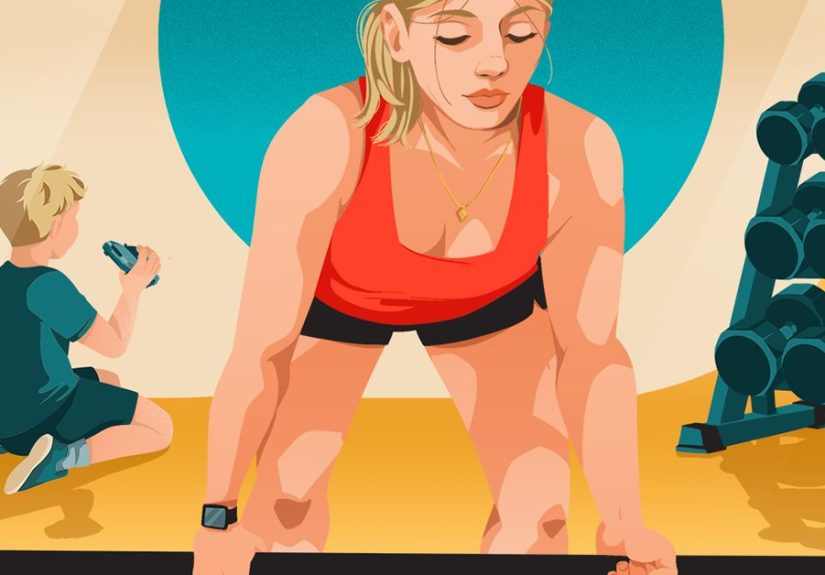
Or consider a parent who cannot easily leave home for a workout. Instead of giving up, they might build movement around family life: stroller walks, living-room dance breaks, playground step-ups, or a 15-minute bodyweight workout while dinner is in the oven. Is it glamorous? Not always. Does someone small possibly interrupt to ask where socks come from? Absolutely. But it counts.
Another example is the person returning to movement after months or years away. They may feel embarrassed that their endurance is lower than before. Healthline Fitness offers a kinder way to restart: begin with what is doable, celebrate consistency, and progress slowly. A ten-minute walk is not a failure because it is not thirty minutes. It is a first brick in the wall.
For someone who dislikes gyms, fitness might look like hiking, cycling, swimming, gardening, dancing, or joining a recreational sports group. The best routine is often the one that does not feel like punishment. Enjoyment matters because people repeat what they can tolerateand they are more likely to continue what they actually like.
There is also an emotional experience tied to accessible fitness. When people discover that movement does not have to be extreme, they often feel relief. They realize that health is not reserved for the already athletic. They learn that confidence can grow from small wins: finishing a walk, lifting a slightly heavier weight, touching their toes more comfortably, sleeping better, or climbing stairs with less effort.
One of the most relatable experiences is the “messy middle.” Motivation is high at first, then life happens. Work gets busy. Weather changes. Sleep gets weird. The old all-or-nothing mindset says, “You missed three days, so the plan is ruined.” Fitness that fits you says, “Restart today with ten minutes.” This is where sustainable fitness is builtnot in perfect streaks, but in the ability to return.
Many people also learn that their definition of progress changes. At first, they may focus on numbers: minutes, steps, reps, or distance. Over time, they notice other wins. They feel less winded. Their mood improves after a walk. Their back feels better after mobility work. They have more patience after moving their body. They stop seeing exercise as a punishment for eating and start seeing it as maintenance for living.
That is the heart of Healthline Fitness. It gives people permission to personalize the process. A workout does not have to impress the internet. It has to serve the person doing it. When fitness fits your life, it becomes less like a temporary project and more like brushing your teeth: not always thrilling, but very useful, and everyone appreciates the results.
Conclusion: A Smarter, Kinder Way to Move
Healthline Fitness arrives with a message the wellness world needs: fitness should be practical, personal, and built for real people. Instead of chasing perfection, the goal is to help readers find movement they can do safely, enjoy regularly, and adapt as life changes.
The idea of “Fitness That Fits You” is powerful because it respects the truth that everyone starts somewhere. Some people begin with a gym routine. Others begin with a walk around the block, a chair squat, a stretch before bed, or a five-minute movement break between meetings. All of those choices can be meaningful.
Fitness does not need to be loud to be effective. It does not need to be extreme to matter. It simply needs to be consistent enough, safe enough, and personal enough to become part of your life. Healthline Fitness makes that message clear: move in ways that support your health, build your confidence, and fit the life you are actually living.