Table of Contents >> Show >> Hide
- What Is Inside Apple Seeds?
- Are Apple Seeds Actually Poisonous?
- Why Swallowing Whole Seeds Is Usually Low Risk
- Can Apple Juice or Smoothies Be Risky?
- Signs That Apple Seed Exposure May Be a Problem
- Who Should Be Extra Careful?
- Do Apple Seeds Have Health Benefits?
- Apple Nutrition: Why the Fruit Is Still Worth Eating
- How to Eat Apples Safely
- Common Myths About Apple Seeds
- What to Do If You Accidentally Swallowed Apple Seeds
- Practical Kitchen Tips for Families
- Experience Section: Real-Life Lessons From the Apple Core
- Conclusion
Apples are basically the golden retrievers of the fruit world: friendly, reliable, easy to pack in a lunchbox, and somehow welcome in both pies and salads. But then there is that tiny, suspicious-looking core. More specifically, the seeds. If you have ever accidentally swallowed a few apple seeds and then wondered whether you just turned snack time into a medical thriller, you are not alone.
So, are apple seeds poisonous? The honest answer is: yes, apple seeds contain a natural compound that can become toxic, but accidentally swallowing a few whole seeds is very unlikely to harm you. The real concern comes from chewing, crushing, or intentionally eating a large amount of seeds. In other words, enjoying an apple is not dangerous. Treating apple seeds like sunflower seeds is where the plot gets weird.
This guide breaks down what is inside apple seeds, how the body handles them, when they may become risky, what symptoms to watch for, and how to enjoy apples safely without turning your fruit bowl into a chemistry lesson.
What Is Inside Apple Seeds?
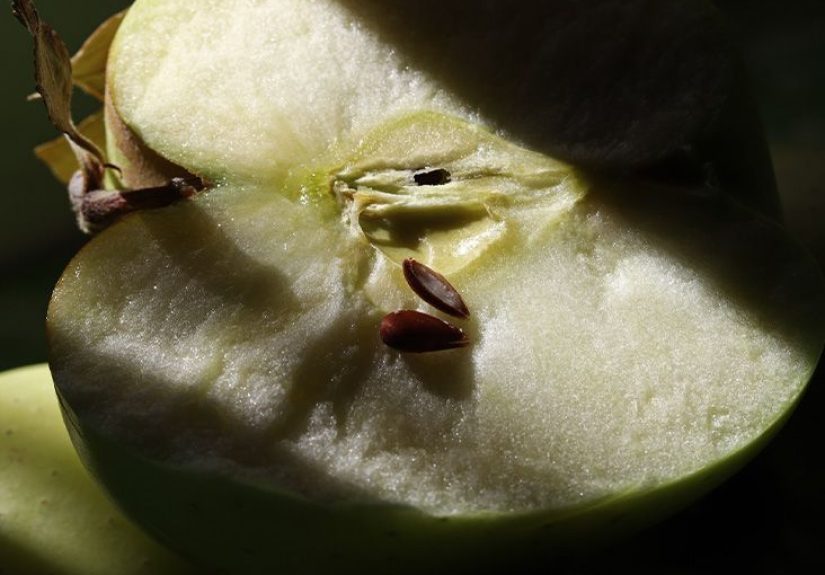
Apple seeds contain a plant compound called amygdalin. Amygdalin is found naturally in the seeds or pits of several fruits, including apples, pears, cherries, peaches, apricots, and plums. Plants do not add it for drama. It is part of their natural defense system, helping discourage animals and insects from chewing up the seed before it has a chance to grow.
The important detail is that amygdalin is locked inside the seed. Apple seeds also have a tough outer coating. If you swallow a seed whole, that coating usually passes through the digestive system without releasing much of anything. Your stomach is not a tiny seed-crushing factory, despite what it may think after tacos.
However, when apple seeds are chewed, ground, blended, or crushed, the protective shell breaks. Enzymes can then interact with amygdalin and release hydrogen cyanide, a toxic chemical that interferes with how cells use oxygen. That sounds alarming because it is serious in high enough exposure. But the amount potentially released from a few accidentally chewed apple seeds is typically very small.
Are Apple Seeds Actually Poisonous?
Yes, apple seeds are considered potentially poisonous because of their amygdalin content. Poison Control lists apple seeds and leaves among poisonous plant parts, and food-safety agencies warn that seeds from apples and pears can release cyanide when eaten in ways that break them down.
But poison risk depends on three big factors: how many seeds were eaten, whether they were chewed or crushed, and the person’s size and health. A few whole seeds swallowed by accident are not the same situation as deliberately chewing a handful of seeds. That difference matters.
Think of it like coffee. One cup can be pleasant. Twenty cups is a questionable life choice. The substance, amount, and context all matter. With apple seeds, normal accidental exposure is usually not a cause for panic, while intentional seed consumption is not recommended.
Why Swallowing Whole Seeds Is Usually Low Risk
The outer shell of an apple seed acts like a tiny natural helmet. When swallowed whole, many seeds pass through the digestive tract mostly intact. Because the amygdalin remains sealed inside, very little is converted into cyanide.
This is why someone who accidentally swallows a few seeds while eating an apple generally does not need to rush into emergency mode. The human body can also detoxify very small amounts of cyanide from natural food sources. Still, “small accidental amount” is the key phrase. Apple seeds should not be eaten on purpose, especially by children, pets, or anyone who may be more sensitive to toxins.
What About Chewing One or Two Seeds?
Chewing one or two apple seeds by mistake is still unlikely to cause harm in most healthy people. The taste is bitter, which is nature’s polite way of saying, “Maybe do not make this a hobby.” The risk rises when seeds are chewed in larger quantities or when they are crushed into smoothies, powders, or homemade remedies.
Can Apple Juice or Smoothies Be Risky?
Commercial apple juice is generally considered safe. Research on apple seeds and processed apple juice has found that amygdalin levels in commercial juices are low and unlikely to pose a health problem for consumers. That is good news for anyone who prefers their apples in a glass and their mornings without anxiety.
Homemade smoothies deserve a little more care. If you toss whole apples into a high-powered blender, seeds can be crushed along with the fruit. One seeded apple in a large smoothie is not usually a disaster, but the safer habit is simple: core apples before blending. It takes a few seconds and avoids unnecessary exposure.
Signs That Apple Seed Exposure May Be a Problem
Serious cyanide poisoning from apple seeds is rare, but knowing warning signs is useful. Possible symptoms after a concerning exposure may include headache, dizziness, nausea, vomiting, weakness, confusion, unusual sleepiness, fast breathing, or trouble breathing. Severe exposure can become dangerous quickly.
If someone has eaten a large amount of crushed or chewed apple seeds, or if symptoms appear after seed ingestion, contact Poison Control at 1-800-222-1222 in the United States or seek emergency medical care. Do not wait for the situation to “feel dramatic enough.” Poison experts exist exactly for these awkward gray areas.
Who Should Be Extra Careful?
Children should avoid apple seeds because their smaller body size can make toxin exposure more concerning. Parents and caregivers can simply slice apples, remove the core, or use an apple corer. This also lowers choking risk, which is a more common everyday issue than cyanide poisoning.
Pets should also be protected from apple cores. Dogs may happily eat things that would make a nutritionist stare into the distance, but that does not mean they should chew apple seeds. Apple slices without seeds can be a safer occasional treat for many dogs, but the core and seeds should be removed.
People with swallowing difficulties, digestive conditions, or unusual reactions to foods should also be cautious. While apple seeds are not a common allergy trigger compared with many other foods, any unusual swelling, breathing difficulty, or severe reaction after eating should be treated as urgent.
Do Apple Seeds Have Health Benefits?
Apple seeds are sometimes pulled into online wellness myths, especially because amygdalin has been marketed under names like “vitamin B17” or laetrile. This is misleading. Amygdalin is not recognized as an essential vitamin, and laetrile is not an approved cancer treatment in the United States.
The FDA has warned about products containing high levels of amygdalin, especially apricot seed products, because they can lead to cyanide toxicity. That warning matters for apple seeds, too, because the same general chemical concern applies: concentrated or intentional consumption of amygdalin-containing seeds is risky, not health-promoting.
If you want nutrition from an apple, the good stuff is in the flesh and skin: fiber, vitamin C, water, and plant compounds such as polyphenols. The seed is not the prize. It is the tiny bitter thing you remove before baking a crisp.
Apple Nutrition: Why the Fruit Is Still Worth Eating
Do not let seed concerns scare you away from apples. Apples are nutritious, affordable, portable, and available in enough varieties to make the produce aisle feel like a personality quiz. Sweet Fuji? Tart Granny Smith? Dramatic Honeycrisp? There is an apple for every mood.
A medium apple provides fiber, water, natural carbohydrates, and small amounts of vitamin C. The skin contains much of the apple’s fiber and polyphenols, so eating apples with the peel can increase their nutritional value. Fiber supports digestion, helps with fullness, and can play a role in heart and blood sugar health as part of an overall balanced diet.
Apples are not magic. They will not cancel out three days of pizza or replace medical care. But they are a smart everyday fruit that fits easily into breakfast, snacks, salads, oatmeal, baked dishes, and school lunches.
How to Eat Apples Safely
The safest approach is simple and not remotely fancy:
- Eat the apple flesh and skin.
- Remove the core when possible.
- Do not intentionally chew or eat apple seeds.
- Core apples before blending them into smoothies.
- Keep apple cores away from small children and pets.
- Call Poison Control if a large amount of seeds was eaten or symptoms occur.
For most people, this is all the apple-seed safety plan they need. No lab coat required.
Common Myths About Apple Seeds
Myth 1: One Apple Seed Can Poison You
This is not realistic for most healthy people. A single whole seed is very unlikely to cause harm. The body usually passes it without absorbing much amygdalin.
Myth 2: Apple Seeds Are a Natural Medicine
No. Apple seeds should not be used as a supplement, cleanse, cancer remedy, or wellness hack. The compound that makes them risky is not a secret superfood. It is a toxin concern.
Myth 3: Seedless Apple Eating Is Overreacting
Removing seeds is not panic; it is basic food prep. People remove cherry pits, peach pits, and watermelon rinds without making it a personality trait. Coring an apple is the same kind of common-sense habit.
Myth 4: Apple Juice Is Dangerous Because Apples Have Seeds
Commercial apple juice is generally safe. The risk is not the existence of apple seeds somewhere in the apple universe. The concern is concentrated exposure from crushed or chewed seeds, especially in larger amounts.
What to Do If You Accidentally Swallowed Apple Seeds
If you swallowed a few whole seeds while eating an apple, you can usually relax. Drink water, continue your day, and maybe give the apple core a more suspicious look next time.
If you or someone else chewed a large amount of seeds, ate crushed seeds, or feels unwell afterward, call Poison Control or seek medical help. When calling, be ready to share the person’s age, approximate weight, how much was eaten, whether the seeds were chewed or swallowed whole, and what symptoms are present. This helps professionals give the right guidance.
Practical Kitchen Tips for Families
For younger kids, slice apples into wedges and remove the core. A small apple corer is inexpensive and makes the job quick. For lunchboxes, a little lemon juice can help apple slices stay fresher-looking. For baking, remove seeds before cooking, blending, or pureeing apples.
If you compost, apple cores are usually fine for a compost pile, but do not leave piles of cores where pets can snack on them. Dogs in particular may chew cores thoroughly, which is exactly what you do not want with apple seeds.
Experience Section: Real-Life Lessons From the Apple Core
Most apple seed worries start the same way: someone is halfway through a perfectly normal snack, looks down, realizes the core is missing a seed or two, and suddenly becomes a part-time toxicologist. The good news is that this tiny panic is usually bigger than the actual risk. Still, the experience teaches a helpful lesson about food safety: natural does not always mean harmless, and harmless in small accidental amounts does not mean smart to eat on purpose.
In everyday life, the most useful habit is not fear. It is routine. When preparing apples for children, remove the core before serving. When making smoothies, cut apples into chunks and discard the seeds first. When baking apple pie, applesauce, apple butter, or muffins, do not rely on cooking to make seed-eating a good idea. Just remove them. The process is simple, and it keeps the focus where it belongs: on cinnamon, sweetness, and whether someone is going back for a second slice.
Another experience many people have is watching kids or pets treat food waste like treasure. A toddler may gnaw on an apple core because toddlers are tiny chaos scientists. A dog may grab one from the trash because dogs believe every object is either food or almost food. In both cases, prevention is easier than worry. Put cores in a covered trash can or compost bin. Offer seedless apple slices instead. That one habit can prevent choking concerns, stomach upset, and unnecessary calls for advice.
For adults, apple seeds are a reminder to be skeptical of wellness claims that sound too dramatic. If someone online says bitter fruit seeds are a miracle cure, your eyebrows should immediately file a complaint. Food can be powerful, but risky compounds do not become safe just because they come from a plant. Apples are healthy because of their fiber, water, vitamin C, and polyphenolsnot because of the seeds.
The best personal rule is this: enjoy apples generously, avoid the seeds casually, and do not turn accidental exposure into a crisis. A few swallowed seeds are usually not a problem. A habit of chewing or collecting seeds is a bad idea. That middle-ground understanding is more helpful than either panic or carelessness.
In a practical kitchen, the safest apple is also the most delicious one: washed, sliced if needed, core removed, skin left on when possible, and paired with peanut butter, cheese, oatmeal, yogurt, or a pie crust that knows what it is doing. Apple seeds may have a tiny dark reputation, but the apple itself still deserves its place as one of America’s favorite fruits. Just let the seeds sit this one out.
Conclusion
Apple seeds are poisonous in the technical sense because they contain amygdalin, which can release cyanide when seeds are chewed, crushed, or ground. However, accidentally swallowing a few whole seeds is very unlikely to harm most people. The protective seed coating usually keeps the compound locked away as the seed passes through the body.
The safest advice is simple: eat the apple, skip the seeds. Remove the core before giving apples to children, blending apples into smoothies, or sharing apple slices with pets. If a large amount of crushed or chewed seeds was eaten, or if symptoms appear, contact Poison Control or seek medical care right away.
Apples remain a healthy, delicious fruit. The flesh and skin are the stars of the show. The seeds are more like backstage equipment: important to the plant, not meant for your snack plate.