Table of Contents >> Show >> Hide
- Way 1: Choose Frames That Fit Your Face, Not Someone Else’s Trend
- Way 2: Pick Colors and Materials That Match Your Everyday Style
- Way 3: Style Makeup, Brows, and Hair Around Your Frames
- Way 4: Make Comfort, Cleanliness, and Confidence Part of the Look
- Extra Experience: Real-Life Lessons From Wearing Glasses With Style
- Conclusion
Glasses are no longer the shy little accessory people “put up with” because their eyes demanded a union contract. Today, glasses are part vision tool, part style statement, part personality billboard. The right pair can make a simple outfit look intentional, brighten your face, sharpen your everyday style, and save you from the ancient ritual of squinting at menus like they contain national secrets.
Still, looking good in glasses is not about chasing one perfect frame shape or following a rigid beauty rulebook. It is about fit, comfort, confidence, and a little visual harmony. The best glasses for women are the ones that help you see clearly, feel like yourself, and work with your lifestyle. A bold cat-eye frame may make one person feel unstoppable, while a slim round metal frame may make another feel calm, polished, and quietly brilliant. Both are wins.
This guide breaks the process into four practical ways to look good in glasses: choosing frames that fit well, styling glasses with your face and wardrobe, adjusting makeup and hair without overthinking it, and keeping your glasses clean, comfortable, and camera-ready. No complicated fashion math. No “you must wear this because your face is shaped like a fruit” nonsense. Just useful, real-world advice you can actually use.
Way 1: Choose Frames That Fit Your Face, Not Someone Else’s Trend
The fastest way to look good in glasses is to wear frames that fit properly. Trendy frames are fun, but fit is what makes them look natural instead of borrowed from a theater costume box. A good frame should sit comfortably on your nose, follow the width of your face, stay balanced behind your ears, and keep your eyes positioned near the center of each lens.
Start With the Three Frame Measurements
Most eyeglass frames have three numbers printed inside the temple arm. These usually represent lens width, bridge width, and temple length, measured in millimeters. For example, a frame marked 50-18-140 means the lens is 50 mm wide, the bridge is 18 mm wide, and the temple arm is 140 mm long. These numbers are tiny, but they are surprisingly powerful. They are like the glasses version of “know your jeans size,” except less emotionally dramatic.
If you already own a pair that feels comfortable, use those numbers as a starting point when shopping. If your glasses slide down constantly, pinch your nose, leave marks, or sit crooked, they may need adjustment or a different bridge width. A low-bridge fit, adjustable nose pads, or lighter frame material can make a huge difference, especially if standard frames tend to rest on your cheeks or slip when you smile.
Use Face Shape as a Guide, Not a Law
Face-shape advice can be helpful, but it should never feel like a prison sentence. The classic idea is simple: contrast can create balance. Rounder faces often look great with square, rectangular, or angular frames. More angular faces often pair nicely with round, oval, or softly curved frames. Heart-shaped faces may enjoy frames that are slightly wider at the top or delicate at the bottom. Oval faces usually have flexibility with many shapes.
But here is the important part: your taste matters more than the chart. If you love oversized tortoiseshell frames and they make you feel like a glamorous editor walking into a meeting with mysterious notes, wear them. If you prefer clear frames because they work with everything, that is also style. Glasses should support your personality, not erase it.
Think About Frame Width and Eye Position
When trying on glasses, check whether the frame is too narrow or too wide. If the temples squeeze the sides of your head, the frame is likely too small. If the frame extends far beyond your face, it may look oversized in a way you did not intend. Your eyes should sit close to the horizontal center of each lens. If your eyes appear too high, too low, or too close to the inner corners, the frame may not be ideal for your prescription or proportions.
This matters for style and vision. A frame that fits well tends to look intentional, while a poor fit can distract from your face and make even expensive glasses look awkward. When in doubt, ask an optician for help. A small professional adjustment can turn “these are annoying” into “wait, these are actually cute.”
Way 2: Pick Colors and Materials That Match Your Everyday Style
Frame color can change the whole mood of your look. Black frames can feel bold, smart, and classic. Tortoiseshell adds warmth and texture. Clear frames feel modern and light. Metal frames can look minimal, vintage, or refined. Bright colors can bring personality without requiring a full wardrobe revolution.
Match Your Frames to Your Closet, Not Just Your Face
A common mistake is choosing glasses in isolation. You try them on under store lighting, love them for eight minutes, then get home and realize they do not work with anything you wear. Before buying, think about your actual wardrobe. Do you wear soft neutrals, denim, black basics, colorful dresses, gold jewelry, silver jewelry, sporty outfits, or business-casual pieces? Your glasses should feel like they belong in your real life.
If your style is clean and minimal, thin metal, transparent, beige, navy, or black frames may blend beautifully. If you love vintage looks, try round, browline, or cat-eye shapes. If your wardrobe is playful, jewel-tone, red, green, purple, or patterned frames can become your signature. If you want one pair that works with almost everything, tortoiseshell, champagne, soft brown, rose, gray, or clear frames are easy to style.
Consider Skin Tone, Hair Color, and Contrast
Frame colors do not have to “match” your coloring perfectly, but they should make you feel fresh rather than washed out. Warm complexions often pair well with honey, caramel, olive, warm tortoise, bronze, and gold tones. Cooler complexions may enjoy black, silver, blue, burgundy, plum, gray, or crystal tones. Neutral complexions can usually play on both teams, which is unfair but convenient.
Hair color also affects the overall look. Dark hair can handle strong contrast beautifully, while lighter hair may look soft and polished with translucent, blush, taupe, or thin metal frames. Red or auburn hair can look striking with green, bronze, warm tortoise, or deep brown. These are not rules; they are starting points. The mirror gets the final vote.
Choose Lens Features That Help You Look and Feel Better
Lens choices affect appearance more than many people realize. Anti-reflective coating can reduce glare on the front and back of lenses, making your eyes more visible in conversations, selfies, video calls, and bright indoor lighting. It also helps glasses look cleaner and less distracting. If you have ever taken a photo and seen two glowing rectangles where your eyes should be, anti-reflective coating is your friend.
High-index lenses may be useful for stronger prescriptions because they can be thinner and lighter than standard lenses. Photochromic lenses can be convenient if you move between indoors and outdoors often. Blue-light filtering lenses are popular, but they are not a magic cure for digital eye strain. Screen discomfort is often linked to long focus time, glare, dryness, reduced blinking, and poor lighting. For many people, better screen habits matter more than blue-light marketing.
Way 3: Style Makeup, Brows, and Hair Around Your Frames
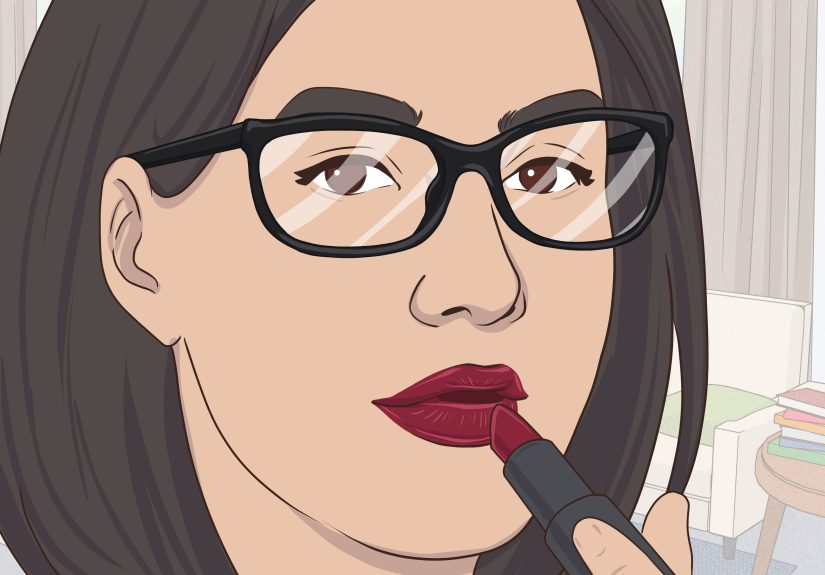
Glasses already frame your eyes, so makeup and hair do not need to shout. The goal is balance. A little definition can keep your features visible behind the lenses, while too much product can smudge, transfer, or compete with bold frames. Think of glasses as part of the look, not an obstacle you have to defeat with eyeliner.
Keep Brows Groomed but Natural
Brows and glasses live in the same neighborhood, so they should get along. You do not need dramatic brows, but brushing them upward and filling sparse areas lightly can help your face look polished. If your frames are thick or dark, softer brows may feel balanced. If your frames are thin or transparent, slightly more brow definition can add structure.
The best brow rule is simple: enhance what is there. Avoid drawing a completely new expression on your face unless you enjoy looking permanently surprised during casual conversations.
Use Eye Makeup Strategically
Glasses can cast shadows around the eyes, so a little brightening can help. Concealer under the eyes, a soft neutral shadow, curled lashes, and mascara can open the eye area without looking heavy. If your lashes hit your lenses, try curling them and using a lengthening or defining mascara rather than a very wet volumizing formula. Waterproof or smudge-resistant products can help if your frames touch your skin.
If you are nearsighted, your lenses may make your eyes appear slightly smaller, so soft shimmer, light eyeliner, and curled lashes can brighten the look. If you are farsighted, your lenses may magnify your eyes, so blended shadow and clean lines can look especially polished. These effects vary by prescription, but they are useful to notice when adjusting your routine.
Apply Blush and Highlighter With Your Glasses On
Here is a practical trick: put your glasses on before placing blush. Frames show where your cheeks are visible, which helps you avoid putting color exactly where the rim sits. A soft blush placed slightly outward and upward can add warmth without competing with the frame. Highlighter should be subtle near glasses because too much shine can mix with lens glare and create a disco-ball situation. Fun at parties, less ideal on a Tuesday morning Zoom call.
Let Hair Work With the Shape of the Frame
Hair can change how glasses look. If you wear bold frames, sleek hair, a ponytail, a bun, or a tucked-behind-the-ear style can let the frames shine. If your frames are delicate, loose waves, layers, or curtain bangs can add softness. Bangs can look amazing with glasses, but they need a little planning. If your bangs hit the lenses, they may get oily or annoying. A slightly shorter fringe, side-swept shape, or light curtain bang may be easier to manage.
Earrings can also help complete the look. Small hoops, studs, pearls, delicate drops, or simple metal earrings often work well because they add polish without crowding the face. If your frames are bold, keep earrings simpler. If your frames are minimal, statement earrings can bring the drama. Glasses and earrings are like roommates: they do not have to match, but they should not fight over the bathroom.
Way 4: Make Comfort, Cleanliness, and Confidence Part of the Look
The most stylish glasses in the world will not look good if you are constantly pushing them up, wiping fog off the lenses, or wearing them crooked because one temple arm is staging a rebellion. Comfort and maintenance are not boring details; they are part of looking polished.
Keep Your Glasses Clean the Right Way
Clean lenses make a huge difference. Smudged glasses can make your eyes look hidden and can also make you feel distracted. Use a microfiber cloth and lens-safe cleaning spray. Avoid wiping lenses with paper towels, shirt hems, or napkins, because rough fibers can scratch coatings over time. Also avoid household cleaners, which may damage lens treatments.
Keep a small cloth in your bag, desk, or car so you are not forced into desperate cleaning methods. Your T-shirt may be convenient, but your lenses deserve better. They help you read street signs, texts, and menus. Show some respect.
Adjust Frames Before They Become Annoying
If your glasses slide, pinch, tilt, or leave deep marks, get them adjusted. Many optical shops can adjust nose pads, temple arms, and frame alignment quickly. A tiny tweak can make glasses feel lighter and look more symmetrical. This is especially important if you wear glasses all day, work at a computer, drive often, or switch between glasses and sunglasses.
Do not ignore discomfort. When glasses hurt, you start touching them constantly, and that makes the whole look feel less effortless. Well-fitted glasses stay where they belong, which lets you forget about them and focus on your day.
Practice the 20-20-20 Rule for Screen Comfort
If you spend long hours on a computer or phone, your glasses may not be the only factor in eye comfort. Digital eye strain can be connected to reduced blinking, screen glare, poor lighting, and staring at one distance for too long. The 20-20-20 rule is simple: every 20 minutes, look at something about 20 feet away for 20 seconds. It gives your focusing muscles a break and reminds you to blink like a human instead of a statue guarding an inbox.
Good posture, proper screen distance, reduced glare, and regular breaks can make your eyes feel better. When your eyes feel better, you look more relaxed. That relaxed energy is part of style, too.
Own Your Glasses as Part of Your Identity
The real secret to looking good in glasses is not a specific frame, color, or makeup trick. It is ownership. Glasses look best when you stop treating them like a backup plan and start treating them like part of your style. Choose a pair you actually like. Take time to find the right fit. Build a simple routine around them. Then wear them without apologizing.
Some women keep multiple pairs: one classic pair for work, one fun pair for weekends, one lightweight pair for long screen days, and one bold pair for “I have arrived” moments. You do not need a collection, but having options can make glasses feel more like fashion and less like equipment. Even one excellent pair can change how you feel in your everyday outfits.
Extra Experience: Real-Life Lessons From Wearing Glasses With Style
One of the biggest lessons about looking good in glasses is that the first pair you like may not be the pair you wear the most. Many women fall in love with dramatic frames online, order them, and then realize they only work with two outfits and a very specific level of confidence. That does not mean bold frames are bad. It means your best everyday glasses should match the version of you who is running errands, working, studying, cooking dinner, answering emails, and trying to find where you left your keys.
A practical experience many glasses wearers share is the “mirror versus life” test. A frame can look beautiful during a quick try-on, but daily use reveals the truth. Does it slide when you laugh? Does it clash with your favorite lipstick? Does it feel heavy after three hours? Does it create glare during video calls? Does it leave marks on your nose? These details matter because style is not only what people see; it is also how you feel while wearing it.
Another helpful experience is learning that small changes can make a pair feel completely different. Adjusting the nose pads can lift the frame slightly and make your eyes look more centered. Tightening the temples can stop slipping. Switching to anti-reflective lenses can make your eyes clearer in photos. Choosing thinner lenses can make a strong prescription look more balanced. Even cleaning the lenses properly can make your whole face look brighter. Sometimes the “new glasses glow-up” is not new glasses at all; it is maintenance.
Makeup routines also become easier with practice. At first, glasses can make eye makeup feel confusing. You may wonder whether eyeliner should be thicker, whether mascara will hit the lenses, or whether your eyes disappear behind dark frames. The best solution is to experiment on normal days, not five minutes before an event. Try one change at a time: curl lashes, brighten inner corners, define brows, use a soft brown liner, or add a little concealer where frames cast shadows. Take a quick photo in natural light. Photos reveal glare, frame balance, and makeup intensity better than a bathroom mirror at midnight.
Hair styling has its own learning curve. Some people discover that a middle part looks chic with round frames, while others prefer a side part with cat-eye glasses. Some love wearing glasses with a sleek bun because it makes the frames feel intentional. Others prefer soft layers because they balance sharper rectangular frames. The best experience-based advice is to style your hair while wearing your glasses, not before. Glasses change the proportions of your face, so they should be included in the final check.
Finally, confidence grows when glasses stop feeling like an interruption. Many women remember a time when they avoided wearing glasses in photos or kept switching to contacts for social events. Then they find a pair that feels right, and suddenly glasses become part of their signature. Friends recognize the frame. Outfits feel more complete. The morning routine gets easier. The face in the mirror looks not “hidden,” but finished.
Looking good in glasses is a mix of smart choices and personal comfort. Choose frames that fit, colors that work with your life, lenses that support your needs, and styling habits that make you feel put together. The result is not just better eyewear. It is better ease. And ease always looks good.
Conclusion
Glasses can be one of the most flattering and practical accessories a woman owns. The key is to choose frames that fit your face comfortably, select colors and materials that match your everyday style, adjust makeup and hair around the frame, and keep your lenses clean and comfortable. You do not need to follow every trend or obey every face-shape rule. The best glasses are the ones that help you see clearly, feel confident, and look like yourself on purpose.
Whether you love bold cat-eye frames, soft transparent styles, classic tortoiseshell, or sleek metal glasses, the goal is the same: make your eyewear feel intentional. When your glasses fit well, support your vision, and match your personality, they stop being just something you wear. They become part of your signature look.