Table of Contents >> Show >> Hide
- So… Are Eggs High in Sulfur?
- What Sulfur Actually Does in the Body (Besides Make Eggs Smell Like Eggs)
- Sulfur vs. Sulfites vs. “Sulfa”: Not the Same Thing
- Why Eggs Smell Sulfury (And Why Overcooked Yolks Turn Greenish)
- 9 Foods Rich in Sulfur (Yes, Eggs Made the List)
- 1) Eggs
- 2) Poultry (Chicken and Turkey)
- 3) Red Meat (Beef, Pork, Lamb)
- 4) Fish and Seafood (Salmon, Tuna, Shrimp)
- 5) Legumes (Beans, Lentils, Chickpeas)
- 6) Soy Foods (Tofu, Tempeh, Edamame)
- 7) Dairy (Milk, Yogurt, Cheese)
- 8) Allium Vegetables (Garlic, Onions, Leeks)
- 9) Cruciferous Vegetables (Broccoli, Brussels Sprouts, Cabbage, Kale, Cauliflower)
- Do You Need to “Hit a Sulfur Target” Each Day?
- When Sulfur-Rich Foods Feel… Too Sulfur-y
- How to Eat Sulfur-Rich Foods Without Feeling Like a Chemistry Experiment
- Conclusion: Eggs Are Sulfur-RichAnd That’s Not a Bad Thing
- Extra: of Real-World “Sulfur Experiences” (Because Life Happens)
If you’ve ever peeled a hard-boiled egg and thought, “Why does this smell like my breakfast is auditioning for a science fair volcano?”
you’ve already met sulfur’s most dramatic party trick. The good news: sulfur isn’t a villain. It’s an essential mineral your body uses every single day.
The even better news: you don’t need a “sulfur supplement era” to get enoughmost people get plenty just by eating a normal, balanced diet.
Still, curiosity is valid. Are eggs actually high in sulfur? And what other foods bring sulfur to the table (without bringing the funk)?
Let’s crack it open.
So… Are Eggs High in Sulfur?
Yeseggs are considered a sulfur-rich food. Not because they’re dusted with “sulfur seasoning,” but because eggs are loaded with
protein, and protein is where most dietary sulfur lives. In particular, eggs contain sulfur as part of two key amino acids:
methionine and cysteine. Those are “sulfur-containing amino acids,” and they’re a big reason eggs make many
“high-sulfur foods” lists.
Eggs also get sulfur’s reputation because of their smell potential. When egg proteins are heated (especially for too long),
sulfur compounds can be released or transformed into gases that smell… unforgettable. More on that in a minute.
What Sulfur Actually Does in the Body (Besides Make Eggs Smell Like Eggs)
Sulfur is one of the most abundant minerals in the body, and it’s deeply involved in the stuff that keeps you running:
1) It helps build and maintain proteins and tissues
Sulfur is a structural “helper” in proteins. Many proteins rely on sulfur-containing bonds (often involving cysteine) to hold their shape.
That matters for skin, hair, nails, enzymes, and connective tissuesbasically, a lot of the behind-the-scenes architecture.
2) It supports antioxidant defenses
Sulfur-containing amino acids help your body make and use glutathione, a major antioxidant involved in cellular protection
and normal detox processes. (This is one reason protein intake matters beyond “muscle.”)
3) It shows up in vitamins you’ve heard of
Sulfur is part of certain B vitamins and related compoundslike thiamin and biotinwhich play roles in
energy metabolism and other essential functions.
Sulfur vs. Sulfites vs. “Sulfa”: Not the Same Thing
A quick myth-buster, because the internet loves confusion:
- Sulfur is an element (a mineral) found in foodsespecially protein foods and certain vegetables.
- Sulfites are preservatives sometimes used in foods and drinks. Some people are sensitive to them.
- Sulfa drugs are a type of medication. A sulfa allergy is not the same as a “sulfur allergy.”
If you’re avoiding something for medical reasons, it helps to know which “sul-” you’re dealing with.
Why Eggs Smell Sulfury (And Why Overcooked Yolks Turn Greenish)
The classic “rotten egg” smell is strongly associated with hydrogen sulfide gas. In cooking,
eggs can release sulfur-containing compounds that contribute to that odorespecially if they’re cooked at high heat for too long.
And that greenish-gray ring around a hard-boiled egg yolk? That’s not “spoiled egg evidence.” It’s chemistry.
When eggs are overcooked, sulfur from the egg white can react with iron in the yolk, forming ferrous sulfide
near the yolk surface. It looks a little odd, but it’s generally harmlessjust a sign your egg went a bit too far in the hot tub.
Simple fix: the “gentle simmer + quick cool” method
- Cook eggs at a gentle simmer rather than a violent rolling boil.
- As soon as they’re done, cool them quickly (an ice bath works great) to stop the reaction.
9 Foods Rich in Sulfur (Yes, Eggs Made the List)
Sulfur shows up in two main ways in food:
(1) as part of sulfur-containing amino acids in protein foods, and
(2) in sulfur-containing plant compounds (especially in allium and cruciferous vegetables).
Here are nine practical, everyday options.
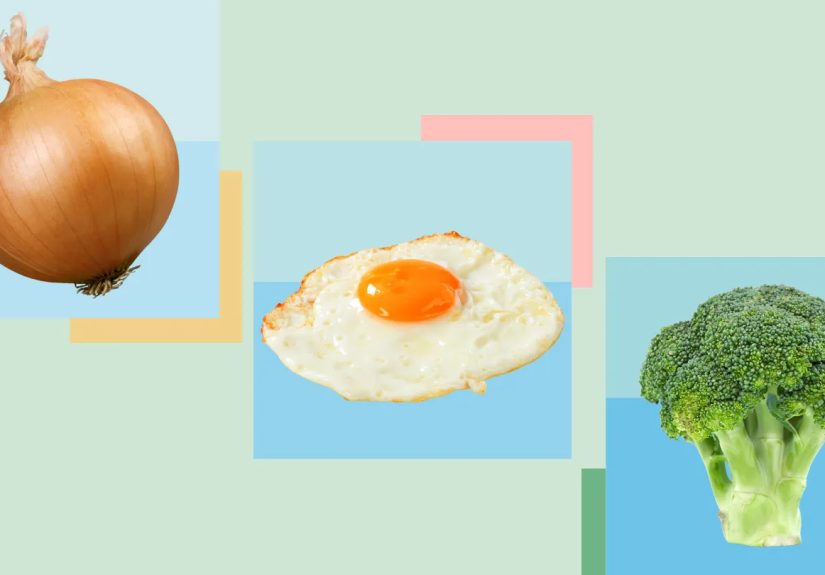
1) Eggs
Eggs are sulfur-rich because they’re packed with high-quality protein, including methionine and cysteine.
If you want sulfur without the smell, try soft-boiled or poached eggs instead of overcooked hard-boiled eggs.
Bonus: eggs are easy to pair with vegetables, which spreads out the “sulfur load” across a meal.
2) Poultry (Chicken and Turkey)
Protein-rich animal foods tend to be reliable sulfur sources because of sulfur-containing amino acids.
Chicken and turkey are popular choices because they’re versatile and easy to portion into soups, salads, and stir-fries.
A simple example: roast chicken with garlic and broccoli is basically a sulfur all-star team.
3) Red Meat (Beef, Pork, Lamb)
Like poultry, red meat contains sulfur-containing amino acids. You don’t need giant servings to benefit;
moderate portions alongside fiber-rich vegetables can be a balanced way to get protein (and sulfur) without turning dinner into a food coma.
If you’re watching saturated fat, choose lean cuts and cooking methods like grilling, roasting, or braising.
4) Fish and Seafood (Salmon, Tuna, Shrimp)
Fish and seafood offer protein (and sulfur amino acids) plus other nutrients many people want more of, like omega-3 fats (in fatty fish).
Try salmon with lemon and a side of sautéed greens, or shrimp tossed into a veggie-forward stir-fry.
5) Legumes (Beans, Lentils, Chickpeas)
Legumes bring plant-based protein, which means they also contribute sulfur-containing amino acidsplus fiber that supports gut health.
If beans sometimes make you gassy, you’re not alone. Rinsing canned beans, cooking from dry, and starting with smaller portions can help.
(Your digestive system appreciates a “warm-up phase.”)
6) Soy Foods (Tofu, Tempeh, Edamame)
Soy deserves its own spot because it’s one of the most protein-dense plant foods people eat regularly.
That makes it a meaningful sulfur source for those who don’t eat meat. Tofu takes on flavors beautifully,
and tempeh adds a nutty bite that’s great in bowls, salads, and sandwiches.
7) Dairy (Milk, Yogurt, Cheese)
Dairy foods contain protein and therefore sulfur-containing amino acids. Yogurt is especially easy to use:
stir it into sauces, blend it into smoothies, or pair it with fruit and nuts.
If you’re lactose intolerant, lactose-free options can deliver similar benefits with fewer regrets.
8) Allium Vegetables (Garlic, Onions, Leeks)
Garlic and onions are famous for sulfur-containing compounds that contribute to their aroma, flavor, and “lingering presence.”
They’re easy wins: add sautéed onions to soups, toss roasted garlic into mashed potatoes, or use leeks to make a cozy, savory base for stews.
If raw onion is too intense, cooking mellows it significantly.
9) Cruciferous Vegetables (Broccoli, Brussels Sprouts, Cabbage, Kale, Cauliflower)
Cruciferous veggies contain glucosinolates, sulfur-containing plant compounds linked to their sharp aroma and slightly bitter edge.
They’re nutritious, fiber-rich, and easy to prepare in a way that’s actually enjoyable:
roast Brussels sprouts until crisp, stir-fry broccoli with ginger, or shred cabbage into slaw with a bright vinaigrette.
If these vegetables cause a lot of gas for you, try smaller servings and cooked versions (often gentler than raw).
Do You Need to “Hit a Sulfur Target” Each Day?
For most healthy people, sulfur is not a nutrient you need to micromanage. There isn’t typically a separate daily intake target
the way there is for calcium or vitamin C. That’s because most dietary sulfur comes from protein,
and sulfur needs are generally met when you meet your overall protein and essential amino acid needs.
In other words: if your diet includes a variety of protein foods (animal or plant) and vegetables,
you’re almost certainly getting enough sulfur.
When Sulfur-Rich Foods Feel… Too Sulfur-y
Some people notice that sulfur-rich meals can come with extra digestive drama:
stronger-smelling gas, bloating, or those infamous “sulfur burps” that smell like an egg is escaping your mouth.
That smell is often linked to hydrogen sulfide gas produced during digestion.
Occasional odor is normal. But if you’re getting persistent or severe symptomsespecially with pain, vomiting,
fever, ongoing diarrhea, or symptoms that disrupt your daily lifeit’s smart to check in with a healthcare professional.
Digestive issues can have many causes, and it’s better to investigate than to play food detective forever.
How to Eat Sulfur-Rich Foods Without Feeling Like a Chemistry Experiment
Balance the plate
Pair protein foods with fiber-rich plants and plenty of fluids. Example: eggs with sautéed spinach and whole-grain toast,
or lentils with roasted carrots and herbs.
Adjust the cooking method
Roasting, steaming, and simmering can be gentler than charring or overboilingespecially for cruciferous veggies.
For eggs, avoid overcooking and cool them quickly after hard-boiling.
Build tolerance gradually
If broccoli and beans tend to “talk back,” start smaller and increase portions over time.
Your gut microbes adaptsometimes slowly, sometimes with sound effects.
Conclusion: Eggs Are Sulfur-RichAnd That’s Not a Bad Thing
Eggs are high in sulfur in the most practical sense: they’re rich in sulfur-containing amino acids that your body uses for proteins,
antioxidant support, and normal metabolism. Plenty of other foods bring sulfur tooespecially protein foods, alliums, and cruciferous vegetables.
Unless your clinician has advised otherwise, sulfur is less of a nutrient to fear and more of a reminder that food chemistry is real… and sometimes aromatic.
Extra: of Real-World “Sulfur Experiences” (Because Life Happens)
The first time most people become “sulfur-aware” isn’t from reading about amino acidsit’s from a moment of regret with a hard-boiled egg.
Maybe it’s lunch at your desk, you crack the shell, and suddenly your coworkers learn what “hydrogen sulfide” means without asking.
Eggs are a classic because they’re convenient, portable, and just smug enough to punish you for overcooking them.
That green ring around the yolk? It always shows up when you’re trying to impress someone with deviled eggs.
It’s like the universe’s way of saying, “Nice effort. Next time, use a timer.”
Then there’s the broccoli phase. At some point, you decide you’re going to be healthier, so you roast a sheet pan of broccoli and Brussels sprouts.
Your kitchen smells amazing. You feel like the main character in a meal-prep montage.
And latermaybe much lateryour digestive system files a complaint.
It’s not that cruciferous vegetables are “bad”; it’s that your gut is honest.
If you went from “barely any vegetables” to “an entire forest,” your body may respond with interpretive percussion.
A smaller serving, cooked until tender, often works better than diving into a raw kale salad like it’s a competitive sport.
Garlic and onions add their own chapter. They’re the flavor base of so many great meals,
but they also come with what you might call “social persistence.”
You can brush your teeth, chew gum, drink waterand garlic still behaves like it pays rent.
The upside is that you can use this power for good: sautéed onions and garlic make beans taste better,
and beans bring fiber that supports digestion over time. It’s a whole ecosystem on a plate.
(A delicious ecosystem, but still an ecosystem.)
The most useful “sulfur lesson” people learn is that you don’t need to eliminate sulfur-rich foods to feel better.
Most of the time, it’s about how you eat them: portion size, cooking method, and what you pair them with.
If eggs sometimes trigger “sulfur burps,” it might help to avoid eating them super fast, pair them with other foods,
and see whether other triggers are involved (carbonated drinks, large fatty meals, or eating late can stack the odds).
And if something feels consistently offlike symptoms that keep coming back no matter what you change
the best move isn’t going to war with broccoli. It’s getting real guidance so you can eat normally again.
In the end, sulfur-rich foods are mostly just… regular foods: eggs, chicken, beans, yogurt, garlic, cabbage.
They’re nutrient-dense, practical, and wildly common in healthy eating patterns.
Sulfur’s biggest “problem” is brandingbecause it’s associated with smells.
But if you can handle the occasional dramatic egg moment, sulfur is doing exactly what it’s supposed to do:
showing up in everyday foods and quietly helping your body work.