Table of Contents >> Show >> Hide
- What Exactly Is the Lemonwood Soap Dish from Ochre?
- Why a Soap Dish Deserves More Respect Than It Usually Gets
- Why Wood Works So Well in the Bathroom
- How the Lemonwood Soap Dish Fits Different Bathroom Styles
- What to Know Before Buying a Wooden Soap Dish
- How to Care for the Lemonwood Soap Dish from Ochre
- Is the Lemonwood Soap Dish from Ochre Worth the Attention?
- The Everyday Experience of Living With a Piece Like This
- Conclusion
Note: Body-only HTML, cleaned for web publishing, standard American English, and ready to copy.
There are two kinds of bathroom accessories in this world: the ones you forget five seconds after you buy them, and the ones that quietly make the whole room look smarter. The Lemonwood Soap Dish from Ochre belongs firmly in the second camp. It is not flashy. It does not blink, sing, or pretend to be “revolutionary.” It just sits there, looking calm, useful, and improbably elegant while your sad little bar of soap finally gets the home it deserves.
That may sound like a lot of emotional investment for a soap dish. Fair. But anyone who has ever watched a lovely bar of soap melt into a slippery pancake on the side of the sink knows this tiny object does serious work. A good soap dish helps preserve the soap, reduces mess, adds a little order to the countertop, and, when it is designed well, turns a purely practical item into part of the room’s visual language. That is exactly why Ochre’s Lemonwood Soap Dish is interesting. It transforms a humble bathroom basic into something that feels considered, tactile, and quietly luxurious.
This article takes a closer look at what makes the Lemonwood Soap Dish from Ochre stand out, why wooden bath accessories continue to appeal to design-minded homeowners, how this piece fits into a modern bathroom, and what to know before bringing a wooden soap dish into a damp and hardworking space. If your bathroom is currently giving “utility closet with plumbing,” this may be the small upgrade that nudges it toward “grown-up sanctuary with excellent taste.”
What Exactly Is the Lemonwood Soap Dish from Ochre?
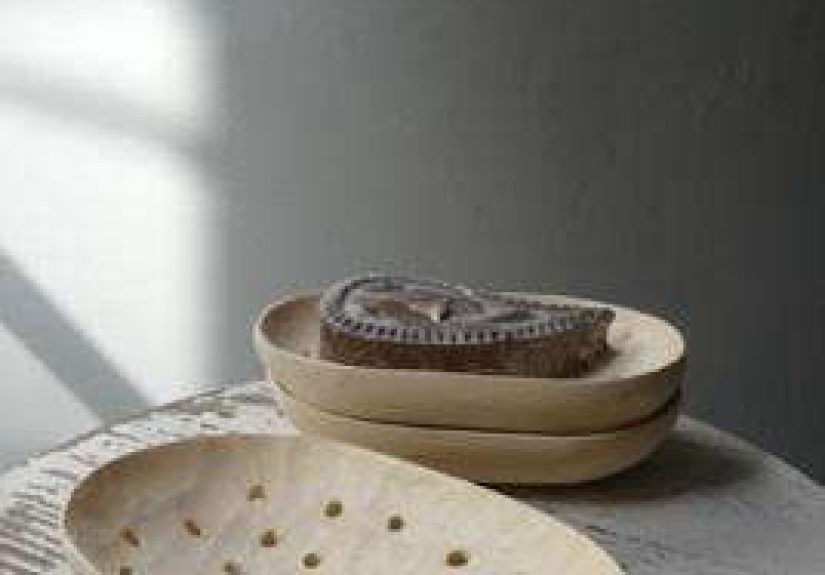
The Lemonwood Soap Dish was presented by Remodelista as a smooth, oval wood soap dish from Ochre’s Canvas line. That description matters because it tells you almost everything you need to know about the piece’s appeal: it is simple, sculptural, and material-forward. No frills. No gimmicks. Just an oval form designed to do one job while looking unusually good doing it.
Ochre, meanwhile, has built its reputation around timeless contemporary furniture, lighting, and accessories with an emphasis on high-quality craftsmanship, honest forms, and luxurious materials. In other words, this is not a brand that accidentally wandered into the bathroom aisle and whipped up a soap holder between chandeliers. The company’s broader design language is about restraint, understated glamour, and the kind of object that feels more refined the longer you live with it. That philosophy translates beautifully to a bath accessory like this one.
The Lemonwood Soap Dish is appealing because it does not try too hard. It is oval, smooth, and made of wood. That combination gives it a softness that ceramic can miss and a warmth that metal often struggles to deliver. In a bathroom full of stone, tile, mirrors, chrome, glass, and porcelain, wood brings relief. It softens the room visually. It makes the space feel less clinical and more lived in. It whispers. Bathrooms are full of objects that shout.
Why a Soap Dish Deserves More Respect Than It Usually Gets
Let us speak up for the soap dish, a tragically overlooked hero of domestic life. A well-designed soap dish is not just a decorative tray for a bar of soap. It directly affects cleanliness, longevity, and how tidy your sink or shower area feels day to day.
It Helps Your Soap Last Longer
Bar soap does best when it can dry between uses. When it sits in pooled water, it turns soft, gummy, and short-lived. That is bad news for the soap and mildly insulting to your wallet. One of the reasons people abandon bar soap is not the soap itself, but the annoying soggy mess caused by poor storage. A thoughtful dish helps solve that problem.
Now, Ochre’s Lemonwood Soap Dish is admired for its form and material, not marketed as a laboratory-grade drainage device. So the practical takeaway is this: a beautiful dish still works best when you use it wisely. Keep it where excess water can evaporate, avoid letting the soap swim laps in a puddle, and give the surface a quick wipe now and then. Even a stylish accessory appreciates basic cooperation.
It Can Support Better Bathroom Hygiene
A non-draining dish can become a less-than-charming little swamp. Home experts regularly point out that when bar soap sits in standing water, that wet environment can encourage bacterial growth and general grime. That does not mean bar soap is suddenly a villain. It means the setup matters. The dish should allow the bar to dry as much as possible, and the area around it should be cleaned routinely.
That practical concern makes the Ochre piece even more interesting from a design standpoint. It invites you to treat your bathroom accessory not as an afterthought, but as part of a system. The right dish, the right placement, and the right soap all work together. Good design is often just common sense wearing a very nice coat.
It Reduces Visual Clutter
Bathrooms get messy fast. Between skin care, hand towels, toothpaste, razors, cotton swabs, and the mysterious hair tie that appears from nowhere, chaos does not need much encouragement. Design publications consistently return to the same theme: keep essentials near where they are used, and give them defined homes. A soap dish does exactly that for one of the most frequently handled items in the room.
The Lemonwood Soap Dish earns its keep because it does not merely hold soap; it organizes the moment around the sink. The bar is contained. The surface looks intentional. The countertop feels less random. This is the sort of micro-order that makes a bathroom look calmer than it really is. Frankly, that is a public service.
Why Wood Works So Well in the Bathroom
Bathrooms are often dominated by hard, shiny finishes. Tile, marble, polished nickel, mirrors, lacquer, porcelain, and glass all have their place, but they can make a room feel cool in every sense of the word. Designers repeatedly use wood to balance that effect because it introduces warmth, texture, and a natural element that softens all those rigid surfaces.
A wooden soap dish may be a small addition, but scale does not determine impact. In interior design, tiny objects often carry disproportionate emotional weight because they sit at eye level, are handled daily, and contribute to the tactile experience of the room. A wood dish on a sink says something different from a plastic tray. It suggests care. It suggests curation. It suggests that somebody in this house has opinions about grain, shape, and atmosphere. Respect.
The Ochre piece, with its smooth oval profile, leans into that tactile quality. Wood has a quiet richness that looks better when paired with natural soaps, linen hand towels, stone basins, brushed metal fixtures, and muted palettes. It can also provide contrast in a more modern room, especially one that feels visually cold. Think of it as the design equivalent of adding a little butter to a sauce. Suddenly, everything comes together and no one is mad anymore.
How the Lemonwood Soap Dish Fits Different Bathroom Styles
One reason this product idea has lasting appeal is that it does not belong to just one decorating tribe. The Lemonwood Soap Dish from Ochre can live happily in several design moods without looking lost.
Minimalist Bathrooms
In a minimalist bath, every visible object has to earn its place. The smooth oval form works because it is simple, understated, and not visually noisy. Pair it with white towels, a pale stone counter, and one excellent hand soap or cleansing bar, and the room suddenly looks edited rather than empty.
Warm Contemporary Bathrooms
Warm contemporary spaces thrive on contrast: clean lines plus natural materials, modern fixtures plus tactile accessories. This is where a wood soap dish really shines. It keeps the room from feeling too slick or impersonal. A small wooden object can make a vanity feel more human.
Spa-Inspired Bathrooms
If your dream bathroom says “quiet retreat” rather than “airport restroom with better lighting,” wood is your friend. Natural materials help create that spa-like mood, especially when layered with soft towels, a bath brush, a candle, and maybe a restrained eucalyptus situation that does not look like it is trying out for social media fame.
Eclectic or Vintage-Leaning Bathrooms
Because the Lemonwood Soap Dish looks handcrafted and calm rather than trendy, it can also bridge older and newer pieces. It plays well with antique mirrors, unlacquered brass, vintage-inspired tile, and collected accessories. It feels intentional, not theme-y.
What to Know Before Buying a Wooden Soap Dish
Wood in a bathroom is lovely, but it is not magic. It needs a little respect. Before you fall in love with the idea, keep a few practical points in mind.
Placement Matters
If the dish lives beside the sink, it will usually face splashes rather than constant saturation. That is a very manageable environment. If it lives inside the shower under a direct stream of water, it may demand more frequent drying and care. In short: a wood soap dish prefers “pleasantly damp bathroom air” over “monsoon reenactment.”
Soap Type Matters Too
Dense, well-cured bar soaps tend to behave better on dishes than very soft glycerin-heavy bars that melt on contact with humidity and disappointment. If you are investing in a beautiful dish, pair it with a bar soap that can hold its shape.
Maintenance Is Part of the Deal
Soap residue, hard-water deposits, and general bathroom grime can build up over time. Soap scum forms from compounds in soap reacting with minerals in water and body soil, which is an unglamorous but useful fact. Translation: clean the dish regularly. A quick rinse, a wipe-down, and occasional deeper cleaning will help preserve both the wood and your dignity.
How to Care for the Lemonwood Soap Dish from Ochre
If you want a wooden bath accessory to age gracefully rather than looking like it fought a losing battle with humidity, basic maintenance goes a long way.
- Wipe away standing water: If water pools on or around the dish, empty it rather than letting the soap marinate.
- Clean gently: Use mild soap and water, then dry it thoroughly. Skip harsh abrasives unless your life goal is to make nice things sad.
- Let it air out: If possible, lift the dish occasionally and dry the counter beneath it too.
- Rotate soaps: If one bar becomes mushy, give the dish a break and let both the soap and the surface dry.
- Keep the surrounding area tidy: A pretty accessory looks even better when it is not parked next to toothpaste crust and a bobby pin graveyard.
These steps are simple, but they make the difference between a bath accessory that feels luxe for years and one that starts giving “forgotten prop in a damp set design.”
Is the Lemonwood Soap Dish from Ochre Worth the Attention?
Yes, because the appeal is not just the object itself. It is what the object represents. The Lemonwood Soap Dish from Ochre is a reminder that utility and beauty do not have to live in separate zip codes. A bathroom item can be practical without looking generic. It can be small without feeling trivial. It can be quiet without disappearing.
If you love design details, prefer bar soap, and want your bathroom to feel intentional down to the smallest accessories, this kind of piece makes sense. It is especially compelling for people who are tired of plastic organizers, clunky dispensers, and accessories that look as though they were selected during a five-minute panic at a big-box store. A well-made wooden soap dish brings warmth, order, and personality. That is a lot to ask from a place to park your soap, but Ochre’s aesthetic has always been about making simple things feel elevated.
The Everyday Experience of Living With a Piece Like This
What does a product like the Lemonwood Soap Dish from Ochre actually feel like in real life? Not in a catalog. Not in a perfectly styled bathroom with folded linen squares and a single photogenic fern. In actual human life, where people rush through mornings, drop hand towels on the counter, and occasionally discover that the bathroom somehow became the storage annex for half the house.
The experience is less dramatic than a renovation and more satisfying than a random impulse purchase. It begins as a subtle visual upgrade. You place the dish near the sink, set a good bar of soap on top, step back, and realize the countertop looks calmer. More finished. More deliberate. The room has not changed architecturally, but the mood has shifted. That is the magic of a small, well-designed object: it creates order without demanding attention.
Then there is the tactile side. Wood changes the experience of the room because it introduces softness where bathrooms are usually all chill and shine. Reaching for soap on a wooden dish feels warmer than reaching toward glass or plastic. It sounds minor, but in a space built around routine, minor sensations matter. This is where everyday luxury really livesnot in extravagance, but in friction reduced, clutter edited, and objects that feel good to use.
There is also an emotional component to a piece like this. A thoughtfully chosen soap dish suggests that your bathroom is not just a utilitarian pit stop. It is part of your home’s design story. That matters more than people admit. The things we use at the sink every morning influence how rushed or settled the day feels. A messy counter creates static. A composed one creates ease. The difference may only be a few inches of space and one handsome wooden accessory, but the effect is real.
Over time, the pleasure becomes less about novelty and more about rhythm. You notice that the soap stays where it should. The sink area looks less chaotic. Guests clock the accessory without necessarily naming it, which is often the best compliment a design object can receive. They just think the bathroom feels nice. Put differently, the dish is doing character-actor work. It is not the star, but the whole production would be weaker without it.
Of course, living with a wooden soap dish is not entirely poetic. You still need to wipe away residue and clean it once in a while. Bathrooms remain bathrooms, stubbornly committed to humidity and mess. But that small maintenance ritual can be part of the appeal. Objects that ask for a little care often end up feeling more personal. You are not just consuming them; you are living with them.
That may be the real charm of the Lemonwood Soap Dish from Ochre. It takes a repetitive, practical actwashing your hands, setting down the soap, moving through the roomand gives it just enough design intelligence to feel better. Not louder. Not fancier for the sake of it. Better. And in a world full of bathroom accessories that are either aggressively utilitarian or bizarrely overdesigned, that balance is rare.
So yes, it is “just” a soap dish. But it is also a lesson in how good design works: it solves a problem, improves a routine, adds beauty, and asks for almost nothing in return except a little space and the occasional wipe-down. That is a pretty strong performance from one small oval of wood.
Conclusion
The Lemonwood Soap Dish from Ochre is a small object with outsized design impact. It reflects everything people love about understated bath accessories: natural material, simple shape, useful purpose, and enough personality to elevate the room without taking it over. In the right bathroom, it adds warmth to hard finishes, gives bar soap a better resting place, and helps the countertop feel more intentional.
That may not sound life-changing, but not every upgrade needs to be. Sometimes the smartest improvements are the ones that quietly improve the mood, function, and polish of a daily routine. If you appreciate thoughtful craftsmanship and believe even the most practical objects should have a point of view, Bath: Lemonwood Soap Dish from Ochre is exactly the kind of detail worth noticing.