Table of Contents >> Show >> Hide
- Why Toddler Books Matter More Than You Think
- How to Choose the Best Books for Toddlers
- Top Baby & Toddler Books to Start Your Home Library
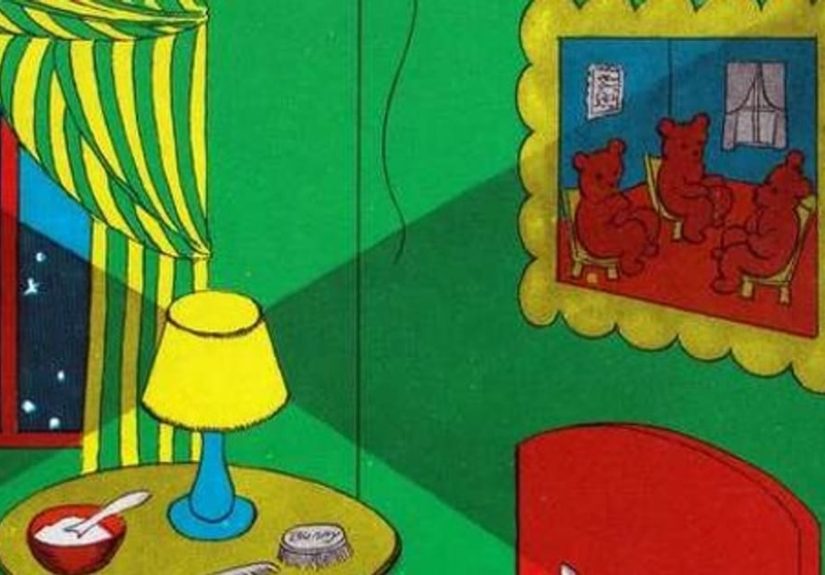
- 1. “Goodnight Moon” by Margaret Wise Brown
- 2. “The Very Hungry Caterpillar” by Eric Carle
- 3. “Brown Bear, Brown Bear, What Do You See?” by Bill Martin Jr. and Eric Carle
- 4. “Where’s Spot?” by Eric Hill
- 5. “Dear Zoo” by Rod Campbell
- 6. “Chicka Chicka Boom Boom” by Bill Martin Jr. and John Archambault
- 7. “Guess How Much I Love You” by Sam McBratney
- 8. “Love You Forever” by Robert Munsch
- 9. “Moo, Baa, La La La!” by Sandra Boynton
- 10. “The Little Engine That Could” by Watty Piper
- 11. “The Cat in the Hat” or “Green Eggs and Ham” by Dr. Seuss
- 12. “Baby Be Kind” by Jane Cowen-Fletcher
- How to Read These Books With Your Toddler
- Real-Life Tips & Experiences With Toddler Books
- Conclusion: Tiny Books, Big Impact
You know that moment when your toddler finally (finally!) slows down, snuggles into your lap, and hands you a slightly sticky board book?
That’s not just a cute photo opportunity it’s one of the most powerful learning moments of their day.
The best books for toddlers don’t just entertain; they build language, spark imagination, and create little rituals your child will remember for years.
This top baby book list is designed for ages roughly 1–3, when pages get chewed, plots need to be simple, and “Again!” is the most common review.
We’ll look at why reading matters so much for toddlers, how to choose age-appropriate books, and the classic and modern titles that have truly earned a place on your shelf (and your coffee table, under the couch, and in the car seat).
Why Toddler Books Matter More Than You Think
Before toddlers can read words, they’re busy listening, watching, and copying everything you do.
Shared reading gives their brains a workout in the best way: it helps them recognize sounds, rhythms, and tones in language and links words to pictures and emotions.
Pediatric and early childhood experts consistently note that reading aloud supports language, social skills, and later literacy and that starting in infancy and toddlerhood is ideal.
For toddlers, reading aloud:
- Builds vocabulary by exposing them to words beyond everyday conversation.
- Supports emotional development as they see characters expressing feelings and solving small problems.
- Improves attention span in bite-sized, page-turning chunks that match toddler brains.
- Creates strong bonding rituals as they associate your voice and closeness with comfort and safety.
- Introduces early concepts like colors, numbers, shapes, letters, and opposites in a playful way.
The good news? You don’t need to be a professional storyteller to make this work.
The “best books for toddlers” are usually the ones that are sturdy, simple, repetitive, and fun enough that you don’t mind reading them 400 times.
(Okay, maybe you mind a little, but at least you won’t hide the book under the couch… often.)
How to Choose the Best Books for Toddlers
With so many baby books and toddler board books out there, it’s easy to feel overwhelmed.
Here are simple guidelines that early literacy experts and children’s librarians often recommend when choosing books for ages 1–3.
1. Pick sturdy, toddler-proof formats
Board books are your best friends at this stage.
Look for thick pages, rounded corners, and a size that small hands can hold.
Cloth books and soft, washable books are great for younger toddlers and on-the-go reading, while classic board books can survive being dropped, chewed, and “read” in the bath if you’re not careful.
2. Keep text short, rhythmic, and repetitive
Toddlers thrive on repetition and predictability.
The best toddler books tend to have:
- Only 1–2 short sentences per page.
- Rhymes, rhythms, or repeated phrases (“Brown bear, brown bear, what do you see?”).
- Predictable patterns that let kids “read” along even before they know the words.
3. Choose bold, clear, engaging illustrations
At this age, pictures often matter more than plot.
Look for large, simple images with strong contrast and clear faces, animals, or familiar objects.
Toddlers love pointing and labeling: “dog,” “moon,” “truck,” “banana,” “why is that caterpillar eating everything?”
4. Follow your child’s interests
Trucks, bunnies, dinosaurs, mermaids, dogs, space, or anything with a button to press toddlers are delightfully opinionated.
If your child is obsessed with animals, choose animal books.
If they love things that go, find books about trains or construction.
When you match books to their passions, “Read it again!” becomes the easiest part of your day.
5. Mix timeless classics with fresh new favorites
Some titles have been bedtime staples for decades, while newer books offer diverse characters, modern humor, and updated art styles.
A well-rounded toddler library usually has a little of both: nostalgic bedtime stories for you and playful, interactive titles designed for today’s families.
Top Baby & Toddler Books to Start Your Home Library
Here’s a curated list of some of the best books for toddlers a mix of classics and modern picks that tend to show up again and again on “top baby book” and “best toddler book” lists.
You don’t need them all, but a handful of these can carry you through years of bedtime reading.
1. “Goodnight Moon” by Margaret Wise Brown
If bedtime had an official anthem, this would be it.
“Goodnight Moon” follows a little bunny as they say goodnight to everything in their room, from the clocks to the socks.
The gentle rhythm, soft illustrations, and repeating “goodnight” structure help toddlers wind down at the end of the day.
Why it works: short lines, familiar objects, and a calm, predictable pattern.
For many families, this is the one book that can survive toddler dictatorship and still be charming years later.
2. “The Very Hungry Caterpillar” by Eric Carle
This colorful classic is more than just a cute bug story.
It quietly teaches counting, days of the week, basic nutrition words, and the concept of transformation as the caterpillar becomes a butterfly.
The die-cut pages and holes add a tactile, interactive element that toddlers love to poke and trace.
It’s an ideal pick for toddlers who like to touch everything and for parents who want a book that grows with kids from babyhood into preschool.
3. “Brown Bear, Brown Bear, What Do You See?” by Bill Martin Jr. and Eric Carle
This is a superstar for teaching colors, animals, and rhythm.
Each page introduces a new animal and color in a repetitive format that toddlers quickly memorize.
You’ll see them “reading” it back to you, often before they can say full sentences in everyday life.
4. “Where’s Spot?” by Eric Hill
Lift-the-flap books are toddler gold, and “Where’s Spot?” is one of the best.
Kids love checking behind doors, under rugs, and inside boxes to “find” the puppy.
It’s simple, but the interactive element turns reading into a game of hide-and-seek.
5. “Dear Zoo” by Rod Campbell
Another lift-the-flap favorite, this book follows a child who writes to the zoo asking for a pet.
The zoo sends animals that are too big, too tall, or too fierce – until they finally send the perfect pet.
Toddlers adore lifting the flaps, guessing the animals, and shouting “too big!” or “too scary!” along with you.
6. “Chicka Chicka Boom Boom” by Bill Martin Jr. and John Archambault
If you want a high-energy alphabet book, this is the one.
The letters race up a coconut tree with a bouncing, chanting rhythm that’s basically a toddler dance party in book form.
It introduces the ABCs, but in a way that’s more musical than academic.
Many parents find themselves chanting “Chicka chicka BOOM BOOM!” long after bedtime.
7. “Guess How Much I Love You” by Sam McBratney
This tender story between Big Nutbrown Hare and Little Nutbrown Hare is a sweet way to end the day.
They compete playfully over who loves whom more “to the moon” and beyond.
It’s a gentle reminder of unconditional love, perfect for sleepy snuggles.
8. “Love You Forever” by Robert Munsch
This one is technically more emotional for adults than toddlers, but it’s a beloved bedtime book in many homes.
It follows a child from babyhood to adulthood, with the recurring song, “I’ll love you forever, I’ll like you for always…”
Some parents cry every time; toddlers just enjoy the rhythm and the pictures.
9. “Moo, Baa, La La La!” by Sandra Boynton
Sandra Boynton is the queen of short, silly, high-impact board books, and this one is a must-have.
It’s basically one long animal-sound joke, with three pigs that famously say “La la la.”
Toddlers love yelling the animal sounds and correcting the “wrong” ones.
10. “The Little Engine That Could” by Watty Piper
A classic story about perseverance and optimism, this book introduces the iconic “I think I can” mantra.
While the full version is longer and may suit slightly older toddlers or preschoolers, there are board book adaptations that shorten the text for younger readers.
11. “The Cat in the Hat” or “Green Eggs and Ham” by Dr. Seuss
These are technically on the longer side for very young toddlers, but they’re fantastic read-alouds as your child’s attention span grows.
The rhymes and nonsense words are irresistible, and you can always read just a few pages at a time.
12. “Baby Be Kind” by Jane Cowen-Fletcher
Short, gentle, and perfect for introducing social skills, this board book shows everyday ways little ones can be kind sharing toys, saying sorry, and helping friends.
It’s simple enough for toddlers, but the ideas are meaningful enough to grow with your child.
You can round out your toddler library with seasonal books, diverse family stories, and picture books featuring different cultures and abilities.
Libraries, local bookstores, and curated “best of” lists for ages 0–5 are great places to discover fresh favorites each year.
How to Read These Books With Your Toddler
The magic isn’t just in owning the best baby books it’s in how you use them.
A few practical tricks can turn any toddler reading session from chaos to cozy (or at least fun chaos).
- Let your toddler choose the book. Giving them control boosts engagement and makes them more invested in storytime.
- Don’t worry about reading every word. It’s totally fine to summarize, skip pages, or focus on the pictures, especially with wiggly kids.
- Point and label. “Where is the moon? Can you find the red balloon? What animal is that?” This builds vocabulary without feeling like a lesson.
- Pause and let them fill in words. With repetitive books, try leaving blanks: “Brown bear, brown bear, what do you…?” and let them shout “see!”
- Use funny voices and sound effects. Dramatic reading isn’t required, but it’s a great way to hold attention and make reading the best part of the day.
Most importantly, keep it low-pressure.
Some nights you’ll read ten books; others you might barely make it through one page before someone needs a snack, a hug, or a stuffed animal rescue mission.
It all counts.
Real-Life Tips & Experiences With Toddler Books
Parents and caregivers often discover that the “best books for toddlers” are not always the fanciest or newest.
They’re the ones that survive the real-world tests: dropped on the floor, taken in the car, dragged to bed, and demanded at 6 a.m.
One common experience is the “surprise favorite” a book you picked up on a whim that suddenly becomes the household classic.
Maybe it’s a simple animal-sound book or a tiny board book from a gift set.
Toddlers latch onto certain stories or characters for reasons that don’t always make sense to adults, and that’s okay.
When they love a book, they’re more motivated to engage with words, pictures, and page-turning.
Another frequent reality: repetition can feel exhausting for adults but is incredibly valuable for kids.
When a toddler asks to read “Goodnight Moon” every single night, they’re not trying to test your patience (even if it feels that way).
Re-reading the same story helps them anticipate what comes next, recognize patterns in language, and feel secure in the story’s familiarity.
Over time, you may notice them reciting whole pages from memory, which is an early literacy skill in action, not just cute mimicry.
Many caregivers also learn to adapt reading sessions to match their child’s energy.
On calm evenings, you might read a longer picture book from start to finish, talking about the characters’ feelings and choices.
On more chaotic days, you might sit on the floor with a stack of board books and just flip through pictures, naming objects and making silly sound effects.
Both styles are “real reading” and both support your toddler’s brain and language development.
A helpful trick is to keep books in multiple spots around your home: a small basket in the living room, a few favorites near the bed, a couple of sturdy board books in the car or diaper bag.
When books are easy to grab, it’s easier to squeeze in five or ten minutes of reading between meals, naps, and errands.
Toddlers often wander over, hand you a book, and climb into your lap when they see that reading is always an option.
Caregivers of multiple children often discover that the best baby books are also powerful for sibling bonding.
Older siblings love “reading” a familiar board book out loud to the toddler, even if they’re mostly reciting from memory and improvising half the story.
This not only gives you a tiny break (bonus!) but also makes books part of your family culture something you share, quote, and laugh about together.
Some parents worry they don’t read “the right way” or that they don’t have enough time.
In reality, what matters most is consistency and connection.
You don’t need a perfect nightly routine or a Pinterest-worthy reading nook.
Ten minutes of snuggled-up reading on the couch, a silly story after breakfast, or a quick lift-the-flap book before nap time all add up.
Over time, these small moments make books feel safe, fun, and familiar.
Your toddler learns that stories are a place where they can explore new ideas, practice words, and spend meaningful time with you.
Whether you’re reading a timeless classic like “The Very Hungry Caterpillar” or discovering a new favorite from this top baby book list, you’re doing something powerful every time you turn a page together.
Conclusion: Tiny Books, Big Impact
The best books for toddlers don’t have to be complicated.
Short, sturdy, colorful stories with strong rhythms, simple plots, and engaging pictures are more than enough to build a powerful foundation for language, learning, and emotional connection.
By mixing beloved classics like “Goodnight Moon” and “Brown Bear, Brown Bear, What Do You See?” with interactive lift-the-flap books, silly animal-sound stories, and newer titles about kindness and feelings, you can create a mini-library that grows with your child from babyhood into preschool.
Most of all, remember: your toddler doesn’t need a perfect storytime they need you.
Your voice, your laugh, your “hungry caterpillar” sound effects, and your willingness to read the same page one more time are what turn these books into lifelong memories.