Table of Contents >> Show >> Hide
- What “Best” Really Means for Kids
- Kids’ Bodies Aren’t Mini Adult Bodies (And That’s a Good Thing)
- Best Sports for Kids by Age and Stage
- The Best Kids Sports (And What Each One Is Best For)
- 1) Swimming: Best Lifelong Safety Skill + Full-Body Fitness
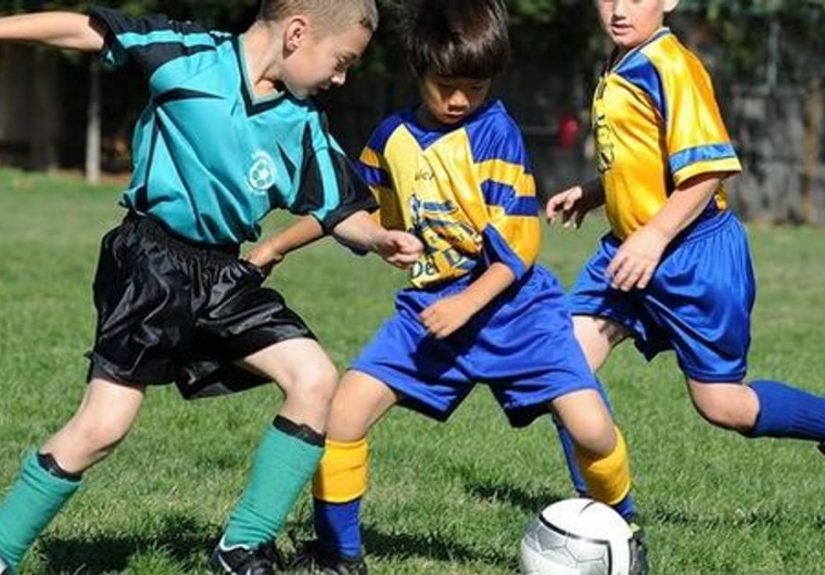
- 2) Soccer: Best All-Around Starter Team Sport
- 3) Martial Arts: Best for Confidence, Focus, and Self-Control
- 4) Gymnastics: Best for Balance, Coordination, and Body Awareness
- 5) Track & Field (and Cross-Country): Best “No Bench” Sport
- 6) Tennis (and Other Racquet Sports): Best for Hand–Eye Coordination
- 7) Basketball: Best for Coordination, Teamwork, and Quick Thinking
- 8) Baseball/Softball: Best for Skill-Building and Patience
- 9) Volleyball: Best for Confidence and Team Communication
- How to Choose the Right Sport for Your Kid
- Keeping Kids Safe: The Grown-Up Stuff That Makes Sports Better
- Budget-Friendly Tips (Because Sports Shouldn’t Require a Second Mortgage)
- Bottom Line: The Best Kids Sport Is the One That Builds a Healthy Relationship With Movement
- Experience-Based Reality Check (Extra ): What Families Commonly Experience With Kids Sports
“Best kids sports” sounds like there’s a secret list locked in a vault somewhere (next to the good snacks),
but the truth is way more useful: the best sport is the one your child will actually keep doing.
A sport that gets a kid moving, smiling, and coming back next week beats the “perfect” sport they dread like
a pop quiz in shin guards.
This guide breaks down the best sports for kids by age, personality, and goalsplus how to pick a program that’s safe,
affordable, and (most importantly) fun. We’ll also cover smart rules for avoiding burnout, overuse injuries, and the
“we’re late and I forgot the water bottle” spiral that has humbled parents everywhere.
What “Best” Really Means for Kids
When adults say “best,” we often mean “most prestigious” or “best scholarship odds.” Kids usually mean:
“Do I like it?” and “Do I feel like I belong?” For families, the sweet spot is a sport that checks most of these boxes:
- Enjoyment: Your child leaves practice with more energy than they arrived with (or at least isn’t plotting an escape).
- Skill-building: It improves coordination, strength, balance, endurance, and confidence over time.
- Social fit: Team vibe, coach style, and group culture match your child’s temperament.
- Safety: The program respects rest, proper technique, and age-appropriate training.
- Practicality: Cost, schedule, location, and equipment don’t turn family life into a logistics reality show.
Kids’ Bodies Aren’t Mini Adult Bodies (And That’s a Good Thing)
Kids are built for learning movement. That means variety matters. Running, jumping, throwing, catching, balancing,
climbingthese “movement skills” are the foundation for almost every sport and lifelong fitness.
For most kids, sampling multiple sports helps develop different muscles and skills while reducing the strain of doing
the exact same motions year-round. It can also keep motivation high because boredom is real, and kids will absolutely
quit a sport if it stops being fun and starts feeling like a job.
Best Sports for Kids by Age and Stage
Ages 3–5: “Sports” Should Look Like Play
At this age, the best “sports” are really movement-based classes and low-pressure programs: tumbling, beginner soccer,
dance, parent-and-kid swim, or basic martial arts with lots of games. Look for short sessions, kind coaching, and a focus on
listening, taking turns, and learning simple body control.
The goal isn’t elite techniqueit’s comfort moving in different ways. If your preschooler spends half the class pretending
the cones are volcanoes, congratulations: they’re still developing coordination.
Ages 6–9: Try Everything (Within Reason and Budget)
This is the golden era of sampling. Kids can follow basic rules, build fundamental skills, and start enjoying team dynamics.
Great options include soccer, swimming, baseball/softball, gymnastics, tennis (or beginner racquet sports), martial arts, and
track-style running games.
Many kids at this age don’t yet know what they’re “good at.” They discover it by doing. One season of soccer might reveal
they love teamwork; a few swim lessons might unlock confidence in the water; a martial arts class might help a shy kid find
their voice.
Ages 10–13: Skill Growth + Identity (But Keep Variety)
Tweens can handle longer practices and more strategy. They may start identifying as “a basketball kid” or “a gymnast.”
That’s finejust keep an eye on overload. If a child is training hard, prioritize rest days and off-seasons, and make sure
school, friends, and downtime still exist.
This is also a great age for sports that sharpen coordination and resilience: basketball, soccer, volleyball, tennis,
swimming, track/cross-country, martial arts, and non-checking hockey or flag football (depending on local options and safety rules).
Ages 14–17: Choice, Ownership, and Smart Specialization
Teens can pursue performance goals if they want them. They can also choose sports that fit their lifestyle and keep
them active long-termbecause adulthood is basically a never-ending group project, and time is a limited resource.
Great teen-friendly sports include track, swimming, tennis, basketball, soccer, volleyball, rowing, cross-training clubs,
climbing, and strength-and-conditioning programs that emphasize proper technique.
The Best Kids Sports (And What Each One Is Best For)
1) Swimming: Best Lifelong Safety Skill + Full-Body Fitness
Swimming is one of the most valuable skills a child can learn. It builds endurance, coordination, and confidence in the water.
It’s also easier on joints than many impact sports. For many families, swim lessons are less about “a sport” and more about
safety and independence.
Great for: kids who prefer individual progress, kids with lots of energy, and families who want a year-round option.
Parent tip: Choose programs that emphasize water safety and skills progressionnot just “passing a level.”
2) Soccer: Best All-Around Starter Team Sport
Soccer is popular for a reason: minimal gear, lots of running, constant decision-making, and a team culture that can be wonderfully inclusive.
It develops endurance, agility, footwork, and spatial awareness. Most importantly, kids can start at many skill levels and still
contributeespecially in supportive leagues.
Great for: social kids, kids who love fast movement, and beginners who want a clear “game” structure.
3) Martial Arts: Best for Confidence, Focus, and Self-Control
Martial arts (think karate, taekwondo, judo, or Brazilian jiu-jitsu programs designed for kids) can be fantastic for attention,
respectful behavior, and steady confidence. Progress is personal: kids learn skills step-by-step and earn milestones.
Great for: kids who thrive with clear routines, kids who need a confidence boost, and kids who like individual challenge.
Program check: The best gyms emphasize safety, supervision, and age-appropriate sparring (or none at all for beginners).
4) Gymnastics: Best for Balance, Coordination, and Body Awareness
Gymnastics builds strength, flexibility, coordination, and courageplus it teaches kids how to move safely through space.
Even a few seasons can improve overall athleticism in other sports.
Great for: kids who like learning skills, kids who enjoy structured practice, and children who benefit from improved coordination.
Reality check: Competitive tracks can get intense; recreational gymnastics can deliver the benefits with less pressure.
5) Track & Field (and Cross-Country): Best “No Bench” Sport
Track and cross-country can be excellent because participation is often broad: there’s usually a place for many kids, and improvement is measurable.
Running, jumping, and throwing events develop different strengths, and kids can find their niche.
Great for: kids who like personal progress, teens looking for a school sport, and athletes who enjoy goal-setting.
6) Tennis (and Other Racquet Sports): Best for Hand–Eye Coordination
Tennis develops footwork, balance, reaction time, and focus. It also offers social flexibility: singles, doubles, clinics, and casual hitting.
Many communities have beginner programs with scaled equipment (smaller racquets and lower-bounce balls) that make learning easier.
Great for: kids who like skill mastery, kids who want an individual sport with optional teamwork, and families looking for a lifelong activity.
7) Basketball: Best for Coordination, Teamwork, and Quick Thinking
Basketball is a fast-learning sport with constant engagement: dribbling, passing, shooting, defending, and reading the floor.
It’s also widely available through school and community programs.
Great for: high-energy kids, social kids, and athletes who like short bursts of action.
8) Baseball/Softball: Best for Skill-Building and Patience
Baseball and softball teach throwing mechanics, hand–eye coordination, teamwork, and mental focus. They can also be great for kids who
prefer moments of action rather than nonstop running.
Great for: kids who like learning specific skills (batting, fielding), and families who enjoy a strong community vibe.
Safety note: Look for leagues that follow pitching and rest guidelines, especially as kids get older.
9) Volleyball: Best for Confidence and Team Communication
Volleyball is a fantastic sport for learning teamwork, timing, and communication. It develops coordination, jumping ability, and quick reactions.
Many programs offer beginner-friendly clinics that focus on fundamentals and movement.
How to Choose the Right Sport for Your Kid
Match the sport to personality
- Shy or anxious kids: consider swimming, martial arts, tennis clinics, or tracklower social pressure and clear progress.
- Highly social kids: soccer, basketball, volleyballconstant interaction and shared goals.
- Kids who dislike chaos: martial arts, gymnastics, swimstructured learning and predictable routines.
- Kids who hate being corrected: try a beginner league focused on fun, or a sport with small-group coaching rather than constant instruction.
Use the “two-practice test”
After two sessions, ask three questions:
(1) Did I feel safe?
(2) Did I feel included?
(3) Do I want to go back?
If the answer is “no” across the board, it’s not a failureit’s data. Try another sport.
Keeping Kids Safe: The Grown-Up Stuff That Makes Sports Better
Avoid overuse and burnout
Overuse injuries happen when the body doesn’t get enough recovery from repeated stress. Kids are especially vulnerable because they’re still growing.
Programs that encourage variety, rest, and reasonable schedules help children stay healthy and enjoy sports longer.
Take head injuries seriously
In sports where falls or collisions can happen, coaches and parents should know concussion basics and have a plan. If a concussion is suspected,
the safest move is to stop play and seek appropriate evaluation. A good program treats brain safety as non-negotiablenot optional.
Respect heat and hydration
Hot weather practices can be risky. Look for leagues that build in water breaks, adjust intensity, and take acclimatization seriously.
(Also: water is a hero. Energy drinks are not a hydration strategy for kids.)
Budget-Friendly Tips (Because Sports Shouldn’t Require a Second Mortgage)
- Start with community programs: parks and recreation departments often offer low-cost leagues and classes.
- Buy used gear: especially for rapidly growing kids (which is… all of them).
- Try clinics before travel teams: clinics build skills without the intense schedule.
- Choose “multi-use” sports: soccer, basketball, track, and swimming often have lower equipment costs than niche sports.
Bottom Line: The Best Kids Sport Is the One That Builds a Healthy Relationship With Movement
Whether your child becomes a varsity athlete, a weekend swimmer, or a lifelong “walk the dog like it’s an Olympic event” person,
youth sports can teach skills that matter: teamwork, resilience, body confidence, and how to try again after a rough day.
Pick a sport that fits your kid’s personality, your family’s life, and a program that values safety and fun. You can always switch later.
Most kids don’t need “one sport forever.” They need a path that keeps them movingand feeling good about it.
Experience-Based Reality Check (Extra ): What Families Commonly Experience With Kids Sports
Here’s what often surprises families when they jump into “best kids sports” mode: the sport itself matters, but the environment matters more.
Two soccer leagues can feel like two different planets. In one, kids rotate positions, laugh a lot, and celebrate small wins. In another, a few early bloomers
dominate the ball, and the rest of the team learns the ancient art of standing in space while questioning existence. Same sport. Totally different experience.
The first week is usually a mix of excitement and nerves. Many kids worry about being the “worst” on the teameven if the league is designed for beginners.
That’s why the best starter programs do something magical: they normalize learning. Coaches who say, “Mistakes are part of practice” create brave athletes.
Coaches who act like every drill is a tryout create anxious ones. Parents can help by praising effort (“You kept going!”) instead of outcomes (“You scored!”).
Then there’s the social side. Some kids instantly find buddies; others need time. Team sports can be amazing for connection, but they can also feel loud and
overwhelming at first. Individual sports like swimming, martial arts, or track often help kids build confidence privately before they’re ready for bigger group energy.
It’s not about avoiding teamworkit’s about building the foundation first.
Logistics are the hidden sport nobody trains for: remembering shin guards, finding a water bottle that doesn’t leak, and discovering that practice starts at the exact
time your entire household suddenly needs a snack. Families often learn quickly that simpler schedules beat “maximum activities.” A child who’s overbooked is more likely
to get injured, burn out, or simply stop having fun. Many parents find that two well-chosen activities per season feels better than four frantic ones.
You’ll also notice growth that isn’t on the scoreboard. The quiet kid who finally speaks up in a huddle. The impulsive kid who learns to wait their turn. The perfectionist
kid who learns to miss a shot and keep playing anyway. These are big winsarguably the biggest.
Finally, expect preferences to change. A child may love gymnastics at 7, switch to soccer at 9, become obsessed with basketball at 12, then discover tennis at 15.
That’s not “quitting.” That’s development. The goal isn’t to lock in one sport forever; it’s to help your kid build a positive identity around movementone where exercise
feels like something they get to do, not something they’re forced to do.