Table of Contents >> Show >> Hide
- The “Secret Ingredient” Is CoffeeAnd It’s Not About Coffee Flavor
- Where Ina Uses It: The Famous “Outrageous Brownies” Blueprint
- Why Coffee Makes Chocolate Taste More Chocolatey
- Instant Coffee vs. Espresso Powder: Which Should You Use?
- How Much Coffee to Add (Without Turning Brownies Into a Café Menu)
- The Best Way to Add It (So Nobody Bites a Coffee Pebble)
- Other Ina-Style Brownie Moves That Make the Secret Ingredient Shine
- If You Want to Try the “Ina Coffee Trick” Without Committing to a Whole New Recipe
- Caffeine Note: Should You Worry About It?
- Conclusion: The Secret Ingredient Is Small, But the Payoff Is Huge
- Real-World Brownie Experiences: What Happens When You Add Coffee (The Extra )
Brownies are the denim jeans of dessert: universally loved, suspiciously forgiving, and somehow appropriate for every situationfrom “I forgot I volunteered to bring dessert” to “I’m celebrating surviving Tuesday.” And if you’ve ever tasted an Ina Garten brownie (or watched her casually add enough chocolate to qualify as a small investment portfolio), you know her version doesn’t mess around.
So what’s the one secret ingredient that keeps showing up in her best brownie momentsthe little “Barefoot” move that makes the chocolate taste louder, deeper, and more “wait…what did you put in here?” without turning your pan into a mocha latte?
It’s coffeespecifically instant coffee granules (or espresso powder in a pinch). Not brewed coffee. Not a cappuccino you “accidentally” left on the counter. Just a small, strategic dose of coffee’s bitter, roasty magic to make chocolate taste more like itself… but with better posture.
The “Secret Ingredient” Is CoffeeAnd It’s Not About Coffee Flavor
Here’s the paradox that makes this trick so great: when used correctly, coffee doesn’t make brownies taste like coffee. It makes them taste like more chocolate. The chocolate flavor gets darker, rounder, and more intenselike you upgraded from “cute dessert” to “serious dessert with a passport.”
That’s why this tip has become a recurring theme in Ina Garten land. Coffee acts like a flavor amplifier: it sharpens chocolate’s bittersweet notes, balances sugar, and adds depth without changing the brownie’s identity. Think of it like adding salt to a cookieit doesn’t make it salty, it makes it better.
Where Ina Uses It: The Famous “Outrageous Brownies” Blueprint
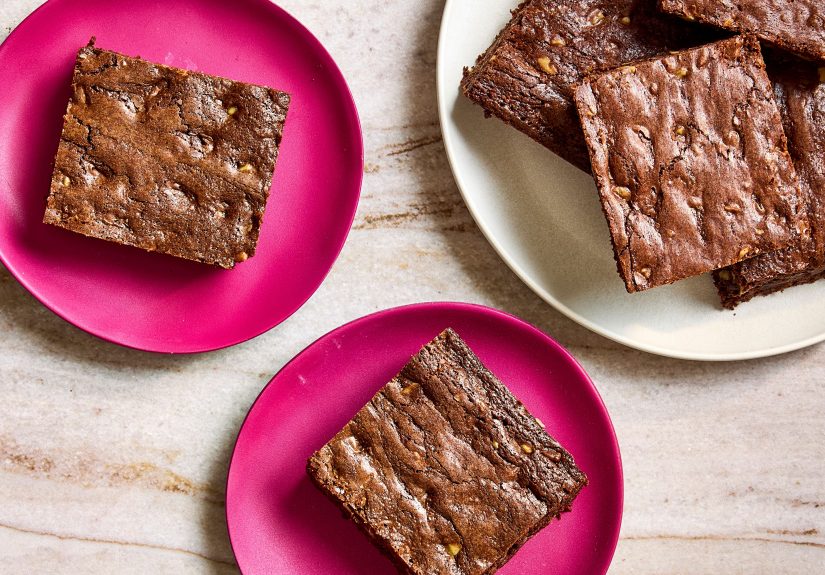
If you want to see coffee doing its best supporting-actor work, look at Ina’s iconic Outrageous Brownies. This recipe is famously rich, baked in a large sheet pan, and built on the kind of ingredient list that whispers, “We’re not here to be subtle.”
What makes them “outrageous” (besides the obvious)?
- A serious amount of chocolate (more than one form, because one chocolate is never enough)
- Instant coffee granules stirred into the wet mix for deeper flavor
- Vanilla in a generous pour to round out bitterness and sweetness
- Walnuts for crunch (optional if you’re Team “No Surprise Textures”)
In other words: big chocolate + a quiet hit of coffee + smart balancing flavors = a brownie that tastes like it has a secret… because it does.
Why Coffee Makes Chocolate Taste More Chocolatey
Chocolate and coffee are flavor cousins. They share bitter, roasted, complex notes, so a small amount of coffee can make chocolate taste more intense without reading as “coffee-flavored.” Many baking authorities describe espresso powder/instant coffee as the ingredient that helps the “star” (chocolate) shine brighter.
What coffee is doing in the batter
- Boosting depth: Coffee’s roasty bitterness emphasizes cocoa’s darker notes.
- Balancing sweetness: It tones down sugar so chocolate doesn’t taste flat.
- Adding aroma: A tiny amount changes what your nose picks upso flavor feels richer.
And importantly: instant coffee granules and espresso powder don’t add extra liquid. That matters because brownies live and die by texture. Too much added moisture can push a brownie toward cakey or gummy. Instant coffee keeps the structure intact while still delivering the flavor benefit.
Instant Coffee vs. Espresso Powder: Which Should You Use?
Both work. Here’s the practical difference:
Instant coffee granules
- Classic Ina move: This is what her Outrageous Brownies call for.
- Easy to find: Most grocery stores carry it.
- Best practice: Dissolve it first so you don’t get crunchy flecks.
Espresso powder
- More concentrated: You typically need less for the same “chocolate boost.”
- Smoother: It dissolves easily and blends cleanly.
- Great for: Brownies, cakes, cookies, frostings, sauces, and ganache.
If you’re swapping: espresso powder is often stronger, so start smaller. You can always add more next batch (which is a very convenient excuse to make brownies again).
How Much Coffee to Add (Without Turning Brownies Into a Café Menu)
The goal is not “coffee brownie.” The goal is “why does this chocolate taste so expensive?” A little goes a long way.
Easy starting points
- 8- or 9-inch square pan: about 1 teaspoon espresso powder (or instant coffee)
- 9×13 pan: about 1 1/2 teaspoons
- Large sheet pan batches: recipes may use more (Ina’s famous version does), because the volume is bigger
Pro tip: if you’re nervous, begin with half the amount. Brownies are forgiving, and your taste buds will tell you if you want more intensity next time.
The Best Way to Add It (So Nobody Bites a Coffee Pebble)
Instant coffee granules are small, but they can still show up as gritty bits if they don’t dissolve. The fix is easy: dissolve before mixing.
- Measure your coffee (instant granules or espresso powder).
- Bloom it in a tiny splash of hot water (or warm melted butter) until smooth.
- Mix it in with the wet ingredients so it distributes evenly.
This technique gives you the flavor boost without texture surprises. The only crunch in a brownie should be intentional (walnuts, flaky salt, chocolate chunks), not “mysterious gravel.”
Other Ina-Style Brownie Moves That Make the Secret Ingredient Shine
Coffee is the headline, but it performs best when the supporting cast is strong. Ina’s brownie approach tends to emphasize a few smart principles that many testers and editors have noted when making her recipes:
1) Use good chocolateand more than one kind
Layering chocolate (chips + unsweetened/bitter chocolate) builds complexity. Coffee then enhances those layers rather than trying to create flavor out of thin air.
2) Don’t overmix the eggs
Brownies aren’t sponge cake. Over-beating can add too much air, changing the final texture. A gentle mix keeps them dense and fudgy.
3) Vanilla isn’t just “nice”it’s balancing physics
A generous amount of vanilla softens bitterness and rounds the edges of deep chocolate. It’s especially helpful when coffee is in the mix because it keeps everything tasting intentional.
4) Cool completely (or even chill) for clean slices
Fresh-from-the-oven brownies are delicious, but they slice like a mudslide. Cooling firms the structure, deepens flavor perception, and makes them look bakery-level.
If You Want to Try the “Ina Coffee Trick” Without Committing to a Whole New Recipe
You can use this secret ingredient in almost any brownie situation:
Upgrade homemade brownies
- Add 1/2 to 1 teaspoon espresso powder to the dry ingredients for an 8- or 9-inch pan.
- Or dissolve instant coffee in 1 teaspoon hot water and stir into wet ingredients.
Upgrade boxed brownies (yes, really)
- Add 1/2 teaspoon espresso powder to the mix.
- If the box calls for water, replace a small portion with cooled coffee (not too muchtexture matters).
- Consider adding a pinch of salt and a splash of vanilla for balance.
This is the kind of low-effort, high-impact trick that makes people think you “have a bakery hookup.” You don’t. You just have coffee granules and confidence.
Caffeine Note: Should You Worry About It?
If you’re adding a teaspoon or two of espresso powder, you’re not turning dessert into an energy drink. But caffeine is generally heat-stable during baking, so some will remain. If you’re baking for kids, caffeine-sensitive guests, or anyone avoiding caffeine, use decaf instant coffee or decaf espresso powder. You’ll still get the flavor boost without the buzz.
Conclusion: The Secret Ingredient Is Small, But the Payoff Is Huge
Ina Garten’s best brownie “secret” isn’t a rare chocolate sourced from a hidden valley. It’s not a complicated pastry-chef technique. It’s simply instant coffee granules (or espresso powder) used with intention: enough to deepen and intensify chocolate, not enough to make your brownies taste like your morning commute.
Try it once and you’ll understand why this trick keeps resurfacing. Chocolate gets bolder. The brownie tastes richer. People ask questions. You smile politely and say, “Oh, it’s nothing,” while your pantry quietly celebrates the power of a $6 jar of instant coffee.
Real-World Brownie Experiences: What Happens When You Add Coffee (The Extra )
Home bakers who try the Ina-style coffee trick tend to report the same surprising thing: the brownies don’t taste like coffeethey taste like a better version of whatever brownie they were already making. It’s the difference between “chocolate dessert” and “chocolate dessert that makes people pause mid-bite.” And the first time you see that pause, you’ll know exactly why this tip has such staying power.
One common experience is the “I didn’t change anything else, but the flavor got darker” effect. The recipe is the same. The bake time is the same. Yet the chocolate seems deeper and less one-note, like it gained a bass line. This is especially noticeable in brownies made with cocoa powder, where coffee can help the cocoa taste fuller and more rounded. Bakers often describe it as the brownie tasting “less sweet” even when the sugar amount hasn’t changed, because the coffee adds a gentle bitterness that balances the whole bite.
Another experience shows up in the texture departmentmostly when someone uses brewed coffee too enthusiastically. Brownies are texture divas. Replace too much liquid with coffee and the batter can shift: edges get firmer, centers can become overly soft, and the brownie may drift toward “cake that wanted to be a brownie.” That’s why so many brownie lovers end up preferring instant coffee or espresso powder. You get the flavor without nudging the structure. In practice, people who dissolve a small amount of granules first (hot water, warm butter, or even a spoonful of the melted chocolate mixture) get the cleanest resultsno bitter specks, no crunch, just smooth intensity.
A third experience is the “I overdid it and now it tastes like tiramisu’s loud cousin” moment. It happens! Espresso powder is potent. The fix is simple: scale back next time, and make sure vanilla and salt are doing their jobs. Many bakers find that a slightly bigger splash of vanilla brings everything back into balance, rounding the sharper edges of coffee’s bitterness. Others lean into it by adding a pinch of flaky salt on top, which turns the whole thing into a grown-up dessert vibe without needing a single extra step in the batter.
Finally, there’s the social experience: the brownie becomes a conversation piece. People ask what brand of chocolate you used, what bakery you bought them from, whether you used “special cocoa,” and why the flavor tastes so rich. The funniest part is that the secret ingredient is often already in the kitcheninstant coffee lurking behind the cinnamon, waiting for its moment. That’s the best kind of baking upgrade: inexpensive, low-drama, and repeatable. The next time you want brownies that feel a little more “Ina” without moving to the Hamptons, stir in that tiny dose of coffee and let the chocolate do the rest.