Table of Contents >> Show >> Hide
- Why This Lemon Layer Cake Recipe Works
- Ingredients for Lemon Layer Cake With Flower Petals
- Important Ingredient Notes Before You Begin
- How to Make Lemon Layer Cake With Flower Petals
- Best Edible Flowers for Lemon Cake
- Tips for the Best Lemon Cake Texture and Flavor
- Serving Ideas for Lemon Layer Cake With Flower Petals
- Common Mistakes to Avoid
- How to Store Lemon Layer Cake
- Why This Cake Is Perfect for Spring and Celebration Baking
- Real Baking Experience: What This Cake Is Actually Like to Make, Serve, and Eat
- Final Thoughts
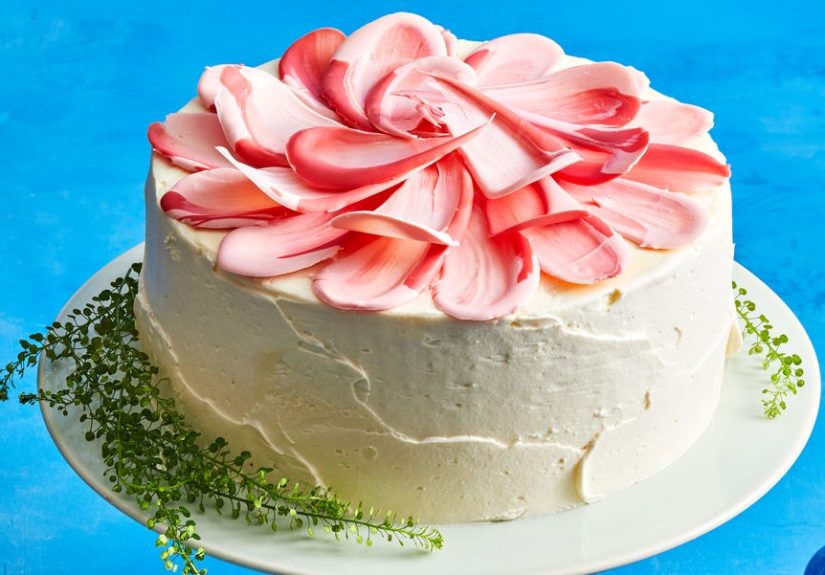
If sunshine could wear frosting, it would probably show up as a lemon layer cake with flower petals and act like it owns the dessert table. This cake is bright, tender, creamy, and just dramatic enough to earn compliments before anyone even cuts a slice. It has soft lemon cake layers, a silky lemony frosting, a punch of fresh citrus flavor, and a final crown of edible petals that makes the whole thing look like spring wandered into your kitchen and decided to stay.
The best part is that this cake is not just pretty. It is genuinely delicious. A great lemon cake should taste lively, not flat; moist, not soggy; and elegant, not like somebody dumped a bottle of lemon extract into a yellow sponge and hoped for the best. The goal here is balance: fresh lemon zest for aroma, lemon juice for brightness, buttermilk and sour cream for tenderness, and enough fat to keep every bite plush and bakery-worthy.
This guide walks you through everything you need to make a beautiful lemon flower cake at home, from choosing ingredients to frosting like a calm, competent person even if your kitchen currently looks like powdered sugar weather. You will also get practical decorating advice, storage tips, and real-life baking notes that make this recipe easier to pull off the first time.
Why This Lemon Layer Cake Recipe Works
The best lemon layer cake with flower petals is not about piling on random citrus ingredients and hoping for applause. It works because each part has a job:
- Lemon zest brings the most fragrant citrus flavor. It perfumes the batter in a way juice alone never can.
- Fresh lemon juice adds brightness and cuts through the sweetness.
- Buttermilk and sour cream keep the crumb soft, tender, and pleasantly rich.
- Cake flour helps create a finer, softer texture than a heavy all-purpose-only formula.
- Butter delivers flavor, while a little oil helps the cake stay moist longer.
- Edible flower petals turn the cake into a centerpiece without requiring advanced piping skills or a therapy session afterward.
The result is a cake that feels special enough for Easter, Mother’s Day, showers, birthdays, spring brunches, or any Tuesday that needs a little emotional support from dessert.
Ingredients for Lemon Layer Cake With Flower Petals
For the Cake Layers
- 2 3/4 cups cake flour
- 2 teaspoons baking powder
- 1/2 teaspoon baking soda
- 1/2 teaspoon fine salt
- 1 cup unsalted butter, softened
- 1 3/4 cups granulated sugar
- 4 large eggs, room temperature
- 2 tablespoons finely grated lemon zest
- 1/4 cup fresh lemon juice
- 1/4 cup neutral oil
- 3/4 cup sour cream
- 3/4 cup buttermilk, room temperature
- 1 teaspoon vanilla extract
For the Lemon Syrup
- 1/3 cup fresh lemon juice
- 1/3 cup granulated sugar
For the Lemon Buttercream
- 1 1/2 cups unsalted butter, softened
- 5 to 5 1/2 cups powdered sugar
- 3 tablespoons fresh lemon juice
- 1 tablespoon lemon zest
- 1 teaspoon vanilla extract
- 2 to 4 tablespoons heavy cream, as needed
- Pinch of salt
For Decorating
- Edible flower petals or small edible flowers such as pansies, violas, calendula petals, rose petals, or nasturtiums
- Thin lemon slices or strips of lemon zest, optional
Important Ingredient Notes Before You Begin
Use fresh lemons. Bottled juice is convenient, but this cake lives and dies by fresh flavor. Zest the lemons before juicing them, because trying to zest a squeezed lemon is like trying to iron a raisin. Also, let your butter, eggs, buttermilk, and sour cream come close to room temperature. When cold ingredients hit softened butter, the batter can look curdled and uneven, which is rude and unnecessary.
For the flowers, only use properly identified edible flowers that are food-safe and unsprayed. In most cases, the petals are the part you want. Do not grab random blooms from a florist bouquet or a garden center plant that may have been treated with chemicals. Pretty is not the same as edible.
How to Make Lemon Layer Cake With Flower Petals
1. Prep the Pans and Oven
Preheat your oven to 350°F. Grease three 8-inch round cake pans, line the bottoms with parchment paper, and lightly grease the parchment too. This extra step saves you from the classic heartbreak of a beautiful cake layer that refuses to leave the pan like it is paying rent.
2. Mix the Dry Ingredients
In a medium bowl, whisk together the cake flour, baking powder, baking soda, and salt. Set aside.
3. Cream the Butter and Sugar
In a large mixing bowl, beat the butter and sugar together until light and fluffy, about 3 to 4 minutes. Do not rush this step. Beating air into the butter helps create a lighter crumb and a more elegant texture.
4. Add the Eggs and Flavorings
Add the eggs one at a time, mixing well after each addition. Scrape down the bowl as needed. Mix in the lemon zest, lemon juice, oil, sour cream, and vanilla extract. The batter may look a little uneven at this stage. That is fine. It will come together once the dry ingredients and buttermilk go in.
5. Alternate Dry Ingredients and Buttermilk
Add the dry ingredients in three additions, alternating with the buttermilk in two additions. Begin and end with the dry ingredients. Mix on low speed just until combined. Overmixing will make the cake tougher, and nobody invites lemon cake to the party for its attitude.
6. Bake the Cake Layers
Divide the batter evenly among the prepared pans and smooth the tops. Bake for 22 to 28 minutes, or until the tops spring back lightly and a toothpick inserted in the center comes out with a few moist crumbs.
Let the cakes cool in the pans for about 10 minutes, then turn them out onto wire racks to cool completely.
7. Make the Lemon Syrup
While the cakes cool, combine the lemon juice and sugar in a small saucepan over medium heat. Stir until the sugar dissolves. Let the syrup cool slightly. This syrup adds extra lemon flavor and helps keep the layers moist without making them heavy.
8. Make the Lemon Buttercream
Beat the butter until creamy. Add the powdered sugar gradually, then mix in the lemon juice, lemon zest, vanilla, salt, and enough cream to make the frosting smooth and spreadable. Beat until fluffy. Taste it. Smile a little. Adjust with a bit more powdered sugar if it feels too loose or another splash of cream if it seems too stiff.
9. Assemble the Cake
Level the cake layers if needed. Place the first layer on a cake stand or plate. Brush lightly with lemon syrup. Spread a generous layer of lemon buttercream over the top. Add the second layer and repeat. Add the third layer, brush with syrup, then apply a thin crumb coat over the whole cake. Chill for 15 to 20 minutes.
Finish with a final coat of frosting. You can keep it smooth, create rustic swirls, or use an offset spatula to make soft swoops that catch flower petals beautifully.
10. Decorate With Flower Petals
Decorate the frosted cake just before serving or shortly beforehand. Scatter petals across the top for a delicate look, or cluster small edible flowers around the rim for a more dramatic finish. You can also add thin lemon slices, strips of zest, or a few extra crumbs around the base if you want a bakery-style presentation.
The prettiest flower cake decorations usually look effortless, even when you absolutely stood there for 18 minutes moving one pansy half an inch to the left.
Best Edible Flowers for Lemon Cake
If you want your lemon layer cake with flower petals to look polished and taste appropriate, choose blooms that are mild, fresh, and visually clean. Some of the best options include:
- Pansies and violas: delicate, colorful, and classic for spring cakes
- Calendula petals: bright orange or yellow petals that add cheerful color
- Rose petals: elegant and lightly floral when used sparingly
- Nasturtiums: vivid and peppery, better for a bold look than a sweet floral taste
- Chamomile blossoms: tiny and charming for a garden-style finish
Always wash flowers gently, dry them carefully, and add them when the cake is fully finished. Moist petals plus long fridge time can equal wilted sadness.
Tips for the Best Lemon Cake Texture and Flavor
- Do not skip the zest. It is the difference between “nice cake” and “who made this masterpiece?”
- Measure flour carefully. Too much flour is a common reason cakes turn dry and dense.
- Use room-temperature ingredients. They blend more evenly and help the batter emulsify.
- Do not overbake. Lemon cake should be soft and plush, not a citrus-scented life lesson.
- Chill before final frosting. A cold crumb coat makes the final finish cleaner and easier.
- Decorate close to serving time. Flowers stay fresher and prettier when added later.
Serving Ideas for Lemon Layer Cake With Flower Petals
This cake shines on its own, but it also plays well with others. Serve it with hot tea, iced tea, espresso, or a glass of sparkling wine for a celebratory dessert. Fresh berries on the side make the plate look even brighter. For brunch tables, pair it with strawberries and whipped cream. For spring parties, display it on a white cake stand and let the flowers do all the social work.
If you are making this for a special event, bake the layers one day ahead, wrap them well, and frost the next day. In fact, many home bakers find that fully cooled, slightly chilled layers are easier to assemble and frost neatly.
Common Mistakes to Avoid
Using too much lemon juice in the batter: More is not always better. Too much liquid can throw off the structure of the cake.
Frosting warm layers: This leads to sliding, tearing, and the kind of panic that makes people say “rustic” with forced confidence.
Choosing the wrong flowers: Decorative flowers are not automatically edible. Use only flowers that are known to be safe for food use.
Making the frosting too sweet: Lemon juice and a pinch of salt help balance it. Taste as you go.
How to Store Lemon Layer Cake
Because of the buttercream and fresh decorations, store the cake covered in the refrigerator if it will sit longer than a few hours. For the best texture, let slices come to room temperature for 20 to 30 minutes before serving. The cake is usually best within 2 to 3 days, though the layers themselves stay quite good if wrapped properly.
You can also freeze the unfrosted layers. Wrap each layer tightly in plastic wrap and freeze for up to one month. Thaw in the refrigerator overnight before assembling.
Why This Cake Is Perfect for Spring and Celebration Baking
A great lemon flower cake feels festive without being fussy. It is lighter than a heavy chocolate dessert, more memorable than a plain vanilla layer cake, and more elegant than most sheet cakes. The citrus keeps it fresh, the frosting makes it indulgent, and the petals give it that “I definitely planned this and did not decorate it while wearing pajama pants” energy.
It also adapts beautifully. You can add a thin layer of lemon curd between the cakes for extra tang, fold berries into the filling for a fruity version, or use a cream cheese frosting if you want a softer, tangier finish. But even in its simplest form, this cake delivers exactly what people hope a lemon dessert will be: bright, tender, pretty, and impossible to stop nibbling.
Real Baking Experience: What This Cake Is Actually Like to Make, Serve, and Eat
The lived experience of making a lemon layer cake with flower petals is part recipe, part celebration, and part tiny kitchen adventure. On paper, it sounds very refined. In real life, it starts with a pile of lemons, bowls everywhere, and the optimistic belief that this time you will somehow keep flour off your shirt. Still, once the zest hits the sugar and the whole kitchen smells fresh and citrusy, the project immediately feels worth it.
One of the best things about this cake is how it changes mood in the room. A chocolate cake says comfort. A vanilla cake says classic. A lemon flower cake says, “We are having a lovely time, and yes, I did bring edible petals to the situation.” It has that rare ability to feel both homemade and elegant. Even people who usually say they are “not dessert people” tend to accept a slice, then quietly become dessert people.
From a practical standpoint, bakers often discover that lemon cake is more forgiving than it looks. The batter comes together with ordinary ingredients, the frosting is straightforward, and the flower decoration does most of the visual heavy lifting. This matters because not everyone wants to pipe fifty flawless rosettes like they are auditioning for a pastry Olympics team. If your frosting is a little rustic, the petals make it look intentional. If the top is not perfectly smooth, a ring of pansies suddenly turns that into a design choice.
Serving the cake is its own small event. The first slice usually gets a pause. People notice the color first, then the flowers, then the lemon aroma. The crumb is soft but not flimsy, and the frosting has enough brightness to keep each bite from feeling too rich. It is the kind of cake that feels light enough for an afternoon gathering but still special enough for birthdays, bridal showers, Easter tables, baby showers, or a spring dinner where someone wants dessert to look like it belongs in a magazine.
Another real-world perk is that the flavor holds up well. Some pretty cakes are all decoration and no personality. This one actually tastes like lemon. Not lemon candy. Not lemon cleaning spray. Real lemon. Fresh zest gives it fragrance, juice brings sparkle, and the dairy keeps everything rounded and soft. That balance is what makes the cake memorable. People may come over because they saw flowers on top, but they come back for the second slice because the cake itself is genuinely good.
There is also a deeply satisfying moment during decorating. Once the cake is frosted and chilled, you start placing petals one by one, and suddenly the whole dessert transforms. It goes from “nice homemade layer cake” to “centerpiece.” You do not need professional decorating skills to get there either. A loose scatter of petals can look whimsical and modern. A clustered crown of blooms looks romantic and polished. Even a very simple arrangement can feel beautiful because lemon and flowers are naturally such a good match.
If there is one thing experienced home bakers learn with this recipe, it is timing. The layers can be baked ahead. The frosting can be made the same day. The flowers should go on near the end. That sequence keeps everything calm. It also keeps the petals fresher, which makes a difference when the cake is sitting out for guests. And when guests finally dig in, the reaction is usually the same: first admiration, then silence, then a request for the recipe. In dessert terms, that is basically a standing ovation.
Final Thoughts
If you want a dessert that tastes as good as it looks, this is the best lemon layer cake with flower petals recipe to keep in your baking rotation. It is bright, moist, balanced, and beautiful without being overly complicated. Whether you are baking for a holiday, a party, a brunch, or simply because lemons looked extra cheerful at the store, this cake brings flavor, style, and just enough drama to make the occasion feel special.
In other words, it is a flower-crowned lemon cake with excellent manners and a very good personality. Bake it once, and it has a suspiciously high chance of becoming your signature dessert.