Table of Contents >> Show >> Hide
- Why These Spaghetti Squash Nests Actually Work
- Ingredients for the Best Spaghetti Squash “Nests” with Marinara
- How To Make Spaghetti Squash “Nests” with Marinara
- What Makes This the Best Spaghetti Squash Marinara Recipe?
- Tips for Perfect Spaghetti Squash Nests Every Time
- Easy Variations to Try
- What To Serve with Spaghetti Squash Nests
- How To Store and Reheat Leftovers
- Common Mistakes To Avoid
- Final Thoughts on How To Make Spaghetti Squash “Nests” with Marinara
- Kitchen Experiences: What I Learned Making Spaghetti Squash Nests Again and Again
- SEO Tags
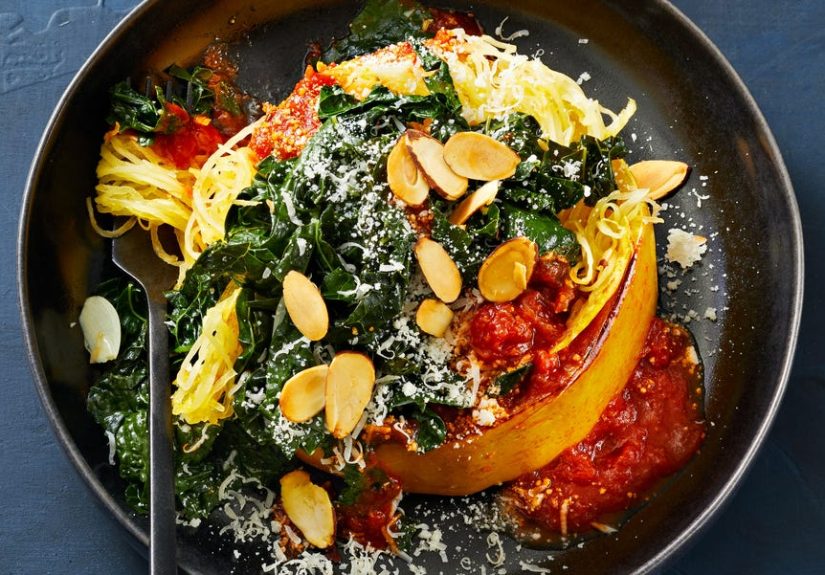
There are two kinds of people in this world: people who hear the phrase spaghetti squash nests and think, “How adorable,” and people who think, “That sounds like a vegetable trying very hard to be pasta.” Good news: both groups are about to eat well. These baked spaghetti squash nests with marinara are crispy at the edges, tender in the middle, and gloriously topped with warm tomato sauce and melted cheese. They look a little fancy, taste deeply comforting, and somehow make a muffin tin feel like a heroic kitchen tool.
If you have ever wanted a cozy, Italian-inspired dinner that feels lighter than a giant plate of spaghetti but still satisfies that red-sauce craving, this recipe is your new weeknight wingman. The best part is that spaghetti squash does most of the visual heavy lifting. Once roasted, it naturally turns into noodle-like strands that are perfect for shaping into little nests. Add marinara, a sprinkle of mozzarella, some Parmesan, and a little patience, and dinner suddenly looks like you tried much harder than you actually did.
Why These Spaghetti Squash Nests Actually Work
The magic comes down to texture. Roasted spaghetti squash gives you tender strands, but the real trick is removing excess moisture before forming the nests. Nobody wants a soggy vegetable birdhouse. A little Parmesan helps with flavor and structure, and an egg acts like the friendly kitchen glue that keeps the nests from collapsing into tomato-saucy chaos. A quick bake in a muffin tin sets the shape, then a second bake with marinara and cheese makes everything bubbly and golden.
That means you get three wins in one recipe: a smart way to use spaghetti squash, a fun presentation for dinner parties or family meals, and a comforting marinara recipe idea that does not feel repetitive. It is playful food, but it is still practical food. We love a recipe with personality.
Ingredients for the Best Spaghetti Squash “Nests” with Marinara
For the squash nests
- 1 medium spaghetti squash, about 3 to 4 pounds
- 1 tablespoon olive oil
- 1 large egg
- 1/2 cup finely grated Parmesan cheese
- 1 cup shredded low-moisture mozzarella cheese, divided
- 1 teaspoon garlic powder
- 1 teaspoon Italian seasoning
- 1/2 teaspoon kosher salt
- 1/4 teaspoon black pepper
- Nonstick cooking spray
For the topping
- 1 1/2 cups marinara sauce, homemade or high-quality store-bought
- 2 tablespoons chopped fresh basil or parsley
- Red pepper flakes, optional
- Ricotta for serving, optional
How To Make Spaghetti Squash “Nests” with Marinara
Step 1: Roast the spaghetti squash
Preheat your oven to 400°F. Carefully cut the spaghetti squash in half lengthwise and scoop out the seeds. Brush the cut sides with olive oil and season lightly with salt and pepper. Place the squash halves cut-side down on a baking sheet lined with parchment or foil. Roast for 40 to 45 minutes, or until the flesh is fork-tender and the shell looks slightly wrinkled.
Let the squash cool for about 10 minutes. Then use a fork to scrape the flesh into spaghetti-like strands. Transfer the strands to a large bowl. If the squash looks very wet, spread it on a clean kitchen towel or paper towels and gently press out excess moisture. This is the difference between “wow, these are cute” and “why are these nests crying?”
Step 2: Build the nest mixture
Spray a 12-cup muffin tin generously with nonstick cooking spray. In the bowl with the spaghetti squash strands, add the egg, Parmesan, 1/2 cup of the mozzarella, garlic powder, Italian seasoning, salt, and black pepper. Toss everything together until well combined.
The mixture should look lightly coated, not swimming. If it seems watery, pat it dry again. Spaghetti squash is a lovable ingredient, but it does not believe in personal boundaries when it comes to moisture.
Step 3: Shape the nests
Divide the mixture evenly among the muffin cups, about 1/4 to 1/3 cup per cup depending on the size of your squash. Use your fingers or the back of a spoon to press the squash up the sides and slightly into the center to create a nest shape. Think mini lasagna bowls, but with better manners.
Bake for 12 to 15 minutes, or until the edges begin to brown and the nests look set. This first bake gives the squash structure, so do not skip it.
Step 4: Add marinara and cheese
Warm the marinara sauce in a small saucepan or microwave-safe bowl so it is hot but not boiling. Remove the muffin tin from the oven and spoon a tablespoon or two of marinara into each nest. Top with the remaining 1/2 cup mozzarella.
Return the pan to the oven and bake for another 8 to 10 minutes, until the cheese is melted and the sauce is bubbling. Let the nests cool in the pan for 5 minutes before loosening them with a small offset spatula or butter knife.
Step 5: Garnish and serve
Top with fresh basil or parsley and a pinch of red pepper flakes if you like a little heat. A tiny spoonful of ricotta on top is optional, but highly recommended if your dinner philosophy is “more creamy things, more joy.” Serve warm.
What Makes This the Best Spaghetti Squash Marinara Recipe?
The best spaghetti squash nests with marinara are all about balance. You want enough roasting to bring out the squash’s naturally sweet, nutty flavor, but not so much that it turns mushy. You want enough sauce to make the nests cozy, but not enough to flood them. And you definitely want cheese, because we are adults here making solid choices.
This recipe also works because it borrows the best ideas from classic baked pasta and lighter vegetable-forward dinners. You still get the comfort of marinara, mozzarella, and Parmesan, but the presentation feels fresh and fun. It is perfect as a main course with a salad, a side dish for chicken or meatballs, or even a party appetizer if you make smaller nests in a mini muffin pan.
Tips for Perfect Spaghetti Squash Nests Every Time
Dry the squash well
This is the biggest secret. Spaghetti squash naturally holds water, and too much moisture keeps the nests from crisping up. After roasting, let it steam off briefly, then blot or squeeze out extra liquid before mixing.
Use a muffin tin generously sprayed with oil
Vegetable nests are charming until they weld themselves permanently to the pan. Spray every cup well, including the sides.
Choose a thicker marinara
A watery sauce can undo all your good work. A thick marinara clings better, tastes richer, and keeps the nests intact. If your sauce seems thin, simmer it for a few extra minutes before using.
Let them cool before removing
Fresh from the oven, the nests are soft and dramatic. Give them a few minutes to settle, and they will lift out much more neatly.
Easy Variations to Try
Spaghetti Squash Pizza Nests
Add diced pepperoni, chopped olives, or sautéed bell peppers on top of the marinara before the second bake. Suddenly dinner feels like pizza night wearing business casual.
Meat Lover’s Marinara Nests
Stir cooked Italian sausage or ground turkey into the marinara before spooning it into the nests. This makes the recipe heartier and especially satisfying for dinner.
Cheesy Ricotta Version
Add a teaspoon of ricotta to each nest before topping with mozzarella. It gives the filling a lasagna-style vibe that is very hard to complain about.
Vegetarian Garden Style
Top the nests with sautéed mushrooms, spinach, or zucchini along with the marinara. This version tastes like your farmers market had an excellent week.
What To Serve with Spaghetti Squash Nests
These nests are flexible little overachievers. Pair them with a crisp Caesar salad, roasted broccoli, garlic green beans, or simple grilled chicken. If you are serving them as an appetizer, arrange them on a platter with extra warm marinara for dipping. For a casual dinner, add meatballs on the side and nobody will ask where the pasta went.
How To Store and Reheat Leftovers
Store leftover spaghetti squash nests in an airtight container in the refrigerator for up to 3 days. Reheat them in a 350°F oven for about 10 minutes or in the microwave in short bursts. The oven gives you the best chance of bringing back the crisp edges. The microwave is faster, but it is not exactly known for preserving nest dignity.
You can also make the roasted squash a day ahead. Keep the strands chilled, then mix and bake the nests when you are ready. That makes this recipe surprisingly weeknight-friendly.
Common Mistakes To Avoid
- Overcooking the squash: If it turns too soft, the nests lose structure.
- Skipping the egg and cheese: They help bind the strands so the nests hold together.
- Using too much sauce: A little goes a long way here.
- Not greasing the pan enough: Sticking ruins the dramatic reveal.
- Serving immediately from the oven: Let the nests set for a few minutes first.
Final Thoughts on How To Make Spaghetti Squash “Nests” with Marinara
If you are looking for a recipe that is cozy, clever, and just a little bit showy in the best possible way, these spaghetti squash nests with marinara deserve a spot in your rotation. They deliver the familiar comfort of red sauce and melted cheese while giving spaghetti squash a genuinely useful job to do. No sad substitute energy here. These nests are delicious on their own terms.
They are also proof that a simple ingredient can become something memorable with the right technique. Roast the squash well, dry it thoroughly, shape it with confidence, and let the muffin tin do the hard part. The result is a recipe that feels a little playful, a little wholesome, and very easy to crave again.
Kitchen Experiences: What I Learned Making Spaghetti Squash Nests Again and Again
The first time I made spaghetti squash nests, I assumed the squash would behave like shredded cheese with a college degree. I was wrong. I roasted it, scraped it into a bowl, mixed everything together, and proudly packed the strands into a muffin tin. Ten minutes later, I opened the oven to discover something less “nests” and more “anxious squash puddles.” They tasted fine, but visually they looked like dinner had recently gone through something personal.
That was when I learned the most important lesson: moisture matters more than optimism. Once I started pressing the roasted squash dry before mixing it with egg and cheese, everything changed. The nests suddenly held shape, the edges browned better, and the texture became much more satisfying. It was one of those classic kitchen moments where a tiny adjustment made me feel like I had been promoted from enthusiastic snacker to competent cook.
I also learned that marinara should be treated like a supporting actor, not the star who chews scenery. Too much sauce weighs the nests down and makes them messy. A spoonful or two is perfect. Enough to bring that classic tomato-garlic comfort, but not so much that the nests drown before they make it to the plate. The same goes for cheese. A modest amount gives you melt and flavor without turning everything into a lava pit.
One of my favorite memories with this recipe was serving it to people who were extremely suspicious of spaghetti squash. You know the type. They hear “vegetable pasta” and immediately begin grieving real noodles in advance. But once the nests came out of the oven, all golden and bubbling, the attitude changed. Suddenly people were calling them cute, asking for seconds, and pretending they had always believed in squash-based architecture. It was a beautiful transformation.
I have made these for weeknight dinners, casual fall gatherings, and one very chaotic Sunday when I wanted lasagna flavors without the emotional commitment of layering anything. Each time, the recipe felt flexible. Sometimes I added turkey sausage. Sometimes I tucked in ricotta. Once I used extra basil and a pinch of red pepper flakes and felt deeply sophisticated. The basic method stayed reliable, which is what makes this recipe so useful. It is forgiving enough for everyday cooking but still special enough to earn compliments.
What I appreciate most is that spaghetti squash nests do not try too hard to imitate pasta. They are not pretending to be a plate of spaghetti in disguise. They are their own thing: savory, strandy, cheesy little cups of marinara joy. Once I stopped judging them by pasta standards and started enjoying them for what they actually are, I liked them a lot more. Frankly, that is good advice for both vegetables and people.
So if your first batch is a little rustic, welcome to the club. Rustic is how many great recipes begin. By the second or third round, you will know exactly how dry the squash should be, how much sauce to use, and how long to let the nests cool before lifting them out. And when you get there, you will have one of those rare recipes that manages to be practical, comforting, and just quirky enough to be memorable. Not bad for a squash and a muffin tin.