Table of Contents >> Show >> Hide
- Why the Bonavita Gooseneck Kettle Still Gets Talked About
- Specs and Feature Snapshot
- Performance Analysis: What It Feels Like to Use Daily
- Why Variable Temperature Matters for Coffee and Tea
- Bonavita vs. the Field: Where It Wins, Where It Doesn’t
- Who Should Buy the Bonavita Variable Temp Gooseneck
- Setup, Brewing, and Daily Use Tips
- Maintenance, Longevity, and Common Mistakes
- How This Article Was Researched
- 500-Word Experience Section: What Living With This Kettle Actually Feels Like
- Conclusion
If you make pour-over coffee, you already know this truth: great beans can still produce a sad cup if your water temperature and pouring control are all over the place.
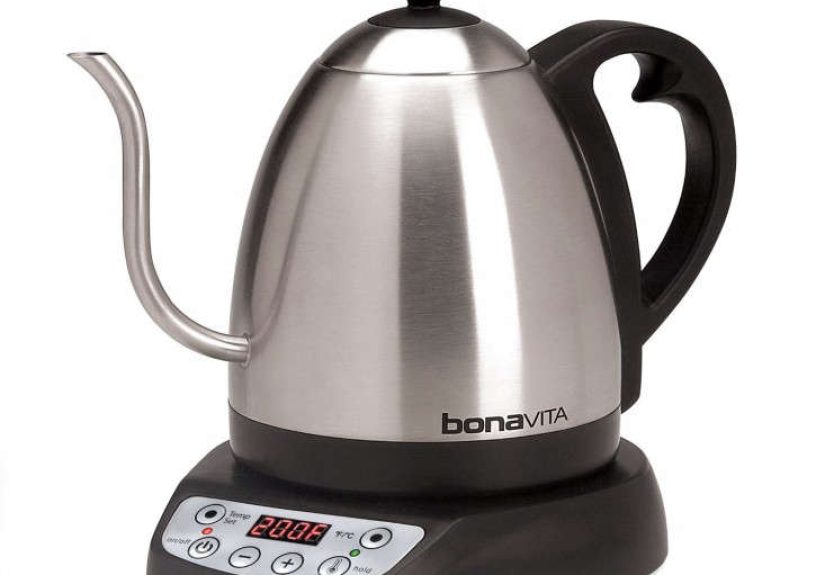
Enter the Bonavita Variable Temperature Digital Electric Gooseneck Kettlea longtime favorite in home-brew circles, cafe prep stations, and the kitchens of people who own exactly one fancy mug and treat it like a family heirloom.
In this guide, we’re doing a full, practical breakdown of what makes this kettle worth considering, where it struggles, who it’s best for, and how to get excellent coffee and tea from day one.
You’ll also get a no-fluff performance analysis, buying advice, and a long-form real-world experience section at the end (because specs are great, but life happens between boil cycles).
Why the Bonavita Gooseneck Kettle Still Gets Talked About
Some kitchen gadgets disappear after one trendy season. This kettle didn’t. Bonavita’s variable-temp gooseneck line keeps showing up in “best kettle” conversations because it focuses on the basics that actually matter:
- Controllable, steady pour for manual brewing
- Adjustable temperature for coffee and tea styles
- Simple digital controls (not app-first, not complicated)
- Practical pricing versus ultra-premium design kettles
In other words, this kettle is less “countertop art installation” and more “quiet workhorse that helps you brew better.”
It’s the appliance equivalent of a reliable friend who brings snacks and shows up on time.
Specs and Feature Snapshot
Depending on model year and listing, you’ll see slightly different numbers and naming. That’s normal with this product family.
Here’s the synthesized view shoppers should know:
Core Specs You’ll Commonly See
- Capacity: Commonly listed at 1.0L (some listings/editorials reference around 0.9L variants)
- Power: Older references often show 1000W; current listings often show 1200W
- Temperature control: Variable temp with 1-degree adjustment on many versions
- Range: Commonly published from around 140°F up to 208°F or 212°F, depending on generation/listing
- Gooseneck spout: Controlled flow for pour-over precision
- Digital base/display: Set and monitor temperature
- Hold function: Maintains chosen temperature for convenience
- Safety: Auto shut-off and boil-dry protection on current listings
Why Specs Differ Across Listings
If you notice 208°F on one page and 212°F on another, or 1000W vs 1200W, don’t panic-buy two kettles “just in case.”
Product updates, region variants, old-version pages, and retailer copy differences can all create spec drift.
The practical takeaway: confirm the exact unit specs where you’re purchasing.
Performance Analysis: What It Feels Like to Use Daily
1) Pour Control
This is where Bonavita earns its reputation. A gooseneck kettle should let you pour in tight circles, controlled pulses, and gentle center pours without dumping half the reservoir in three seconds.
Bonavita’s spout shape and flow behavior are consistently described as predictable and brew-friendly.
For pour-over methods (V60, Kalita, Chemex, Origami, and friends), predictable flow is the difference between “clean cup with layered sweetness” and “muddy cup with personality issues.”
2) Temperature Control and Accuracy
Variable temperature control is a major reason people buy this kettle in the first place.
You can set target temps rather than waiting for a full boil and awkwardly guessing when to pour.
That said, third-party testing opinions vary: some outlets praise strong technical value and precision features, while others report the display can run a few degrees off in their tests.
For most coffee use, small deviations are manageable; for precision-sensitive tea drinkers, that difference may matter more.
3) Speed and Workflow
Electric variable kettles are a workflow upgrade, period. Heat, set, hold, pourwithout babysitting a stovetop.
Bonavita models are generally considered quick enough for regular home use and repetitive brewing.
4) User Interface
One underrated strength: clear controls. Power, plus/minus temperature, and hold are straightforward and don’t require a user manual and a personal trainer.
If your goal is better coffee without adopting another app ecosystem, this “buttons-first” approach is surprisingly refreshing.
5) Build and Ergonomics
Stainless-steel construction and an ergonomic handle are frequent positives in editorial and retailer descriptions.
It feels like a functional tool, not a fragile prop. The handle is comfortable for repeated brews, and the form factor sits well in small kitchens.
Why Variable Temperature Matters for Coffee and Tea
Variable-temp kettles aren’t just enthusiast theater. Water temperature directly affects extraction:
Coffee Basics
Widely cited coffee guidance places ideal extraction around 195°F–205°F. Too cool, and coffee can taste thin/sour. Too hot, and it can skew harsh or over-extracted.
Tea Basics
Different teas prefer different temperatures. Black and oolong often like near-boiling water, while green tea is typically better at lower temperatures to avoid bitterness.
| Beverage Type | Suggested Water Temp | Why It Helps |
|---|---|---|
| Pour-over coffee | 195°F–205°F | Balanced extraction and flavor clarity |
| Black tea | About 206°F–210°F | Full body and aroma development |
| Oolong tea | Near hot/boiling range | Complexity without flatness |
| Green tea | Around 175°F–185°F | Less bitterness, cleaner sweetness |
| White tea | About 150°F–180°F | Protects delicate flavor compounds |
Translation: if your kettle can hit and hold specific temps, your drinks get more consistentand more delicious.
Bonavita vs. the Field: Where It Wins, Where It Doesn’t
Where Bonavita Wins
- Value for features: Variable temp + gooseneck + hold, usually at a lower price than luxury design models
- Practical usability: Easy controls, straightforward workflow
- Strong brewing utility: Great for pour-over control and mixed coffee/tea households
- Proven longevity in market: Not a fleeting trend product
Where Competitors May Beat It
- Aesthetic design: Some premium kettles look more “designer” on the counter
- Measured temperature accuracy: Some tests report tighter precision on certain competing models
- Advanced features: Depending on model, competitors may add more polished presets or smart extras
Bottom line: Bonavita is often the smart pick for performance-per-dollar, especially if your priority is brewing outcomes over “I bought this because it matches my backsplash.”
Who Should Buy the Bonavita Variable Temp Gooseneck
Best For
- Home baristas who brew pour-over frequently
- Tea drinkers who switch styles (green in the afternoon, black in the morning)
- Buyers who want precision without premium-luxury pricing
- People who value simple controls over app complexity
Maybe Skip If
- You need large-capacity batch boiling for family-size hot water use
- You care most about ultra-high-end visual design
- You want every possible smart feature and connected controls
Setup, Brewing, and Daily Use Tips
Quick Setup Checklist
- Rinse kettle and do one plain water boil before first use.
- Set your go-to coffee temperature (start near 200°F).
- Use hold mode when prepping grinder, filters, or tea tools.
- For tea, save a small cheat-sheet of favorite temps nearby.
Pour-Over Workflow (Simple and Repeatable)
- Heat to target temp.
- Bloom grounds with controlled center pour (about 30–45 seconds).
- Continue with slow concentric circles and occasional center resets.
- Keep spout close enough for control, high enough for gentle agitation.
- Taste, then nudge temp up/down next brew to tune sweetness vs brightness.
Fun fact: changing just a few degrees can noticeably shift cup profile.
If your coffee tastes too sharp, try dropping temperature slightly.
If it tastes dull, creep upward. Welcome to your new personality trait.
Maintenance, Longevity, and Common Mistakes
Care Routine
- Empty standing water after use when possible.
- Descale regularly based on water hardness (more often in hard-water areas).
- Wipe exterior and base; keep the connectors dry and clean.
- Avoid aggressive abrasives that can mark stainless surfaces.
Common User Mistakes
- Using boiling water for every tea type (goodbye, delicate green tea).
- Ignoring scale buildup and then blaming the kettle for sluggish heating.
- Pouring too fast with a gooseneck and over-agitating the coffee bed.
- Treating every roast level as if one temperature fits all.
How This Article Was Researched
This guide synthesizes current and legacy product information plus editorial test data from reputable U.S.-based publications and major retailers, including:
Bonavita brand pages, Amazon U.S., Food & Wine, Bon Appétit, Epicurious, Serious Eats, WIRED, New York Magazine’s The Strategist, The Spruce Eats, Consumer Reports, plus U.S.-used brewing temperature references from National Coffee Association-aligned guidance and Harvard’s tea temperature guidance.
500-Word Experience Section: What Living With This Kettle Actually Feels Like
Let’s move from lab-style analysis to real-kitchen life. Imagine a normal week with the Bonavita variable-temp gooseneck.
Monday, 6:40 a.m. You stumble into the kitchen with exactly one brain cell online. You fill the kettle, tap power, set 200°F, and grind beans while it heats. No stovetop babysitting, no guessing game.
By the time your filter is rinsed and your dripper is ready, the kettle is there toohot, stable, and smugly efficient. The pour feels controlled, not chaotic. Your first cup tastes cleaner than your old “boil-and-pray” method.
Tuesday afternoon. Coffee’s done for the day, but tea sounds right. This is where variable temp earns its paycheck. You drop to a green-tea-friendly range and avoid that bitter edge you used to call “character.”
If you’ve ever scorched delicate tea leaves, this feels like a tiny personal redemption arc.
Wednesday, back-to-back brews. A friend drops by. You run two pour-overs in a row. Hold mode helps keep workflow smooth while you dose and rinse between rounds.
You’re not re-boiling from scratch every time, and your second cup tastes just as dialed as the first. Consistency feels less like luck and more like process.
Thursday experiment day. Same coffee, different temperature: one cup at 198°F, one at 203°F. You notice the warmer brew pulls a little more body and roast intensity; the cooler one reads brighter and lighter.
Suddenly, “coffee tweaking” stops sounding nerdy and starts sounding useful.
Friday reality check. You realize you’re no longer fighting your tools. The kettle’s buttons are straightforward, and the spout does what your hand asks it to do.
Is it the most luxurious object on your counter? Maybe not. Is it one of the most useful? Absolutely.
Weekend hosting mode. Two tea drinkers, one pour-over person, one “just hot water for lemon please.” A basic kettle turns this into kitchen traffic.
A variable-temp gooseneck turns it into a manageable sequence. You can move from one beverage style to another without resetting your whole life.
Over time, the value of this kettle becomes less about one dramatic feature and more about cumulative friction reduction. You waste less water. You waste fewer beans dialing in blindly. You get fewer disappointing cups.
You build a repeatable routine that survives sleepy mornings and distracted afternoons.
And that’s the point: good gear should quietly improve your habits. Bonavita’s variable-temp gooseneck does that for a lot of people.
It gives you control when you want to geek out, and convenience when you just need caffeine now. It’s the kind of product that doesn’t demand attentionbut rewards it.
If your goal is better coffee and tea at home without turning your kitchen into a science fair, this kettle sits in a sweet spot.
It’s practical, capable, and forgiving. In a category crowded with expensive “statement” appliances, Bonavita remains one of the clearest examples of function-first design that still feels enjoyable to use.
Conclusion
The Bonavita Variable Temperature Digital Electric Gooseneck Kettle remains a compelling choice because it solves the right problems: temperature control, pour precision, and repeatability.
It isn’t perfect, and some competitors may edge it out in aesthetics or ultra-tight temperature testing. But for many home brewers, Bonavita hits the practical sweet spot of capability, simplicity, and value.
If you care about better extraction, more consistent cups, and a smoother brew routine, this kettle deserves a serious look.