Table of Contents >> Show >> Hide
- Breast implant complications 101
- Capsular contracture: When scar tissue gets bossy
- Implant rupture and leakage: Saline vs. silicone
- Shape, feel, and position problems
- Pain, numbness, and other “sensory drama”
- Infection, seroma, and hematoma
- Breast implant illness (BII): Symptoms beyond the chest
- Rare but serious: BIA-ALCL, BIA-SCC, and cancer risk
- Who is at higher risk of complications?
- Warning signs you should never ignore
- Monitoring and follow-up: Staying ahead of problems
- Treatment options for implant complications
- Reducing your risk: Smart choices before and after surgery
- Real-world experiences: What complications can feel like day to day
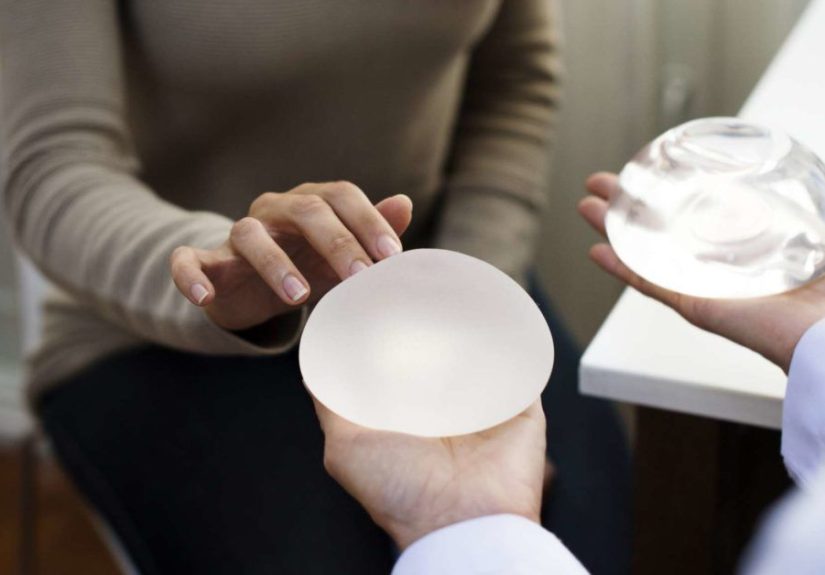
Breast implants can be confidence-boosting, life-changing, and let’s be honest a little confusing.
Along with the aesthetic benefits, they also come with a list of potential complications that can sound
scary when you first read them. The goal of this guide is not to frighten you, but to give you clear,
realistic expectations about breast implant complications, risks, and symptoms so you
can spot problems early and know when to call your doctor.
The U.S. Food and Drug Administration (FDA) now emphasizes that breast implants are
not lifetime devices. Over time, the chance of needing another surgery to replace or
remove them increases. Complications can show up months or many years after surgery, which is why
long-term follow-up and a little body awareness are so important.
Breast implant complications 101
Every surgery carries some risk, and breast augmentation or reconstruction is no exception. Complications
can range from mild and mostly cosmetic to rare but serious conditions that require urgent treatment.
Common breast implant complications include:
- Capsular contracture (scar tissue that squeezes the implant)
- Implant rupture or leakage
- Changes in breast shape, position, or feel
- Breast pain or sensation changes
- Infection, seroma (fluid collection), or hematoma (bleeding)
- Systemic symptoms sometimes referred to as breast implant illness (BII)
- Very rare implant-associated cancers such as BIA-ALCL and BIA-SCC
Let’s break these down in plain English so you know what’s normal healing, what’s a red flag, and what
falls into the “call your surgeon and don’t panic-scroll Google at 2 a.m.” category.
Capsular contracture: When scar tissue gets bossy
Your body naturally forms a thin layer of scar tissue (a capsule) around any implant. That’s normal. With
capsular contracture, that capsule tightens and hardens more than it should. The breast
can feel firm, look rounder or distorted, or sit higher than the other side. In moderate to severe cases,
it can be painful and visibly misshapen.
Symptoms of capsular contracture
- Breast feels unusually firm or hard compared with before
- Visible distortion, tightness, or “balling up” of the implant
- Breast sitting much higher on the chest than the other side
- Discomfort, pressure, or pain, especially when lying on your stomach or hugging someone
Doctors use a Baker grading scale (I–IV) to describe how severe the contracture is. Mild cases might just
feel a bit firm. Severe cases can be painful and obviously distorted and often require surgery to remove
or release the scar tissue and possibly replace the implant.
Capsular contracture is one of the most common reasons people need revision surgery. It can occur after
infection, hematoma, or sometimes for reasons we don’t fully understand. You can’t always prevent it, but
choosing an experienced, board-certified plastic surgeon and carefully following post-op instructions can
help lower the risk.
Implant rupture and leakage: Saline vs. silicone
One of the biggest concerns people have is, “What happens if my implant breaks?” The answer depends on the
type of implant:
Saline implant rupture
Saline implants are filled with sterile salt water. If the shell tears, the implant usually deflates
noticeably over hours to a few days. One breast suddenly looks smaller, softer, or “deflated,” while the
saline is safely absorbed by your body.
While this isn’t an emergency in terms of your overall health, it is a cosmetic problem and usually
requires surgery to remove the empty shell and replace the implant if you choose.
Silicone implant rupture (“silent rupture”)
Silicone gel implants are designed to feel more like natural breast tissue. When they rupture, the thicker
gel tends to stay inside the capsule or near the implant. This is why many silicone ruptures cause no
obvious symptoms at all hence the term silent rupture.
Possible signs of a silicone rupture include:
- Subtle change in breast size or shape
- New lumps or firmness in or around the breast
- Breast pain or burning sensation
- Changes in breast feel, such as unusual softness or hardness
Because silent ruptures are common, the FDA recommends periodic imaging (such as MRI or ultrasound) to
check silicone implants over time. If a rupture is confirmed, surgeons typically recommend removing the
implant and often replacing it if you still want implants.
Shape, feel, and position problems
Implants don’t always sit perfectly forever. Some complications are more about how your breasts look and
feel than about immediate health risks, but they can still be frustrating.
Implant malposition
Over time, implants can shift. They might sit too low (“bottoming out”), too high, too close together, or
drift outward toward the armpit. This can happen from gravity, natural tissue changes, or technical issues
with the original pocket created during surgery.
Rippling or wrinkling
Some implants, especially saline or very thin coverage over the implant, can show visible ripples or
wrinkles on the surface. You may see them at the sides of the breast or feel them when you bend forward.
While not dangerous, rippling can be cosmetically bothersome. Solutions may include switching implant
types, changing placement (for example, under the muscle), or adding fat grafting.
Asymmetry and contour issues
No two breasts are identical, even with implants. But if one breast becomes significantly larger, higher,
or firmer than the other especially if this change is new it may signal capsular contracture, fluid
buildup, or rupture. Any sudden, noticeable change deserves a check-in with your surgeon.
Pain, numbness, and other “sensory drama”
It’s normal to have soreness, tightness, and odd zings of nerve pain in the first weeks to months after
surgery your body is healing and nerves are waking up. But persistent or late-onset symptoms may point
to complications.
Common sensory changes
- Breast pain or pressure that doesn’t improve or that worsens over time
- Changes in nipple sensation hypersensitivity, numbness, or patchy feeling
- Burning or pulling sensations that persist beyond the normal recovery period
While many types of sensitivity changes improve over time, chronic or worsening symptoms can be associated
with capsular contracture, nerve irritation, or implant malposition. Severe pain, especially when combined
with swelling, firmness, or redness, should always be evaluated.
Infection, seroma, and hematoma
Early after surgery, you’re watched closely for signs of:
- Infection: redness, warmth, fever, drainage, or feeling very ill
- Hematoma: bleeding into the pocket around the implant
- Seroma: fluid build-up around the implant
These usually occur in the first days to weeks but can occasionally develop later. Significant infections
sometimes require removal of the implant until the infection is cleared. Seromas or hematomas may need to
be drained or surgically treated. Prompt treatment reduces the risk of later capsular contracture and other
complications.
Breast implant illness (BII): Symptoms beyond the chest
Breast implant illness (BII) is a term people use to describe a constellation of
systemic symptoms that some individuals with breast implants report. These may include:
- Fatigue and low energy
- Brain fog or difficulty concentrating
- Joint or muscle pain
- Headaches, hair loss, or dry eyes and mouth
- Rashes or other inflammatory symptoms
- Mood changes, anxiety, or depression
At this point, BII is not yet a formally defined medical diagnosis. Research suggests that some people
with these symptoms have other underlying conditions autoimmune diseases, thyroid problems, vitamin
deficiencies, or unrelated issues while others report clear improvement after implant removal.
If you’re dealing with these symptoms, it’s important not to assume everything is “just the implants.”
A thorough medical evaluation can rule out other causes. If no clear explanation is found and symptoms are
severely affecting your quality of life, you and your surgeon might discuss implant removal as an option.
Rare but serious: BIA-ALCL, BIA-SCC, and cancer risk
One of the most confusing areas of breast implant safety is the discussion about cancer. Here’s the key
point up front: breast implants have not been shown to increase the risk of typical breast cancer in breast tissue.
However, implants are associated with two extremely rare cancers that develop in the scar
tissue (capsule) around the implant, not in the breast tissue itself:
Breast implant–associated anaplastic large cell lymphoma (BIA-ALCL)
BIA-ALCL is a rare type of T-cell lymphoma that develops in the capsule or fluid around the implant. It has
been seen most often in people with textured implants. Symptoms typically appear years after surgery and may
include:
- Swelling or fluid build-up around the implant
- A new lump in the breast or armpit
- Breast firmness, pain, or asymmetry
While the absolute risk is low, it’s not zero. Early diagnosis is critical because BIA-ALCL is often
treatable when caught early, typically with surgery to remove the implant and capsule, sometimes combined
with oncologic treatment.
Breast implant–associated squamous cell carcinoma (BIA-SCC)
Even rarer than BIA-ALCL, BIA-SCC is a type of squamous cell carcinoma found in the capsule. Reported cases
are very few, but because it can be aggressive, the FDA and professional societies have urged surgeons and
patients to be aware of persistent swelling, mass, or pain around the implant especially many years after
placement.
Who is at higher risk of complications?
Complications can happen to anyone, but certain factors may increase your risk:
- Having implants in place for many years (risk rises over time)
- Textured implants (for BIA-ALCL and possibly BIA-SCC)
- History of radiation to the breast or chest
- Smoking, uncontrolled diabetes, or poor wound healing
- Previous severe capsular contracture or infection
- Autoimmune or inflammatory conditions (for systemic symptom concerns)
These aren’t automatic deal-breakers, but they are reasons to have an in-depth conversation with a
board-certified plastic surgeon and possibly other specialists before surgery.
Warning signs you should never ignore
Call your surgeon or healthcare provider promptly if you notice:
- Sudden or progressive swelling of one breast
- New or worsening pain, firmness, or distortion
- Redness, warmth, drainage, or fever
- Rapid change in size or shape of one breast (especially with saline implants)
- Lumps in the breast or armpit
- Persistent fluid collection around the implant
These symptoms don’t mean you definitely have a serious complication, but they’re your cue to stop
guessing and get evaluated. Imaging tests, such as ultrasound or MRI, and sometimes lab analysis of
fluid can help clarify what’s going on.
Monitoring and follow-up: Staying ahead of problems
Breast implants come with a long-term relationship: you and your surgeon should plan for routine check-ins.
For silicone implants, the FDA recommends periodic imaging to check for silent rupture. Your surgeon may
also recommend:
- Annual or regular follow-up visits
- Breast self-awareness (not just for cancer, but for shape and feel changes)
- Mammograms or other imaging scheduled with implant-aware techniques
Keep any implant information card you received, including implant type, manufacturer, and lot number.
This information helps if there are ever recalls or safety alerts involving specific devices.
Treatment options for implant complications
Treatment depends on the specific issue and its severity:
-
Capsular contracture: Mild cases may just be observed; more severe ones typically need
surgery to remove or release the capsule (capsulectomy) and possibly replace the implant. -
Rupture: Ruptured saline or silicone implants are usually removed, with or without
replacement, depending on your goals. -
Infections or severe seromas: Often treated with antibiotics and sometimes surgery to
wash out the pocket and remove or temporarily remove the implant. -
BII or unexplained systemic symptoms: After other causes are ruled out, some people
choose implant removal (with or without capsule removal). Many report improvement, but responses vary. -
BIA-ALCL or BIA-SCC: Managed with complete removal of the implant and capsule and
coordinated oncologic care.
Surgery for complications may be emotionally and financially stressful, so it’s worth asking about
expected revision rates, warranty coverage, and potential future costs before your initial procedure.
Reducing your risk: Smart choices before and after surgery
You can’t eliminate all risk, but you can tilt the odds in your favor:
- Choose a board-certified plastic surgeon with extensive breast implant experience.
- Discuss implant type, size, and surface and how each affects risk and aesthetics.
- Be honest about your health history, smoking, autoimmune conditions, and medications.
- Follow pre- and post-op instructions like they’re the secret recipe to great results (because they are).
- Keep up with recommended imaging and follow-up visits.
- Listen to your body if something feels “off,” don’t ignore it.
Most people with breast implants never experience severe complications, but knowing the possible problems
and the early warning signs gives you real power. Instead of worrying in the dark, you’ll understand
what’s normal, what’s not, and when to get help.
Real-world experiences: What complications can feel like day to day
Medical terms like “capsular contracture” and “implant malposition” can feel abstract until you hear how
they play out in everyday life. The stories below are composite examples not real individual patients,
but realistic scenarios based on common experiences to help you visualize what breast implant
complications might look and feel like.
Emma’s story: The “too-round, too-high” breast
Emma had silicone breast implants placed in her late 20s. The first year went smoothly, and she loved her
results. But around year three, she noticed her right breast felt firmer than the left. At first she blamed
it on a new sports bra and kept going. Over time, the right breast began to look rounder and a little higher
on her chest. Lying on her stomach felt uncomfortable, and hugs sometimes hurt.
When she finally saw her plastic surgeon, he diagnosed capsular contracture on the right side. Emma felt a
mix of relief (so it wasn’t in her head) and frustration (another surgery?). Together, they decided on a
capsulectomy and implant replacement. Her surgeon also adjusted the pocket to improve symmetry. Recovery
wasn’t as bad as she feared, and for her, the second surgery turned “hard and high” back into soft and
natural. Her big takeaway: if one breast starts acting like a completely different character, don’t wait
years to get it evaluated.
Tasha’s story: Systemic symptoms and tough decisions
Tasha had saline implants placed after weight loss. For years, everything seemed fine. In her late 30s,
she began to notice persistent fatigue, joint pain, and brain fog. She bounced between doctors, was tested
for autoimmune diseases and thyroid problems, and tried different diets and supplements. Her labs were
mostly normal, but she still felt awful.
In an online support group, she learned about breast implant illness. Her regular doctor was cautious but
open to the possibility; her plastic surgeon explained that the science is still evolving but acknowledged
that some patients feel better after implant removal. After months of debating, Tasha decided to have her
implants removed and not replaced.
Within a few months, her energy improved noticeably, and her joint pain decreased. Not every symptom
vanished, and not everyone with BII-like symptoms has the same experience, but for Tasha, the change was
meaningful. Looking back, she wishes the risks of long-term systemic symptoms had been part of the initial
conversation not to scare her away, but to give her a more complete picture.
Maria’s story: A rare scare and the importance of follow-up
Maria had textured implants placed as part of breast reconstruction after mastectomy. For almost a decade,
she had regular follow-ups and was told everything looked good. One year, she noticed her left reconstructed
breast had become more swollen and firmer. She assumed it was weight gain or aging, but the swelling
continued and felt different from typical monthly changes.
Her surgeon ordered imaging and aspirated fluid around the implant for testing. The result: breast
implant–associated anaplastic large cell lymphoma (BIA-ALCL). The words “cancer” and “implants” in the same
sentence were terrifying, but because it was caught early and limited to the capsule, the treatment was to
remove the implant and the entire capsule, followed by oncologic monitoring.
Maria’s case underscores why regular follow-up and not ignoring late-onset swelling are so critical. BIA-ALCL
is rare, but awareness and early diagnosis dramatically change outcomes. For Maria, knowledge plus a
surgeon who took her concerns seriously made all the difference.
Bringing it all together
These stories highlight a spectrum of experiences: a relatively common problem (capsular contracture),
systemic symptoms that may or may not be directly caused by implants (BII), and a rare but serious cancer
(BIA-ALCL). What they share is the importance of:
- Paying attention to changes in your body
- Keeping an open, honest relationship with your healthcare team
- Not dismissing your own symptoms, even if your labs look “normal”
- Seeking second opinions when something doesn’t feel right
Breast implants can be part of a deeply personal journey whether cosmetic or reconstructive. Understanding
breast implant complications, common problems, risks, and symptoms doesn’t mean you should
fear them; it means you’re informed, prepared, and empowered to make the decisions that best fit your body,
your health, and your long-term goals. Always discuss your individual situation with a qualified healthcare
professional, because no article no matter how detailed can replace personalized medical advice.