Table of Contents >> Show >> Hide
- What Is a Bundeswehr Wool Blanket, Exactly?
- Original Issue vs. “Bundeswehr Type”: The Quick Reality Check
- Why Wool Still Wins (Even When It’s Not Trying to Be Cute)
- Typical Specs: Size, Weight, and Feel
- How to Tell If You’re Looking at the Real Thing
- Best Ways to Use a Bundeswehr Wool Blanket
- Care and Cleaning: Keep It Tough Without Making It Sad
- Buying Tips in the U.S.: What to Look For
- FAQs People Actually Ask (Usually While Shopping at 1:00 a.m.)
- Real-World Experiences With Bundeswehr Wool Blankets (About )
- Conclusion
If you’ve ever browsed military surplus and thought, “I want something that can survive a century, a dog, and my
questionable laundry habits,” welcome. Bundeswehr wool blanketsthe classic German military-style
wool blanketshave earned a cult following for one simple reason: they’re unapologetically practical.
But there’s a twist. When people say “Bundeswehr wool blanket,” they might mean:
(1) a genuine German-issued blanket (often vintage), or
(2) a “Bundeswehr type” blanketmodern production made in the same spirit and look.
Both can be excellent; you just want to know which one you’re buying so your expectations match reality.
What Is a Bundeswehr Wool Blanket, Exactly?
The Bundeswehr is Germany’s federal armed forces, and wool blankets have long been part of military life
everywhere for the same reasons: warmth, durability, and better performance than many synthetics around sparks and
rough use.
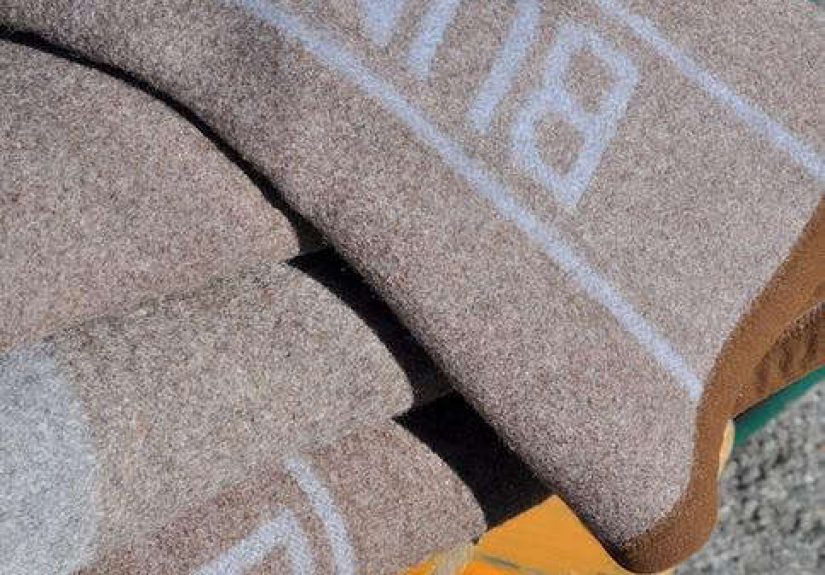
In the surplus world, “Bundeswehr wool blanket” usually points to a sturdy, no-nonsense blanket in muted tones,
often gray or olive, sometimes with stripes or markings. The vibe is less “Instagram hygge” and more “I could wrap
an engine in this and it would still look fine.”
Common looks you’ll see
- Gray with black stripes (the iconic “German army style” look)
- Olive drab with stamped markings (often older/vintage)
- “BUND” or “Bundes-Eigentum” stamps (a big clue you’re looking at government property markings)
- Hemmed edges or piped trim to resist fraying
Original Issue vs. “Bundeswehr Type”: The Quick Reality Check
This is the part that saves you from disappointment (or accidental joy).
1) Original/vintage German military blankets
These are the real-deal surplus piecesoften West German-era, sometimes stamped with property markings.
Many are heavy, large, and wool-forward. Depending on the year and contract, you’ll find different sizes,
weaves, and compositions. Some are close to 100% wool; others are blends. Condition varies from “museum crisp”
to “has definitely seen a barracks floor.”
2) Bundeswehr-style (commercial) wool blankets
These are modern blankets inspired by the classic design and sold by outdoor/military brands. A very common spec
in the U.S. market is a wool blend (often around 70% wool / 30% synthetic) in a
66" x 90" size. They’re popular because they’re consistent, easy to source, and usually
less expensive than prime-condition vintage.
Neither category is “better” in every case. Vintage often wins on story, cool-factor, and sometimes higher wool
content. Modern “type” blankets often win on predictability and availability.
Why Wool Still Wins (Even When It’s Not Trying to Be Cute)
Wool blankets are still around for the same reason cast iron pans are still around: they work, they last, and they
don’t care about trends.
Warmth with breathability
Wool insulates well while still letting moisture vapor escape, which helps reduce that clammy “sleeping in a snack
bag” feeling you can get under some synthetics.
Performance in damp conditions
Wool can keep insulating even when it’s damp. No, it’s not magic armor. But if you’ve ever camped where “dry” is
more of a rumor than a forecast, you’ll appreciate wool’s resilience.
Better behavior around sparks
Around a campfire, wool is generally more forgiving than many synthetics (which can melt). That matters if you’ve
ever watched a stray ember land and thought, “Please don’t turn my blanket into a modern art installation.”
Typical Specs: Size, Weight, and Feel
Specs vary by generation and maker, but here’s what you’ll commonly find in the U.S. market:
Bundeswehr-style “black stripe” blankets
- Size: commonly around 66" x 90" (big enough for one person to burrito properly)
- Composition: often a wool/synthetic blend (frequently around a 70/30 split)
- Weight: typically a few pounds; heavy enough to feel substantial but not a “carry it up Everest” item
- Finish: piped trim or sturdy stitching to reduce fraying; striped design for that classic look
Vintage/issue-style Bundeswehr blankets
- Size: can be larger than typical U.S. throws; some are very generously cut
- Composition: often higher wool content, but varies by era and contract
- Markings: may include “BUND” or “Bundes-Eigentum” style property stamps
- Feel: usually more “rugged utility” than “cloud softness” (the softness can improve with gentle use and proper care)
Translation: if you want a blanket that feels like a luxury robe, this probably isn’t your soulmate on day one.
If you want a blanket that feels like it could file your taxes and then help you move a couch, you’re in the right aisle.
How to Tell If You’re Looking at the Real Thing
Because surplus listings can be… let’s call them “optimistically labeled,” here’s a practical authenticity checklist.
Look for markings
- “BUND” (often used as shorthand related to federal property markings)
- “Bundes-Eigentum” (literally “federal property” wording may appear on some vintage pieces)
- Date stamps / depot markings (varies widely; not all have them)
Check the construction
- Edges: vintage blankets often have solid hemming; modern “type” blankets may feature piping
- Weave density: tighter, heavier weaves tend to hold up better long-term
- Stripe style: the “black stripe” look is popular in commercial versions; vintage can vary
Be honest about condition grades
“Like new” can mean anything from “stored in a warehouse” to “a soldier once looked at it fondly.”
Expect normal surplus possibilities: small moth nips, faint odors, storage dust, or stamps that look like they were applied during a coffee shortage.
Best Ways to Use a Bundeswehr Wool Blanket
Wool blankets are gloriously unglamorous tools. Here are the most common high-value uses:
1) Camping layer (not a sleeping bag replacement)
Use it as:
a top quilt over a sleeping bag,
an extra layer inside a bag on colder nights,
or a wrap-around blanket while you’re cooking breakfast and pretending instant oatmeal is “rustic cuisine.”
2) Ground insulation and picnic duty
Fold it, double it, or drape it. Wool’s durability makes it great for sitting, lounging, or insulating from chilly benches.
(Pro tip: if you’re on damp ground, pair it with a tarp or groundsheet to keep the wool from soaking up water.)
3) Emergency kit and vehicle blanket
A wool blanket in the trunk is the adult version of carrying a spare battery pack: you don’t need it often,
but when you do, you feel like a responsible superhero.
4) Home life: throws, guest bedding, and pet diplomacy
Wool blankets are fantastic sofa throwsespecially if you want something that can handle life.
Bonus: pets tend to claim them immediately, which is either adorable or a hostile takeover depending on your viewpoint.
Care and Cleaning: Keep It Tough Without Making It Sad
Wool is lower-maintenance than people think, but it does have rules. The goal is to avoid felting and shrinking:
heat + agitation + harsh detergent is the “bad combo meal.”
Everyday care
- Air it out: a little fresh air does wonders for odors
- Shake and brush: remove dust and debris without washing
- Spot clean: blot, don’t scrub
Washing guidance (read the label if you have one)
If the blanket is labeled washable, use a gentle cycle, cold water, and a wool-safe detergent.
If it is not labeled washable (or you’re unsure), dry cleaning is the safer routeespecially for higher-wool-content vintage pieces.
Either way: avoid high heat drying. Air-drying flat (or supported) helps prevent stretching.
And yes, it may feel slightly stiffer after washinganother reason many owners wash sparingly.
Buying Tips in the U.S.: What to Look For
If you’re shopping in the United States, you’ll usually see these options:
Option A: Vintage surplus listings
- Best for collectors, history nerds, and anyone who loves a stamped marking
- Check for clear photos of labels/stamps and edge condition
- Ask about odors and moth damage if it’s not stated
Option B: Bundeswehr-style (new production) blankets
- Best for camping, emergency kits, and predictable specs
- Look for composition, size, edge finish, and weight in the listing
- Expect a “wool blanket” feel: warm, sturdy, sometimes slightly scratchy
Decision shortcut
If you want the classic look and a reliable spec, pick a “Bundeswehr type” blanket.
If you want history, stamps, and that “this has a story” energy, go vintage.
FAQs People Actually Ask (Usually While Shopping at 1:00 a.m.)
Are Bundeswehr wool blankets itchy?
Sometimes. Many are not “baby-soft” out of the box. If you’re sensitive, use a sheet layer or a liner,
or reserve it for outer-layer duty (camp wrap, top layer, sofa throw).
Do they work in wet weather?
Wool is known for staying useful when damp, but if you soak it, it will get heavy and take time to dry.
Use a ground barrier and keep it as dry as possible.
Are they worth it compared to modern camping quilts?
For backpacking: usually no (weight-to-warmth is not wool’s main flex).
For car camping, cabins, home, preparedness, and general rugged use: absolutely, they can be a great value.
Real-World Experiences With Bundeswehr Wool Blankets (About )
Let’s talk about the part product listings never capture: living with one of these blankets day-to-day.
Across camping trips, emergency kits, and living room duty, the experience tends to be wonderfully consistent:
it feels like a blanket that expects you to have hobbies involving weather.
First impression is usually the same for most people: “Wow, this is solid.” A Bundeswehr-style wool blanket
has that satisfying weight when you unfold it. It doesn’t flutter like a lightweight throw; it drapes like it has a job.
On a cold evening, that weight becomes part of the comfort. You can wrap it around your shoulders and instantly look
like you’re about to deliver important news from a mountaintop.
The second impression is also common: the feel can be a little scratchyespecially with new production blends or
older vintage weaves that weren’t designed for “spa softness.” In practice, owners tend to solve this in two ways.
One: use it as an outer layer (over a sleeping bag, over a sheet, over your regular bedding). Two: break it in gently.
Not “wash it ten times on hot,” but “use it, air it, and let it relax.” Some people find the hand softens over time.
Others simply embrace the rugged texture and declare it “character.”
In camp settings, the most praised feature is versatility. People use the blanket as a wrap while tending a fire,
as a windbreak around shoulders, as a seat on cold benches, and as a quick layer for unexpected temperature drops.
It’s also popular for those moments when you’re awake before the sun, holding a mug of coffee, and questioning your
life choicesbecause a wool blanket is one of the few items that quietly says, “You’re fine. Probably.”
At home, the blanket often becomes the unofficial “utility throw.” It’s the one you grab when a friend shows up and
your thermostat is making budget decisions. It’s the one you put on the couch when you don’t want your nice stuff
to meet pizza grease. And if you have pets, it may become the blanket your dog or cat claims with the confidence of
a medieval monarch. Owners routinely report that pets love the warmth and the dense textureso if you buy one, you may
want to purchase a second “human blanket” for yourself. Consider it preventive diplomacy.
The one experience that surprises new owners: smell. Vintage surplus can arrive with a “storage” scentsometimes dusty,
sometimes faintly lanolin, sometimes reminiscent of a warehouse that once heard the word “mothball.”
The fix is usually simple: air it outside, give it time, and spot clean if needed. Most people find the smell fades
dramatically with ventilation and a little patience. The blanket doesn’t need constant washing; it needs respect and airflow.
Bottom line: if you want a lightweight, packable, ultra-soft blanket for a minimalist backpacking kit, you’ll likely
prefer modern quilts. But if you want something rugged, warm, and endlessly usefulfrom the trunk to the tent to the couch
the Bundeswehr wool blanket experience tends to be exactly what fans promise: practical comfort with a side of “this could
survive the apocalypse (or at least your weekend plans).”
Conclusion
Bundeswehr wool blankets have staying power because they’re built for real life: cold mornings, messy gear,
surprise weather, and people who want one blanket that can do ten jobs. Choose vintage if you want history and markings;
choose “Bundeswehr type” if you want consistent specs and easy sourcing. Either way, you’re getting a tough, warm classic
that’s happiest when things get a little rugged.