Table of Contents >> Show >> Hide
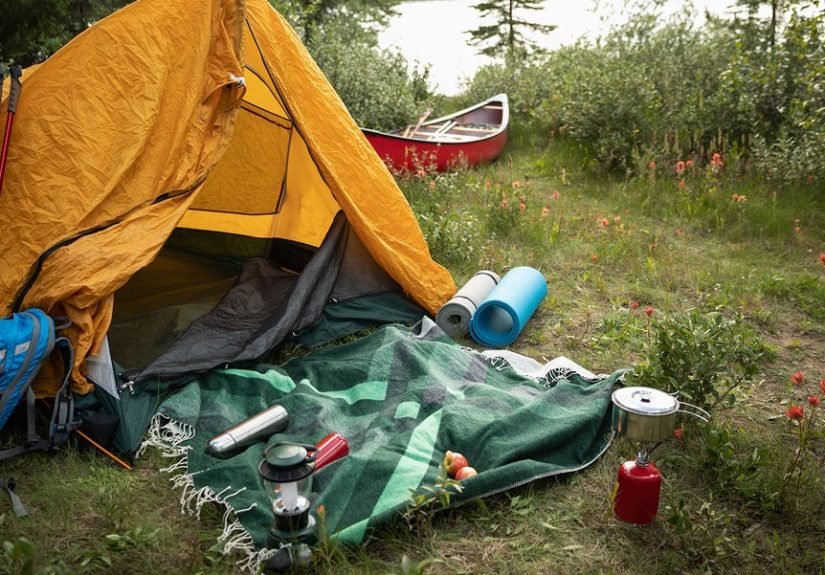
Nothing humbles a confident camper faster than arriving at the campsite with gourmet hot dogs, artisanal buns, and absolutely no lighter. That is why a solid camping checklist matters. Whether you are heading to a state park for a quick weekend, setting up near a lake with the family, or trying car camping for the first time, knowing what to bring camping can turn a chaotic trip into a comfortable one.
Even though this guide carries the title Camping Checklist 2019, the truth is that good camping gear does not care what year is printed on your packing list. The essentials are still the essentials: shelter, sleep, food, water, clothing, safety supplies, and a few comfort items that keep the whole experience fun instead of “character-building.” In this guide, you will find a practical, beginner-friendly camping packing list, plus smart advice on how to adjust it for weather, kids, pets, and different types of trips.
If your goal is simple, it should be this: pack what keeps you safe, dry, fed, rested, and reasonably pleasant to be around by day two. Let’s get into the ultimate camping essentials checklist.
Why a Camping Checklist Makes Every Trip Better
A checklist does more than help you remember the tent. It helps you think through the whole camping experience before you leave home. Where will you sleep? How will you cook? What happens if it rains? What if the campground has no water, no electricity, or no camp store selling overpriced batteries and one lonely can of beans?
The best camping gear list saves money, prevents overpacking, and reduces those annoying “we forgot the one thing we actually needed” moments. It also helps first-time campers separate true essentials from random trunk clutter. You do not need to bring your entire kitchen. You do need a can opener if dinner depends on it.
The Ultimate Camping Checklist
1. Shelter and Sleep System
Your campsite starts with basic shelter. If you do not sleep well, everything else feels harder, including making coffee and pretending you are still having fun.
- Tent with rainfly
- Ground tarp or footprint
- Tent stakes and guylines
- Mallet or small hammer
- Sleeping bags rated for the weather
- Sleeping pads, cots, or air mattress
- Pillows
- Extra blankets for chilly nights
- Repair kit for tent or mattress
If you are car camping, comfort matters more because you do not have to carry everything on your back. That means you can bring a thicker sleeping pad, a real pillow, and even an extra blanket for those 3 a.m. temperature drops that always seem personal.
2. Camp Kitchen and Food Supplies
Camp food can be gloriously simple or suspiciously ambitious. Either way, you need a setup that is easy to manage, easy to clean, and hard to mess up when everyone is hungry.
- Cooler with ice or frozen bottles
- Camp stove or grill
- Fuel for stove or grill
- Matches or lighter in a waterproof container
- Firestarter
- Cookware such as pot, pan, and kettle
- Cooking utensils, tongs, spatula, and serving spoon
- Plates, bowls, cups, and mugs
- Forks, spoons, and knives
- Can opener and bottle opener
- Cutting board and kitchen knife
- Paper towels or dish towels
- Biodegradable soap and sponge
- Trash bags
- Food storage containers or zip bags
- Water jugs or refillable bottles
- Snacks and easy meals
- Coffee, tea, or the thing that makes mornings tolerable
Plan your meals before you leave. A good rule is to build around easy breakfasts, low-mess lunches, and simple dinners. Think oatmeal, sandwiches, foil-pack meals, tacos, pasta, chili, fruit, trail mix, and snack bars. The more prep you do at home, the less your campsite turns into a cooking show with no commercial breaks.
3. Clothing and Footwear
The golden rule of camping clothes is simple: dress for the forecast you want, but pack for the weather you might actually get.
- Moisture-wicking shirts
- Warm layers such as fleece or hoodie
- Rain jacket or poncho
- Comfortable pants or shorts
- Sleepwear
- Extra socks
- Underwear
- Hat for sun protection
- Warm hat for cold nights
- Sturdy hiking shoes or boots
- Camp shoes or sandals
- Swimsuit if your campsite includes water fun
Pack more socks than logic says you need. Future you, standing in wet grass at sunrise, will be grateful. Dry feet improve morale at a surprising rate.
4. Personal Hygiene and Health Items
Yes, you are in the outdoors. No, that does not mean you have to become a swamp creature by sunset. Basic hygiene keeps you comfortable and helps prevent illness.
- Toothbrush and toothpaste
- Soap
- Washcloth and towel
- Handwashing supplies
- Toilet paper
- Toiletries and personal care items
- Prescription medications
- Sunscreen
- Lip balm
- Insect repellent
- Hand wipes
- Feminine hygiene products if needed
- Small mirror
Bring a simple travel health kit too. That should include pain reliever, allergy medication, bandages, blister care, antiseptic wipes, tweezers, and anything specific your group needs. The outdoors are wonderful, but they are not famous for pharmacies.
5. Safety and Navigation Gear
Even if you are staying at a well-developed campground, every camping essentials list should include backup safety gear. Weather changes, roads close, batteries die, and cell service likes to disappear exactly when you feel most confident.
- First aid kit
- Flashlight or headlamp
- Extra batteries
- Lantern
- Map of the area
- Compass
- Phone with downloaded offline map
- Whistle
- Multi-tool or pocketknife
- Duct tape
- Emergency blanket
- Extra water
- Backup food or high-energy snacks
If storms are possible, know where the nearest enclosed shelter or vehicle is before bad weather rolls in. A campsite is not the place to improvise your emergency plan while thunder is already in the soundtrack.
6. Campsite Setup and Comfort Items
These are the items that turn a basic campsite into a place where people actually want to hang out.
- Camp chairs
- Folding table if needed
- Picnic tablecloth or clips
- Shade canopy or tarp
- Rope or clothesline
- Clothespins
- Broom or brush for the tent
- Camp rug or mat
- Bin or box for organizing gear
- Books, cards, or games
- Camera or binoculars
- Portable charger or power bank
Organization matters more than people expect. Keep kitchen items in one bin, clothing in another, and nighttime gear like flashlights and jackets where you can find them in the dark. No one wants to play “guess which bag contains the toilet paper” at midnight.
7. What to Bring Camping With Kids
Camping with kids is equal parts fresh air, discovery, and saying “please stop poking that” several dozen times. A few extra items make a huge difference.
- Favorite snacks
- Reusable water bottles
- Weather-appropriate extra clothing
- Kid-friendly flashlights or headlamps
- Comfort item such as stuffed animal or blanket
- Simple toys, coloring supplies, or scavenger hunt list
- Child-safe bug spray and sunscreen
- Wet wipes
- Bedtime books
- Any necessary medicines
Keep routines as normal as possible. Familiar snacks, pajamas, and bedtime rituals can help children settle into the adventure instead of treating the tent like a trampoline with walls.
8. What to Bring Camping With Dogs
Dogs often love camping, mostly because it combines sleeping outside with unlimited smells. Pack for them like a real member of the group, because they are.
- Leash and collar with ID tag
- Dog food and treats
- Food and water bowls
- Extra water
- Waste bags
- Dog bed or blanket
- Towel for muddy paws
- Any medications
- Favorite toy
How to Customize Your Camping Packing List
No single beginner camping checklist works for every trip. The right packing list depends on where you are going, what season it is, who is coming, and whether you are car camping or carrying everything yourself.
For hot weather, prioritize shade, extra water, breathable clothes, and sun protection. For cold-weather camping, bring insulated sleeping gear, dry layers, gloves, warm socks, and more food than you think you need. For rainy trips, add waterproof storage bags, extra tarps, rain gear, and dry backups for clothing and bedding.
If your campground has bathrooms, potable water, picnic tables, and a fire ring, your packing list can stay leaner. If it is a primitive site, you will need more self-sufficiency. Always check campground rules before you leave, especially for fire restrictions, food storage rules, pet policies, and reservation details.
Common Camping Mistakes to Avoid
Even smart campers make silly mistakes. Usually because they are excited, rushed, or convinced they will “just figure it out.” Here are the most common problems to avoid:
- Overpacking clothes but underpacking layers: Five T-shirts do not replace one warm jacket.
- Bringing complicated meals: The campsite is not the place for experimental lasagna unless you enjoy dishwashing as a hobby.
- Forgetting lighting: One flashlight for a whole group is a bold choice and not in a good way.
- Ignoring food storage: Keep food secure, clean up crumbs, and do not leave scented items sitting out.
- Skipping water planning: Never assume water will be available or safe without checking first.
- Failing to prepare for weather: Forecasts change, and the sky does not care about your optimism.
- Not practicing tent setup at home: Learn your tent before you arrive. Sunset is not ideal for reading tiny instruction diagrams.
Smart Tips for a Better Camping Experience
Want your trip to feel smooth instead of scrambled? Use a few simple systems.
- Pack by category, not by random room in your house.
- Prep meals and snacks in advance.
- Label bins so everyone can help find things.
- Keep a “night box” with lantern, headlamps, extra layers, and toiletries.
- Bring more dry bags or zip bags than you think you need.
- Leave a trip plan with someone at home.
- Do a final sweep before leaving camp so nothing gets left behind.
The best camping trips are rarely the fanciest ones. They are the trips where everyone is warm enough, fed enough, and relaxed enough to notice the stars, the quiet, and the weird little joy of coffee outdoors tasting better than it does at home.
Camping Experiences and Lessons From Real Trips
One of the funniest things about camping is that the lessons never sound dramatic in advance. “Bring extra socks” seems boring until you step into wet grass at sunrise and realize your shoes are now tiny indoor pools. On one early fall trip, a family packed everything beautifully except for one detail: no one checked whether the air mattress had a leak. By midnight, two adults were basically sleeping on a vinyl tortilla. They still laugh about it, but they also never leave home without a patch kit now.
Another common story involves food. A group of friends once planned an impressive campsite dinner with marinated chicken, grilled vegetables, corn, dessert, and fancy coffee for the next morning. It looked like a magazine spread in the driveway. At the campsite, however, they discovered they had forgotten tongs, a sharp knife, cooking oil, and the coffee filter. Dinner was still edible, but the experience was less “outdoor gourmet” and more “we are all using one spoon and making the best of it.” That is the magic of a detailed what to bring camping list: it protects your plans from your own enthusiasm.
Families also learn quickly that comfort items matter. On a spring trip with two young kids, the essential gear was not the lantern or the cooler. It was the familiar bedtime blanket and one well-loved stuffed dinosaur. Once the kids had those, the tent stopped feeling strange and started feeling like an adventure. Parents sometimes focus on the obvious equipment and forget that emotional comfort is part of the packing list too.
Weather teaches the clearest lessons. One camper heading into the mountains packed for sunny afternoons and ignored the possibility of cold nights. By 10 p.m., everyone was wearing every shirt they brought and pretending they were “totally fine.” Since then, that group has followed a rule that works beautifully: pack for one level colder and one level wetter than the forecast suggests. That simple habit has saved more trips than any fancy gadget.
Experienced campers also know that organization is not boring, it is freedom. When kitchen gear lives in one bin, morning coffee happens faster. When flashlights always go in the same pocket, no one panics after dark. When trash bags are packed on purpose, cleanup takes minutes instead of becoming a debate. A good camping checklist is not just about bringing more stuff. It is about bringing the right stuff and knowing where it is.
In the end, the best camping experiences usually come from small victories: a tent that stays dry in the rain, a hot meal after a long hike, kids falling asleep tired and happy, a dog curled up by the chair, a sky full of stars, and the satisfying realization that you remembered the marshmallows and the lighter. That is what a great checklist really gives you. Not perfection. Just a much better shot at a trip worth remembering.
Conclusion
A well-built camping checklist 2019 is still a smart guide for campers today because the basics of a great trip have not changed. Bring reliable shelter, a comfortable sleep setup, practical camp kitchen supplies, weather-appropriate clothing, hygiene items, and safety gear. Then customize the list based on your campsite, the season, and who is coming along.
If you remember nothing else, remember this: camping is more fun when the essentials are handled. Plan ahead, pack smart, keep your campsite clean, and give yourself room to enjoy the reason you came in the first place. The fresh air helps. So does remembering the coffee.