Table of Contents >> Show >> Hide
- What the Science Actually Says
- Lung-Friendly Eating Is Bigger Than One Salad
- The Best Vegetables to Put on Your Plate
- How to Eat More Vegetables When You’re Tired, Busy, or Breathing Hard
- What a Lung-Supportive Day of Eating Might Look Like
- What Vegetables Can’t Do
- Real-Life Experiences: What This Advice Looks Like Outside the Research Papers
- Final Takeaway
- SEO Tags
If your lungs have been acting like they’re auditioning for a dramatic rolewheezing, coughing, huffing through stairs like they’re Mount Everestyou’ve probably heard the usual advice: take your meds, avoid smoke, exercise if you can, and call your doctor when symptoms flare. All of that still matters. A lot. But here’s the part that doesn’t always get top billing: what’s on your plate may also affect how you feel.
More specifically, science keeps circling back to one surprisingly unglamorous hero: vegetables. Not in a “broccoli will magically fix your lungs by Tuesday” way, because that would be nonsense. But in a very real, evidence-based way that suggests a diet rich in vegetables, fruits, fiber, and other whole plant foods may support respiratory health, help the body manage inflammation, and fit into a smarter long-term plan for people living with chronic lung issues.
So yes, this is one of those rare moments when the advice your mom gave you and the research community can stand in the same room without arguing. If you have lung problems, eating more vegetables is one of the simplest upgrades you can make. It’s not flashy. It won’t trend. But it might help your body breathe a little easier over time.
What the Science Actually Says
Let’s start with the headline behind the headline. Researchers studying chronic lung conditionsespecially chronic obstructive pulmonary disease, or COPDhave found that healthier dietary patterns are often linked with better respiratory outcomes. In plain English: people who consistently eat more high-quality plant foods, including vegetables, tend to have lower odds of certain lung problems or slower progression of symptoms than people whose diets lean heavily on ultra-processed foods.
That does not mean vegetables are medicine in the way an inhaler or prescribed treatment is medicine. It means diet appears to be one important piece of the larger lung-health puzzle. Think of it less like a miracle switch and more like a support beam. One beam won’t hold up the whole house, but it sure helps.
Several observational studies and reviews have reported that higher fruit and vegetable intake is associated with a lower risk of COPD. Some research has also suggested that long-term adherence to a nutritionally rich, plant-centered diet may be linked to a lower risk of emphysema development, especially in people with a history of smoking. That’s a big deal, because smoking-related damage involves chronic inflammation and oxidative stresstwo biological troublemakers that vegetables may help counter.
Why Vegetables May Matter for the Lungs
Vegetables bring a lot to the table besides moral superiority. They’re packed with fiber, antioxidants, vitamins, minerals, and plant compounds called phytochemicals. These compounds may help reduce oxidative stress and support healthier inflammatory responses in the body. Since many chronic lung diseases involve inflammation, tissue irritation, and stress on the respiratory system, that matters.
Fiber may also play a role. Higher-fiber diets are often associated with better overall metabolic health, and some researchers think fiber’s influence on inflammation and the gut microbiome may indirectly benefit lung health too. Scientists sometimes refer to this as the gut-lung connection, which sounds like the title of a very serious indie film but is actually a real area of research.
There’s also the simple fact that a vegetable-rich diet tends to crowd out less helpful foods. When your meals include leafy greens, broccoli, peppers, beans, carrots, tomatoes, squash, and other produce, there’s often less room for the kind of processed, high-salt, high-sugar food pattern that can work against good health.
Lung-Friendly Eating Is Bigger Than One Salad
If you have asthma, chronic bronchitis, COPD, pulmonary fibrosis, or another long-term respiratory issue, your body may already be working overtime. Breathing can take more energy. Flare-ups can zap your appetite. Steroids and inactivity can affect weight. Some people unintentionally lose muscle. Others gain weight and find breathing becomes more difficult. That is why nutrition is not a side quest for lung health. It’s part of the main plot.
Many experts recommend a balanced eating pattern centered on vegetables, fruits, whole grains, beans, nuts, seeds, healthy fats, and enough protein to maintain muscle. That last point matters because respiratory muscles need fuel too. A body that is undernourished or losing muscle mass has a harder time doing the work of breathing.
For some people with COPD, eating very large meals can make breathing feel worse because a full stomach leaves less room for the diaphragm to move comfortably. Smaller, more frequent meals may be easier. Soft-cooked vegetables, soups, stews, smoothies, and blended meals can also help when chewing feels tiring or appetite is low.
So, Should You Only Eat Vegetables?
No. Your lungs are not asking you to become a carrot. A smart lung-friendly diet includes vegetables, but it also includes protein, healthy fats, hydration, and enough calories to support your body’s needs. The goal is not dietary perfection. The goal is a pattern you can actually stick with.
In fact, some people with chronic lung disease need to be careful not to under-eat. If breathing is hard, eating can feel like work. That can lead to weight loss, fatigue, and weaker muscles. On the flip side, carrying too much weight can increase the effort required to breathe. The sweet spot is nourishment without overload.
The Best Vegetables to Put on Your Plate
Now for the practical part. If you want to eat in a way that supports lung health, variety matters more than chasing one “superfood.” Still, some vegetables are especially worth inviting to dinner.
1. Leafy Greens
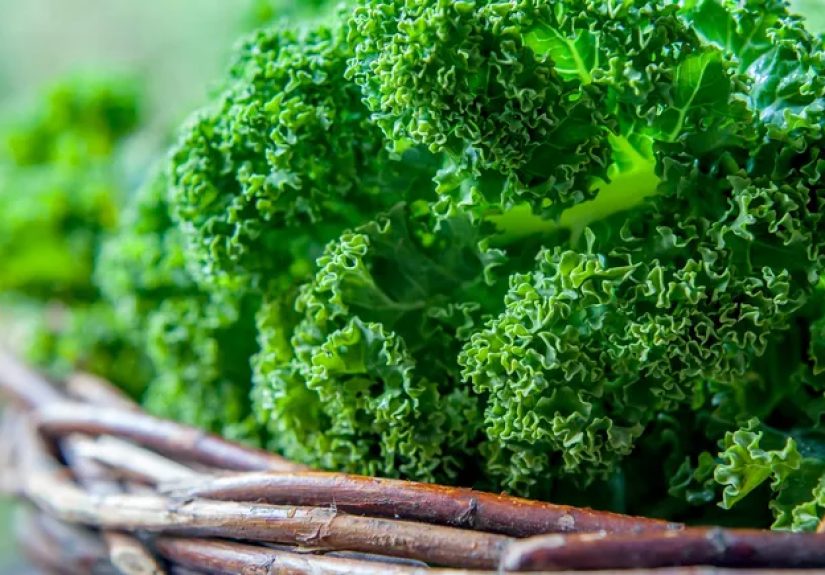
Spinach, kale, collards, arugula, romaine, and mixed greens are rich in vitamins, minerals, and plant compounds associated with anti-inflammatory eating patterns. They’re easy to work into salads, soups, omelets, pasta, wraps, and smoothies. If raw greens feel like chewing a hedge, sauté them. No one gets a medal for unnecessary jaw fatigue.
2. Cruciferous Vegetables
Broccoli, cauliflower, Brussels sprouts, and cabbage deserve a standing ovation. These vegetables contain compounds linked to the body’s natural defense systems and often show up in research on healthy dietary patterns. Roast them, steam them, stir-fry them, or sneak them into soups if you’re not emotionally prepared for Brussels sprouts in broad daylight.
3. Brightly Colored Vegetables
Bell peppers, carrots, tomatoes, sweet potatoes, pumpkin, and butternut squash bring color, beta-carotene, vitamin C, and other antioxidants to the party. In general, a colorful plate is a good sign that you’re getting a wider range of protective nutrients.
4. Beans, Lentils, and Peas
Okay, these are technically legumes, not vegetables, but they belong in this conversation because they’re excellent sources of fiber and plant protein. For people trying to eat more plants without feeling hungry an hour later, beans and lentils are the MVPs. Add them to soups, grain bowls, chili, salads, or mashed spreads.
5. Easy-to-Eat Cooked Veggies
If you’re low on appetite or breathing hard, raw produce may feel like too much work. Cooked carrots, green beans, zucchini, spinach, peeled squash, and blended vegetable soups can be much easier. Nutrition that you can comfortably eat beats idealized nutrition that stays in the fridge until it becomes a science experiment.
How to Eat More Vegetables When You’re Tired, Busy, or Breathing Hard
Knowing vegetables are good for you is one thing. Actually eating them consistently when you’re exhausted is another. Here are strategies that make the habit more realistic.
Start With “Add,” Not “Eliminate”
Instead of declaring war on every snack in your kitchen, start by adding one vegetable to one meal each day. Toss spinach into eggs. Put sliced tomatoes on a sandwich. Add frozen broccoli to mac and cheese. Stir canned white beans into soup. Tiny upgrades count.
Use Frozen and Canned Options
Fresh produce is great, but so are frozen vegetables and lower-sodium canned vegetables. They’re convenient, affordable, and less likely to wilt in the produce drawer while you tell yourself you’ll definitely make that kale dish tomorrow.
Cook Once, Eat Twice
Roast a big sheet pan of vegetables and use them for several meals. Add them to rice bowls, wraps, omelets, grain salads, or pasta. When breathing or energy is limited, having prepared vegetables ready to go can be the difference between a decent meal and crackers over the sink.
Blend When Necessary
Smooth soups and smoothies can be useful when chewing feels tiring. A smoothie with spinach, berries, yogurt, and nut butter is not a replacement for every meal, but it can be a practical tool on rough days. Likewise, a blended vegetable soup with beans or Greek yogurt can be easier to manage than a giant raw salad.
Watch the Sodium Trap
Packaged foods can be loaded with sodium, and some people with lung or heart issues are told to keep salt in check. That doesn’t mean food has to taste like sadness. Use garlic, onion, lemon, herbs, pepper, cumin, paprika, dill, or a splash of olive oil to build flavor.
What a Lung-Supportive Day of Eating Might Look Like
Breakfast: Scrambled eggs with spinach and tomatoes, plus oatmeal topped with berries and walnuts.
Lunch: Lentil soup with carrots and celery, whole-grain toast, and a side salad with olive oil vinaigrette.
Snack: Greek yogurt with fruit, or hummus with sliced cucumbers and bell peppers.
Dinner: Salmon or beans with roasted broccoli and sweet potato, plus brown rice or quinoa.
Evening option: A small smoothie with kale or spinach, banana, berries, and milk or fortified soy milk if you need extra calories or an easier-to-drink snack.
That’s not the only correct menu. It’s just one example of a day where vegetables appear repeatedly without becoming the entire personality of the plate.
What Vegetables Can’t Do
This part matters. Eating more vegetables does not replace your inhaler, oxygen therapy, pulmonary rehab, prescribed medication, or follow-up care. It does not erase smoking-related damage. It does not diagnose shortness of breath. And it absolutely does not mean you should ignore chest pain, severe wheezing, bluish lips, or worsening symptoms.
Nutrition can support medical care. It cannot substitute for it.
If you’re living with chronic lung symptoms, especially COPD, asthma, pulmonary fibrosis, or repeated respiratory infections, talk with your clinician or a registered dietitian. A personalized plan can help if you are losing weight, gaining unwanted weight, dealing with bloating, feeling too tired to cook, or trying to manage other conditions like diabetes or heart disease at the same time.
Real-Life Experiences: What This Advice Looks Like Outside the Research Papers
Talk to people living with chronic lung issues, and you’ll notice a pattern. Very few of them say, “I ate one salad and became unstoppable.” Real life is messier than that. What they often describe instead is a gradual shift. Maybe they started making soup because chewing a heavy meal felt exhausting. Maybe they swapped fast-food lunches for leftovers with roasted vegetables because salty, greasy meals left them feeling sluggish. Maybe a doctor, respiratory therapist, or dietitian nudged them toward a more balanced plate, and over time they noticed they had a bit more energy for errands, rehab, or a walk around the block.
One common experience is learning that breathing problems and eating problems can feed each other. When you’re short of breath, you may not want to cook. When you don’t cook, you may end up eating whatever is easiest. When the easiest choices are low in nutrients and high in sodium, you can wind up feeling even worse. People often say the biggest improvement came not from “going on a diet,” but from making food easier: buying frozen vegetables, prepping simple lunches, keeping soup ingredients around, or asking family members to help with chopping and cooking.
Another recurring theme is appetite. Some people with lung disease lose their appetite because eating feels like work. Others eat large convenience meals because they’re too tired to make anything else. Both situations can backfire. The people who do best often build a routine around smaller meals and snacks that still deliver nutrition: yogurt with fruit, toast with avocado, oatmeal with berries, scrambled eggs with spinach, lentil soup, cooked carrots, mashed sweet potatoes, or a smoothie on days when even a fork feels ambitious.
There’s also the emotional side. Breathing trouble can make people feel like their world is shrinking. Grocery shopping becomes tiring. Restaurant meals become tricky. Social eating changes. That’s why simple, repeatable food habits matter. A bag of mixed greens, frozen broccoli, canned beans, cherry tomatoes, baby carrots, and olive oil may not look exciting on Instagram, but they can quietly create the structure of a better week.
People also learn quickly that “healthy eating” does not have to mean deprivation. A vegetable-rich meal can still be satisfying and comforting. A bowl of turkey chili with beans and peppers, a baked potato with steamed broccoli and Greek yogurt, or pasta tossed with olive oil, garlic, spinach, and white beans is not punishment. It’s just food doing its job well.
Perhaps the most useful real-world lesson is this: consistency beats intensity. The people who seem to benefit most are rarely doing anything extreme. They are just eating more vegetables more often, choosing better defaults, and letting those choices stack up over months. No trumpet fanfare. No dramatic before-and-after montage. Just a quieter, steadier kind of progressand for someone dealing with lung problems, that can be a very meaningful win.
Final Takeaway
If you have lung problems, adding more vegetables to your routine is one of the smartest low-drama choices you can make. The science does not say vegetables are a cure. It says that a high-quality, plant-forward eating pattern may support lung health, help manage inflammation, improve overall nutrition, and fit alongside the treatments that actually keep you stable.
So no, broccoli is not a replacement for medical care. But as part of a bigger plan? It might be one of the most underrated players on your team. Your lungs may not send a thank-you card, but they just might appreciate the effort.