Table of Contents >> Show >> Hide
- Can Diet Cure Lymphoma?
- How Food Helps During Lymphoma Treatment
- Best Foods To Eat With Lymphoma
- Foods To Avoid or Limit With Lymphoma
- What To Eat When Treatment Side Effects Make Food Hard
- A Simple Lymphoma-Friendly Meal Plan Example
- Food Safety Tips for People With Lymphoma
- Should You Follow a Special Diet for Lymphoma?
- Experience-Based Tips: What Eating With Lymphoma Can Feel Like in Real Life
- Conclusion
When someone hears the word “lymphoma,” it is completely natural to start searching for everything that might help: treatments, second opinions, supplements, miracle smoothies, anti-cancer grocery lists, and possibly whether kale has been hiding a medical degree. Let’s clear the table first: diet cannot cure lymphoma. Lymphoma is a cancer of the lymphatic system, and it requires diagnosis and treatment from qualified oncology professionals.
That said, food still matters. A lot. The right eating pattern can help support your body during lymphoma treatment, maintain strength, protect muscle, manage side effects, reduce infection risk, and improve day-to-day quality of life. Think of nutrition as the dependable support crewnot the lead surgeon, not the chemotherapy infusion, not the immunotherapy drug, but the person backstage making sure the lights stay on and everyone has snacks.
This guide explains what foods may help, what foods to limit or avoid, how to eat when treatment changes your appetite, and how to make nutrition practical instead of overwhelming.
Can Diet Cure Lymphoma?
No. There is no proven diet, food, juice cleanse, supplement, fasting plan, alkaline routine, or “immune-boosting” menu that cures lymphoma. Lymphoma treatment may include chemotherapy, immunotherapy, targeted therapy, radiation therapy, stem cell transplant, CAR T-cell therapy, watchful waiting, or a combination of approaches depending on the lymphoma type, stage, symptoms, and overall health.
However, a nourishing diet can support the body through treatment. People receiving cancer treatment may need more protein and calories than usual, especially if they are losing weight, healing tissues, fighting infection, or dealing with treatment-related fatigue. A balanced diet can also help manage constipation, diarrhea, nausea, mouth sores, taste changes, and low appetite.
The goal is not to eat “perfectly.” The goal is to eat in a way that supports medical care, protects energy, and keeps the body as resilient as possible. Some days, that may look like salmon, quinoa, and roasted vegetables. Other days, it may look like peanut butter toast and a smoothie because your stomach has filed a formal complaint. Both can have a place.
How Food Helps During Lymphoma Treatment
Nutrition plays several important roles for people with lymphoma:
- Maintaining strength: Protein and calories help preserve muscle and support healing.
- Supporting immune function: Vitamins, minerals, fluids, and adequate calories help the body function during treatment.
- Managing side effects: Food choices can be adjusted for nausea, diarrhea, constipation, dry mouth, mouth sores, and taste changes.
- Reducing infection risk: Safe food handling is especially important when white blood cell counts are low.
- Improving quality of life: Eating well can help reduce stress around meals and make treatment days more manageable.
Because lymphoma and its treatments vary widely, the best diet is personal. A registered dietitian who specializes in oncology can help tailor food choices to treatment stage, lab results, symptoms, weight changes, and preferences.
Best Foods To Eat With Lymphoma
A lymphoma-friendly diet usually emphasizes protein, colorful plants, whole grains, healthy fats, fluids, and safe preparation. Here are the major food groups to focus on.
1. Protein-Rich Foods
Protein is essential during cancer treatment because it helps maintain lean body mass, supports tissue repair, and assists immune function. Good protein choices include:
- Eggs, fully cooked
- Chicken or turkey
- Fish such as salmon, tuna, cod, or trout
- Lean beef or pork in moderate portions
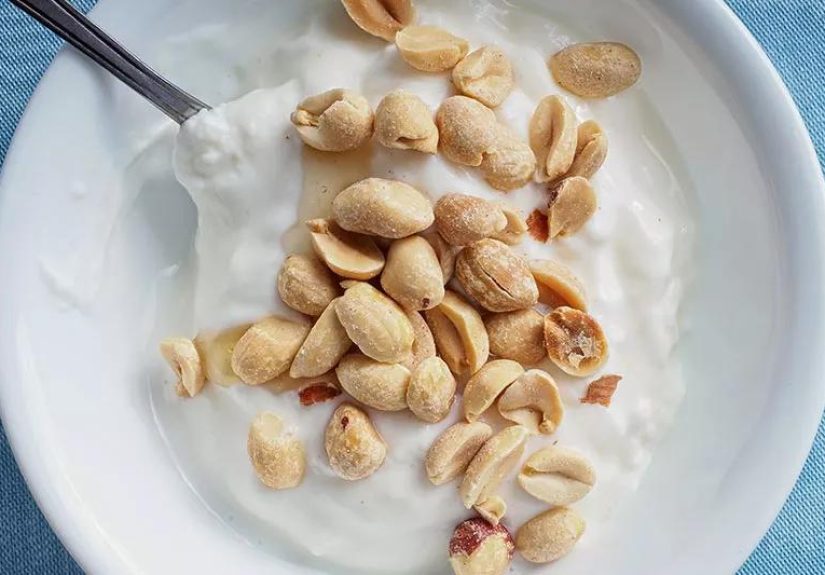
- Greek yogurt or cottage cheese made from pasteurized milk
- Beans, lentils, chickpeas, and peas
- Tofu, tempeh, and edamame
- Nut butters, nuts, and seeds
If appetite is low, try eating protein first at meals. For example, take a few bites of scrambled eggs before toast, or drink a Greek yogurt smoothie before nibbling on fruit. Small moves can make a big difference when your appetite is acting like it forgot its job.
2. Fruits and Vegetables
Fruits and vegetables provide vitamins, minerals, fiber, antioxidants, and water. They do not “kill lymphoma,” but they support overall health and may help the body handle treatment better.
Helpful options include:
- Berries, oranges, apples, bananas, melon, and peaches
- Leafy greens such as spinach, kale, and romaine
- Carrots, sweet potatoes, squash, and pumpkin
- Broccoli, cauliflower, cabbage, and Brussels sprouts
- Tomatoes, peppers, mushrooms, and zucchini
If your immune system is weakened, ask your care team whether raw produce is safe for you. In some cases, thoroughly washed fruits and vegetables are fine. In others, especially during severe neutropenia or transplant recovery, cooked produce may be recommended.
3. Whole Grains and High-Fiber Carbohydrates
Whole grains provide energy, fiber, B vitamins, and minerals. They can help with regular digestion and steady energy. Choose:
- Oatmeal
- Brown rice
- Quinoa
- Whole-wheat pasta
- Whole-grain bread
- Barley
- Farro
However, during diarrhea, nausea, or digestive upset, high-fiber foods may temporarily make symptoms worse. In that case, bland lower-fiber foods such as white rice, bananas, applesauce, toast, potatoes, or plain noodles may be easier. Cancer nutrition is not a moral test. Sometimes white rice is the hero of the day.
4. Healthy Fats
Healthy fats help add calories when appetite is low and support overall nutrition. Good options include:
- Olive oil
- Avocado
- Peanut butter or almond butter
- Nuts and seeds
- Fatty fish such as salmon or sardines
For someone losing weight during treatment, adding olive oil to soup, avocado to toast, or nut butter to smoothies can increase calories without requiring a huge meal.
5. Fluids and Hydrating Foods
Hydration supports digestion, circulation, temperature regulation, and kidney function. It may be especially important during chemotherapy, fever, vomiting, diarrhea, or poor appetite.
Good choices include water, broths, herbal teas, milk, smoothies, oral nutrition drinks, diluted juice, and water-rich foods like melon, oranges, cucumbers, soups, and popsicles. If plain water tastes metallic, try adding lemon, berries, cucumber slices, or mint. Your water does not need to become a luxury spa, but a little flavor can help.
Foods To Avoid or Limit With Lymphoma
Food restrictions depend on treatment, blood counts, symptoms, and medical advice. Still, several categories commonly deserve caution.
1. Raw or Undercooked Animal Foods
People receiving lymphoma treatment may have weakened immune systems, making foodborne illness more dangerous. Avoid or be very cautious with:
- Raw sushi or raw shellfish
- Undercooked meat, poultry, or fish
- Runny eggs or foods made with raw eggs
- Unpasteurized milk, cheese, yogurt, or juice
- Refrigerated pâtés or deli meats unless heated until steaming
Cook foods to safe internal temperatures, wash hands often, separate raw meat from ready-to-eat foods, and refrigerate leftovers promptly.
2. Raw Sprouts and High-Risk Buffet Foods
Raw sprouts can carry bacteria that are difficult to wash away. Salad bars, buffets, and self-serve stations can also be risky because food may sit at unsafe temperatures or be handled by many people. During treatment, your immune system may not appreciate a buffet adventure.
3. Highly Processed Foods
Processed foods are not automatically forbidden, and convenience matters during treatment. Still, it is wise to limit foods that are high in added sugar, refined grains, sodium, saturated fat, and trans fat. Examples include:
- Sugary drinks
- Candy and packaged desserts
- Deep-fried fast foods
- Processed meats such as bacon, hot dogs, and sausage
- Refined snacks such as chips, pastries, and many packaged crackers
These foods can crowd out more nourishing options. That said, if treatment makes most foods unbearable and pudding is the only thing you can manage one evening, do not panic. The overall pattern matters more than one snack.
4. Alcohol
Alcohol can interact with medications, worsen mouth sores, irritate the digestive tract, increase dehydration risk, and place extra strain on the liver. Many oncology teams recommend avoiding alcohol during treatment unless your doctor says otherwise.
5. Supplements Without Medical Approval
Some vitamins, herbs, and supplements can interfere with cancer treatments or affect bleeding risk, liver function, or medication levels. Avoid starting high-dose antioxidants, herbal blends, mushroom extracts, green tea pills, turmeric capsules, or other supplements without asking your oncologist or oncology pharmacist.
What To Eat When Treatment Side Effects Make Food Hard
Lymphoma treatment can make eating complicated. Here are practical strategies for common side effects.
For Nausea
- Eat small meals every two to three hours.
- Try crackers, toast, rice, bananas, applesauce, or plain noodles.
- Avoid greasy, spicy, or strong-smelling foods.
- Sip fluids slowly between meals.
- Ask your care team about anti-nausea medication before symptoms get intense.
For Mouth Sores
- Choose soft foods like yogurt, smoothies, scrambled eggs, soups, mashed potatoes, and oatmeal.
- Avoid citrus, vinegar, hot peppers, crunchy chips, and rough toast.
- Use a straw if drinks sting.
- Let hot foods cool before eating.
For Taste Changes
- Use plastic utensils if food tastes metallic.
- Try marinades, herbs, lemon, ginger, or mild sauces if tolerated.
- Eat foods cold or room temperature to reduce strong smells.
- Experiment with tart flavors if you do not have mouth sores.
For Weight Loss or Low Appetite
- Eat by the clock instead of waiting for hunger.
- Add nut butter, avocado, olive oil, cheese, or Greek yogurt to meals.
- Drink smoothies, shakes, or soups when chewing feels exhausting.
- Keep easy snacks nearby: trail mix, yogurt, cheese, crackers, hummus, or hard-boiled eggs.
For Diarrhea
- Choose bland foods such as bananas, rice, applesauce, toast, potatoes, and broth.
- Limit greasy foods, alcohol, caffeine, and very high-fiber foods until symptoms improve.
- Replace fluids and electrolytes.
- Call your care team if diarrhea is severe, persistent, or comes with fever.
A Simple Lymphoma-Friendly Meal Plan Example
This sample day is not a prescription. It is simply a practical example of how balanced meals might look.
Breakfast
Oatmeal cooked with milk, topped with banana slices and peanut butter. Add cinnamon if tolerated.
Snack
Greek yogurt with soft berries or a smoothie made with yogurt, frozen fruit, and nut butter.
Lunch
Chicken and rice soup with cooked carrots, spinach, and olive oil stirred in for extra calories.
Snack
Whole-grain toast with avocado or hummus, or crackers with cheese.
Dinner
Baked salmon, quinoa, and roasted vegetables. If appetite is low, eat the salmon first and save the rest for later.
Evening Option
A warm mug of milk, a nutrition shake, or applesauce with cinnamon.
Food Safety Tips for People With Lymphoma
Food safety deserves special attention because lymphoma and its treatments can weaken immune defenses. Use these habits consistently:
- Wash hands before cooking and eating.
- Wash produce thoroughly under running water.
- Use separate cutting boards for raw meat and produce.
- Cook meat, poultry, seafood, and eggs thoroughly.
- Refrigerate leftovers within two hours.
- Throw away expired foods or anything that smells suspicious.
- Avoid unpasteurized foods and drinks.
- Ask your oncology team whether you need extra precautions during low white blood cell counts.
Some people are told to follow a low-microbial or neutropenic diet, while others are advised to focus on standard food safety practices. Recommendations vary, so follow your own oncology team’s instructions.
Should You Follow a Special Diet for Lymphoma?
Popular diets often promise more than science can deliver. Keto, alkaline diets, raw food plans, detox cleanses, fasting protocols, and supplement-heavy regimens may sound powerful, but they can also lead to weight loss, nutrient gaps, dehydration, medication interactions, or unnecessary stress.
For most people with lymphoma, a Mediterranean-style or balanced eating pattern is a safer foundation: vegetables, fruits, whole grains, lean proteins, beans, fish, nuts, olive oil, and limited processed foods. But during active treatment, flexibility is important. A person with mouth sores may need soft foods. A person with diarrhea may need low-fiber foods temporarily. A person losing weight may need higher-calorie meals. The “best” diet is the one that supports the medical plan and the person’s actual bodynot the one that wins internet arguments.
Experience-Based Tips: What Eating With Lymphoma Can Feel Like in Real Life
Living with lymphoma can turn eating into a strange little daily puzzle. One week, roasted vegetables sound wonderful. The next week, the smell of broccoli feels like a personal attack. A food that tasted normal before treatment may suddenly taste metallic, bitter, too sweet, or simply wrong. This does not mean you are doing anything badly. It means treatment can change appetite, smell, digestion, and taste.
One helpful experience many patients and caregivers describe is creating a “safe foods” list. These are foods that usually work even on difficult days: oatmeal, bananas, yogurt, soup, smoothies, mashed potatoes, eggs, toast, rice, nut butter, or mild pasta. The list does not need to impress a wellness influencer. It just needs to keep you fed. When energy is low, decision-making can feel heavier than the grocery bags. A short list of reliable foods can reduce stress.
Another practical lesson is to prepare food in small portions. A giant plate can feel intimidating when appetite is low. Small bowls, snack plates, and mini meals often feel more manageable. Instead of three large meals, some people do better with six small eating moments: a smoothie at 8 a.m., toast at 10 a.m., soup at noon, yogurt at 2 p.m., chicken and rice at 5 p.m., and applesauce before bed. It may look less traditional, but treatment season is not the time to obey imaginary meal rules.
Caregivers often learn that asking “What do you want to eat?” can be surprisingly hard for someone in treatment. A better approach may be offering two simple choices: “Would soup or scrambled eggs be easier?” or “Do you want something cold or warm?” This makes food feel less like a test. It also helps avoid the classic kitchen standoff where everyone is tired and the refrigerator is silently judging the room.
Hydration can also become a real challenge. Some people find plain water unpleasant during treatment. In that case, flavored water, herbal tea, broth, diluted juice, popsicles, smoothies, or fruit with high water content may help. Keeping a bottle nearby is useful, but so is changing the temperature. Ice-cold drinks work for some people; warm drinks work better for others.
Food safety may feel annoying at first, especially if you enjoy sushi, runny eggs, deli sandwiches, or salad bars. But when white blood cell counts are low, the goal is to reduce risk without making life miserable. Heating deli meat, cooking eggs fully, washing produce carefully, avoiding unpasteurized foods, and skipping buffets are small habits that can protect health during a vulnerable time.
Finally, the emotional side of eating matters. People with lymphoma may feel pressure from friends, relatives, or internet advice telling them to cut sugar completely, drink special juices, avoid all carbs, or follow a strict anti-cancer plan. That pressure can become exhausting. A kinder truth is this: food should support treatment, not become another source of fear. A balanced meal is helpful. A tolerated meal is helpful. A few bites on a rough day can be a victory. Nutrition is not about perfection; it is about support, flexibility, and staying nourished through a difficult chapter.
Conclusion
Diet cannot cure lymphoma, but it can play an important supportive role before, during, and after treatment. A smart lymphoma diet focuses on adequate protein, enough calories, colorful fruits and vegetables, whole grains, healthy fats, hydration, and careful food safety. Foods to limit include raw or undercooked animal products, unpasteurized foods, raw sprouts, buffet items, alcohol, highly processed foods, and unapproved supplements.
The most important rule is personalization. Your needs may change from week to week depending on treatment, symptoms, appetite, blood counts, and weight. Work with your oncology team and ask for a registered dietitian if eating becomes difficult. Food is not a cure, but it can be comfort, strength, and one practical way to care for your body while medical treatment does the heavy lifting.