Table of Contents >> Show >> Hide
- The short answer: nasal polyps are almost always benign
- What exactly are nasal polyps?
- Why do people worry about cancer in the first place?
- When a “nasal polyp” may need a closer look
- How doctors tell the difference between nasal polyps and cancer
- What causes nasal polyps?
- Treatment for benign nasal polyps
- If it’s not cancer, why does follow-up matter?
- Can nasal cancer be mistaken for a polyp?
- When should you see a doctor?
- Final takeaway
- Experiences people often have when worrying about whether nasal polyps are cancerous
If you’ve ever peered into a health forum at 2 a.m. after Googling “weird thing in my nose,” you’re not alone. The words nasal polyp and cancer sound like they belong in the same panic spiral, but here’s the reassuring headline: nasal polyps are usually noncancerous. In most cases, they’re soft, benign growths linked to long-term inflammation inside the nose or sinuses.
That said, the nose is a busy little neighborhood. Not every growth in it is a harmless polyp, and some rare nasal or sinus tumors can look similar at first. That’s why the better question isn’t just “Can nasal polyps be cancerous?” It’s also, “How do you tell a typical nasal polyp from something more serious?”
In this guide, we’ll break down what nasal polyps are, why they are generally benign, what symptoms should raise an eyebrow, and how doctors figure out whether a growth is simply inflammatory tissue or something that needs a biopsy. Think of this as the calm, practical version of internet research, minus the doom music.
The short answer: nasal polyps are almost always benign
Nasal polyps do not usually turn into cancer. They’re most often benign growths that develop from chronic inflammation in the lining of the nose or sinuses. They commonly show up in people with chronic rhinosinusitis with nasal polyps, asthma, allergies, aspirin-exacerbated respiratory disease, or other inflammatory conditions.
These growths are typically soft, smooth, and painless. Small polyps may not cause symptoms at all. Larger ones, or clusters of them, can block the nasal passages and lead to trouble breathing, sinus pressure, postnasal drip, reduced sense of smell, snoring, and frequent sinus infections.
So if your doctor tells you that you have nasal polyps, that diagnosis by itself does not mean cancer. In fact, the usual story is much less dramatic: inflamed tissue swells, hangs down into the nasal passage, and starts acting like an unwelcome roommate.
What exactly are nasal polyps?
Nasal polyps are growths made of inflamed mucosal tissue. They’re not the same thing as a tumor in the scary, movie-trailer sense of the word. Medically speaking, a growth or mass can be called a lesion or tumor without automatically meaning malignancy. Nasal polyps are usually associated with inflammation, not cancer cells.
They tend to form where the sinuses drain into the nasal cavity. That location matters because when polyps enlarge, they can block airflow and mucus drainage. That blockage can cause the classic cycle of congestion, pressure, infection, more inflammation, and even more congestion. In other words, they’re less “silent villain” and more “annoying traffic jam.”
Common symptoms of benign nasal polyps
- Stuffy or blocked nose
- Runny nose or postnasal drip
- Reduced or lost sense of smell
- Reduced sense of taste
- Facial pressure or headache
- Snoring
- Frequent or lingering sinus infections
Many of these symptoms overlap with chronic sinusitis, allergies, and other common ENT issues. That overlap is one reason people sometimes worry more than they need to. But overlap also works the other way: sometimes something more serious can masquerade as a “sinus problem.”
Why do people worry about cancer in the first place?
Because some nasal cavity cancers and paranasal sinus cancers can cause symptoms that look a lot like stubborn polyps or chronic sinus disease. These cancers are not common, but they can cause nasal blockage, nosebleeds, reduced smell, facial pain, and pressure. Early on, they may seem like regular sinus trouble that simply refuses to leave the building.
That is why doctors do not rely on symptoms alone. If a growth looks unusual, behaves asymmetrically, or comes with certain warning signs, they investigate further. The goal is not to alarm you. The goal is to avoid assuming every blocked nose is “just allergies” when sometimes it isn’t.
When a “nasal polyp” may need a closer look
Most nasal polyps appear in both sides of the nasal passages and match the pattern of chronic inflammation. A growth that seems one-sided, atypical, fast-growing, or associated with bleeding may need extra evaluation. That does not mean it is cancer, but it does mean your doctor may want to rule out other possibilities, including:
- Benign tumors such as inverted papilloma
- Nasal or sinus cancer
- Fungal disease
- Anatomic abnormalities or other masses
Inverted papilloma deserves a special mention. It is not the same as an ordinary nasal polyp. It is a distinct growth that can be locally aggressive and, in some cases, associated with cancer risk. That’s one reason ENT specialists pay attention to how a growth looks and where it arises.
Red flags that deserve prompt medical attention
- Symptoms mainly on one side of the nose
- Frequent nosebleeds or bleeding from a growth
- Facial swelling, numbness, or persistent pain
- Vision changes, double vision, or bulging of one eye
- Loose upper teeth or a mass on the roof of the mouth
- A lump in the neck
- Nasal blockage that keeps worsening despite treatment
Those symptoms do not automatically equal cancer. But they are not symptoms to shrug off with a heroic amount of steam inhalation and optimism. They warrant an exam by a healthcare professional, often an otolaryngologist, also known as an ENT doctor.
How doctors tell the difference between nasal polyps and cancer
Diagnosis usually starts with a medical history and a physical exam. From there, doctors may use several tools to sort out whether a growth is a typical inflammatory polyp or something else.
1. Nasal endoscopy
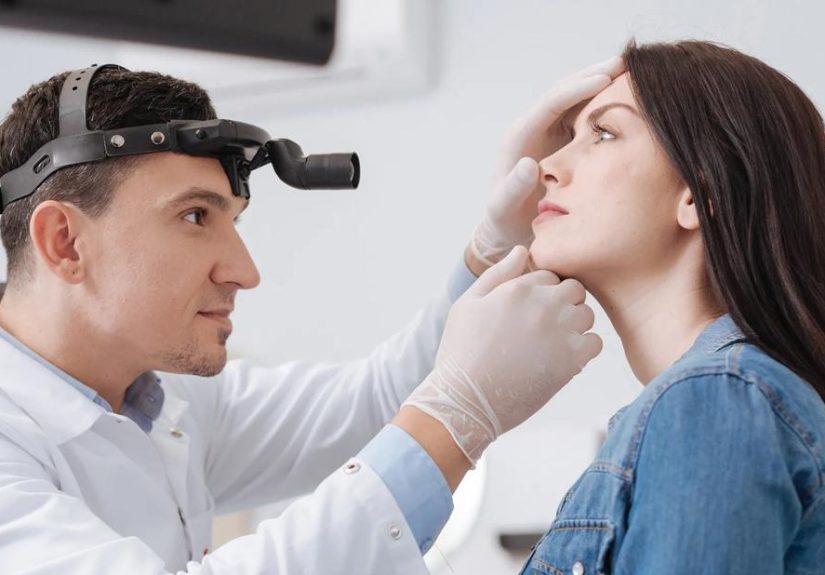
This is often the first big clue. A doctor uses a small endoscope with a light and camera to look inside the nose and sinuses. It helps them see whether the growth is smooth and polyp-like, whether it is on one or both sides, and whether there are suspicious features that deserve more testing.
2. CT or MRI imaging
Imaging can show the extent of the growth and whether it is affecting nearby structures. A CT scan is especially useful for sinus anatomy and blockage. MRI may be used when doctors need a closer look at soft tissue or want to evaluate whether a mass extends beyond the sinuses.
3. Biopsy
If a growth looks suspicious, a biopsy may be needed. That means a small tissue sample is removed and examined under a microscope. A biopsy is what confirms whether tissue is benign inflammation, a precancerous lesion, or cancer.
In plain English: doctors do not diagnose nasal cancer by vibes. They diagnose it by looking, imaging, and sometimes sampling the tissue.
What causes nasal polyps?
Nasal polyps are strongly associated with chronic inflammation. Researchers do not fully understand why some people with inflammation develop polyps and others do not, but certain conditions raise the odds.
Common risk factors and related conditions
- Chronic rhinosinusitis
- Asthma
- Allergies or allergic rhinitis
- Aspirin-exacerbated respiratory disease (AERD)
- Cystic fibrosis
- Recurring sinus infections
- Long-standing irritation or inflammation in the nasal lining
This is another reason nasal polyps are usually not cancerous. Their origin story is typically inflammatory, not malignant. They are more likely to be part of a broader airway inflammation picture than an isolated cancer process.
Treatment for benign nasal polyps
If your doctor confirms that the growths are ordinary nasal polyps, treatment usually focuses on reducing inflammation, shrinking the polyps, and improving breathing and drainage.
Common treatments include:
- Nasal corticosteroid sprays to reduce swelling
- Saline rinses to clear mucus and irritants
- Short courses of oral steroids in selected cases
- Treatment for allergies or asthma when relevant
- Biologic medications for some adults with severe chronic rhinosinusitis with nasal polyps
- Endoscopic sinus surgery when medication is not enough
Surgery can remove polyps and improve sinus drainage, but it does not guarantee they will never return. Recurrence is common, especially when the underlying inflammation is still active. That’s why long-term management often matters more than a one-time fix.
And one important public service announcement: do not try to remove nasal polyps yourself. Your nose is not a DIY project.
If it’s not cancer, why does follow-up matter?
Because even benign nasal polyps can significantly affect quality of life. They can disrupt sleep, dull your sense of smell, worsen asthma control, trigger repeated infections, and make you feel like breathing through your nose is an optional luxury package.
Follow-up also matters because symptoms can change. A person may start with straightforward inflammatory polyps but later develop new symptoms that deserve a recheck. If symptoms become more one-sided, more painful, or more bloody, the diagnosis may need to be revisited.
Can nasal cancer be mistaken for a polyp?
Yes, sometimes. That is exactly why persistent or unusual symptoms should be evaluated carefully. Rare tumors of the nasal cavity and sinuses can initially look or feel like a “sinus problem.” Conditions such as inverted papilloma, olfactory neuroblastoma, mucosal melanoma, or other sinonasal tumors may present with nasal obstruction, smell changes, or bleeding.
But here is the key distinction: a typical nasal polyp is not the same thing as nasal cancer. The concern arises when the presentation is atypical or when a growth does not behave like the common benign pattern.
When should you see a doctor?
Make an appointment if you have nasal congestion, smell loss, or sinus symptoms that last more than a few weeks, especially if over-the-counter remedies are not helping. Seek prompt medical evaluation if you have one-sided blockage, repeated nosebleeds, facial swelling, numbness, or vision changes.
The earlier a suspicious growth is checked, the sooner you get answers. And often, those answers are reassuring. Sometimes the most useful medical tool is not panic. It is a flashlight, an endoscope, and a doctor who knows what they are looking at.
Final takeaway
So, can nasal polyps be cancerous? In the vast majority of cases, no. Nasal polyps are benign growths linked to chronic inflammation, not cancer. However, not every nasal growth is a routine polyp, and certain warning signs, especially one-sided symptoms, frequent bleeding, facial changes, or vision problems, deserve a more thorough workup.
The smartest approach is simple: don’t assume, but don’t catastrophize either. Most nasal polyps are treatable and noncancerous. If your symptoms are unusual or stubborn, let an ENT specialist sort out what is really going on. Your nose may be dramatic, but the answer often isn’t.
Experiences people often have when worrying about whether nasal polyps are cancerous
For many people, the experience starts quietly. Maybe they notice they can’t smell coffee anymore. Maybe one side of the nose feels blocked all the time, or maybe they keep getting “sinus infections” that never seem to fully leave. At first, it can feel like allergies, a cold that overstayed its welcome, or a seasonal issue. Then the symptoms drag on, and that is usually when the internet enters the chat with all the subtlety of a fire alarm.
A very common experience is anxiety caused by the word growth. Once someone hears “polyp,” it is easy for the mind to skip three chapters ahead and land on “tumor” and then “cancer.” That emotional leap is understandable. The nose is a sensitive area, breathing is kind of important, and any ongoing symptom in the head and face can feel more alarming than, say, a sore elbow. People often describe feeling stuck between two fears: they don’t want to overreact, but they also don’t want to ignore something serious.
Another common experience is frustration before diagnosis. Nasal polyps can affect sleep, smell, taste, exercise, concentration, and even mood. Food seems bland. Sleep gets choppy because of mouth breathing or snoring. Head pressure makes work harder. People may cycle through saline sprays, allergy medicine, humidifiers, and hopeful self-pep talks before finally seeing a specialist. When treatment begins to help, many patients say the biggest surprise is how much better normal breathing feels. It is one of those things you barely appreciate until your nose has been staging a rebellion for months.
Some people also go through the stress of hearing that the growth is one-sided or “needs a closer look.” That waiting period before imaging or biopsy can be emotionally exhausting. Even when the final result is benign, the uncertainty can make every symptom feel louder. A tiny nosebleed suddenly feels meaningful. A headache that used to be ordinary becomes suspicious. This is a very human reaction, and it is one reason clear communication from doctors matters so much.
For patients whose diagnosis turns out to be ordinary nasal polyps, relief often comes in two waves. First comes relief that it is not cancer. Then comes relief from treatment itself, whether that means steroid sprays, sinus rinses, biologic therapy, or surgery. People often describe getting their sense of smell back as surprisingly emotional. Smelling shampoo, coffee, garlic, rain, or even a slightly burnt piece of toast can feel like getting a small piece of daily life returned.
There is also the long-game experience. Nasal polyps can recur, and some people learn that management is not a one-time victory lap. It is more like tending a garden that occasionally gets ideas. Follow-up appointments, daily sprays, and trigger control become part of the routine. Even so, many people do well once they understand what the condition is, what symptoms matter, and when they should get checked again. In that sense, the experience is often less about cancer and more about reclaiming comfort, breathing, and peace of mind.