Table of Contents >> Show >> Hide
- What Is a Brass Chamber Candle Holder?
- A Short History of the Chamberstick
- Why a Brass Chamber Candle Holder Still Works in Modern Homes
- Key Features to Look For
- Best Places to Style a Brass Chamber Candle Holder
- How to Clean and Care for Brass Candle Holders
- Candle Safety Tips for Brass Chamber Holders
- Decorating Ideas by Style
- How to Buy a Brass Chamber Candle Holder
- Common Mistakes to Avoid
- Why This Small Decor Piece Has Big Personality
- Experience: Living With a Brass Chamber Candle Holder
- Conclusion
A candle holder chamber brass piece may sound like something discovered in a sea captain’s desk, but it is actually one of the most practical and charming candle accessories ever made. Also known as a brass chamber candle holder or brass chamberstick, this classic design usually features a round drip tray, a central candle cup, and a small handle or finger loop. In other words, it is the candle holder that looked at regular candlesticks and said, “Nice, but can you carry yourself safely from room to room?”
Long before smartphones became flashlights and hallway lights were activated by motion sensors, chamber candle holders helped people move through dark homes after sunset. Today, a brass chamber candle holder is less about surviving a midnight walk to the kitchen and more about style, warmth, history, and that irresistible golden glow that makes even an ordinary shelf look like it has a trust fund.
This guide explores what makes a brass chamber candle holder special, how to choose one, where to style it, how to clean it, and how to use it safely. Whether you are decorating a farmhouse dining room, building a vintage-inspired mantel, or simply trying to make your coffee table look less like a landing zone for remote controls, this timeless accent deserves a serious look.
What Is a Brass Chamber Candle Holder?
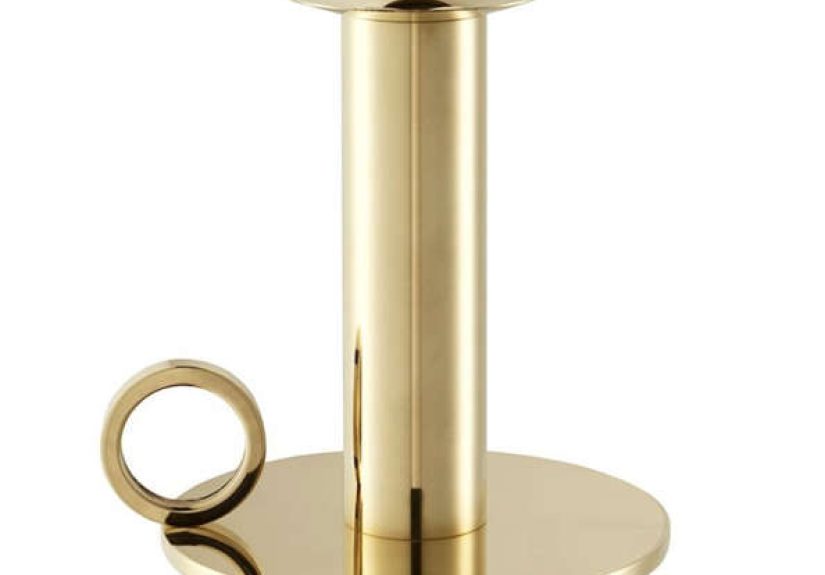
A brass chamber candle holder is a portable candle holder traditionally designed for carrying a taper candle from one room to another. The classic form includes a shallow saucer-shaped base to catch wax drips, a vertical socket to hold the candle, and a handle that keeps fingers away from hot wax and flame. Some versions also include a small cone-shaped snuffer, a decorative cutout, or a raised rim around the tray.
The word “chamber” refers to the bedroom or private room where the holder was often used. Before electric lighting, people needed a safe, convenient way to carry candlelight to their chambers at night. A tall candlestick could be elegant on a table, but it was not always ideal for walking through a dark hallway while wearing slippers and hoping the cat was not plotting an ambush. The chamberstick solved that problem with a practical, low-profile design.
Why Brass Became a Favorite Material
Brass has been popular for candle holders because it offers a beautiful balance of durability, workability, and warmth. Brass is an alloy made primarily from copper and zinc, giving it a golden tone that can range from bright and polished to deep and antique-looking. It resists normal indoor corrosion better than many materials and develops character as it ages.
That aging process is part of the appeal. A shiny new brass chamber candle holder looks refined and formal, while an unlacquered vintage piece with patina feels collected, storied, and slightly mysteriousin the best possible way. Brass can look fancy without being fussy, historic without being dusty, and warm without shouting, “I bought all my decor in one afternoon.”
A Short History of the Chamberstick
The chamberstick became especially common in homes during the 18th and 19th centuries, when candles were a daily lighting tool rather than a decorative luxury. These holders were made in different materials, including brass, pewter, silver, iron, and ceramic. Brass versions were valued because they were sturdy, attractive, and suitable for repeated household use.
Historic examples often have a wide drip pan, a thumb ring or loop handle, and a central socket sized for a taper candle. The practical shape tells you everything about life before electricity: candle wax was valuable, open flames needed control, and carrying a light source around the house required more thought than tapping a phone screen.
Today, brass chambersticks are collected as antiques, reproduced for historic homes, and reimagined by modern decor brands. Their shape has barely changed because the original design was already excellent. Sometimes good design is not about reinventing the wheel; it is about admitting that someone in 1780 knew what they were doing.
Why a Brass Chamber Candle Holder Still Works in Modern Homes
Modern interiors are full of smooth surfaces, hard lines, LED lights, and sleek technology. A brass chamber candle holder introduces contrast. It brings in curves, shine, texture, history, and a softer kind of light. Even when the candle is not lit, the brass surface reflects daylight and adds warmth to a room.
This is why brass candle holders keep returning in design trends. They work with traditional, cottage, coastal, farmhouse, vintage, maximalist, transitional, and even minimalist interiors. A single brass chamberstick on a nightstand can look poetic. A pair on a mantel can feel balanced and classic. A cluster of mixed brass candle holders on a dining table can turn Tuesday dinner into something that looks suspiciously like you planned ahead.
It Adds Warmth Without Taking Over
Brass is visually warm, but it is not as loud as gold leaf or mirrored metallics. That makes it easy to combine with wood, linen, stone, marble, rattan, books, greenery, and ceramics. A brass chamber candle holder can brighten a dark wood console, soften a black fireplace surround, or add polish to a casual table setting.
It Works Year-Round
Some decorative objects feel seasonal. A brass chamber candle holder does not. In fall, it looks cozy with amber glass and dried leaves. In winter, it pairs beautifully with evergreen garland and red taper candles. In spring, it looks fresh next to flowers and pale linens. In summer, it adds an old-world touch to outdoor-inspired tablescapes, provided the candle is used safely and never left unattended.
Key Features to Look For
Not all brass chamber candle holders are the same. Some are solid brass, some are brass-plated, some are newly manufactured, and others are vintage or antique. The right choice depends on whether you want everyday decor, collectible charm, or a practical candle holder you will actually use.
Solid Brass vs. Brass-Plated
A solid brass candle holder is made primarily from brass and usually feels heavier in the hand. It can often be polished repeatedly without revealing another metal underneath. Brass-plated pieces have a thin brass finish over a base metal. They may still look attractive, but aggressive polishing can damage the surface.
If you are buying vintage, check the weight, finish wear, and underside. A magnet can sometimes help identify whether a piece has a ferrous metal core, though it is not a perfect test because some parts or repairs may include different metals. When in doubt, choose reputable sellers, read descriptions carefully, and avoid listings that use twenty poetic adjectives but somehow forget to mention the material.
Stable Base and Drip Tray
A good chamber candle holder should have a stable base. The tray should sit flat and be wide enough to catch modest wax drips. A raised rim is useful because melted wax has a talent for going exactly where you do not want it. If you plan to burn candles often, stability is more than a design preference; it is a safety essential.
Handle Comfort
The handle is one of the defining features. Look for a finger loop or side handle that feels secure. Even if you never carry a lit candle, the handle adds sculptural appeal. It also makes the piece instantly recognizable as a chamberstick rather than a standard candle holder.
Candle Fit
Most brass chamber candle holders are designed for taper candles, but sizes vary. A candle should fit snugly without wobbling. If the socket is slightly too large, candle adhesive or a small amount of softened wax can help secure the taper. If the candle is too tight, do not force it so hard that you crack, bend, or damage the holder.
Best Places to Style a Brass Chamber Candle Holder
The beauty of a brass chamber candle holder is that it can look intentional almost anywhere. The key is to give it breathing room and pair it with materials that enhance its warm tone.
On a Mantel
A mantel is one of the best places for brass candle holders. Place one brass chamberstick at each end of the mantel for symmetry, or create a layered display with books, framed art, greenery, and candlesticks of different heights. For a relaxed look, use odd numbers and vary the scale. For a formal look, keep the arrangement balanced.
On a Dining Table
A brass chamber candle holder makes a table feel intimate without blocking conversation. Because it sits lower than a tall candelabra, guests can still see each other across the table instead of conducting dinner like diplomats negotiating around a centerpiece. Use cream, ivory, burgundy, forest green, or beeswax-colored tapers for a timeless effect.
On a Nightstand
A chamber candle holder belongs naturally beside a bed, at least visually. For actual candle use in a bedroom, be extremely cautious and never burn a candle when sleepy or unattended. If you love the look but not the risk, use a high-quality flameless taper candle. You still get the romance, minus the part where your throw blanket becomes a problem.
On a Bookshelf
Bookshelves need objects that break up rows of vertical spines. A brass chamberstick adds shape and shine. Place it beside antique books, a small framed photo, a ceramic bowl, or a trailing plant. The mix of paper, metal, and organic texture creates a collected look.
In an Entryway
An entry console is a perfect spot for a brass chamber candle holder. It gives guests an immediate sense of warmth. Pair it with a mirror, a catchall tray, and a small lamp. The brass will reflect light from the lamp and make the entrance feel more inviting.
How to Clean and Care for Brass Candle Holders
Brass care depends on whether the piece is lacquered or unlacquered. Lacquered brass has a clear protective coating that slows tarnish. Unlacquered brass naturally darkens and develops patina over time. Neither is better; they simply offer different looks.
For Lacquered Brass
Use a soft cloth, mild dish soap, and warm water. Avoid abrasive pads, harsh polish, or acidic cleaners, which can damage the coating. Dry the piece thoroughly after cleaning. If the brass stays shiny for a long time and does not tarnish much, it may be lacquered.
For Unlacquered Brass
Unlacquered brass can be polished if you prefer a brighter look. Many household cleaning guides recommend gentle methods using ingredients such as lemon juice, baking soda, vinegar, salt, or flour, but these should be used with care and rinsed off completely. Acids left on brass too long may cause discoloration. Always test a small hidden area first, especially on vintage pieces.
For Vintage Pieces
Do not rush to remove every dark spot. Patina can add value and character. A vintage brass chamber candle holder should look like it has lived a life, not like it has been scrubbed into witness protection. Start with dusting, then mild soap and water if needed. Save heavy polishing for pieces that are purely decorative and not valuable antiques.
Candle Safety Tips for Brass Chamber Holders
Real candles are beautiful, but they require attention. Always place a candle holder on a stable, heat-resistant surface. Keep candles away from curtains, papers, greenery, books, bedding, and anything else that can catch fire. Trim the wick to about one-quarter inch before lighting to reduce high flames and soot. Never leave a burning candle unattended, even if you are “just stepping away for a second,” which is famous last wording in home safety.
Use the correct candle size for the holder. The taper should stand upright and secure. Keep the wax pool free of wick trimmings and debris. Avoid placing candles near fans, open windows, vents, or drafts, because moving air can cause uneven burning and dripping. Keep lit candles away from children and pets, especially cats, who treat open flames like tiny suspicious suns that must be investigated immediately.
If you want the look without the flame, flameless taper candles are a practical alternative. Many modern versions flicker realistically and can be used in places where real candles are not ideal, such as bookshelves, bedrooms, bathrooms, or homes with curious pets.
Decorating Ideas by Style
Traditional Style
Pair a polished brass chamber candle holder with dark wood furniture, framed botanical prints, blue-and-white ceramics, and linen lampshades. Use ivory taper candles for a classic look that feels elegant but not stiff.
Farmhouse Style
Choose aged brass or unlacquered brass with visible patina. Style it with weathered wood, stoneware pitchers, cotton stems, checked linens, and vintage books. The goal is warmth, not perfection.
Cottage Style
Use a brass chamberstick with floral fabrics, soft colors, lace-edged linens, and small framed landscapes. Add a beeswax taper for a gentle, old-fashioned glow.
Modern Minimalist Style
Let one brass chamber candle holder stand alone on a clean surface. Pair it with a single black, white, or taupe taper. The contrast between historic shape and modern restraint makes the piece feel intentional.
Holiday Style
Brass candle holders shine during the holidays. Add evergreen clippings, velvet ribbon, cranberries, pinecones, or red taper candles. Just keep real greenery safely away from flames. For dense garlands, flameless candles are usually the wiser choice.
How to Buy a Brass Chamber Candle Holder
When shopping, decide whether you want new, vintage, or antique. New pieces are easier to match in pairs and often have consistent finishes. Vintage pieces offer more character and may show small marks, patina, or signs of hand finishing. Antique chambersticks can be more collectible, especially if they have documented age, maker marks, or unusual shapes.
Read product descriptions closely. Look for terms such as “solid brass,” “brass plated,” “unlacquered brass,” “antique brass finish,” “taper candle holder,” and “chamberstick.” Check dimensions, especially the candle socket size and overall width. A piece that looks large in a photo may be tiny in real life, because online product photography has the magical ability to make a teacup look like a soup tureen.
If buying secondhand, inspect photos of the base, handle, candle cup, and any seams or repairs. Small scratches are normal. Loose handles, cracks, heavy corrosion, or tilted candle cups may be less charming. A good seller should provide clear measurements and answer questions about weight, finish, and condition.
Common Mistakes to Avoid
Using the Wrong Candle Size
A taper that wobbles is unsafe and messy. Use candles that fit firmly in the socket. If needed, use candle-fitting wax or adhesive designed for taper holders.
Overpolishing Vintage Brass
Removing all patina can strip away charm. Before polishing, decide whether you want shine or age. You may not be able to get the original aged look back quickly.
Styling Too Many Metallics at Once
Brass plays well with other metals, but too much shine can feel chaotic. Mix brass with matte textures such as wood, ceramic, linen, or stone to keep the look grounded.
Ignoring Heat Safety
Brass conducts heat, and candles produce more heat than people sometimes expect. Protect delicate surfaces, keep flames clear of decor, and never carry a burning candle casually through the house. Historic people did it because they had fewer options. You have light switches.
Why This Small Decor Piece Has Big Personality
A brass chamber candle holder is small, but it brings multiple layers to a room. It is functional, sculptural, historical, and atmospheric. It suggests candlelit dinners, quiet reading, old houses, winter evenings, and rooms that smell faintly of beeswax and polished wood. That is a lot of storytelling from an object that may fit in your palm.
It also offers a break from disposable decor. A good brass piece can last for decades, even generations, with basic care. It does not need batteries, apps, firmware updates, or a subscription plan. At most, it asks for a soft cloth and a candle. In a world where even refrigerators want Wi-Fi, that simplicity feels refreshing.
Experience: Living With a Brass Chamber Candle Holder
The first thing you notice when using a brass chamber candle holder is how much presence it has for such a small object. Place one on a table, and suddenly the surface looks styled. Not overdecorated, not showroom-perfect, just thoughtfully finished. The handle gives it character, the tray gives it shape, and the brass gives it warmth. It is the kind of piece that makes people ask, “Where did you find that?” which is one of the highest compliments a home accessory can receive.
In everyday use, a brass chamberstick works best as a flexible accent. On a dining table, it creates a cozy mood without demanding an elaborate centerpiece. Add a simple taper candle, folded napkins, and maybe a bowl of fruit, and the table looks ready for guestseven if dinner is pasta and the sauce came from a jar. On a mantel, it helps balance framed art or a mirror. On a bookshelf, it breaks up the flatness of books and adds a small flash of reflected light.
The experience changes depending on the finish. A polished brass holder feels dressier. It catches light dramatically and looks beautiful in formal rooms or holiday settings. An aged brass holder feels quieter and more relaxed. It blends into vintage wood, old books, and handmade ceramics. If you like decor that looks collected over time, unlacquered or patinated brass is especially satisfying because it continues to change. Fingerprints, air, and age slowly deepen the surface. Some people see that as tarnish. Others see it as personality arriving fashionably late.
Cleaning becomes part of the ritual. A quick dusting keeps the holder presentable most of the time. When wax drips, it is usually easiest to let the wax harden, then gently lift it away with a fingernail or a soft plastic edge. Avoid scraping with anything sharp. If the brass looks dull and you want shine, polish lightly. If you prefer patina, stop early. The trick is knowing when to leave well enough alone, a skill that applies equally to brass, eyebrows, and group text messages.
Safety also becomes second nature. After using a chamber candle holder a few times, you begin to think more carefully about placement. Is it away from curtains? Is the candle straight? Is the tray sitting flat? Is the surface protected? These small habits make candlelight more enjoyable because you are not secretly worrying about wax, heat, or flames. For homes with pets or children, flameless tapers can deliver the same look with less stress.
The best part is that a brass chamber candle holder rarely feels trendy in a disposable way. It has already survived several centuries of design history. It can look at modern micro-trends with the calm confidence of an object that has seen oil lamps, gaslight, electricity, and probably a few questionable wallpaper eras. Whether you use it daily or only bring it out for special dinners, it adds a sense of ritual. Lighting a candle in one makes a room feel slower, softer, and more intentional. That may be the real reason this humble brass holder keeps finding its way back into beautiful homes.
Conclusion
A candle holder chamber brass design is more than a pretty vintage accent. It is a practical object with historical roots, timeless style, and modern decorating power. With its handle, drip tray, warm metallic finish, and sculptural shape, the brass chamber candle holder works in almost every room and every season. Choose solid brass when possible, match the candle size carefully, clean according to the finish, and follow candle safety basics every time you light a flame.
Whether polished to a golden shine or aged into a moody patina, a brass chamber candle holder brings atmosphere that ordinary decor often cannot. It is small, useful, beautiful, and wonderfully old-fashioned in a way that still feels fresh. In short, it is proof that good design does not expireit just develops a better patina.