Table of Contents >> Show >> Hide
- What Is a Glass Teapot With Filter?
- Why a Glass Teapot With Filter Is So Popular
- How to Choose the Best Glass Teapot With Filter
- How to Brew Better Tea in a Glass Teapot With Filter
- Cleaning and Caring for a Glass Teapot With Filter
- Common Mistakes to Avoid
- Who Should Buy a Glass Teapot With Filter?
- Experiences With a Glass Teapot With Filter
- Conclusion
- SEO Tags
If you have ever watched loose tea leaves unfurl in hot water and thought, “Well, that is suspiciously relaxing,” you already understand the charm of a glass teapot with filter. It is part brewing tool, part tabletop theater, and part daily reminder that making tea does not need to feel like a chemistry final. A good glass teapot with filter lets you see color, control steeping, and serve tea with a little more style than dumping a tea bag into a mug and hoping for the best.
But not every glass teapot deserves cabinet space. Some look beautiful and pour like a leaky science project. Some have filters so tiny that tea leaves barely get room to stretch. Others are easy to clean, easy to use, and make even an ordinary Tuesday afternoon feel faintly elegant. This guide breaks down what a glass teapot with filter is, why people love it, how to choose the right one, and how to use it without turning your tea ritual into a cautionary tale.
What Is a Glass Teapot With Filter?
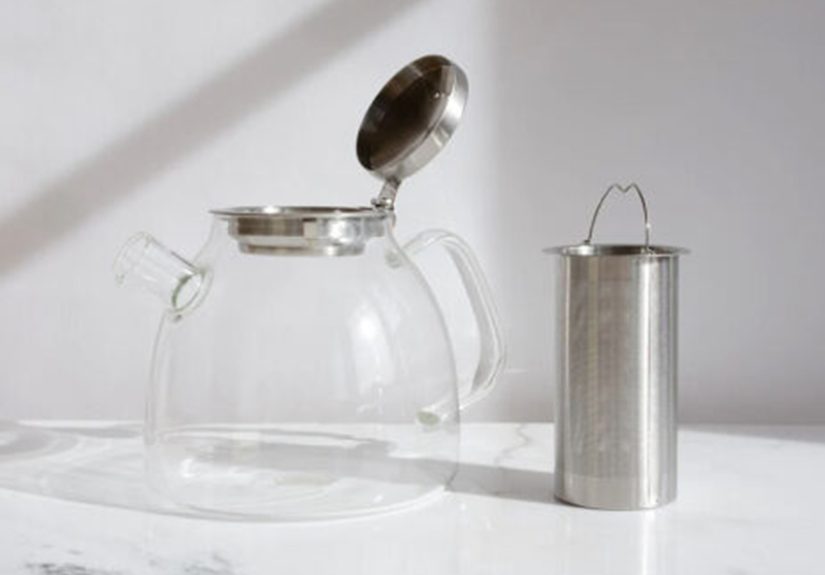
A glass teapot with filter is exactly what it sounds like: a clear teapot made primarily from heat-resistant glass, paired with a built-in or removable filter that separates tea leaves from the liquid while brewing or pouring. In most modern designs, that filter is either a stainless steel infuser basket, a glass infuser, or a press-style insert that stops extraction once the tea reaches the strength you like.
The appeal is simple. Glass lets you watch the brew develop, which is genuinely useful when you are steeping green, white, herbal, or flowering teas. The filter gives loose leaves room to release flavor while keeping your cup free of leaf confetti. In other words, it combines beauty with practical control. That is a rare win in the kitchen, where many gadgets are either gorgeous and useless or useful and aggressively unattractive.
Main Parts to Look For
- The body: Usually borosilicate or other heat-resistant glass.
- The filter: Stainless steel mesh, glass infuser, or press-style strainer.
- The lid: Often glass, stainless steel, or a mix of materials.
- The handle and spout: These matter more than people expect. A bad handle ruins the whole experience.
Why a Glass Teapot With Filter Is So Popular
1. You Can Actually See the Tea
With ceramic or cast iron pots, tea is brewing in mystery. With glass, you can see the liquor change from pale gold to amber to deep ruby. That matters because visual cues help prevent over-steeping, especially with delicate teas. Green tea, for example, can go from smooth and fresh to bitter and bossy in a hurry.
Glass also turns brewing into a more enjoyable experience. Herbal blends bloom. Rolled oolongs expand. Flowering teas put on a full performance. It is the kitchen equivalent of having a front-row seat instead of listening from the parking lot.
2. Filters Make Loose Tea Much Easier
Loose-leaf tea usually tastes better than bagged tea because the leaves are larger, fresher, and have more room to release flavor. A quality filter helps that process by keeping the leaves contained without cramming them into a tiny metal prison. The best infusers are roomy enough to let leaves expand, circulate, and fully infuse the water.
That extra room is not a fussy tea-snob preference. It directly affects flavor. Crowded leaves release less complexity, which means your expensive tea can taste flat, harsh, or oddly sleepy. If the leaves cannot move, the flavor cannot either.
3. They Work for Many Types of Tea
A glass teapot with filter is one of the most versatile tea tools you can own. It works beautifully for black tea, green tea, white tea, herbal infusions, oolong, blooming tea, and even cold infusions if the design allows. Remove the filter after steeping, and you can serve multiple cups without the brew becoming stronger and more bitter by the minute.
4. They Look Good on the Table
This may sound shallow, but presentation matters. Tea is not just about flavor; it is also about the moment. A clear teapot filled with golden chamomile or deep copper Assam feels more special than a random saucepan of hot leaf water. A glass teapot with filter is ideal for hosting, gifting, or simply upgrading your own daily routine without repainting the kitchen or buying furniture you will regret in six months.
How to Choose the Best Glass Teapot With Filter
Check the Glass Material First
Borosilicate glass is a popular choice because it is valued for heat resistance and durability. That does not mean it is indestructible. Glass is still glass, and glass has never been famous for enjoying rough treatment. But a well-made borosilicate teapot is generally better equipped for repeated hot-water use than ordinary decorative glass.
When shopping, look for clear product descriptions, heat-resistance claims, and care instructions that sound specific rather than vague. “Beautiful for tea time” is nice. “Heat-resistant borosilicate glass with removable infuser” is much more helpful.
Pick the Right Filter Style
Different filters create different brewing experiences.
- Stainless steel mesh filters are common, practical, and good for fine-cut teas.
- Glass infusers look elegant and keep the all-glass aesthetic, though they may be less effective with very small leaf particles.
- Press-style filters are useful when you want to stop extraction without removing the leaves entirely.
If you drink fine herbal blends or broken-leaf black teas, choose a finer mesh. If you prefer full-leaf oolong or whole-leaf green tea, a larger basket that allows movement is often the smarter choice.
Think About Capacity
Capacity matters more than most buyers expect. A small 14- to 18-ounce pot is lovely for one person. A 27- to 34-ounce pot is usually better for two to four cups. Larger pots work for guests but can feel clumsy if you are just making an afternoon cup for yourself.
Buy for the way you actually drink tea, not the fantasy version of yourself who hosts elegant weekend tea salons every Saturday. That person may exist. That person may also be you. But in many kitchens, the real customer is one sleepy adult in sweatpants.
Inspect the Handle, Lid, and Spout
A good spout pours cleanly. A bad spout dribbles down the side like it is emotionally overwhelmed. A good handle stays comfortable and balanced. A bad handle makes every pour feel like a trust fall.
The lid should fit securely, especially if the pot is designed to pour with the filter in place. Wide openings are a bonus because they make cleaning easier and reduce the chance of you playing a dangerous game with a sponge and your fingers.
Do Not Assume It Is Stovetop Safe
This is one of the biggest mistakes buyers make. Many glass teapots with filters are designed for steeping and serving, not for direct heating on a stovetop or exposed flame. Some are explicitly not meant for boiling water inside the pot. That means the safe routine is usually to heat water separately, then pour it into the teapot for brewing.
If a teapot is truly stovetop safe, the manufacturer will usually say so very clearly. If they do not say it, do not improvise. Tea should lower your blood pressure, not test your home insurance policy.
How to Brew Better Tea in a Glass Teapot With Filter
Preheat the Pot
Before brewing, swirl a little warm water inside the teapot and discard it. This helps reduce the shock of pouring very hot water into a cool vessel. It is a small step, but it can help protect the glass and improve brewing consistency.
Use the Right Water Temperature
Not every tea wants boiling water. White and green teas generally do better with lower temperatures, while black teas and many herbal blends can handle hotter water. Oolongs vary depending on style. If you pour blazing water over a delicate tea and then blame the leaves for tasting bitter, the leaves would like a lawyer.
Measure Tea and Time Thoughtfully
A simple starting point is about one teaspoon of loose tea per cup, adjusted for leaf size and personal preference. Steep lightly at first. You can always add more tea next time, but you cannot un-brew a bitter pot. Remove the filter or stop extraction when the tea tastes right instead of waiting until it tastes like regret.
Let the Leaves Move
The filter should hold the leaves, not compress them into a sad little plug. Leaves need room to open. Full expansion usually produces a more balanced cup and better aroma, which is exactly why roomy infusers get so much love from experienced tea drinkers.
Cleaning and Caring for a Glass Teapot With Filter
A glass teapot with filter is usually easier to clean than people expect, especially if you rinse it soon after use. Tea stains happen, particularly with black tea, pu-erh, or repeated daily brewing. The good news is that those amber marks do not require a dramatic intervention.
Best Cleaning Habits
- Let the pot cool before washing.
- Rinse out used leaves promptly.
- Wash with warm water and mild soap unless the manufacturer says otherwise.
- Use baking soda and water for stubborn tea stains.
- Avoid rough metal scrubbers that can scratch the glass.
If the manufacturer says the teapot is dishwasher safe, that is convenient, but hand washing is often gentler over time. Also, avoid sudden temperature swings. Do not take a hot pot and set it on a cold, wet surface. Do not pour icy water into warm glass. Do not act surprised if glass behaves like glass.
Common Mistakes to Avoid
- Buying a tiny filter that does not let leaves expand.
- Using boiling water for every kind of tea.
- Leaving the filter in too long and over-steeping the brew.
- Assuming all glass teapots are stovetop safe.
- Cleaning with abrasive tools or harsh habits.
- Ignoring chips or cracks and continuing to use the pot anyway.
Who Should Buy a Glass Teapot With Filter?
A glass teapot with filter is a smart choice for loose-leaf tea beginners, casual daily tea drinkers, and serious tea fans who enjoy visual brewing. It is especially good for anyone who wants better control over steeping without using multiple gadgets. It also makes a thoughtful gift because it feels elevated without being difficult to understand.
If you love watching tea leaves unfurl, prefer lighter teas, or want a teapot that looks elegant on open shelving, glass is an easy yes. If you are hard on kitchenware, frequently use direct heat, or want something nearly unbreakable, another material may fit your lifestyle better.
Experiences With a Glass Teapot With Filter
One of the most common experiences people describe with a glass teapot with filter is that it changes how they think about tea altogether. Before owning one, tea can feel purely functional: caffeine in the morning, chamomile at night, maybe a mint bag when your stomach is sulking. After switching to a glass teapot, the whole process becomes more deliberate. You notice leaf shape, water color, steam, aroma, and timing. The ritual becomes visible, and that visibility makes people more attentive.
For many first-time users, the biggest surprise is how much better loose-leaf tea tastes when the leaves have enough room to expand. A cramped infuser ball can make tea taste muted or uneven. A proper glass teapot with filter often delivers a cup that feels rounder, cleaner, and more layered. Suddenly, teas that once seemed interchangeable begin to show personality. Jasmine smells brighter. Oolong feels deeper. Herbal blends look almost too pretty to drink, which is inconvenient but flattering.
Another frequent experience is that glass encourages people to brew for company more often. When guests can see a ruby-black breakfast tea or a pale golden chamomile on the table, tea feels less like an afterthought and more like part of the occasion. Even people who do not care much about teaware tend to react to a clear pot with visible leaves and color. It has that rare ability to look both simple and impressive, like a white shirt that somehow makes everyone seem more put together.
There is also the practical side. Many owners find that a glass teapot with filter helps them avoid over-steeping because they can remove the infuser or stop the brewing process at the right moment. That means fewer bitter cups and less guessing. People who switch from tea bags often say this is the moment they understand why so many tea drinkers are loyal to loose leaf. It is not just tradition or aesthetics. It is control.
Of course, real-life experiences are not all poetic steam and graceful pouring. Some people learn very quickly that not every glass pot is meant for the stovetop. Others discover that tea stains appear faster than expected when the pot is used daily. But even those mild annoyances usually come with easy solutions: follow the manufacturer’s heat guidance, preheat the pot, rinse it promptly, and keep baking soda handy for cleanup. In most cases, the learning curve is short.
Long-term owners often say the best part is how a glass teapot slows the day down in a useful way. Making tea becomes a pause instead of a task. You heat water, add leaves, watch the color build, and pour with intention. That may sound small, but small rituals have a sneaky way of improving a day. A glass teapot with filter will not solve your inbox, fold your laundry, or stop someone from sending “just circling back” emails at 4:57 p.m. Still, it can make five or ten minutes feel calmer, prettier, and more satisfying.
And that may be the real appeal. A glass teapot with filter is not just a container. It is a low-drama upgrade. It makes better tea easier, turns the brewing process into part of the pleasure, and brings a little ceremony into ordinary life without demanding much in return. In a world full of overcomplicated gadgets, that kind of usefulness feels refreshingly rare.
Conclusion
A glass teapot with filter earns its popularity honestly. It gives you visibility, better steeping control, and a more enjoyable tea ritual, all while looking great on the table. The right model should have heat-resistant glass, a filter with enough room for loose leaves, a comfortable handle, a clean-pouring spout, and care instructions you can actually live with. Treat it well, avoid sudden temperature shocks, and it can become one of the most satisfying tools in your kitchen.
If your goal is better loose-leaf tea with less fuss and more charm, this is one of the easiest upgrades you can make. It is practical, attractive, and genuinely useful. That is a very respectable trifecta for something whose entire job is helping leaves swim in hot water.