Table of Contents >> Show >> Hide
- What This Stool Actually Is (And Why People Care)
- A Quick Design Backstory (Because It Explains the Magic)
- Materials & Build: Why It Feels Different Than “Just Another Stool”
- Real-World Specs (The Numbers You Actually Need)
- Counter Height vs. Bar Height: Don’t Let Inches Humble You
- Spacing & Layout: How Many Stools Fit Without Becoming a Contact Sport
- Comfort: What Sitting Feels Like After the “Ooh, Pretty!” Moment
- Color & Finish Strategy: How to Pick Without Regretting Your Personality
- Where This Stool Works Best (Spoiler: Not Just Mid-Century Homes)
- Care & Maintenance: Keep It Nice Without Turning Into a Furniture Conservator
- Value: What You’re Paying For
- Styling “Mini Case Studies” (Realistic Scenarios You Can Steal)
- Frequently Asked Questions
- Owner-Style Experience Notes (Extra 500+ Words, Because Reality Is Where Furniture Gets Honest)
- Conclusion
Some furniture is like a background actor: it shows up, does its job, collects a paycheck in crumbs, and nobody talks about it.
The Case Study Furniture Side Shell Dowel Counter Stool is… not that. This stool is the “supporting character” that somehow steals the scene.
You’ve seen its silhouette in airy kitchens, coffee bars, design showrooms, and that one friend’s apartment where everything looks suspiciously magazine-ready.
Today we’re breaking down what it is, why it works, and how to choose it (and place it) like someone who measures twice and
doesn’t cry once. Expect real specs, practical sizing math, comfort talk, cleaning tips, and a little design historyserved with
a wink, not a lecture.
What This Stool Actually Is (And Why People Care)
The Side Shell Dowel Counter Stool is part of a long, iconic lineage of molded shell seatingfamous for its clean lines, body-hugging curve,
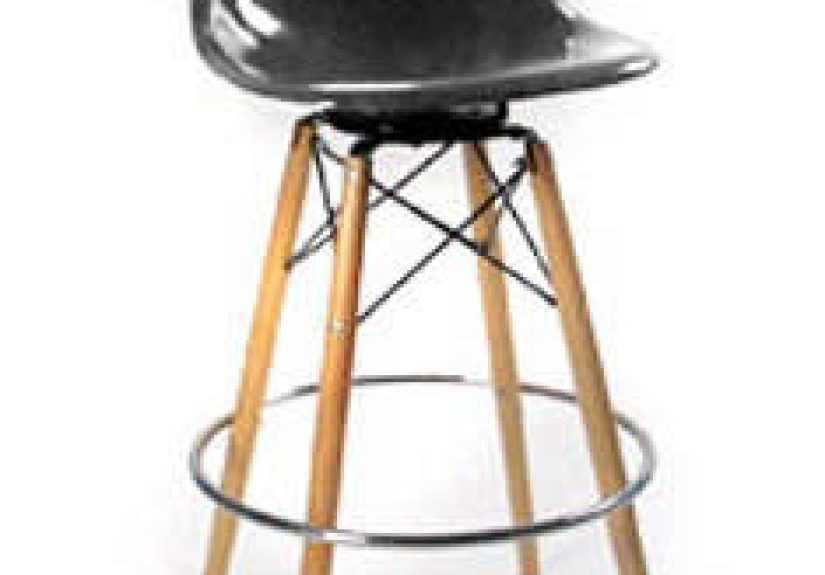
and the ability to look modern in almost any decade. Case Study Furniture’s take pairs a fiberglass side shell with a dowel-style base:
wood dowels + metal cross-bracing that reads “mid-century,” but doesn’t scream “I bought this while listening to a vinyl record on purpose.”
In plain English: you’re getting a sculptural seat that’s lightweight-looking (even when it’s sturdy), with a base that feels airy instead of bulky.
That’s exactly why it shows up in kitchens and hospitality spacesplaces where you want function without visual clutter.
A Quick Design Backstory (Because It Explains the Magic)
Shell seating became a design milestone in the mid-20th century, especially after the late-1940s push toward efficient, human-centered forms
that could be produced at scale. The famous “molded to the body” ideaone shell, many baseswas a breakthrough concept that helped turn seating into
a modular design system rather than a one-off object.
The Case Study version leans into that heritage: a contoured shell that can be paired with different bases, and here it lands on the dowel base
(often nicknamed for its “Eiffel” vibe thanks to the triangulated wire structure). It’s design history you can sit onwithout having to frame it.
Materials & Build: Why It Feels Different Than “Just Another Stool”
Fiberglass shell
The fiberglass shell is the star. It’s rigid enough to feel supportive, but shaped enough to feel ergonomicespecially compared with flat-top stools
that treat your spine like an optional accessory. Depending on the color, fiberglass can also show subtle fiber “depth” and texture, which is part of its appeal:
it doesn’t look like mass-market plastic.
Dowel base + steel cross-bracing
The dowel base is where style meets stability. Solid wood dowels (commonly maple or walnut) create warmth, while the steel cross-bracing adds strength and that
classic geometric profile. Many versions include a 360-degree swivelfantastic for conversation, grabbing a snack, or dramatically pivoting away from a bad joke.
Made-to-order flexibility
One reason designers keep specifying this stool: you can typically choose shell colors and coordinate wood/metal finishes to fit your room’s palette,
instead of settling for “black, white, or regret.”
Real-World Specs (The Numbers You Actually Need)
Let’s talk measurementsbecause “counter stool” is not a vibe; it’s a seat height.
Core dimensions (typical for the counter-height version)
- Seat height: approximately 24 inches (counter height sweet spot)
- Shell size (approx.): 18" W × 16" H with a roughly 16" shell diameter
- Base (approx.): about 23" H with a roughly 16" base diameter
- Overall dimensions reported for the counter stool: around 18.5" W × 37.5" H × 21.2" D
Translation: it’s compact enough for typical kitchen islands, but still has presence. And because the base footprint is modest,
it doesn’t hog the “knee real estate” under your counter.
Counter Height vs. Bar Height: Don’t Let Inches Humble You
Here’s the rule that saves relationships and return shipping fees: choose based on seat height, not “overall height,” and aim for
about 10–12 inches of clearance between the top of the seat and the underside of your counter.
Typical pairings
- 36" counter: seat height ~ 24–26" (this is where the Side Shell Dowel Counter Stool lives)
- 42" bar: seat height ~ 28–30" (bar-height stools)
If you put a bar stool at a standard counter, you’ll feel like your knees are negotiating with gravity. If you put a counter stool at a bar,
you’ll be doing that awkward half-squat hover like the seat is lava. Choose peace. Measure first.
Spacing & Layout: How Many Stools Fit Without Becoming a Contact Sport
The most common mistake is crowding stools because “they look cute lined up.” Sure. So do penguins. They also have built-in tuxedos and zero elbows.
Comfortable spacing guideline
- Plan for roughly 24–30 inches of counter length per stool.
- Go wider if you have swivels (more movement) or if the people using them are… enthusiastic hand-talkers.
Pro move: tape out stool widths on the floor before buying. It’s the design equivalent of trying on jeans before committing to the vibe.
Comfort: What Sitting Feels Like After the “Ooh, Pretty!” Moment
The shell shape gives you a supportive “hug” at the back and sides compared to backless stools.
That said, it’s still a molded shellso it’s firm, not cushiony. If you want lounge-level softness, you’ll want a seat pad,
an upholstered version, or a different genre of seating entirely.
What most people love
- Ergonomic curve: the shell supports your posture better than flat seats.
- Swivel option: easy to get in/out without scooting the stool like you’re parallel parking.
- Foot support: the foot ring helps reduce “dangly leg fatigue.”
What can surprise you
- Temperature: fiberglass can feel cool at first touch (especially in winter).
- Sound: a swivel stool can add a tiny bit of mechanical noise over timeusually minor, but worth knowing.
Color & Finish Strategy: How to Pick Without Regretting Your Personality
The shell color is your mood board in one decision. Here are three approaches that rarely miss:
1) Quiet classic
White, charcoal, black, or soft neutrals let the silhouette do the talking. Pair with walnut dowels for warmth, or maple for a lighter, airier look.
2) One bold moment
Choose one saturated colorthink deep blue, mustard, or a punchy redand keep the rest of the kitchen calm. It reads intentional,
not “I panicked in the paint aisle.”
3) Tone-on-tone modern
Match your metal finishes: black bracing with matte black hardware, or chrome bracing with polished fixtures. It’s subtle, but it’s the kind of
subtle that makes a kitchen look expensive.
Where This Stool Works Best (Spoiler: Not Just Mid-Century Homes)
Because the form is simple and the materials are honest, it plays well in lots of interior styles:
- Modern kitchens: clean lines + airy base keeps visual space open.
- Scandi-inspired rooms: light wood dowels + soft shell colors are an easy match.
- Industrial lofts: steel cross-bracing feels right at home next to exposed metal and concrete.
- Cafés and studios: durable shell seating that looks intentional in a public-facing space.
It’s also great for smaller kitchens because the base doesn’t look bulky. In tight layouts, visual weight matters almost as much as physical size.
Care & Maintenance: Keep It Nice Without Turning Into a Furniture Conservator
Fiberglass is generally low-fuss, but it appreciates the “gentle parenting” approach: mild products, soft cloths, and no harsh abrasives.
Cleaning the fiberglass shell
- Use a soft cloth with mild detergent and warm water.
- Rinse and dry with a clean, soft cloth.
- Avoid solvents or abrasive cleaners that can dull the finish.
Maintaining the base
- Wipe metal bracing with a damp cloth; dry thoroughly to prevent spotting.
- For wood dowels, treat like other finished wood: avoid soaking, wipe spills quickly, and consider occasional gentle polishing if needed.
- Check hardware periodically (especially for swivel versions). A quick tighten can prevent wobble.
Value: What You’re Paying For
This stool sits in the “investment seating” category, largely because of materials, workmanship, and the brand/design heritage.
A well-made fiberglass shell has a different feel (and longevity) than thin molded plastic. Plus, the stool’s modular conceptone shell, multiple baseshas proven
itself across decades of real use in homes and commercial spaces.
If you’re furnishing a kitchen island that doubles as homework station, cocktail bar, meeting spot, and life’s unofficial customer service desk,
it’s not wild to want something that lasts and still looks good after the 500th “quick snack.”
Styling “Mini Case Studies” (Realistic Scenarios You Can Steal)
Case Study #1: The all-white kitchen that needs personality
White cabinets, pale counters, minimal hardware. Add three stools in one saturated shell color (deep blue or warm terracotta) with walnut dowels.
The room gets a focal point without adding clutter.
Case Study #2: The warm modern kitchen with wood everywhere
If you’ve got wood floors and wood shelving, go with a neutral shell (oatmeal, charcoal, or white) and match dowels to the dominant wood tone.
It looks deliberate, not accidental.
Case Study #3: The small apartment island that’s doing too much
Small surface, big responsibilities. Choose two stools instead of three, prioritize swivel for easy entry/exit, and keep the color light to avoid visual crowding.
Your knees will thank you, and your kitchen will stop feeling like a subway at rush hour.
Frequently Asked Questions
Is this stool comfortable enough for long hangs?
For most people, yesespecially compared with backless optionsthanks to the contoured shell and back support. If you want “sit here for two hours”
comfort, add a thin cushion or choose an upholstered variant.
Will it scratch my floors?
Any stool can. Use felt pads (or appropriate floor protectors) and replace them occasionally. Swivel stools especially benefit from good pads because they move more.
Does it work for kids?
The shell can be very kid-friendly (easy to wipe), but check foot support: smaller users may need a step or a lower seat option for comfort and safety.
Owner-Style Experience Notes (Extra 500+ Words, Because Reality Is Where Furniture Gets Honest)
Let’s talk about the “day 14” experienceafter the unboxing glow fades, after your friends stop saying “wow,” and after the stool becomes part of your routine.
These are the kinds of real-life observations people commonly share about shell-and-dowel counter stools like the Case Study Furniture Side Shell Dowel Counter Stool.
First, the swivel changes behavior. In a good way. People stop dragging stools across the floor (and across your nerves) because they can simply rotate.
That matters more than you’d think in a busy kitchen. Someone can turn to talk, turn to reach a drawer, turn to watch something in the living room, and turn back again
without the awkward “scoot-scoot-pause” routine. If you host a lot, swivel stools quietly reduce the chaos.
Second, the shell is firmbut supportive. You’re not sitting on a plush upholstered chair; you’re sitting in a molded seat designed to cradle your posture.
For quick breakfasts, coffee, or “tell me about your day” chats at the island, it’s great. For marathon laptop sessions, you’ll likely want a slim cushion.
The nice surprise is that a thin pad doesn’t ruin the lookbecause the shell already has a strong silhouette.
Third, fiberglass is a low-drama material. Spills wipe up easily. Fingerprints happen, but they’re not a crisis. The texture and depth of fiberglass
can also hide minor everyday smudges better than high-gloss plastic. Where owners tend to get picky is with abrasive scrubbingbecause dulling a finish is the fastest way
to make a beautiful shell look “tired.” In most households, a soft cloth and mild soap become the long-term routine, and it’s genuinely manageable.
Fourth, the stool becomes a style anchor. This is the unexpected part: even if you change your rug, repaint a wall, or swap pendant lights,
the stool often still worksbecause it’s visually light, not chunky. People who redecorate frequently tend to like pieces that don’t force a full room redesign.
A shell stool with a dowel base tends to play nice with new trends (warm minimalism, modern organic, even some eclectic looks) without feeling like it belongs to one era only.
Fifth, you’ll notice spacing more than you expected. After a week, most homeowners can tell if they tried to squeeze “one more stool” along the island.
Elbows bump. People rotate to create space, which ironically takes up more room. If you size it rightleaving that comfortable 24–30 inches per stoolthe island becomes
a place people actually want to sit, not just a photo opportunity.
Finally: these stools tend to become the “default seat.” Kids do homework there. Adults scroll there. Guests drift there. It’s the gravitational pull of the kitchen island.
When that’s true in your home, buying a stool that holds upstructurally and aestheticallystops being a design splurge and starts being a daily-quality-of-life upgrade.
(And yes, you will still occasionally catch someone spinning like a cartoon villain. Consider it part of the charm.)