Table of Contents >> Show >> Hide
- What This Product Actually Is (Translation, Minus the Drama)
- Why Real Lambskin Feels So Good (It’s Not Just “Soft”)
- Short Pile vs. Long Wool: The “Poil Court” Advantage
- How to Pick a Quality T1 Lambskin (Without Needing a PhD in Fluff)
- Best Ways to Use a T1 (<75 cm) Mimosa Short-Pile Lambskin
- Care Basics: Keep It Fluffy, Not Flat
- Spot Cleaning: The “Don’t Panic” Playbook
- Deep Cleaning: Read the Care Tag Like It’s a Treasure Map
- Odor, Sunlight, and Other Sneaky Issues
- Health & Household Notes (Especially If You Have Allergies)
- Sustainability & Ethics: The Questions Worth Asking
- Quick FAQ
- Real-World Experiences With a T1 Mimosa Short-Pile Lambskin (Extra Notes)
If you’ve ever looked at a product name and thought, “Is this a décor item… or a spell from a fancy wizard school?”
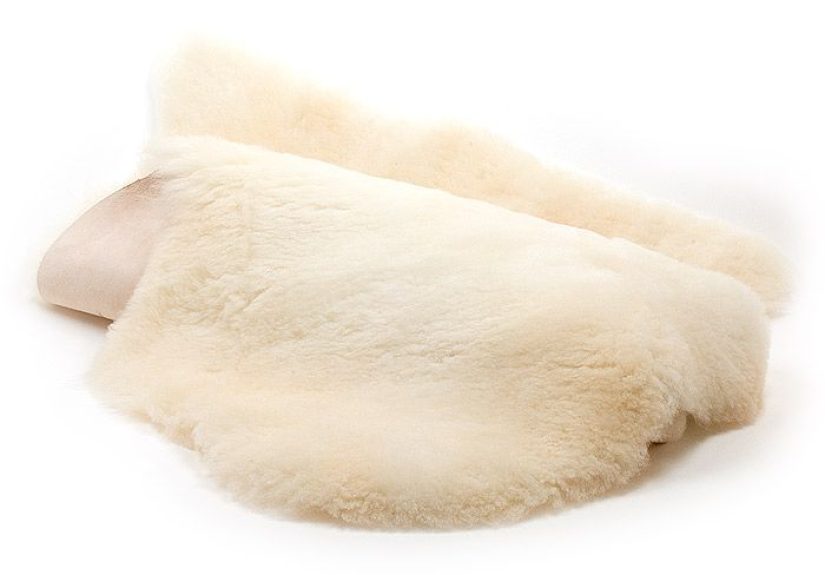
you’re not alone. Peau d’Agneau Mimosa Poil Court : T1 (<75 cm) is simply French for a
short-pile lambskin in a “mimosa” shade (often a soft, sunny yellow), sized under 75 cm
(about 29.5 inches). In other words: a small, luxurious hide you can toss on a chair, layer on a bench,
or use as an instant “my home has its life together” upgrade.
This guide breaks down what that name really means, why short-pile lambskin has a different vibe than shaggy long-wool,
what to look for when shopping, and how to care for it so it stays fluffynot flat, funky, or fried by a hair dryer.
(Yes, people try that. No, it doesn’t end well.)
What This Product Actually Is (Translation, Minus the Drama)
Peau d’Agneau = lambskin (the hide + the wool attached).
Mimosa = usually a color name, often describing a warm, cheerful yellow.
Poil Court = short hair / short pile (the wool is trimmed or naturally shorter).
T1 (<75 cm) = a small size category, typically best for accents rather than full-room coverage.
Think of T1 as the “starter luxury” size: big enough to make a chair look like it belongs in a magazine, small enough
to move around easily. It’s perfect for layering, spotlighting texture, and creating cozy zones without committing to
a massive rug makeover.
Why Real Lambskin Feels So Good (It’s Not Just “Soft”)
Lambskin and sheepskin aren’t popular just because they’re fluffy. Wool fibers can help with comfort in a few practical ways:
they can manage moisture and feel breathable, which is one reason sheepskin is often described as “temperature regulating.”
In daily life, that translates to a seat that feels less clammy and a cozy layer that doesn’t always feel like a space heater.
Another underrated perk: texture. A short-pile lambskin adds depth without turning your room into a shag carpet tribute band.
It reads “intentional,” not “I accidentally bought a small, stylish alpaca.”
Short Pile vs. Long Wool: The “Poil Court” Advantage
Long-wool sheepskins are dramatic. They’re also more prone to tangles, matting, and trapping crumbs that mysteriously appear
even if you “never eat on the couch.” Short-pile lambskin is the more practical sibling:
- Cleaner silhouette: looks tidy on chairs, benches, and office seats.
- Easier upkeep: less tangling, quicker brushing, fewer “why is there a twig in here?” moments.
- Better for layering: sits flatter on top of larger rugs or throws.
- More modern vibe: reads cozy, not costume.
If your goal is “soft and chic” instead of “I live inside a cloud,” short pile is usually the sweet spot.
How to Pick a Quality T1 Lambskin (Without Needing a PhD in Fluff)
Lambskin is a natural material, so it won’t look perfectly identical from piece to pieceand that’s part of the charm.
Still, quality matters. Here’s what to check:
1) The Hide Should Feel Supple, Not Cardboard
Gently flex the backing (the leather side). It should feel smooth and pliable, not stiff or crackly. A stiff hide can indicate
poor tanning, age, or improper storage.
2) The Pile Should Feel Even (But Not Fake-Perfect)
Short pile should look consistent and feel dense. A little natural variation is normal, but avoid patches that look sparse or
“bald” compared to the rest.
3) Expect Some Initial “New Hide” Smell
Real sheepskin can arrive with a noticeable odor from tanning or shipping. This usually improves with airing out in a well-ventilated
space. If the smell is extremely chemical or doesn’t fade, that’s a red flag.
4) Dyed Color Should Look Rich (Not Rub-Off Risky)
Mimosa tones are gorgeous, but dyed wool can fade if treated harshly. Keep it out of direct, intense sunlight and avoid aggressive
cleaning. If you’re worried about color transfer, test gently with a clean, slightly damp white cloth on an inconspicuous area.
Best Ways to Use a T1 (<75 cm) Mimosa Short-Pile Lambskin
This is the size that shines in “small move, big impact” styling. Here are practical, real-home-friendly ideas:
- Chair drape: instantly warms up dining chairs, desk chairs, or an accent chair.
- Bedside landing pad: that first step out of bed feels deluxe (even on Monday).
- Bench or entry perch: makes a hard bench feel invitingand photogenic.
- Layered texture: place it on top of a flatweave rug for dimension.
- Reading nook booster: pair with a floor cushion or pouf for extra softness.
Style tip: mimosa works beautifully with warm whites, light oak, camel leather, and muted greens. If your room is mostly neutral,
this is a “safe pop” of color that still feels grown-up.
Care Basics: Keep It Fluffy, Not Flat
Real talk: most lambskins don’t need frequent deep cleaning. The goal is gentle maintenance.
Many brands recommend vacuuming (suction only), shaking it out, and brushing to prevent matting.
Routine upkeep (weekly-ish, or whenever life happens)
- Shake it out outdoors to release dust and crumbs.
- Vacuum with suction only (no beater bar) and go with the direction of hair growth.
- Brush lightly with a wool comb or slicker brush to revive the pile.
- Rotate it so the same spot doesn’t get all the wear.
Pro tip: brushing is like hair care. Gentle, patient strokes beat aggressive “I will detangle you through sheer force of will.”
Spot Cleaning: The “Don’t Panic” Playbook
When spills happen, speed mattersbut so does restraint. The two big rules:
blot liquids and don’t rub (rubbing can tangle fibers and spread stains).
- Remove solids (or scrape gently if dried) without pushing them deeper into the pile.
- Blot liquids with paper towels or a clean cloth.
- Dab with mild detergent (ideally wool-safe) using a damp, light-colored clothwork with hair growth.
- Rinse by dabbing with a cloth dipped in clean water to remove soap residue.
- Air dry fully away from heat and direct sun, then brush to fluff.
Deep Cleaning: Read the Care Tag Like It’s a Treasure Map
Here’s the tricky part: not all sheepskins are meant to be washed at home. Some care labels say “do not wash” and recommend
dry cleaning. Others allow gentle hand-washing or a delicate cycle. Your safest move is to follow the label for your specific hide.
If your lambskin is labeled washable, deep cleaning usually involves cool water, a wool-safe detergent, gentle handling
(no twisting/wringing), and air drying away from heat. If it is labeled “do not wash,” treat it like a fancy sweater with a law degree:
spot clean carefully and use a professional cleaner when needed.
Odor, Sunlight, and Other Sneaky Issues
Sunlight can fade dye and stress the hide
Direct sun can fade dyed fibers and damage the tanned hide over time. If you want your mimosa shade to stay sunny (and not turn “sad lemon”),
place it away from intense light or rotate it regularly.
New sheepskin smell is normalusually
A mild “new hide” odor can happen with real sheepskin. Airing it out often helps demonstrate quick improvement.
If the smell stays harsh, it may require professional helpor a return label.
Health & Household Notes (Especially If You Have Allergies)
Wool is sometimes marketed as allergy-friendly, but real life is complicated. Wool can trap dust, and studies have noted that
sheepskins used as infant bedding can harbor house dust mites and allergens over time. If someone in your home is highly sensitive,
prioritize regular vacuuming (suction only), keep it dry, and consider placement where it’s easier to maintain.
Also: if you’re thinking of using lambskin for infant sleep, stick to current pediatric safe-sleep guidance and talk to a clinician.
Cozy does not automatically mean sleep-safe.
Sustainability & Ethics: The Questions Worth Asking
Lambskin is an animal product, and it’s often positioned as a byproduct of the food industry. But tanning and dyeing can involve chemicals,
so responsible sourcing and transparent manufacturing matter. When possible, look for sellers that explain:
- Where the skins come from (country/region, traceability)
- How the hide is tanned (and whether it meets safety standards)
- Whether dyes are colorfast and responsibly used
- Care guidance that matches the product (a sign the seller knows what they’re selling)
A well-made lambskin that lasts years can be a “buy once, enjoy forever” itemespecially compared to cheap faux fur that mats, sheds,
and ends up being replaced again and again.
Quick FAQ
Is T1 (<75 cm) too small to be useful?
Not at all. T1 is an accent size. It’s great for chairs, benches, bedside spots, or layering. It’s not meant to replace a full area rug.
Will a short-pile lambskin still feel plush?
Yesplush comes from density and softness, not just length. Short pile often feels cushy while looking more streamlined.
Can I machine wash it?
Only if your specific lambskin’s care label allows it. Many recommend dry cleaning instead. When in doubt, spot clean and consult a pro.
How do I make it fluffy again?
Shake it out, vacuum with suction only, air dry if damp, then brush gently with a wool comb or slicker brush.
Real-World Experiences With a T1 Mimosa Short-Pile Lambskin (Extra Notes)
People who bring a Peau d’Agneau Mimosa Poil Court into their home often describe the same first reaction:
“Oh. So this is what ‘cozy’ was supposed to feel like.” But what’s interesting isn’t just the softnessit’s how a small
piece changes daily routines in surprisingly practical ways.
In home offices, a T1 lambskin becomes a stealth comfort upgrade. One common story: someone buys it for décor, then it ends up living on
a desk chair because it makes long sessions feel less stiff and more inviting. Short pile is especially appreciated here because it doesn’t
overwhelm the chair’s shapeno bulky drape, no dramatic fluff explosion. It’s “professional cozy,” like wearing sneakers that look like loafers.
In bedrooms, the experience is all about the first 10 seconds of the day. A small lambskin beside the bed turns that cold-floor wake-up into
something gentler. People often say it’s not even a luxury demonstrates big sleepjust a tiny comfort cue that makes mornings feel less abrupt.
The mimosa shade adds a subtle mood boost too: warm color, warm vibe, warm “okay, I can do today.”
In living rooms, T1 lambskin shines as a “moveable accent.” Some owners shift it seasonallyon a chair in winter, on a bench in spring,
layered over a rug for extra texture when guests come over. The short pile helps it look tidy even when relocated often. And because it’s small,
it doesn’t demand a whole room redesign; it plays nicely with whatever style you already have.
Households with pets report mixed but very human outcomes. Some pets treat it like a throne. Others ignore it completely, which is honestly
a personal insult if you spent real money. Short pile tends to be easier to de-fur than long wool, especially with gentle vacuuming (suction only)
and regular shaking. The most common “pet lesson” people learn: if your lambskin becomes a favorite nap spot, rotate it and brush it more often so
it stays evenly plush instead of developing a single, suspiciously pet-shaped “memory.”
Finally, the most universal experience is how often the lambskin gets noticed. It’s not loud décor, but it’s tactileand tactile things invite
interaction. Guests touch it. Kids want to sit on it. Someone inevitably asks, “Where did you get this?” and you get to say the fancy French name
with confidence, like you definitely didn’t practice it in your head first. Small item, big effectthat’s the magic of a well-chosen T1 hide.