Table of Contents >> Show >> Hide
- Who Is Catelyn Stark, Really?
- How Fan Rankings Treat Catelyn Stark
- Why Opinions on Catelyn Stark Are So Polarized
- Breaking Down Her Most Controversial Choices
- Book Catelyn vs. Show Catelyn
- So Where Should We Rank Catelyn Stark?
- Fandom Experiences: How Viewers Talk About Catelyn Stark
- Final Thoughts: A Complicated Woman in a Brutal World
Few characters in Game of Thrones and A Song of Ice and Fire split the fandom quite like Catelyn Stark.
Depending on whom you ask, she’s either a tragic, fiercely loyal mother doing her best in an impossible war, or the woman
whose decisions helped set Westeros on fire. When you look at fan rankings and opinion polls, Catelyn tends to hover in a strange
middle ground: she’s not as universally hated as Joffrey or Ramsay, but she appears on more “most disliked” lists than you might expect.
This article dives into where Catelyn Stark usually lands in character rankings, why opinions about her are so polarized, and how
her most controversial choices shape her reputation. We’ll look at both book and show versions, explore fan debates, and finish with
an experience-based look at how different viewers “rank” her after multiple rewatches and rereads.
Who Is Catelyn Stark, Really?
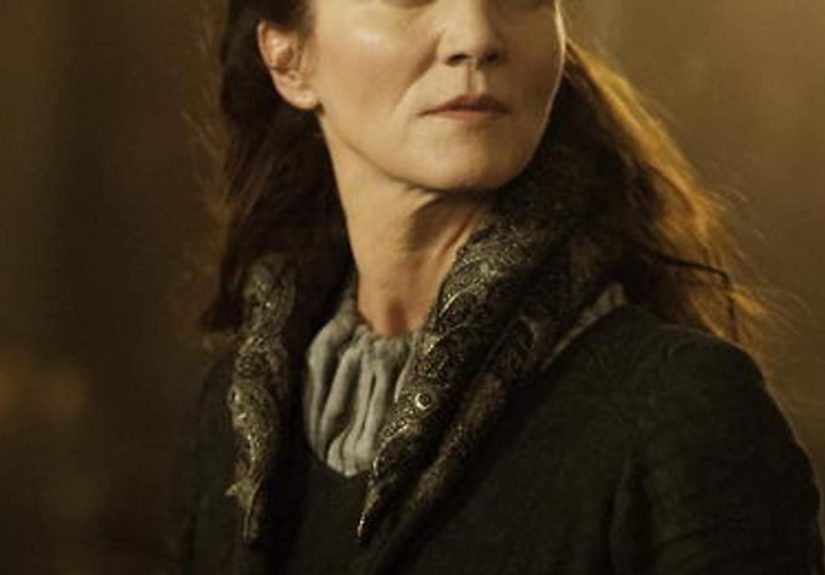
Canonically, Catelyn Stark (née Tully) is the Lady of Winterfell, wife of Eddard “Ned” Stark, and mother to Robb, Sansa, Arya, Bran,
and Rickon. She’s introduced as a Southern-born Tully trying to adapt to the cold North, balancing her own family motto“Family, Duty,
Honor”with the much grimmer Stark worldview of “Winter is coming.” In the books and the TV show, she is portrayed as:
- Fiercely protective of her children and house.
- Politically intelligent and raised to navigate noble courts.
- Deeply committed to duty, often at great personal cost.
- Flawed and prejudiced, particularly in her treatment of Jon Snow.
Character analyses and wikis describe her as peaceful by nature, yet capable of bold, risky action when her family is threatened.
She’s no warrior like Brienne, but she is a strategist, advisor, and emotional anchor for the Stark family. When Bran is hurt, she keeps vigil
by his bed for weeks, then personally travels to King’s Landing to investigate an assassination attempt. That mix of courage and maternal focus
is central to both positive and negative fan opinions about her.
How Fan Rankings Treat Catelyn Stark
When entertainment outlets and fan sites rank Game of Thrones characters, Catelyn Stark rarely makes the very topor the very bottom.
Lists of the “best” characters usually highlight Jon, Tyrion, Arya, Daenerys, and Jaime. Catelyn may appear in the mid-range of “favorite
characters,” but she’s often overshadowed by flashier, more meme-able figures and big-name villains.
On the flip side, some fan rankings of “most hated” or “most disliked” characters do include herthough almost always below truly heinous
figures like Joffrey, Ramsay, and Cersei. Older fan polls and essays placed her on “most hated” or “loathed” character lists, but typically
around the middle: disliked, but nowhere near the absolute bottom of the barrel.
In short, if you average fan rankings and media lists, Catelyn lands in a “complicated middle tier”:
- Too noble and loving to be grouped with monstrous villains.
- Too flawed and controversial to sit alongside widely beloved fan-favorites.
Why Opinions on Catelyn Stark Are So Polarized
The Case for Catelyn: Devoted Mother and Political Operator
Supporters of Catelyn Stark tend to frame her as one of the most realistic and grounded characters in the series. She’s not a chosen
hero, a dragon-riding queen, or a magical assassinshe’s a noblewoman who has to navigate a brutal war with the limited tools available
to her: alliances, oaths, and persuasion.
Positive fan opinions often highlight that:
-
She consistently puts her children’s safety first, even when it conflicts with wider political strategy. Her risky trip to King’s Landing
after Bran’s fall and her constant attempts to negotiate for Sansa and Arya show that she’s driven by motherhood rather than pure ambition. -
She is often right about people. She senses that trusting Balon Greyjoy is a bad idea. She is wary of Walder Frey, correctly
reading his pettiness and grudges. Her political instincts are sharper than many of the lords around her. -
Her choices are made under immense pressure. She’s operating in a patriarchal world that doesn’t take her seriously, yet she still shapes events
in major wayssometimes for better, sometimes for worse.
Many readers and viewers see her as a tragic hero: someone who tries desperately to hold her family together, only to be crushed by betrayal,
war, and forces she can’t fully control.
The Case Against Catelyn: Decisions with Massive Consequences
On the other hand, critics of Catelyn Stark tend to revolve their arguments around three main points: the arrest of Tyrion Lannister, the
release of Jaime Lannister, and her treatment of Jon Snow.
-
Arresting Tyrion at the Inn
Catelyn’s impulsive decision to publicly seize Tyrion Lannister at the Inn at the Crossroads is often cited as one of the major triggers
for open war between Stark and Lannister. In hindsight, her evidence is weak, and the move gives Tywin all the justification he needs to
escalate into full-blown conflict. -
Freeing Jaime Lannister
Later, she frees JaimeRobb’s most valuable hostageon the slim hope of getting her daughters back. Strategically, it’s a disaster: she
undermines Robb’s authority and throws away a crucial bargaining chip. Emotionally, many fans understand why she does it, but politically
it’s hard to defend. -
Her Treatment of Jon Snow
Catelyn’s coldness toward Jon Snow is easily her most controversial personal trait. She never truly accepts him, resents his presence in
her household, and in one infamous scene tells Jon she wished he had never been brought to Winterfell. Even fans who sympathize with her
pain over Ned’s supposed infidelity often admit this is harsh.
These actions fuel a large portion of the online dislike. To some fans, she’s not just flawedshe’s the person who “started the war” or
“ruined Robb’s campaign,” which feeds into her appearance on “most hated” compilations and negative rankings.
Breaking Down Her Most Controversial Choices
Arresting Tyrion: Bold Move or Strategic Blunder?
Context matters. At the time of Tyrion’s arrest, Catelyn genuinely believes he ordered Bran’s assassination. She has a Valyrian steel dagger,
Littlefinger’s “confirmation,” and a child who nearly died. From her perspective, arresting Tyrion looks like a lawful response to an attack
on her son.
The problem is that this decision ignores two key realities:
- The Lannisters hold the crown and have far more military power.
- Her information sourceLittlefingeris profoundly untrustworthy (as readers later learn in depth).
Fans who rank her harshly see this as the moment she lights the fuse of the war. Fans who defend her argue that someone was going
to clash with the Lannisters eventually, and Catelyn just happened to be the one who took the first open shot.
Freeing Jaime: A Mother’s Desperation
By the time she frees Jaime, Catelyn has endured unimaginable stress: Bran’s injury, Ned’s arrest and death, her husband’s head displayed on
the city walls, and the uncertain fate of her daughters. Viewed through that lens, her decision is a desperate attempt by a grieving mother to
salvage something from the chaos.
Strategically, though, it’s a nightmare. Robb’s bannermen are outraged. Many blame her for weakening their leverage, and in a feudal context,
she undercuts her own king-son’s authority. Critics use this as Exhibit A in arguing that Catelyn acts on emotion over logic. Supporters counter
that the Starks were already trapped in a no-win war, and her trying to rescue the girls is one of the few actions that feels truly human.
Her Treatment of Jon Snow
This is where opinions get most heated. Catelyn’s resentment of Jon Snow is rooted in what she believes Ned did: fathering a child with another
woman during their marriage. Jon is the living symbol of that betrayal, raised under her roof, constantly reminding her of what she’s lost.
From a modern perspective, it’s easy to wish she would rise above it, treat Jon like a son, and break the cycle of cruelty. She doesn’t.
That disappoints many readers, especially those who deeply empathize with Jon. Others argue that this flaw makes her painfully realistic:
she’s not a saint, she’s a person struggling with jealousy, wounded pride, and cultural expectations.
Book Catelyn vs. Show Catelyn
One reason Catelyn’s rankings and opinions vary so much is that book-Catelyn and show-Catelyn feel slightly different:
-
In the books, we live inside her head. We see her worry about duty and honor, her guilt over Jon, and her constant mental
math about alliances and threats. Some of her harsher actions are balanced by introspection and regret. -
In the show, much of that inner monologue disappears. Her decisions stand more starkly, with fewer explicit explanations,
making some viewers read her as colder, or more impulsive, than book readers do. -
Lady Stonehearther resurrected, vengeful formappears only in the books (so far). That version of Catelyn is almost pure
rage and vengeance, leading some to re-evaluate her original character arc as the seedbed for something much darker.
As a result, fans who’ve read the books often rank Catelyn higher than show-only viewers. With more context, her actions feel like the tragic
attempts of a mother caught in a political hurricane, rather than random blunders.
So Where Should We Rank Catelyn Stark?
If we translate fan opinions into a rough tier list, Catelyn rarely lands in either the S-tier of beloved heroes or the F-tier of despised
villains. Instead, she tends to sit in a “controversial middle tier,” something like:
- S-tier: Jon, Tyrion, Arya, Brienne, Davos.
- A-tier: Characters like Ned, Jaime (post-redemption arc), and some fan-favorite secondary players.
- B-tier / C-tier: Catelyn often lands hererespected, debated, sometimes disliked, but not universally loathed.
- F-tier: Joffrey, Ramsay, Walder Frey, and other icons of pure villainy.
If you strip away emotional reactions and focus on narrative function, Catelyn is a crucial pivot character: her actions help drive the War of
the Five Kings, and her death at the Red Wedding is one of the most shocking and memorable moments in modern TV and fantasy literature. That alone
gives her a high “importance ranking,” even if her popularity ranking is more mixed.
Fandom Experiences: How Viewers Talk About Catelyn Stark
To really understand Catelyn Stark rankings and opinions, you have to look at how fans talk about her after the initial shock of the series
has worn off. A first-time viewer might react primarily to her worst moments: the way she speaks to Jon, the anger of Robb’s bannermen when she
frees Jaime, and the domino effect of the Tyrion arrest.
But after a rewatch or a reread, many fans softenor at least complicatetheir rankings:
-
Some admit that they “hated Catelyn on the first watch, respected her on the second.” Once you already know the big twists, you can pay
more attention to her quiet scenes: how she holds her family together, how she counsels Robb, and how deeply she grieves. -
Others double down on their criticism, arguing that despite the context, her pattern of emotionally driven decisions repeatedly backfires
in predictable ways. For this camp, she stays in their personal “bottom 10,” even if she’s not as loathsome as the show’s monsters. -
A third group falls into what you might call “compassionate frustration”: they don’t excuse what she does to Jon or the strategic disasters,
but they see her as a believable, tragic figure who is out of her depth in a world designed to chew people up.
In many fan discussions, Catelyn becomes a kind of mirror. How you rank her often reflects your own priorities:
- If you value pure strategy and big-picture thinking, you might judge her harshly.
- If you value family loyalty and emotional realism, you might rank her much higher.
- If you strongly identify with Jon Snow, her treatment of him may permanently lower her in your personal rankings, no matter what else she does.
Over time, many long-time fans end up describing Catelyn less in terms of simple “like” or “dislike,” and more in terms of impact.
They may never call her their favorite, but they acknowledge that without her choicesgood and badthe story wouldn’t hit nearly as hard.
Final Thoughts: A Complicated Woman in a Brutal World
Catelyn Stark isn’t designed to be universally loved. George R. R. Martin writes her as complex, proud, loving, and deeply flawed.
She is capable of grace and courage, but also of bitterness and misjudgment. That complexity is exactly why her rankings and opinions
vary so much across fanbases and media lists.
On a pure “favorite character” scale, she probably lands somewhere in the solid middle for most viewers: above the villains, below the
most charismatic heroes. On an “importance to the story” scale, though, she ranks much higher. Her choices set major events in motion, her
death anchors one of the saga’s most devastating episodes, and her legacy echoes through her children and the North.
Maybe the most accurate way to summarize Catelyn Stark is this: she’s not the hero you put on a poster, but she might be the character
who feels uncomfortably close to real lifea person trying to protect her family in a world that punishes every mistake. Whether that
earns her a high or low spot in your personal rankings says as much about you as it does about her.