Table of Contents >> Show >> Hide
- Why Lunar New Year Food Matters So Much
- Healthy Traditional Lunar New Year Dishes to Put on the Table
- 1) Whole Fish for Abundance (With a Heart-Healthy Upgrade)
- 2) Dumplings for Wealth (Without the Heavy Filling)
- 3) Longevity Noodles for Long Life (Keep Them Long, Keep Them Lighter)
- 4) Spring Rolls for Prosperity (Bake or Air-Fry Them)
- 5) Tangyuan for Unity (Smaller, Lighter, Still Sweet)
- 6) Citrus Fruit Platters for Luck (The Easiest Healthy Win)
- 7) Tteokguk for Seollal (Comfort Food with Better Balance)
- 8) Tết Favorites Like Thịt Kho and Braised Dishes (Portion and Pairing Matter)
- 9) Prosperity Toss (Yee Sang / Lo Hei) as a Fresh, Crunchy Centerpiece
- How to Make Lunar New Year Dishes Healthier Without Losing the Soul
- Food Safety for Lunar New Year Gatherings (Very Important, Very Unsexy, Very Necessary)
- A Sample Healthy Lunar New Year Menu (That Still Feels Festive)
- The Best Healthy Lunar New Year Rule
- Experience Add-On: What a Healthy Lunar New Year Celebration Feels Like (500+ Words)
- Conclusion
- SEO Tags
Lunar New Year is many wonderful things at once: a family reunion, a fresh start, a lucky charm in calendar form, andlet’s be honesta very good reason to eat beautifully for days. The holiday table is loaded with dishes that carry meaning: fish for abundance, noodles for long life, dumplings for wealth, and sweet rice balls for unity. In other words, this is not the time for sad “diet food” pretending to be festive.
The good news? You don’t have to choose between tradition and health. You can absolutely keep the symbolism, the comfort, and the flavor while making a few smart upgradesless sodium, more vegetables, better cooking methods, balanced portions, and safer leftovers (because the best holiday meals deserve an encore, not a stomachache).
This guide walks you through healthy traditional Lunar New Year dishes and practical ways to make them lighter without making your auntie suspicious. Whether you celebrate Chinese New Year, Seollal, Tết, or a blended family version of all of the above, these ideas help you build a meaningful, delicious table that still feels good the next day.
Why Lunar New Year Food Matters So Much
Lunar New Year meals are not random party menusthey’re edible symbolism. Across many Asian cultures, the reunion dinner is the emotional center of the holiday. Dishes are chosen for their names, shapes, colors, and meanings: abundance, prosperity, longevity, unity, and luck. Even desserts and fruit platters carry messages of hope for the year ahead.
That’s exactly why “healthy Lunar New Year food” should never mean stripping away what makes the meal special. A better approach is to preserve the dish and adjust the technique. Keep the whole fish. Keep the noodles. Keep the tangyuan. Then tweak the salt, the oil, the portion size, and the sides. Think of it as honoring tradition with a modern wellness upgradenot replacing Grandma, just giving her a very organized sous-chef.
Healthy Traditional Lunar New Year Dishes to Put on the Table
1) Whole Fish for Abundance (With a Heart-Healthy Upgrade)
Whole fish is one of the most iconic Lunar New Year dishes because it symbolizes surplus and abundance. It’s also a fantastic choice for a healthy celebration meal when prepared the right way. Instead of deep-frying, try steaming, baking, or lightly pan-searing and finishing with aromatics like ginger, scallions, and citrus.
Healthy upgrade ideas:
- Use less soy sauce and add more ginger, garlic, scallions, and rice vinegar for bold flavor.
- Try a reduced-sodium soy sauce, or dilute the sauce with unsalted stock and citrus juice.
- Choose a non-fried cooking method to keep saturated fat lower.
- Serve with a pile of steamed bok choy, gai lan, or napa cabbage.
Fish also fits beautifully into heart-healthy eating patterns. If you’re planning the menu, a whole fish centerpiece can be both symbolic and smart. For families serving young kids or pregnant guests, choose lower-mercury fish varieties and keep portions age-appropriate.
2) Dumplings for Wealth (Without the Heavy Filling)
Dumplings are beloved for their shape, which resembles ancient ingots and symbolizes prosperity. They’re also one of the best group-cooking foods ever invented. Put a few family members around a table with wrappers and filling, and suddenly everyone is helping while gossiping and “taste-testing” the filling five times.
Healthy upgrade ideas:
- Use a leaner filling: ground chicken, turkey, shrimp, tofu, or a mix of pork and finely chopped vegetables.
- Bulk up the filling with napa cabbage, mushrooms, chives, carrots, or water chestnuts.
- Steam or boil more dumplings and pan-fry only a small batch for texture variety.
- Serve dipping sauce on the side and keep it lighter: reduced-sodium soy, vinegar, chili, ginger.
A practical trick: make two fillings. One traditional, one lighter. Put both on the tray. Nobody feels deprived, and everybody wins.
3) Longevity Noodles for Long Life (Keep Them Long, Keep Them Lighter)
Longevity noodles symbolize a long life, and tradition says they should stay long and uncut. So yes, this is the one meal where slurping is basically cultural etiquette. The healthiest version focuses on broth, vegetables, and protein rather than oil-heavy sauces.
Healthy upgrade ideas:
- Use a lighter broth base instead of a thick, salty sauce.
- Add lots of vegetables: shiitake mushrooms, snow peas, cabbage, bean sprouts, carrots, and broccoli.
- Choose a lean protein like chicken, tofu, shrimp, or a modest amount of beef.
- Control sodium by using less seasoning packet or sauce and building flavor with garlic, scallions, white pepper, and sesame oil (just a little).
If you want a more balanced bowl, serve noodles in smaller portions and pair them with a vegetable-forward side dish. The symbolism stays; the blood-sugar crash does not.
4) Spring Rolls for Prosperity (Bake or Air-Fry Them)
Spring rolls are associated with wealth because their golden shape resembles gold bars. Delicious? Absolutely. Easy to overdo? Also absolutely. The health move here is simple: keep the spring rolls, change the cooking method.
Healthy upgrade ideas:
- Bake or air-fry instead of deep-frying.
- Fill them with cabbage, carrots, mushrooms, and a small amount of protein.
- Brush lightly with oil rather than soaking them.
- Skip sugary bottled sauces and serve with a vinegar-based dip or chili-lime sauce.
Bonus: baked spring rolls are easier to batch-cook for a crowd, which means less time hovering over hot oil and more time pretending your folding technique is “rustic.”
5) Tangyuan for Unity (Smaller, Lighter, Still Sweet)
Tangyuan (sweet glutinous rice balls) symbolize unity and togetherness, especially during the Lantern Festival and reunion celebrations. They are one of the most meaningful desserts on the tableand one of the easiest to enjoy mindfully.
Healthy upgrade ideas:
- Make smaller tangyuan so each serving feels festive but not overwhelming.
- Use a lightly sweetened broth or ginger-infused syrup instead of very sugary syrup.
- Offer fruit on the dessert tray (citrus is traditional and perfect here).
- Serve dessert in small bowls and let people go back for seconds if they truly want it.
Another great option: keep the classic sesame filling for tradition, but make one batch with peanut or lower-sugar filling for variety.
6) Citrus Fruit Platters for Luck (The Easiest Healthy Win)
If you want one healthy Lunar New Year dish that requires almost no cooking and still feels deeply traditional, citrus fruit is the MVP. Oranges, tangerines, pomelos, and kumquats are widely associated with luck and prosperity, and their bright colors look beautiful on the table.
Healthy upgrade ideas:
- Build a colorful fruit platter as part of dessert, not just decoration.
- Keep leaves/stems on where possible for a more traditional look.
- Add pomegranate or sliced pears for extra color and freshness.
- Use fruit to balance richer dishes during the meal.
This is also a perfect way to make the table more kid-friendly. Children may not care about symbolic wordplay yet, but they usually care about easy-to-grab fruit that looks shiny and fancy.
7) Tteokguk for Seollal (Comfort Food with Better Balance)
In Korean Seollal traditions, tteokguk (rice cake soup) is a must-have dish. It symbolizes prosperity, purity, and a fresh start. It’s also cozy enough to make everyone at the table instantly quieter, which is a rare holiday achievement.
Healthy upgrade ideas:
- Use a cleaner broth and skim excess fat if making a meat-based stock.
- Add extra vegetables like zucchini, spinach, mushrooms, or scallions.
- Go easy on salty garnishes and season gradually.
- Pair with vegetable side dishes to create a more balanced plate.
Because rice cakes can be filling, portion size matters. A medium bowl with plenty of broth and vegetables often feels more satisfying than a giant bowl of mostly rice cake slices.
8) Tết Favorites Like Thịt Kho and Braised Dishes (Portion and Pairing Matter)
Vietnamese Lunar New Year (Tết) tables vary by region and family, but braised dishes, festive meats, and rich, savory foods often play a starring role. Dishes like thịt kho are deeply comforting and tied to family memory, so this is not the place to perform a full “health makeover” nobody asked for.
Healthy upgrade ideas:
- Keep the dish traditional, but serve smaller portions.
- Balance with a large platter of fresh herbs, vegetables, and lighter sides.
- Trim visible fat where possible before cooking.
- Avoid turning every side dish into another rich, salty item.
This is an important point: a healthy holiday meal doesn’t require every dish to be low-calorie. It requires a smart overall pattern. One richer braise + vegetables + soup + fruit is a very different meal than rich braise + fried appetizers + sugary drinks + no produce in sight.
9) Prosperity Toss (Yee Sang / Lo Hei) as a Fresh, Crunchy Centerpiece
In some Southeast Asian celebrations, the prosperity toss (yee sang or lo hei) brings everyone around the table to toss a colorful salad high in the air while shouting good wishes. It’s joyful, noisy, and one of the healthiest traditions you can include because it naturally features fish and crunchy vegetables.
Healthy upgrade ideas:
- Keep the colorful shredded vegetables generous and varied.
- Use a lighter dressing or serve part of the dressing on the side.
- Choose a moderate amount of crispy toppings for texture without overdoing it.
- Use fresh fish and chill ingredients properly for food safety.
It’s festive, interactive, and secretly a giant vegetable dish. Honestly, that’s elite holiday menu design.
How to Make Lunar New Year Dishes Healthier Without Losing the Soul
Use Flavor, Not Just Salt
Many traditional dishes rely on sauces and seasonings that can quickly push sodium intake highespecially when soy sauce, oyster sauce, broth, seasoning packets, and bottled dips pile up in the same meal. The solution isn’t bland food. The solution is smarter flavor building.
- Lean on garlic, ginger, scallions, citrus juice, vinegars, chili, and toasted aromatics.
- Choose lower-sodium condiments when possible.
- Use less sauce and more fresh ingredients.
- Rinse canned ingredients (like beans or vegetables) if you use them in fusion sides.
Small sodium cuts matter, especially during holiday meals when people taste a little bit of everything (and every “little bit” contains another sauce).
Balance the Plate, Don’t Police the Plate
A practical way to stay balanced is to use a MyPlate-style mindset without forcing it onto traditional plating. In plain English: make room for vegetables and fruit, include protein, and watch refined-grain overload. You can absolutely enjoy white rice, noodles, dumplings, and rice cakesjust don’t let the entire plate become one big beige carb festival.
Easy ways to do this:
- Add a vegetable dish for every rich main dish.
- Serve fruit as part of dessert, not just decoration.
- Offer soup and greens early so people start with something filling and nourishing.
- Use smaller bowls and plates for rich dishes and sweets.
Choose Better Fats and Cooking Methods
If your menu already includes symbolic fried foods (hello, spring rolls), balance them with steamed fish, braised vegetables, and broth-based soups. Use healthy oils in moderate amounts, and avoid turning every dish into a “special occasion” of deep frying. The holiday is already special. The oil does not need to prove anything.
Make Desserts Smaller, Not Sadder
Lunar New Year desserts are meaningful and joyful. Keep them. Just serve them with intention. Smaller tangyuan, lighter syrup, fruit platters, and mini portions of sweet rice cakes can deliver tradition and satisfaction without sending everyone into a sugar coma before the card games start.
Food Safety for Lunar New Year Gatherings (Very Important, Very Unsexy, Very Necessary)
Holiday meals often stay out for hours while people eat, talk, snack again, and then “just leave it for later.” That’s where food safety problems happen. Big gatherings, warm rooms, buffet-style service, and leftovers are exactly the conditions where bacteria can grow if food isn’t handled properly.
Quick Food Safety Rules to Follow
- Refrigerate perishable foods within 2 hours (or 1 hour if it’s very hot).
- Keep the refrigerator at 40°F or below and the freezer at 0°F or below.
- Store leftovers in shallow containers so they cool faster.
- Eat refrigerated leftovers within about 4 days, or freeze them sooner.
- Reheat leftovers to 165°F before serving.
These steps are especially important for seafood dishes, braises, dumplings, soups, and anything served to a crowd. A lucky new year starts with abundance, yesbut ideally not an urgent search for antacids.
A Sample Healthy Lunar New Year Menu (That Still Feels Festive)
Here’s a realistic menu that keeps the traditional spirit while making the meal more balanced:
- Centerpiece: Steamed whole fish with ginger, scallions, and a lighter soy-citrus sauce
- Prosperity dish: Steamed dumplings (with cabbage, mushrooms, and shrimp/chicken) + a small tray of crispy dumplings
- Longevity dish: Vegetable-forward noodle bowl with mushrooms, greens, and tofu
- Celebration soup: Light broth soup (or tteokguk if celebrating Seollal)
- Vegetable sides: Stir-fried bok choy, garlic green beans, cucumber salad, or napa cabbage slaw
- Fresh/festive dish: Prosperity toss salad (yee sang / lo hei) or a crunchy citrus salad
- Dessert: Small tangyuan servings + citrus platter
- Drinks: Tea, sparkling water with citrus, and minimal sugary beverages
This menu doesn’t feel “healthy” in the boring sense. It feels abundant, colorful, and celebratorywhich is exactly the point.
The Best Healthy Lunar New Year Rule
If you remember one thing, make it this: protect the meaning, then improve the method. The symbols matter. The family stories matter. The flavors matter. Healthier choices work best when they support the tradition instead of trying to erase it.
So yes, serve the fish. Fold the dumplings. Slurp the noodles. Pass the citrus. Make the tangyuan. Then use more vegetables, better portions, less sodium, and safer leftovers. That’s not “less festive.” That’s a smarter celebrationand one you’ll feel good about long after the lanterns come down.
Experience Add-On: What a Healthy Lunar New Year Celebration Feels Like (500+ Words)
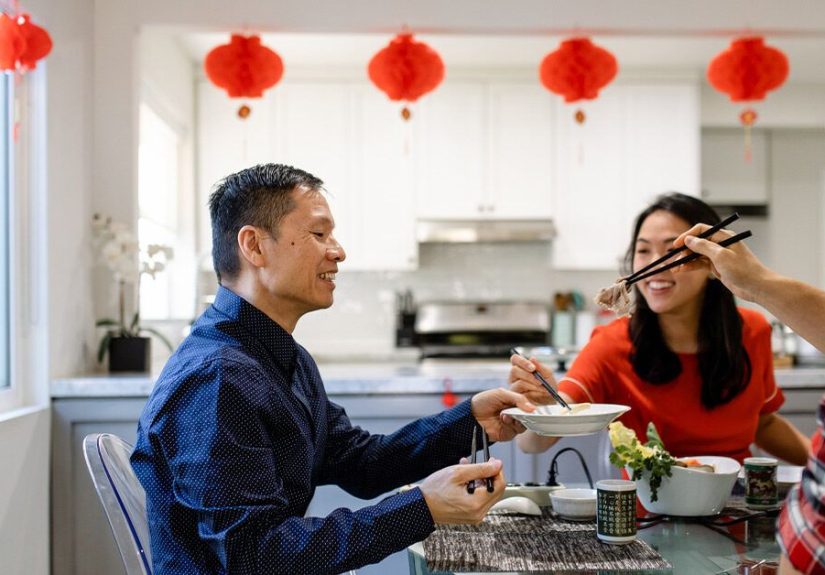
Picture this: the kitchen starts buzzing early, long before anyone sits down. Someone is washing scallions. Someone else is debating whether the fish platter is “big enough” for luck. There’s a cutting board covered in cabbage, mushrooms, and chives, and a tray of dumpling wrappers waiting like little blank envelopes for prosperity. The room smells like ginger and garlic, and every five minutes somebody opens a pot “just to check,” which is family code for sneaking a bite.
The best healthy Lunar New Year meals don’t feel like a nutrition lecture. They feel like a celebration with a little more strategy. The whole fish comes out first, glossy and fragrant, topped with scallions and a lighter soy-citrus sauce. It still looks impressive. It still gets the same reaction. The difference is mostly invisible: less salt, less oil, more aromatics, and a big platter of greens right next to it so the table has color and balance from the start.
Then the dumplings arrive, and this is where the magic happens. Some are steamed, some are pan-seared for the crispy-bottom crowd, and everyone argues (lovingly) about which version is better. The lighter fillingmaybe chicken with napa cabbage and mushrooms, or shrimp with chivesdoesn’t feel like a compromise. It feels juicy, savory, and fresh. People dip them in sauce, but because the sauce is on the side, everyone controls their own amount. That one small change keeps the meal from turning into a sodium marathon.
Noodles come next, long and uncut, because no one wants to tempt fate with scissors. A broth-based version loaded with vegetables and tofu (or a little beef) lands in bowls and somehow disappears faster than the richer dishes. Maybe it’s the warmth, maybe it’s the symbolism, or maybe it’s just that noodles are undefeated. Either way, the table feels full without feeling heavy. That’s the sweet spot.
If your celebration includes yee sang or lo hei, the energy shifts from “dinner” to “event.” Everyone gathers around the platter, chopsticks ready, and the tossing starts. Vegetables fly. Someone shouts a blessing. Someone tosses too enthusiastically and loses a carrot strand onto the tablecloth. It’s chaotic, loud, and perfect. And while everyone is laughing, they’re also eating a dish packed with crunchy vegetables and fisha festive tradition that happens to be genuinely nourishing.
Later, when dessert comes out, there’s no need for a giant sugar finale. A tray of citrus fruit glows on the table beside small bowls of tangyuan. The rice balls are still soft and chewy, still symbolic of unity, still the dessert people look forward to. The difference is portion size and pacing. Small bowls, a lightly sweetened ginger syrup, a few wedges of pomelo or orange on the side. It feels elegant. It also leaves enough room for tea and conversation instead of a collective nap on the couch.
And then comes the underrated part of the whole celebration: cleanup done smart. Leftovers are packed into shallow containers while the food is still fresh. The fish is portioned carefully. Dumplings are separated so they don’t stick together. Someone labels containers, which is deeply unglamorous and incredibly useful. By the time the night winds down, the table is cleared, the kitchen is calmer, and the refrigerator is full of tomorrow’s good fortune.
That’s what a healthy Lunar New Year celebration really feels like. It’s not smaller. It’s not stricter. It’s not “wellness content” invading your holiday. It’s still joyful, still symbolic, still deliciousjust designed with more intention. The food honors the past, the table supports the present, and the leftovers are ready for a safe, tasty second round. Honestly, that’s a pretty lucky way to start the year.
Conclusion
Celebrating Lunar New Year with healthy traditional dishes is all about balance: keep the symbolism, keep the flavor, and make smart upgrades where they matter most. A lighter fish sauce, more vegetables, smaller dessert portions, and better leftover habits can transform the meal without changing its meaning. The result is a table that still looks abundant, tastes incredible, and supports the people gathered around itexactly what a new year feast is meant to do.