Table of Contents >> Show >> Hide
- Bone density 101 (without the yawn)
- The big levers that improve bone density naturally
- Exercise: make your skeleton earn its keep
- Nutrition: give your bones the raw materials
- Lifestyle: the silent bone thieves
- When you should talk to a clinician (and what to ask)
- Common myths (bone edition)
- Real-world experiences: what people notice when they actually stick with this
- Conclusion: the bone density playbook in one breath
Your bones are not dead rocks. They’re living tissue with a renovation crew on duty 24/7tearing down old bone and building new bone. The catch? Your skeleton is basically a practical roommate: it only upgrades when you give it a reason.
If you’re trying to increase bone density naturally (or at least slow the usual age-related slide), the strategy is less “one magic supplement” and more “stack the boring wins consistently.” That means:
- Mechanical load (the right kind of exercise)
- Enough building materials (nutritionespecially calcium, vitamin D, and protein)
- Fewer bone “pickpockets” (smoking, heavy alcohol, prolonged inactivity, certain meds)
- Smart prevention (balance training and fall-proofing so your strong bones don’t get tested the hard way)
Let’s turn all that into a plan that’s realistic, evidence-based, and not written like a dusty textbook that smells like a chiropractor’s waiting room.
Bone density 101 (without the yawn)
What “bone density” actually means
Bone density (often measured as bone mineral density, or BMD) is basically how much mineral “stuff” is packed into your bones. Higher BMD generally means stronger bones and lower risk of fractures. Lower BMD can progress to osteopenia (low bone mass) or osteoporosis (fragile bones).
Why this changes over time
You typically build most of your peak bone mass by early adulthood. After that, your mission shifts from “build like a boss” to “maintain like you pay rent.” Hormones, activity level, nutrition, certain health conditions, and medications all influence how fast bone is gained or lost.
How you know where you’re starting
The standard test is a DXA (DEXA) scan, which measures BMD at key sites like the hip and spine. If you’re concernedespecially if you’re postmenopausal, have risk factors, or have had a low-trauma fracturetalk to a clinician about whether screening makes sense for you.
Quick reality check: “Naturally” doesn’t mean “ignore medicine.” If you have osteoporosis or a history of fractures, lifestyle changes are powerfulbut sometimes meds are the seatbelt you shouldn’t skip.
The big levers that improve bone density naturally
Bone responds to what you do repeatedly. The best natural approaches usually work through one (or more) of these levers:
- Load: Exercises that force bone to adapt (strength training, impact/weight-bearing, and balance work).
- Fuel: Adequate calcium + vitamin D + protein, plus supporting nutrients.
- Hormone & health alignment: Address deficiencies, endocrine issues, and medication side effects that accelerate bone loss.
- Fall-proofing: You can have decent BMD and still break a bone if balance and reflexes are on airplane mode.
Exercise: make your skeleton earn its keep
If bone density had a love language, it would be “mechanical strain.” Bones become denser when they’re challengedespecially with progressive resistance and weight-bearing activities. Translation: your bones want a job, not a spa day.
1) Strength training (the MVP)
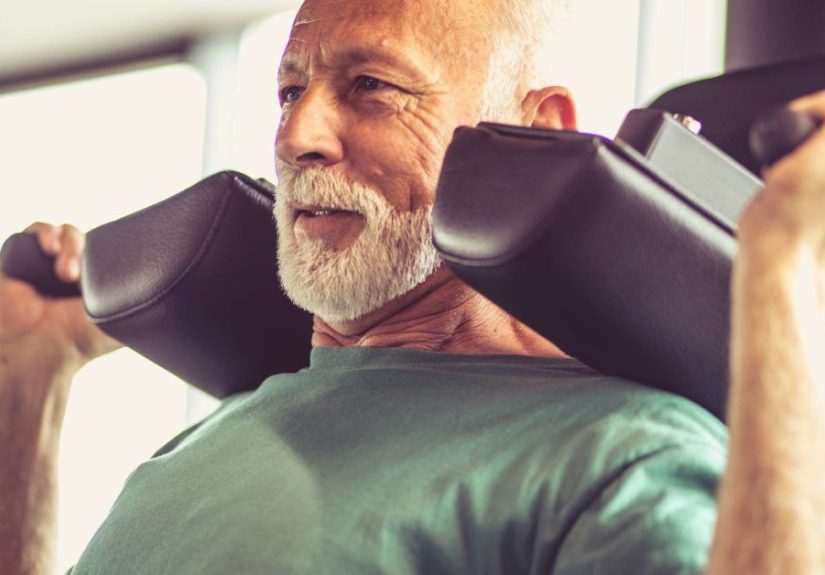
Resistance training creates muscle pull on bone, which signals bone-forming cells to get to work. The key is progressive overload: gradually increasing resistance over time.
What it looks like in real life:
- 2–4 days/week of strength training
- Focus on big movements: squats (or sit-to-stands), hip hinges (deadlift pattern), step-ups, rows, presses
- Use weights, machines, resistance bands, or bodyweightjust make it challenging
Bone-friendly cues: Train legs and hips seriously. Hip and spine sites matter a lot for fracture risk, and they respond well to appropriately loaded work.
Safety note: If you already have osteoporosis, a clinician or physical therapist can help you avoid risky movements (for example, aggressive spinal flexion under load) and choose safer progressions.
2) Weight-bearing + impact (smart, not reckless)
Weight-bearing cardio is any movement where you’re on your feet and gravity has opinions: brisk walking, hiking, stair climbing, dancing, tennis, basketball, and so on.
Higher-impact tends to stimulate bone more than low-impact, but your joints and fitness level get a vote too. If you’re new to exercise, recovering from injury, or have osteoporosis, “more impact” isn’t automatically “better.”
Practical options by comfort level:
- Lower impact: brisk walking, incline treadmill, stair climbing, dancing
- Moderate impact: light jogging intervals, jumping rope (small doses), court sports
- Not weight-bearing (still valuable for fitness): cycling, swimminggreat for heart/lungs, but not your best primary tool for BMD
Important nuance: Walking is excellent, but by itself it may not significantly increase BMD for everyone. Think of it as the reliable baselinethen add strength training for the real bone signal.
3) Balance + posture training (aka “don’t fall” training)
The strongest bone can still break if you land wrong. Balance and coordination training reduces fall riskespecially as we age.
Try:
- Tai chi or yoga-style balance flows (done safely)
- Single-leg stands while brushing teeth (hold a counter at first)
- Heel-to-toe walks
- Strength work that improves stability (split squats, step-ups)
A simple 7-day “bone builder” template
This is a sample structure you can adapt. If you’re brand new, start with fewer days and build up.
- Mon: Strength (lower body + core stability) + 10–20 min brisk walk
- Tue: Weight-bearing cardio (stairs, brisk walk, dance class) + balance practice (5–10 min)
- Wed: Strength (upper body + back) + short walk
- Thu: Active recovery (easy walk) + mobility + balance
- Fri: Strength (full body) + optional low-dose impact (if appropriate)
- Sat: Fun weight-bearing activity (hike, pickleball, errands on foot)
- Sun: Rest or gentle movement
Progress idea: Every 1–2 weeks, add a little resistance, a set, or a few minutes. Bones are slow to adaptbut they do adapt.
Nutrition: give your bones the raw materials
Exercise is the “signal.” Nutrition is the “supply chain.” If your supply chain is a mess, the construction crew shows up and shrugs.
1) Calcium: the obvious one (still important)
Calcium is a major building block of bone. Many people can meet needs through food, which is usually the simplest route.
Calcium-rich foods:
- Dairy: milk, yogurt, cheese
- Fortified plant milks and fortified orange juice
- Canned salmon or sardines with bones
- Calcium-set tofu
- Some leafy greens (bonus points if you actually eat them)
- Almonds, tahini, beans (helpful, but usually not “all you need” alone)
Helpful habit: Spread calcium across the day. Your body absorbs smaller doses more efficiently than a single mega-hit at dinner.
2) Vitamin D: calcium’s ride-or-die
Vitamin D supports calcium absorption and plays a role in bone health and muscle function. You can get it from sun exposure, certain foods (like fatty fish and fortified products), and supplements when needed.
Common pitfall: People either take none for years… or suddenly take a heroic dose because a podcast host told them to “biohack their mitochondria.” Talk with a clinician if you suspect deficiency, especially if you have limited sun exposure or risk factors.
3) Protein: the underrated bone nutrient
Bone isn’t just minerals; it has a protein matrix too. Adequate protein supports bone and muscle, and muscle is a major fall-prevention system you definitely want online.
Easy way to do this: Include a protein source at each meal.
- Breakfast: Greek yogurt, eggs, tofu scramble, protein-fortified oatmeal
- Lunch: chicken, beans + rice, tuna, lentils, tempeh
- Dinner: salmon, turkey, tofu, lean beef, chickpeas
4) The supporting cast: magnesium, vitamin K, and friends
Bone health is a team sport. Magnesium, vitamin K, and other nutrients contribute to bone metabolism. You don’t need a 17-bottle supplement routinejust a diet with variety:
- Magnesium sources: nuts, seeds, beans, whole grains, leafy greens
- Vitamin K sources: leafy greens (yes, again), broccoli, Brussels sprouts
- Overall pattern: lots of vegetables, adequate protein, calcium-rich foods, and fortified foods if needed
A “bone-smart” day of eating (example)
Breakfast: Greek yogurt + berries + granola + chia seeds
Lunch: Salmon salad with leafy greens + olive oil dressing + whole-grain bread
Snack: Calcium-set tofu bites or a glass of fortified plant milk
Dinner: Stir-fry with tofu or chicken + broccoli + brown rice
Notice the theme: protein shows up repeatedly, calcium shows up more than once, and vegetables are doing their quiet, heroic work in the background.
Lifestyle: the silent bone thieves
If you’re doing all the “good stuff” but also doing certain “bad stuff,” your bones may still be losing the argument.
Smoking and heavy alcohol
Smoking is linked to higher fracture risk and poorer bone health. Heavy alcohol use is also a significant risk factor for bone loss. If you needed a reason beyond “my future self deserves better,” here it is.
Prolonged inactivity
Bones respond to load. Long stretches of inactivity (or bed rest) remove that signal and can accelerate bone loss. If you work at a desk, the solution isn’t guiltit’s movement snacks: stand up, take stairs, short walks, quick sets of squats or calf raises.
Medications and health conditions that affect bone
Some medications (like long-term corticosteroids) and certain health conditions can increase bone loss. If you have risk factors, it’s worth asking your clinician whether a bone-health check-in is appropriate. “Natural” efforts work best when you’re not unknowingly battling a medical headwind.
When you should talk to a clinician (and what to ask)
Lifestyle can make a meaningful difference, but you’ll get better results when you match your plan to your risk level.
Consider a clinical conversation if you:
- Are a woman 65+ or a postmenopausal woman under 65 with risk factors
- Have had a fracture from a minor fall or low-impact event
- Take long-term steroids or have conditions that affect absorption/hormones
- Have significant family history of osteoporosis or hip fractures
Useful questions to ask:
- “Do I need a DXA scan based on my risk factors?”
- “Should we check vitamin D levels or other labs?”
- “Are any of my medications affecting bone?”
- “What exercises should I avoid or prioritize?”
Common myths (bone edition)
Myth: “If I walk every day, my bones are covered.”
Walking is great. But for many people, strength training is the bigger lever for improving or maintaining BMD, especially at key sites like the hip. Keep walkingjust don’t stop there.
Myth: “More supplements = stronger bones.”
Supplements can help if you’re not meeting needs through diet or if you’re deficient. But “more” isn’t automatically “better,” and high doses can come with downsides. Food-first is a great default.
Myth: “Bone density changes fast.”
Bone remodeling is slow. Expect months, not weeks. The win is that slow also means “durable”your consistent habits can pay off long-term.
Real-world experiences: what people notice when they actually stick with this
(This section is based on common patterns people report and what clinicians frequently emphasizebecause bones love consistency more than drama.)
Experience #1: The “I walk a lot” surprise. Many people start with walking because it feels safe and doable. After a few months, they feel better cardio-wise, but their strength hasn’t changed muchand neither has their posture. When they add two weekly strength sessions (even short ones), the difference is noticeable: stairs feel easier, carrying groceries doesn’t feel like a CrossFit event, and balance improves. The big “aha” is that bone-friendly training often looks like muscle-friendly training.
Experience #2: The protein upgrade nobody expected. People often focus on calcium and forget protein. Once they add a protein source at breakfast (instead of living on coffee and vibes), they feel fuller, snack less, recover better from workouts, and build strength faster. That matters because stronger muscles pull on bone (good signal) and stabilize joints (fewer falls). The practical win isn’t “protein math.” It’s “add eggs, yogurt, tofu, or a protein-rich option most mornings and see what happens.”
Experience #3: The supplement reality check. A lot of folks take calcium and vitamin D “just in case,” then later realize they were already getting plenty from fortified foods and dairy. Others do the oppositeavoid supplements entirely, then discover low vitamin D on labs (especially with limited sun exposure). The best experience tends to be the boring one: assess intake, use food first, supplement if needed, and avoid megadoses without a reason.
Experience #4: The posture and balance moment. People don’t think about balance until they have a near-fall that makes their soul leave their body for half a second. Adding small balance drillslike single-leg stands while brushing teeth or a weekly tai chi classoften improves confidence quickly. It’s not glamorous, but it’s one of the highest-return moves for preventing fractures because many fractures start with a fall, not a dramatic villain monologue from “low bone density.”
Experience #5: The consistency trap (and how people escape it). The most common struggle is “I did everything for three weeks and nothing magical happened.” That’s normal. People who succeed long-term usually shrink the plan: 2 strength days, daily walking or stairs, protein at each meal, and one specific habit change (quit smoking, reduce heavy drinking, or add calcium-rich foods). When life gets busy, they protect the “minimum effective routine” instead of quitting entirely. That’s how bone results show up six months laterquietly, like compound interest.
Experience #6: The medical-tailwind effect. Some readers discover a hidden factorthyroid over-replacement, low vitamin D, steroid use, absorption issuesand once that’s addressed, their lifestyle plan works better. It’s not that “natural methods failed.” It’s that the body was dealing with a leak in the bucket.
Conclusion: the bone density playbook in one breath
To increase bone density naturally, stop looking for one trick and start stacking the proven levers: progressive strength training, smart weight-bearing movement, enough calcium and vitamin D (preferably food-first), adequate protein, and fewer bone-draining habits like smoking, heavy alcohol use, and prolonged inactivity. Add balance training and fall-proofing, and you’re not just building stronger bonesyou’re protecting them.
Most importantly: bones reward what you do repeatedly. Give them a reason to upgrade, and they usually cooperateslowly, steadily, and with far less drama than your group chat.