Table of Contents >> Show >> Hide
- What “Danish Modern” meant in the 1960s
- Why the daybed became a Danish Modern power move
- Signature features of a 1960s Danish Modern daybed
- Iconic examples to know (and why they matter)
- How to shop for a vintage Danish Modern 1960s daybed (without getting “Danish-ish”)
- How to style a Danish Modern daybed so it looks intentional (not like a couch that gave up)
- Care and upkeep: keeping teak handsome without overdoing it
- Buying one today: what you’re really paying for
- Final thoughts: why the 1960s Danish Modern daybed still wins
- Real-life experiences with a Danish Modern 1960s daybed (the part no showroom tells you)
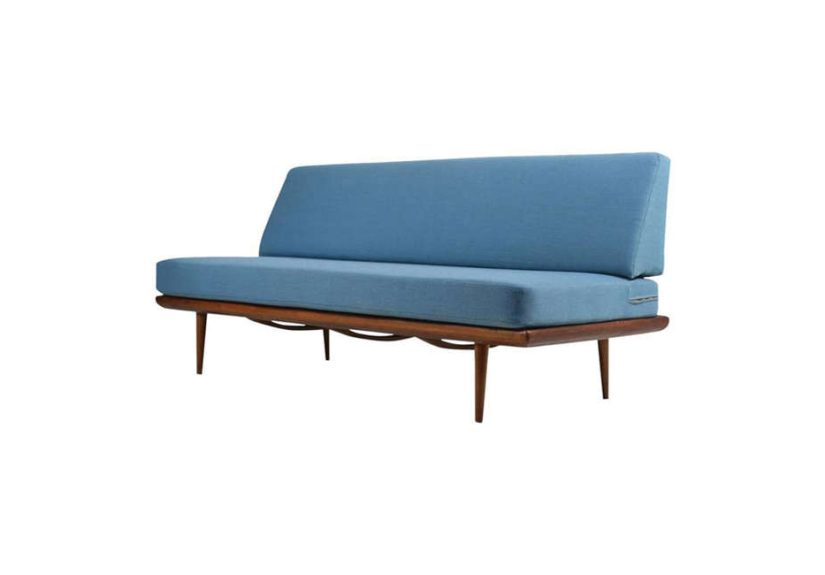
A Danish Modern daybed from the 1960s is the rare piece of furniture that can pull off three jobs at once:
sofa, guest bed, and “I have my life together” design statement. It’s minimalist without feeling sterile,
warm without being fussy, and practical without shouting, “HELLO I TRANSFORM.” (It whispers it politely, in teak.)
If you’ve ever wanted your living room to double as a nap station and a tiny design museum, the 1960s Danish Modern
daybed is basically your patron saint. Let’s break down what makes it special, how to spot a good one, and how
to live with it without treating it like a sacred artifact that no one is allowed to sit on.
What “Danish Modern” meant in the 1960s
Form, function, and a talent for looking calm
Danish Modern grew out of a design culture that prized clean lines, thoughtful craftsmanship, and everyday usability.
The best pieces feel almost inevitablelike someone removed everything unnecessary until only the “right” shape remained.
In the 1960s, this approach hit a sweet spot: modern enough for postwar optimism, warm enough for real homes, and built
well enough to survive decades of coffee cups, kids, pets, and the occasional moving-day tragedy.
Natural materials, honest construction
The movement leaned heavily on beautifully grained woods (especially teak and oak), tight joinery, and details that
reward a closer look. You’ll often find edges softly rounded to the touch, legs that taper like they’re quietly
leaving the party early, and joints that are either showcased as craftsmanship or hidden so cleanly you’ll suspect
sorcery.
Why the daybed became a Danish Modern power move
The original small-space “flex”
Long before “small-space living” became a content category, Scandinavian designers were already solving the problem:
make one object do more than one thingwithout looking like it belongs in a college dorm. Daybeds fit perfectly into
that logic. By day, they’re seating with a sleek silhouette; by night, they become a legit sleeping surface (often
more bed-like than the average sleeper sofa setup).
A good Danish Modern daybed doesn’t try to be everything. It simply does the two things it promiseslounging and sleeping
with a sort of quiet confidence. Like a person who owns matching socks.
Signature features of a 1960s Danish Modern daybed
1) The wood story: teak, oak, and sometimes rosewood
In the 1960s, teak was the superstarwarm-toned, refined grain, and naturally oily enough to hold up well over time.
Oak also shows up frequently, often lighter and more “architectural” in vibe. Rosewood appears too, especially on higher-end
pieces, though it’s less common and more regulated today in terms of trade and sourcing.
One important reality check: many authentic Danish pieces use veneer over stable cores (especially on broad surfaces)
because it’s practical, reduces warping, and allows gorgeous grain matching. Veneer isn’t automatically “cheap”bad veneer is cheap.
Well-done veneer is just… responsible adulthood.
2) Cane and woven details that breathe
Cane (often on backrests or side panels) shows up a lot in Danish Modern seating because it adds texture, lightness, and ventilation.
On daybeds, cane can make the piece feel visually lighterless “block of furniture,” more “floating platform of good taste.”
Plus, it plays beautifully with wool, linen, or bouclé upholstery.
3) Legs you can (almost) draw with one line
Look for tapered legs, clean angles, and a stance that feels stable but not heavy. Many Danish Modern daybeds sit higher than
chunky modern sleepers, which makes them easier to clean under and helps them feel less bulky in a room.
4) Joinery that’s either discreet or deliciously obvious
Danish makers loved smart constructionmortise-and-tenon joints, dowels placed with intention, and frames that feel engineered
rather than just assembled. Many pieces hide joints so the silhouette stays clean; others feature subtle reveals that
quietly announce, “Yes, someone knew what they were doing.”
5) The “daybed math”: seating depth + sleepability
A daybed has to work as a couch and as a bed. That means cushions and frames are designed for extended lounging, but with
enough support to actually sleep. Some models are more sofa-like (great for chatting and reading); others feel more like a
twin-ish sleeping platform disguised as seating (great for guests and naps). The best ones do both without compromise.
Iconic examples to know (and why they matter)
Hans J. Wegner for GETAMA: the GE-258 daybed
If Danish Modern had a “hall of fame,” Hans J. Wegner would have his own wingand probably a bench you’d accidentally fall
asleep on. The GE-258 is a classic daybed/sofa form associated with Wegner and GETAMA, often described in oak or teak with a
cane (wicker) backrest in early versions. It’s the kind of design that looks simple until you notice how perfectly everything
lines up, how balanced the proportions are, and how the details refuse to be flashy.
Why it matters: it shows the Danish Modern superpowercomfort and clarity, without clutter. It also illustrates how cane and
wood can feel both cozy and architectural at the same time.
Peter Hvidt & Orla Mølgaard-Nielsen: FD451 for France & Daverkosen
Hvidt & Mølgaard designs often feel light, smart, and impeccably resolved. The FD451 daybed is frequently associated with
a teak frame and woven details, plus loose cushions that make it inviting rather than precious. It’s Scandinavian Modern at its
most charming: airy, tidy, and still clearly meant for humans.
Why it matters: it’s a case study in “soft minimalism”how to keep lines clean while still feeling warm and livable.
The “Minerva” daybed/sofa: Danish Modern for the U.S. market
In the mid-century era, Danish design wasn’t just admired in the U.S.it was imported, licensed, and distributed through
recognizable names in American furniture retail. One example seen on the vintage market is a Danish Modern teak “Minerva”
daybed/sofa attributed to Peter Hvidt for John Stuart, often described as a compact, highly functional piece suitable for
smaller rooms.
Why it matters: it highlights how Danish Modern entered American homessometimes as pure imports, sometimes through partnerships
and distribution that made Scandinavian design more accessible stateside.
Børge Mogensen and the “first-generation daybed” idea
Børge Mogensen’s work is often described as practical, durable, and groundeddesign that looks good today and still makes
sense tomorrow. Daybed-like sofas with adaptable arms or sides reflect that mindset: furniture that can change posture depending
on how you live. The takeaway isn’t just a single model; it’s the philosophy that comfort and flexibility belong in the same room
as craftsmanship.
How to shop for a vintage Danish Modern 1960s daybed (without getting “Danish-ish”)
Start with the basics: provenance, construction, and condition
-
Look for labels, stamps, or maker’s marks on the underside or frame. Not every authentic piece is marked,
but a credible mark can support authenticity. - Check joinery and frame sturdiness: wobble is not “patina.” A good frame should feel tight and confident.
-
Inspect the wood surface for water rings, sun fading, and uneven sheen. These aren’t always deal-breakers,
but they affect restoration cost and effort. - Evaluate cane/rattan for breaks, sagging, or brittle strands. Re-caning is possible but should be priced into the purchase.
- Ask about upholstery history: original fabric can be a bonus, but many owners reupholster for hygiene, color, or durability.
Measure like you mean it
A daybed that looks “perfectly proportioned” online can become “why is there no walkway?” in real life. Measure:
- Overall width and depth (and compare to your wall space and traffic paths).
- Seat height (too low can feel lounge-y; too high can feel perch-y).
- Clearance behind/around if it has any conversion movement or needs space for pillows/throws.
Know the most common deal-breakers
- Severe veneer damage on large surfaces (bubbling, lifting, deep chips).
- Frame cracks at joints (especially where arms/sides meet the base).
- Warped components that prevent cushions or mechanisms from aligning properly.
- Bad “restorations” (over-sanded edges, thick glossy poly that kills the original character).
How to style a Danish Modern daybed so it looks intentional (not like a couch that gave up)
Pillows: fewer, bigger, better
Danish Modern thrives on restraint. Instead of piling on ten small pillows that migrate to the floor by 9:03 PM, try
two or three larger pillows in textured solids, plus one accent pillow with a subtle pattern. Add a throw that looks
casually tossedbut yes, you did toss it on purpose.
Mix materials the Scandinavian way
Pair teak/oak with wool, linen, bouclé, or leather. Cane looks great with nubby textiles. If the frame is warm teak,
cooler-toned fabrics (gray, slate, creamy white, muted blue) can balance it. If it’s oak, warmer textiles (camel, rust,
olive) can keep it from feeling too stark.
Let it breathe
Danish Modern pieces look best when they have a little negative space around them. Avoid pushing the daybed into a corner
that makes it feel trapped. Give it a side table, a lamp, and enough room to look like it chose this life.
Care and upkeep: keeping teak handsome without overdoing it
Cleaning that won’t sabotage the finish
- Dust regularly with a soft cloth (microfiber works well).
- For grime, use a mild soap solution and a damp (not wet) cloth, then dry immediately.
- Avoid silicone-heavy sprays that can leave residue and complicate future refinishing.
Oil finish vs. lacquer finish (why it matters)
Some teak pieces were maintained with oils; others were finished with lacquer. If you’re not sure which you have,
test in an inconspicuous area or consult a furniture restoration professional before applying oils. Oiling a lacquered
surface can create a sticky messlike moisturizing your phone screen. Technically possible, emotionally regrettable.
Upholstery reality
Vintage cushions can be glorious… or they can be a time capsule you’d rather not open. If you reupholster, consider keeping
the silhouette close to original (clean lines, tailored seams) and choosing durable fabrics like wool blends or high-quality
performance textiles that still look period-appropriate.
Buying one today: what you’re really paying for
With vintage Danish Modern daybeds, the price isn’t just about “a place to sit.” It’s about:
- Design pedigree (known designer/maker vs. anonymous).
- Material quality (solid wood, well-executed veneer, intact cane).
- Condition and restoration quality (original, properly restored, or “Pinterest restored”).
- Provenance and documentation (labels, records, credible seller history).
The good news: even if you’re not chasing a museum-level piece, you can still find daybeds with strong Danish Modern DNAclean lines,
great woodwork, and comfortat more approachable price points.
Final thoughts: why the 1960s Danish Modern daybed still wins
Trends come and go, but the Danish Modern 1960s daybed keeps earning its place because it solves real problems elegantly.
It’s space-smart. It’s comfortable. It ages well. And it makes a room feel curated without looking like you tried too hard.
(Which, honestly, is the dream.)
Real-life experiences with a Danish Modern 1960s daybed (the part no showroom tells you)
Owning a vintage Danish Modern daybed is a lot like adopting a very handsome dog: everyone compliments it, it becomes the center of
attention, and you suddenly care about things you didn’t know were “a thing.” For example, you will learn the difference between “dust”
and “the kind of dust that looks like it’s personally attacking teak grain.” You will also develop opinions about throw pillows. Strong opinions.
The first experience most people have is the “wait… this is actually comfortable” moment. In photos, Danish Modern daybeds can look a bit
formallike they might hand you a tiny espresso and ask you to speak softly. But in real life, they’re often excellent for lounging because
the proportions were designed for long, relaxed sitting. You don’t perch on a Danish daybed; you settle into it. It’s where you start reading
“just one chapter” and wake up an hour later with the book on your chest like a very polite nap accident.
Then comes the social effect. A daybed is an invitation. Friends will gravitate to it during gatherings because it feels less rigid than a sofa and
more like a conversation zone. Someone will sit sideways. Someone will put their feet up. Someone will say, “Okay, I get it now.”
And if you have a guest staying over, the daybed becomes your MVPespecially if you style it like a sofa during the day and convert it at night
with minimal fuss. Guests love not feeling like they’re sleeping on a “backup plan.”
The third experience is “maintenance enlightenment.” Vintage wood teaches you patience. You’ll notice sunbeams and start repositioning the daybed
like you’re protecting a Renaissance painting. You’ll become the kind of person who uses coasters and means it. And if you ever reupholster,
you’ll understand why people describe it as both exciting and mildly existential: you’re choosing a fabric that could be in your home for a decade
(or two). Many owners end up going with textured neutralswool, bouclé, or linen-like weavesbecause they honor the era while making the daybed easy
to live with. The right upholstery makes the frame look sharper, the whole piece look cleaner, and your room look like it has a plan.
There’s also the “vintage detective” phase. You’ll flip the daybed over (carefully, with help, while making the face of someone lifting a priceless relic)
to look for stamps, labels, or marks. You’ll compare leg shapes. You’ll squint at joinery. You might even take a close-up photo of cane weaving like you’re
documenting wildlife. And when you finally confirm a maker, a model, or even a credible origin story, it feels strangely satisfyinglike you didn’t just buy
furniture, you rescued a chapter of design history.
The best part, though, is how a Danish Modern daybed changes the rhythm of a room. It makes space feel calmer. It encourages slower momentscoffee, music,
reading, a mid-afternoon lie-down you will absolutely justify as “back support.” It’s functional, yes, but it’s also a mood. And in a world full of loud,
complicated things, a quiet piece of 1960s Danish design that can host both friends and naps is honestly a little bit magical.