Table of Contents >> Show >> Hide
- Old Faithful Shop, Explained Like You’re Texting a Friend
- Why a Second Location, and Why Kitsilano?
- The Design of the New Shop: Serene, Not Sleepy
- What You’ll Find on the Shelves: From Small Essentials to Icon Pieces
- Why This Matters: The Bigger Shift in Modern Retail
- Old Faithful’s Aesthetic: Japandi, But Make It Livable
- What to Buy First (If You’re New) vs. What to Save Up For (If You’re in Deep)
- Lessons for Retailers and Designers (Yes, You Can Steal These)
- 500-Word Experience Add-On: A Visit That Feels Like a Mini Vacation
Some stores feel like errands. You walk in, grab the thing, walk out, forget it existed five minutes later.
Old Faithful Shop is the opposite. It’s the kind of place where you stop “just to browse” and somehow leave
with a copper dishcloth, a book you didn’t know you needed, and a quiet confidence that your kitchen is now
officially a lifestyle.
In late 2021 into early 2022, Vancouver’s Old Faithful Shop expanded beyond its original Gastown home and
opened a second location in Kitsilanospecifically on West 4th Avenue, a stretch that’s basically a runway
for good taste, good shoes, and very disciplined neutrals. This wasn’t a loud, flashy “look at us” kind of
expansion. It was more like the store’s entire brand ethosreliable, calm, and built-to-lasttranslated into
real estate.
Old Faithful Shop, Explained Like You’re Texting a Friend
Old Faithful Shop started in Vancouver’s historic Gastown neighborhood in 2010, built around an idea that
feels almost radical in 2026: buy fewer things, buy better things, and actually enjoy using them every day.
The shop’s name isn’t subtle about its mission. “Old Faithful” is shorthand for dependable essentials and
attentive servicethe retail equivalent of a friend who shows up on time and brings snacks.
The story behind it is refreshingly human. Owner Walter Manning grew up around the community-minded logic
of general stores. The modern twist is what he curates: contemporary Scandinavian and Japanese design, with
a focus on objects that pull their weighttools and textiles that work hard, and furniture and lighting that
won’t feel outdated the second the internet discovers a new “core.”
Why a Second Location, and Why Kitsilano?
Let’s be honest: opening a second brick-and-mortar store is not the obvious choice in a world where you can
buy a chair from your phone while standing in line for coffee. But that’s exactly why it works when a retailer
does it with intention.
Kitsilano is a smart match for Old Faithful’s personality. The neighborhood has that coastal easenear the
beach, walkable, full of people who care about how things are made and how their homes feel. West 4th Avenue,
in particular, is a place where “shopping” often means “strolling,” and strolling is basically a
pre-commitment to being charmed.
There’s also a practical, community-driven logic here: a second location lets a beloved shop become part of
more people’s weekly routines. It turns a destination store into a neighborhood store. And neighborhood stores
are the ones you keep alivebecause you’re not just buying a lamp; you’re buying into a place that makes your
city feel like a city.
The Design of the New Shop: Serene, Not Sleepy
The Kitsilano location didn’t arrive dressed like a trend report. Instead, it leans into what Old Faithful does
best: calm, warm minimalism that makes products look good without turning the room into a sterile showroom.
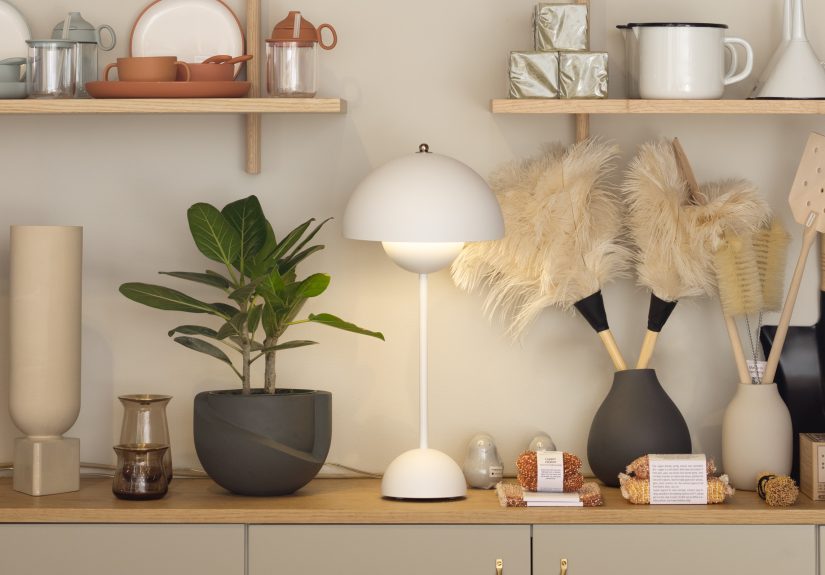
Think soft beiges and grays, blonde oak, and a layout that encourages slow browsingthe retail version of a deep
breath.
The team reportedly approached the space with a hands-on mindsetdesigning and fabricating fixtures themselves.
That matters because store fixtures are never “just fixtures.” They’re the skeleton of the shopping experience.
When they’re thoughtfully made, you feel it: sightlines make sense, objects feel approachable, and the whole
space becomes a kind of quiet editor, guiding you toward “this will last” instead of “this will clutter.”
Retail lighting is basically therapy (if it’s done right)
Lighting in a design store is a delicate game. Too harsh and everything feels like it’s being interrogated.
Too moody and you can’t tell if the ceramic is warm white or “I accidentally bought beige again.”
Old Faithful’s approach favors an inviting, lived-in glowenough clarity for evaluating materials, enough warmth
to make you imagine the object already at home.
What You’ll Find on the Shelves: From Small Essentials to Icon Pieces
Old Faithful’s charm is range. It’s not a store that only works if you’re renovating your entire living room.
You can come in with “I need something practical” energy and still find yourself in a very tasteful dilemma.
On the accessible end: humble-but-beautiful household tools. The kind of items that upgrade your day without
demanding a lifestyle overhaul. A dishcloth can be “just a dishcloth,” surebut in a place like this, it becomes
a tiny vote for craftsmanship, durability, and the belief that even chores deserve decent design.
Then there’s the deep end of the pool: recognizable modern design pieces, like iconic lighting that’s been
loved for decades. Old Faithful is good at connecting those worldsso the store doesn’t feel like a museum or
a bargain bin. It feels like a curated home where the objects have jobs and personalities.
Signature categories you can expect
- Home goods that skew functional and durable: kitchen tools, textiles, everyday hardware for living well.
- Furniture and lighting with a Scandinavian-Japanese sensibility: clean lines, warm woods, honest materials.
- Tableware that makes even leftovers feel intentional.
- Scent and small luxuries that turn “I’m home” into a mood.
- Books and objects that feel like they were chosen by someone with a real point of view (because they were).
Brand-wise, the shop is known for carrying a blend of Scandinavian and Japanese makers alongside other global
design names. If “Japandi” is your love languageminimal, earthy, organic, quietly cozythis is the kind of store
that makes your Pinterest board feel seen.
Why This Matters: The Bigger Shift in Modern Retail
Old Faithful opening a second Vancouver location isn’t just a neighborhood headlineit’s a signal about what
’s still valuable in physical retail. The future of stores isn’t about having more stuff. It’s about offering
a better way to choose.
Here’s what concept-driven design stores do that algorithms can’t:
1) They turn shopping into editing
Online shopping gives you infinite options. Real-life shopping gives you context. A good store does the
filtering workcuration becomes a form of trust. You don’t walk in expecting to see everything; you walk in
expecting to see what’s worth seeing.
2) They sell “feel” as much as function
Touch matters. The weight of a utensil, the texture of linen, the finish on woodthese are the details that
decide whether something feels like a long-term companion or a short-term fling. Design retail thrives because
people still want to experience materials in person before committing.
3) They build community without forcing it
The best independent retailers don’t manufacture “community” with neon signs that say COMMUNITY.
They earn it by being consistent. You return because the experience is reliably good: helpful staff, calm space,
products that don’t betray you after three uses, and a sense that your purchase actually means something.
Old Faithful’s Aesthetic: Japandi, But Make It Livable
Japandi gets tossed around a lot, sometimes as shorthand for “beige, but expensive.”
In reality, the best version of this aesthetic is more grounded: a blend of Scandinavian warmth and Japanese
simplicity, with an emphasis on natural materials, sustainability, and objects that earn their place through
function and craft.
Old Faithful’s appeal is that it doesn’t treat the aesthetic like a costume. The store’s calm palette and
careful product selection support a way of living: fewer distractions, more intentional choices, and a home
that feels restful rather than performative.
What to Buy First (If You’re New) vs. What to Save Up For (If You’re in Deep)
If you’re new: start small, start useful
- Kitchen tools that feel better in your hand than the ones you already own.
- Textiles (dish towels, throws, linen essentials) that make daily routines feel less like chores.
- One scenta candle or cologne that becomes your “home signature.”
- Tableware that upgrades weeknight meals without requiring a dinner party.
If you’re committed: invest in pieces with long horizons
- Lighting that changes the entire mood of a room.
- Furniture with timeless form and materials you’ll still like in ten years.
- Workshop-made or limited pieces that reflect the store’s point of view (and often age beautifully).
The fun of Old Faithful is that “small” purchases don’t feel like consolation prizes. They feel like
entry points. You can build your home slowly, piece by piece, without the weird pressure to redecorate your
entire identity in one weekend.
Lessons for Retailers and Designers (Yes, You Can Steal These)
If you’re watching this expansion with professional curiositymaybe you design retail spaces, run a shop, or
just like analyzing why certain places feel magneticOld Faithful offers a masterclass in quiet strategy.
Design the experience, not just the layout
A store’s floor plan is not the experience. The experience is pacing, mood, and confidence. When fixtures,
lighting, and product selection align, the customer relaxesand relaxed people browse longer, notice more,
and buy with less regret.
Curation is a business model
Curation isn’t “having taste.” It’s having a point of view strong enough to say no to 90% of what you could
sell. That restraint is what makes a store feel trustworthyand trust is what makes people return instead of
treating you like a one-time novelty.
Neighborhood fit beats hype
The Kitsilano move makes sense because it matches how people live there: walkable errands, design-minded homes,
and a preference for quality over loud branding. A second location works best when it’s not a copy-paste of the
first, but a translation into a new community.
500-Word Experience Add-On: A Visit That Feels Like a Mini Vacation
Picture a Saturday in Kitsilano where you’re “just going for a walk,” which is adult code for “I would like
to buy something small and pretend it’s self-care.” You’re on West 4th Avenue, and the street has that
easy-breezy rhythm: coffee cups, dogs with strong opinions, and storefronts that look like they were styled by
someone who alphabetizes their books and also somehow has fun.
You step into Old Faithful Shop and your shoulders drop half an inch immediatelypartly because the space is
serene, partly because nothing is screaming at you to “BUY NOW,” and partly because the lighting makes everyone
look like they sleep eight hours. The palette is warm and quiet: soft neutrals, blonde wood, and displays that
feel intentional rather than crammed. It’s not minimalism for minimalism’s sake. It’s minimalism that makes room
for your brain to wander.
The first thing you notice is how the store encourages a slower pace. You don’t feel rushed. You don’t feel
judged for picking something up and putting it back down. You start by touching practical itemstextiles, tools,
small objects that seem ordinary until you feel the difference in weight and finish. A dish towel looks like a
dish towel until you realize it’s the kind that doesn’t twist into a sad rope after two washes. A kitchen tool
looks simple until you hold it and think, “Oh. This is why people care.”
Then you drift into the part of the store that quietly upgrades your ambitions. You start imagining a lamp in
the corner of your living room, not because you need it, but because it would make winter evenings feel less
like a spreadsheet. You notice how objects are staged with restraintenough styling to show possibility, not so
much that it becomes a museum. You can actually picture these pieces in a real home where someone eats cereal
over the sink sometimes. The dream is elevated, but it’s not delusional.
The best part is leaving with something that feels oddly meaningful, even if it’s small. Maybe it’s a candle
that makes your entryway smell like you have your life together. Maybe it’s a beautifully made tool you’ll use
every day. Whatever it is, the purchase feels less like impulse and more like a tiny design decision that will
pay you back. And when you walk out into the Kitsilano airbeach not far, mountains doing their dramatic thing
in the distanceyou get that rare post-shopping feeling: not “what did I just do,” but “that was actually nice.”
That’s the real magic behind Old Faithful’s second location. It’s not just another store. It’s a place that
makes everyday life feel a little more consideredwithout demanding that you become a different person to enjoy
it.