Table of Contents >> Show >> Hide
- Why White Kitchens Still Have Staying Power
- 1. Layered Texture Is What Makes White Feel Rich Instead of Flat
- 2. Warm Wood Tones Keep a White Kitchen from Feeling Cold
- 3. Distinctive Hardware and Metal Finishes Add Personality
- 4. Lighting and Contrast Create the Focal Points a White Kitchen Needs
- What Makes a White Kitchen Look Dull in the First Place?
- How to Pull It All Together Without Overdoing It
- Real-Life Experience: What People Learn After Living With a White Kitchen
- Final Thoughts
- SEO Tags
White kitchens have been declared dead, overdone, boring, too safe, too crisp, too clinical, and probably guilty of making your coffee taste judgmental. And yet, they keep showing up in beautiful homes, smart remodels, and dream-kitchen mood boards for one simple reason: when done well, a white kitchen still works.
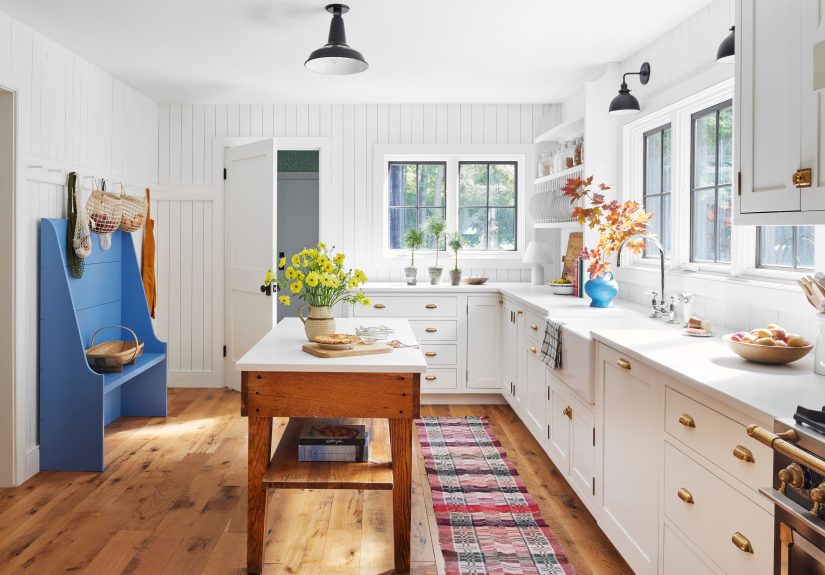
The secret is that the best white kitchens are almost never just white. They are layered, warmed up, softened, grounded, and given a little personality so they feel collected instead of copied. Designers keep coming back to white because it reflects light, stretches small rooms visually, and gives a kitchen a timeless foundation. But they also know that a blank canvas can turn bland fast if every surface looks flat, shiny, and identical.
That is where the details matter. The difference between a white kitchen that feels custom and one that feels like a showroom waiting for a personality transplant often comes down to a handful of smart design moves. Think tactile surfaces, natural wood, hardware with character, and lighting that does more than simply help you locate the cereal.
If you love the bright, fresh appeal of a white kitchen but do not want it to read cold or forgettable, these are the four details designers say make all the difference.
Why White Kitchens Still Have Staying Power
Before we get into the details, it helps to understand why white kitchens remain so popular. White cabinetry and light surfaces make a room feel airy, clean, and flexible. They work with modern, classic, farmhouse, coastal, transitional, and even minimalist styles. White also plays nicely with future updates. You can swap out stools, pendants, hardware, paint, rugs, or art without needing to rebuild the whole room.
But that flexibility is exactly why many white kitchens end up looking unfinished. If every surface is the same tone and sheen, the room can feel one-note. A successful white kitchen needs contrast, depth, and a sense of intention. Designers are not abandoning white as much as they are teaching it better manners.
1. Layered Texture Is What Makes White Feel Rich Instead of Flat
The first detail designers rely on is texture. In a white kitchen, texture does the heavy lifting that color might do in another room. Without it, white cabinets, white counters, and white walls can blur together into one giant marshmallow. Cute in theory. A little sleepy in practice.
Texture gives the eye somewhere to land. It introduces movement, shadow, and subtle variation without disrupting the calm look that makes white kitchens appealing in the first place. This can show up in many ways: handmade zellige tile with uneven shine, fluted island paneling, beadboard details, honed or leathered stone, plaster-style range hoods, woven shades, linen cafe curtains, upholstered counter stools, or a runner that brings in softness underfoot.
How texture changes the mood of a white kitchen
When the finishes in a kitchen all match too closely, the room can feel sterile. Texture breaks that pattern. A glossy subway tile backsplash reflects light differently than matte painted cabinets. A honed countertop feels softer and more relaxed than a polished slab. A woven pendant or natural-fiber shade adds a casual note that keeps the room from looking too precious.
Even small choices make a difference. Cabinet hardware with backplates, a ribbed glass pantry door, a Roman shade in a nubby fabric, or bar stools wrapped in leather can create depth without adding clutter. In a white kitchen, texture is often the thing that makes the space feel finished, expensive, and lived in rather than newly unboxed.
Best ways to add texture without making the room busy
The trick is to mix surfaces that contrast gently. Pair smooth shaker cabinets with handmade tile. Combine sleek quartz with warm oak shelving. Add a soft runner if the room has a lot of hard finishes. Choose one or two textural moments and let them stand out rather than piling on every trend at once. The goal is calm dimension, not a materials convention.
2. Warm Wood Tones Keep a White Kitchen from Feeling Cold
If texture is the first secret weapon, wood is the second. Designers repeatedly use warm wood tones to keep white kitchens from feeling icy or overly polished. White on its own can look beautiful, but it can also feel a little like a room where everyone is afraid to set down a mug. Wood instantly relaxes the mood.
This warmth can come from many places: white oak flooring, walnut stools, a stained island, floating shelves, ceiling beams, a vent hood wrapped in wood, butcher-block accents, or even smaller details like cutting boards left out on the counter. The beauty of wood is that it adds visual warmth and natural variation at the same time. No two grains are identical, which helps a white kitchen feel more organic and less manufactured.
Why designers love the white-and-wood combination
White and wood is one of the most dependable combinations in kitchen design because it strikes a balance between brightness and comfort. White keeps the room fresh. Wood keeps it human. Together, they create a space that feels timeless without feeling plain.
This pairing also works across styles. In a modern kitchen, pale oak can soften sharp lines and slab-front cabinetry. In a farmhouse kitchen, reclaimed beams or a butcher-block island can add history and patina. In a coastal kitchen, white cabinetry with light wood stools or shelves feels breezy and relaxed. The formula changes, but the effect is the same: warmth.
Where to add wood for the biggest impact
A contrasting island is often the most effective move because it creates a focal point while breaking up a sea of white cabinetry. Open shelves are another popular option, especially when styled lightly with dishes, bowls, or everyday items. Flooring matters too. If your white kitchen already has white cabinets and pale counters, wood floors can anchor the room and keep it from floating away visually like a very organized cloud.
And no, not every wood detail must match. Slight variation often feels more natural. The kitchen is supposed to feel layered, not as if every tree in the forest signed the same contract.
3. Distinctive Hardware and Metal Finishes Add Personality
In many white kitchens, hardware is the jewelry. It is also one of the easiest ways to keep the room from looking generic. Designers love using cabinet pulls, knobs, faucets, pot rails, shelf brackets, and even vent-hood trim to inject character into an otherwise neutral space.
Brass has long been a favorite because it warms up white cabinetry beautifully. Unlacquered brass is especially loved for its evolving patina, which adds age and softness over time. Polished nickel offers a more tailored, classic feel. Matte black creates contrast in modern or Scandinavian-inspired kitchens. Even chrome, when used thoughtfully, can feel crisp and elegant rather than cold.
Why hardware matters more in a white kitchen
When cabinetry blends into the walls and countertops, hardware stands out more. That means it can either elevate the room or disappear into it. Standard builder-grade pulls rarely do a white kitchen any favors. More considered hardware, however, can help define the room’s style. Sleek linear pulls lean modern. Bin pulls hint traditional. Knurled finishes feel refined. Oversized handles can add drama on pantry doors. Backplates bring extra detail without overwhelming the cabinets.
Metal finishes also help create rhythm in the room. A faucet that echoes the pendants, or cabinet hardware that nods to shelf brackets or bar stool frames, makes the design feel connected. The kitchen starts to read like a composition instead of a pile of separate decisions made during a caffeine emergency.
Should you mix metals in a white kitchen?
Yes, but do it with purpose. Designers often mix metals to avoid a too-perfect look. For example, you might pair a brass faucet with black pendants or use polished nickel hardware with stainless appliances. The key is repetition. If one finish appears only once, it looks accidental. If it appears in at least two or three places, it feels intentional and collected.
4. Lighting and Contrast Create the Focal Points a White Kitchen Needs
The fourth detail is lighting, especially when it introduces shape, scale, and contrast. A white kitchen with weak lighting can feel flat no matter how expensive the cabinetry is. But a white kitchen with sculptural pendants, layered task lighting, and a few darker or more distinctive accents suddenly has energy.
Designers often treat lighting as both function and decoration. Pendants above an island can act like visual punctuation. Sconces by a window or range can add charm and warmth. Under-cabinet lighting reduces shadows and makes prep areas more practical. Toe-kick lighting can even add a subtle glow that softens the room at night.
How contrast keeps white kitchens interesting
Contrast is what prevents the space from reading as a single blank field. This does not necessarily mean a dramatic black-and-white scheme, though that can work beautifully. Contrast can come from a stained island, a darker range hood trim, a patterned backsplash, a painted ceiling, artwork, or stools in leather, cane, or a deep color.
Backsplashes are especially useful here. Even when they stay in the white family, a different tile shape, sheen, or grout color can add depth. Handmade tile, marble slab backsplashes, chevron layouts, and subtle patterns all help break up monotony. Designers also love creating an accent around the range wall or island because those are natural focal points in the kitchen.
Choose lighting that does more than disappear
If your pendants are tiny, bland, or visually lost against a white ceiling, the kitchen misses an opportunity. Lighting in a white kitchen should either bring sculptural interest, material contrast, or both. Think woven shades, metal domes, glass globes, plaster forms, or linen-covered shades. The right fixture can make the whole room feel more custom without changing the actual layout.
What Makes a White Kitchen Look Dull in the First Place?
Usually, it is not the white itself. It is the lack of variation. A dull white kitchen often has cabinets, backsplash, counters, and walls that all blend together in tone and finish. The lighting is purely functional. The hardware is forgettable. There is no warmth, no contrast, no texture, and no focal point.
Another common mistake is choosing a white that is too stark for the room. Some spaces benefit from creamy whites or warmer undertones, especially if the kitchen does not get much natural light. A bright, icy white can work, but only when balanced by warmer materials and thoughtful styling. White kitchens are forgiving in many ways, but they are not magic. They still need a little chemistry.
How to Pull It All Together Without Overdoing It
The best white kitchens do not rely on one giant statement. They layer a series of smaller smart decisions. Start with your white foundation, then ask what the room needs more of. If it feels cold, add wood. If it feels flat, add texture. If it feels generic, upgrade the hardware. If it feels lifeless, improve the lighting and create a focal point.
There is also no rule that says all four details must be dramatic. A white kitchen can be quiet and still have personality. A pale oak island, a handmade tile backsplash, unlacquered brass pulls, and two well-scaled pendants may be all it takes. The room still reads white, but it no longer feels anonymous.
That is the real lesson from designers: white kitchens are not boring by default. They are only boring when the details are lazy.
Real-Life Experience: What People Learn After Living With a White Kitchen
Here is the part that rarely makes it onto the glossy inspiration board: living with a white kitchen teaches you that beauty is one thing, but atmosphere is another. Many homeowners fall in love with white kitchens because they look bright, open, and timeless in photos. Then they move in and realize that a room can be technically beautiful and still feel a little emotionally chilly if the details are not pulling their weight.
One of the most common experiences people describe is that their kitchen looked bigger right away, but also a little too pristine. It had the energy of a boutique hotel lobby where you are not sure whether you are allowed to touch anything. That feeling usually changes once the room gets layered with the right elements. A wood island starts to ground the space. A runner softens the floor. Brass hardware adds warmth. Suddenly the room feels like somewhere you can cook spaghetti without apologizing to the cabinets.
Another lived experience is that white kitchens reveal lighting mistakes very quickly. In daylight, everything looks fresh and airy. At night, however, the room can fall flat if there is only one overhead fixture blasting the space like an interrogation room. People who add under-cabinet lighting, statement pendants, or warm sconces often say their kitchen becomes much more inviting after sunset. It stops feeling like a workspace and starts feeling like part of the home.
Homeowners also learn that texture matters more than they expected. On paper, smooth white cabinets, polished counters, and sleek tile sound elegant. In real life, that combination can feel a little too slick, especially if the room already has stainless appliances and hard flooring. Adding a woven shade, upholstered stools, handmade tile, or a matte finish changes the experience of the room. It becomes softer and more forgiving. The kitchen still looks clean, but not in a way that suggests you are one breadcrumb away from failure.
Wood is another detail people tend to appreciate more over time. At first, a stained shelf or oak island may seem like a supporting actor. A few months later, it often becomes the part everyone loves most. That is because natural materials age gracefully. They develop character, bring warmth through every season, and make white cabinetry feel less like a trend and more like a backdrop for real life.
Perhaps the biggest lesson is that white kitchens perform best when they reflect the people using them. The ones that age well are not the rooms trying hardest to look perfect. They are the ones with a little contrast, a little texture, and a little evidence of personality. A stack of cutting boards, a vintage runner, a beautiful pendant, or hardware with patina can do more for the soul of the room than another square foot of white quartz ever could. In the end, the best white kitchens are not memorable because they are white. They are memorable because they feel warm, layered, and alive.