Table of Contents >> Show >> Hide
- What Counts as “Everyday Flatware”?
- The Big Decision: Stainless Steel (Usually) Wins
- Feel Matters: Weight, Balance, and Ergonomics
- Knives Are Different: Forged vs. Stamped and Handle Construction
- Finish and Style: Mirror vs. Satin (and Why Your Dishwasher Has Opinions)
- How Many Pieces Do You Actually Need?
- Everyday Flatware Care: How to Keep It Nice Without Becoming a Cutlery Monk
- Budget vs. Value: Where to Spend (and Where to Chill)
- Made-in-USA and Sustainability Notes (If That Matters to You)
- Quick Checklist: Choosing the Right Everyday Flatware
- Conclusion: Everyday Flatware That Fits Your Life
- Experiences With Everyday Flatware (About )
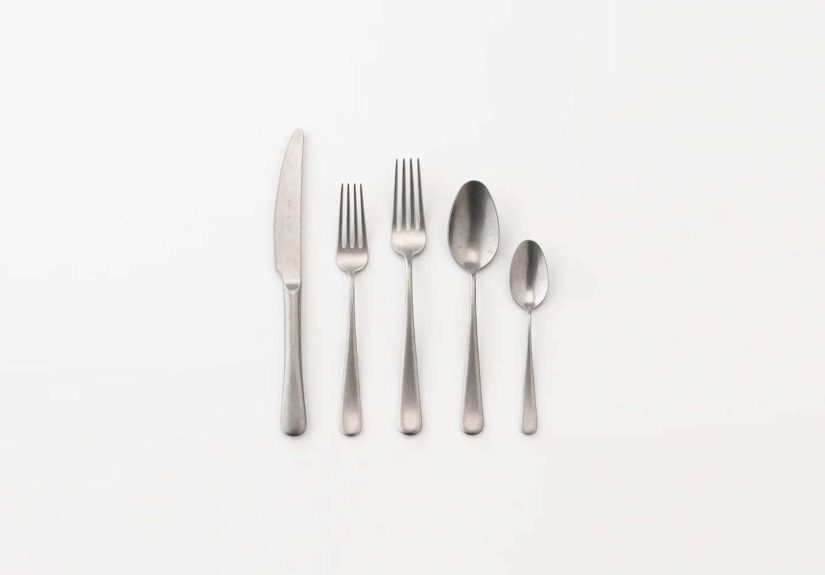
Everyday flatware is the unsung hero of the kitchen: it shows up for cereal, takeout pad thai, birthday cake, and that “oops we’re out of clean forks” moment that builds character. The best sets feel good in your hand, survive real-life dishwashers, and don’t start looking like they fought a garbage disposal after three weeks.
This guide breaks down what actually matters when buying stainless steel flatware for daily usemetal grades, weight, knife construction, finishes, and careso you can choose a set you’ll still like when you’re eating leftover pizza on day 700.
What Counts as “Everyday Flatware”?
Everyday flatware is the set you’re comfortable using for nearly everything: casual meals, quick snacks, weeknight dinners, and hosting friends without swapping to “company silverware.” It should be:
- Durable: Resists bending, scratching, and corrosion.
- Comfortable: Balanced, not awkwardly heavy or flimsy.
- Low-maintenance: Ideally dishwasher-safe and easy to keep looking good.
- Replaceable: Either sold as open stock (buy one spoon at a time) or common enough to find matching pieces later.
The Big Decision: Stainless Steel (Usually) Wins
Most modern “silverware” isn’t actually silver, and that’s a good thing for everyday life. Stainless steel flatware is popular because it’s rust-resistant, doesn’t require polishing, and handles dishwashers well when you follow a few basic rules. If you want “use it and forget it” energy, stainless is the default choice.
Stainless Steel Grades: 18/10 vs 18/8 vs 18/0 (In Human Terms)
You’ll often see numbers like 18/10 stamped on packaging. These refer to the approximate percentage of chromium and nickel in the steel. The “18” is chromium (helps stainless resist corrosion), and the “10” is nickel (improves corrosion resistance and helps keep a brighter shine). In general:
- 18/10 stainless steel: Often considered the premium everyday optionexcellent corrosion resistance and a shinier finish.
- 18/8 stainless steel: Very similar in real-world performance for most households; still a solid choice.
- 18/0 stainless steel: Typically more budget-friendly; can be slightly less corrosion-resistant and may show more spotting or dullness over time depending on water/detergent conditions.
Practical takeaway: If your dishwasher runs hot, your water is hard, or your flatware sometimes sits overnight with tomato sauce on it (no judgment), leaning toward 18/10 flatware is a smart “buy once, cry once” move. If you’re outfitting a first apartment, a rental, or a house with kids who treat teaspoons like disposable cutlery, 18/0 can still be totally finejust pick a well-made set and care for it.
Feel Matters: Weight, Balance, and Ergonomics
You can read specs all day, but flatware is like jeans: fit matters. The “best” set is the one that feels right to you. Here’s what to look for:
Weight (a.k.a. “Flimsy vs. Substantial”)
Heavier doesn’t automatically mean better, but extremely lightweight flatware can feel cheap and may bend more easily. Mid-weight to heavier sets often feel more comfortable and “stable,” especially for dinner forks and soup spoons.
Balance (the secret sauce)
A well-balanced fork shouldn’t feel like it’s trying to face-plant into your bowl. Balance is especially noticeable with knives: if the handle is too light or the blade is oddly heavy, the knife can feel awkward during use.
Edges and mouthfeel
For daily use, look for gently rounded edges, smooth seams, and comfortable spoon bowls. Some modern designs look gorgeous but have sharp-ish handle edges that feel annoying during a long meal. Your hands (and your future self) will remember.
Knives Are Different: Forged vs. Stamped and Handle Construction
Flatware knives vary more than people expect. Two details matter most: how the knife is made and whether the handle is hollow or solid.
Forged vs. stamped (what it usually means)
Forged knives are typically made from a thicker piece of metal shaped under pressure, which often results in a sturdier, more balanced feel. Stamped knives are cut from a thinner sheet, which can be perfectly functional but sometimes feels lighter and less substantial. In many everyday flatware sets, forks and spoons are stamped, while knives may be forged or use a forged-style blade with a different handle construction.
Hollow-handle vs. solid-handle knives
Some knives have hollow handles (a thin stainless shell) which reduces weight and cost. Others use solid handles or more substantial construction, often giving a heavier, “restaurant” feel. Neither is automatically wronghollow knives can be comfortable and perfectly durablebut solid knives usually feel more premium and can hold up better to years of heavy use.
Quick test: If you can, hold the knife by the handle and lightly tap it on your palm (not a countertop). A hollow handle often sounds “tinny,” while a more solid construction sounds… less like a toy lightsaber.
Finish and Style: Mirror vs. Satin (and Why Your Dishwasher Has Opinions)
Two common finishes dominate everyday sets:
Mirror finish
Shiny and classic. It tends to look more formal and reflects light beautifully. The trade-off: it can show fingerprints and fine scratches more easily over time.
Satin / brushed finish
More muted, modern, and forgiving. Satin finishes often hide fingerprints and small wear marks better, making them a strong choice for truly everyday flatware.
Style tip: If you want one set that works for Tuesday tacos and Thanksgiving, choose a simple silhouette (no overly ornate scrollwork) with a comfortable handle and a finish you won’t obsess over. Satin is the “I have hobbies” finish.
How Many Pieces Do You Actually Need?
Manufacturers love giant piece counts because they sound impressive. Here’s a saner way to plan:
- Start with place settings: A typical place setting includes a dinner fork, salad fork, dinner knife, soup spoon, and teaspoon.
- Go bigger than your household size: If you’re a household of 4, consider 8–12 place settings if you don’t run the dishwasher daily.
- Add serving pieces if you host: A serving spoon, slotted spoon, and butter knife are genuinely useful. Extra tablespoons also quietly save lives during chili season.
A practical rule of thumb
Household size × 2 is a great baseline for everyday use. If you entertain often or meal prep heavily, go up to × 3. If you’re minimal, run the dishwasher constantly, and don’t mind hand-washing a spoon in a pinch, you can stay closer to × 1.5.
Everyday Flatware Care: How to Keep It Nice Without Becoming a Cutlery Monk
Even “dishwasher-safe silverware” can develop spots, dullness, or (rarely) rust-like marks under the right (wrong) conditions. The good news: most issues are preventable, and many are fixable.
Dishwasher habits that help
- Rinse off salty or acidic residues (think ketchup, tomato sauce, mustard, pickles) if the flatware won’t be washed soon.
- Don’t overcrowd the basket: Nesting spoons block spray and trap detergent residue.
- Unload promptly: Letting flatware steam-dry in a humid closed dishwasher can encourage spotting.
- Use rinse aid if you get water spots.
- Avoid mixing metals in the same wash when possible (for example, stainless flatware rubbing against non-stainless items).
Why “rust spots” can happen (even on stainless)
Stainless steel is rust-resistant, not rust-proof. In dishwashers, a mix of heat, moisture, mineral-heavy water, and detergents can contribute to discoloration or corrosion. Some orange-brown spots are actually mineral deposits or residue that look like rust. Other times, tiny pits can form on the surface (especially if conditions are harsh), which is why higher-quality stainless and smart care matter for everyday use.
How to remove spots safely
Skip the steel wool. Use gentle methods first:
- Baking soda paste (baking soda + a little water) and a soft cloth for light staining.
- Non-abrasive stainless cleaners for stubborn spots.
- Oxalic-acid-based cleansers can help with certain surface rust/discolorationuse as directed and rinse thoroughly.
Important: If your set is new and develops rust-like marks immediately, that’s not “normal patina.” It may be a dishwasher condition issue, but it can also indicate a quality problem. Don’t be afraid to contact the manufacturergood brands often stand behind warranties.
Budget vs. Value: Where to Spend (and Where to Chill)
For everyday flatware, you’re paying for a few things:
- Material quality: 18/10 stainless steel often costs more than 18/0.
- Manufacturing and finishing: Better polishing, smoother edges, and sturdier knives increase cost.
- Design and brand: You can pay extra for a “design moment.” Sometimes it’s worth itsometimes it’s just expensive rectangles.
Smart ways to buy
- Buy a smaller set first (like 4 place settings) if you can test it in your actual dishwasher for two weeks.
- Check whether open stock is available so you can replace lost teaspoons without buying a whole new set.
- Look for warrantiesespecially if you’re investing in a long-term set.
Made-in-USA and Sustainability Notes (If That Matters to You)
Some buyers prioritize domestic manufacturing or long-term repairability (i.e., buying extra pieces instead of replacing everything). If that’s you, focus on brands that:
- Clearly state material grade (like 18/10)
- Offer replacement pieces or open stock
- Have strong warranties and long-running patterns
From a sustainability standpoint, the most eco-friendly flatware is the set you keep for years. A durable stainless steel flatware set you actually like will beat a cheap set you replace twice.
Quick Checklist: Choosing the Right Everyday Flatware
- Material: Prefer 18/10 or 18/8 for long-term shine and corrosion resistance; 18/0 can work for tight budgets.
- Finish: Satin/brushed hides wear; mirror looks classic but shows scratches more.
- Knife quality: Look for sturdy, well-balanced knives; solid handles often feel more premium.
- Comfort: Rounded edges, good balance, spoon bowls you like using.
- Set size: Household × 2 is a strong baseline; go bigger if you host or hate running the dishwasher daily.
- Care plan: Rinse salty/acidic residue, use rinse aid, unload promptly, avoid harsh abrasives.
Conclusion: Everyday Flatware That Fits Your Life
The “best” everyday flatware isn’t the fanciest set on the internetit’s the one that matches how you eat. If you want the safest all-around choice, look for stainless steel flatware in 18/10 (or 18/8), a comfortable mid-weight feel, and knives that don’t feel hollow or awkward. If you’re on a budget, a well-reviewed 18/0 set can still serve you faithfullyjust give it decent care and realistic expectations.
Pick a design you’ll still like when the trend cycle moves on, buy enough pieces to survive a busy week, and treat your dishwasher like the powerful chemical sauna it is. Your future self will thank youprobably while eating ice cream straight from the carton with a teaspoon that still looks great.
Experiences With Everyday Flatware (About )
1) The “Why Do We Only Have Three Forks?” phase. Many people buy a flatware set that matches their household size exactlyfour place settings for four peoplethen quickly discover that reality doesn’t do math. One fork is in a lunchbox, one is “soaking,” one is mysteriously in the couch (how?), and suddenly you’re eating salad with a serving spoon. The fix is simple: buying extra place settings (or extra teaspoons and forks) often feels like overkill until the first busy week hits. After that, it feels like genius.
2) The dishwasher experiment. Plenty of folks love a shiny mirror finishuntil the set lives through two months of daily dishwasher cycles. Fingerprints, water spots, and fine scratches can show up faster on mirror-polished pieces, especially if you have hard water. That’s why some households end up preferring a satin/brushed finish for everyday use. It’s not that mirror is “bad”it’s just more honest about the chaos in your kitchen.
3) The hard-water plot twist. In areas with hard water, people often report “rust” appearing on stainless flatware that’s supposed to be dishwasher safe. The surprise is that those orange-brown spots can be mineral deposits or residue that look like rust. A rinse aid, less detergent, and unloading promptly can help a lot. When spots do appear, a gentle baking soda paste usually brings pieces back without drama. Once you dial in your dishwasher routine, the same flatware suddenly behaves like it’s in a different household.
4) The knife disappointment (and redemption). Many first-time buyers assume all knives are basically the same. Then they try to slice a chicken cutlet with a knife that feels like a lightweight prop. Some sets have excellent forks and spoons but underwhelming knivesoften because knife construction differs from the rest of the set. People who upgrade later frequently say, “I didn’t realize how much I’d care about the knife… until I used a better one.” A sturdier, better-balanced knife can make everyday meals feel oddly more satisfying.
5) Hosting without switching sets. A common “win” story is finding a simple, well-designed set that works for both everyday eating and casual entertaining. Instead of keeping separate “nice flatware,” people choose a clean silhouette that looks good on any table and buy enough settings for guests. The best part isn’t the lookit’s the mental freedom. No special rules, no polishing session, no anxiety. Just set the table and enjoy dinner.
6) The long-game satisfaction. After a year or two, the best everyday flatware feels familiarlike your favorite mug. It fits your hand, it stacks well, the spoons hit the perfect “ice cream scoop” angle, and nothing bends when you tackle a stubborn brownie. That’s the real goal: not perfection, just a set that quietly makes daily meals easier.