Table of Contents >> Show >> Hide
- Memorial Day vs. Fourth of July: What Each Holiday Means
- A Quick History (Without a Boring Lecture)
- How to Celebrate Memorial Day Respectfully
- How to Celebrate the Fourth of July Like a Pro
- Hosting, Food, and Drinks: The Stress-Free Version
- Safety Stuff (Because ERs Don’t Need Your RSVP)
- Decor, Activities, and Games That Aren’t Cheesy (Unless You Want Cheesy)
- Community Etiquette: The Secret Ingredient
- For Small Businesses and Creators: Seasonal Messaging Done Right
- Real-Life Experiences: The Moments That Stick (500+ Words)
- Conclusion
Two big U.S. holidays. One summer vibe. Completely different meanings. Memorial Day and the Fourth of July often get lumped together as “long-weekend season,” but they’re not interchangeable. One is a day of remembrance for fallen service members. The other is a loud, happy birthday party for the nation (with snacks, sparklers, and that one neighbor who thinks “moderate fireworks” means “launch the moon”).
This guide breaks down what each holiday stands for, how people celebrate, and how to keep your plans fun and respectfulwithout turning into the “Actually…” person at the cookout. You’ll also find practical ideas for hosting, decorating, and staying safe in the summer heat.
Memorial Day vs. Fourth of July: What Each Holiday Means
Memorial Day: A day of remembrance
Memorial Day honors U.S. military service members who died while serving. It’s observed on the last Monday in May, which is why it shows up as a three-day weekend for many peoplebut its purpose is not “the first day of pool season.” It’s a time to reflect on sacrifice, visit cemeteries and memorials, and recognize families who live with loss year-round.
If you’ve ever heard someone gently correct “Happy Memorial Day,” this is why. It’s not about being a buzzkill. It’s about matching your tone to the moment.
Fourth of July: A celebration of independence
The Fourth of July (Independence Day) celebrates the adoption of the Declaration of Independence. It’s fireworks, parades, cookouts, concerts, and a whole lot of red-white-and-blue everything. The feeling is festive, communal, and proudly loudbecause “quiet celebration” isn’t exactly America’s brand.
In short: Memorial Day is reflective. The Fourth of July is celebratory. Both can include gathering with family and friends, but the “why” is differentand the “how” should be, too.
A Quick History (Without a Boring Lecture)
How Memorial Day began
Memorial Day traces back to post–Civil War observances where communities decorated gravesoften called “Decoration Day.” Over time, it expanded to honor Americans who died in all wars. Later, federal law moved the observance to a Monday to create a consistent long weekend, which is how we arrived at the last Monday in May.
Why July 4 became the date
Independence Day is tied to July 4, 1776the date the Continental Congress adopted the Declaration of Independence. Many delegates signed later, but July 4 became the symbolic “official” moment the colonies publicly committed to being their own country. That’s why the holiday is fixed on July 4 every year (not a Monday), even if your calendar wishes otherwise.
How to Celebrate Memorial Day Respectfully
Start with the right mindset
If you do one thing differently on Memorial Day, do this: make space for remembrance. That could mean visiting a cemetery, reading a story about someone who served, attending a local memorial event, or simply talking with your family about what the day means.
Join the National Moment of Remembrance
One meaningful tradition is pausing at 3:00 p.m. local time for a minute of silence. It’s simple, it costs nothing, and it turns a “day off” into a day that actually remembers.
Flag etiquette that people actually ask about
A common question: “Should the flag be at half-staff?” On Memorial Day, the U.S. flag is traditionally flown at half-staff from sunrise until noon, then raised to full staff for the rest of the day. The symbolism is powerful: mourning in the morning, then a collective resolve to carry on.
What to say (without making it awkward)
You don’t need a perfect script. A few respectful options:
- “Wishing you a meaningful Memorial Day.”
- “Thinking of those who gave their livesand the families who carry them in their hearts.”
- “Honoring the fallen today.”
If you’re messaging someone who has a direct connection to loss, keep it simple and sincere. No fireworks emojis. Save those for July.
How to Celebrate the Fourth of July Like a Pro
Classic traditions, upgraded
Fourth of July celebrations are wonderfully flexible. You can go full small-town Americana with a parade and watermelon, or keep it low-key with friends and a playlist. Either way, the best celebrations have three ingredients:
- Community: neighbors, friends, family, or your chosen people.
- Food: something grilled, something cold, something sweet.
- Wonder: fireworks, sparklers (used safely), or a great sunset.
Easy ideas that feel special
- “Bring-your-own-blanket” lawn hang: everyone shows up with a blanket and a snack to share.
- Patriotic potluck: assign categories (salad, grilled item, dessert) so you don’t end up with 11 bags of chips.
- History-but-make-it-fun: read a short excerpt from the Declaration, then immediately return to corn on the cob. Balance.
- Neighborhood parade: kids on bikes, wagons, and scootersdecorate with streamers and flags.
Hosting, Food, and Drinks: The Stress-Free Version
A crowd-pleasing menu that doesn’t require culinary heroics
Memorial Day often marks the start of grilling season, while the Fourth of July is prime time for classic cookout food. You can keep both holidays simple:
- Main: burgers, hot dogs, grilled chicken, veggie skewers, or pulled pork
- Sides: pasta salad, coleslaw, corn, potato salad, fruit platter
- Dessert: berry shortcake, ice cream sandwiches, “flag” fruit tray
- Drinks: big water dispensers (with citrus), iced tea, lemonade
Outdoor food safety: the rules your future self will thank you for
Warm weather is great for picnics…and also great for bacteria. Basic best practices:
- Keep cold foods cold: use a cooler packed with ice and keep it in the shade.
- Keep hot foods hot: don’t let cooked foods sit out for long stretches.
- Time matters: in typical conditions, perishable foods shouldn’t sit out more than about two hours (less if it’s very hot).
- Separate raw and ready-to-eat: different trays, different utensilsno cross-contamination chaos.
Safety Stuff (Because ERs Don’t Need Your RSVP)
Fireworks safety that still lets you have fun
The safest option is always a professional fireworks show. If you’re using consumer fireworks where legal, treat them like the power tools of celebration: useful, flashy, and absolutely capable of ruining your weekend if handled carelessly.
- Keep water nearby (bucket or hose).
- Never allow young kids to ignite fireworksincluding sparklers.
- Don’t relight “duds.”
- Avoid fireworks if alcohol is involved (this should not be controversial).
Grilling safety: don’t feed the neighborhood with a side of “oops”
Grilling is basically summer’s unofficial religion. Keep it safe:
- Place the grill well away from the house, railings, and anything that burns.
- Clean grease buildup to prevent flare-ups.
- Never grill indoors or in enclosed areas.
- Stay nearby“I’ll just run inside for a second” is how grills start telling scary stories.
Heat safety: your body is not a smartphone, but it can overheat
Long weekends mean long hours outside. Plan for heat like you plan for food:
- Hydrate early and often. Water first; everything else is a bonus.
- Build shade breaks into the day (especially for kids and older adults).
- Know the signs of heat illness (dizziness, nausea, confusion, heavy sweating or unusually dry skin).
- Check on people who may be more vulnerable to heat.
Decor, Activities, and Games That Aren’t Cheesy (Unless You Want Cheesy)
Decor ideas that work for both holidays
- Simple flag accents: small flags in planters, table runners, bunting on the porch
- Color palette upgrades: navy + cream + small red pops looks more “classic” than “party store aisle 7”
- Memory-friendly Memorial Day touch: a small table with a candle and a note that explains the day’s meaning
Activities everyone can join
- Lawn games (cornhole, ladder toss, bocce)
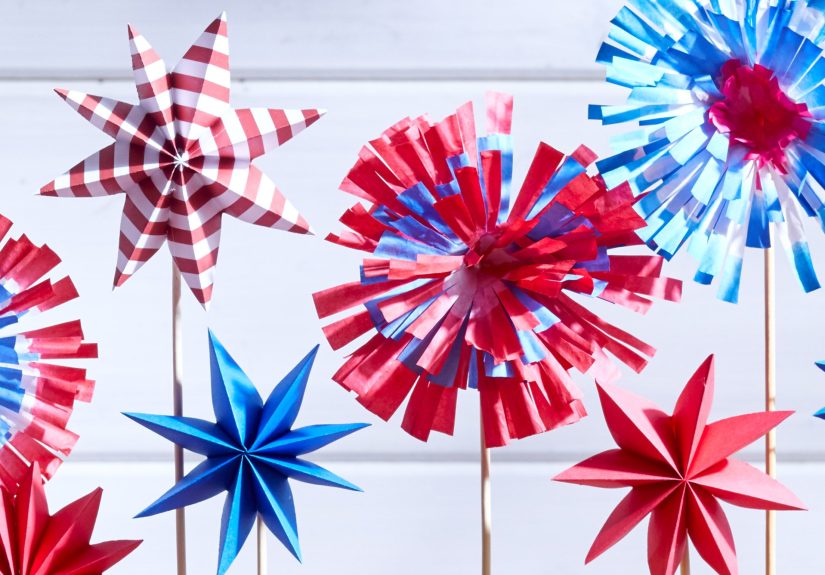
- Patriotic craft station for kids (streamers, paper pinwheels)
- Neighborhood “gratitude wall” (sticky notes: “I’m thankful for…”)great for both weekends
- Sunset picnic + musicno fireworks required
Community Etiquette: The Secret Ingredient
Both holidays are community-heavy. A few small choices can make your celebration kinder:
- Follow local rules for fireworks and noiseespecially near hospitals and neighborhoods with many pets.
- Be mindful with Memorial Day language if you’re hosting. A short note of remembrance sets a respectful tone.
- Clean up fully (parks, beaches, backyards). The only thing that should be left behind is a good memory.
For Small Businesses and Creators: Seasonal Messaging Done Right
If you create content, run promotions, or manage a brand calendar, these holidays are not “copy-paste interchangeable.” Here’s the easy guideline:
- Memorial Day: lead with remembrance, gratitude, and community support; keep visuals respectful; avoid overly celebratory language.
- Fourth of July: lean into celebration, summer fun, local events, and safe hosting tips; patriotic visuals fit naturally.
A smart strategy is combining both in a seasonal “summer kickoff” themewhile clearly separating the meaning of each day. People notice when you get it right.
Real-Life Experiences: The Moments That Stick (500+ Words)
Some holidays blur together over the yearssame menu, same folding chairs, same uncle claiming he “definitely could’ve gone pro.” But Memorial Day and the Fourth of July tend to leave different kinds of memories, even when the surface details look similar.
Memorial Day morning feels different. Maybe it’s the quiet, or the way the day starts before the cookout ever does. I’ve seen families stop by a cemetery early, when the grass is still damp and the air is cooler than it will be at noon. There’s something about the small ritualsstraightening a flag, brushing off a headstone, leaving flowersthat makes time slow down. Nobody’s trying to be impressive. Nobody’s rushing. The point is simply: you’re remembered.
And then there’s that oddly powerful pivot around midday. In many places, the flag goes from half-staff to full staff, and you can almost feel the symbolism: grief and honor in the morning, then the choice to keep living with purpose in the afternoon. Even if your Memorial Day becomes a backyard gathering later, it lands differently when you’ve taken a moment to remember why the day exists. A quick pause at 3:00 p.m.just sixty secondscan reset an entire weekend. It turns background patriotism into something personal.
The Fourth of July, on the other hand, is memory-making on purpose. It’s the holiday of “let’s do something.” You remember the year someone brought the world’s largest watermelon and it tasted like summer itself. You remember the way kids run around with glow sticks like tiny, joyful fireflies. You remember the fireworks that were amazingand the fireworks that were “amazing” in the way a dumpster fire is “memorable.”
Some of the best Fourth of July moments happen between the big events. The pre-fireworks hour when everyone’s a little sticky from popsicles and a little sun-tired. The group debate about the best spot to watch the show. The neighbor who suddenly becomes a weather expert because “cloud cover could ruin the finale.” The music drifting from someone’s porch. The way a crowd collectively goes quiet for half a second, right before the first boom, like even the most distracted people can feel something ceremonial is about to happen.
Then you go home smelling like sunscreen and smoke, with grass stains on your shoes and a phone full of blurry “firework photos” you’ll never postbut you keep them anyway because they’re proof you were there, together, on a night that felt bigger than your everyday life.
That’s the sweet spot for both holidays: not perfection, but meaning. Memorial Day asks for remembrance. The Fourth asks for celebration. And both, at their best, remind you that community isn’t just a wordit’s people sharing a day, a story, a meal, a moment of silence, or a burst of light in the sky.
Conclusion
Memorial Day and the Fourth of July may live close together on the calendar, but they don’t mean the same thing. Memorial Day is a day to honor those who died in service and to practice remembrance with intentionthrough a visit, a story, a flag tradition, or a moment of silence. The Fourth of July is a celebration of independence and community, where gatherings, parades, and fireworks turn history into a shared experience.
If you keep the meaning of each holiday front and center, you can celebrate both in ways that are joyful, respectful, and safe. And if you can manage that while keeping potato salad cold and eyebrows intact, you’re doing summer exactly right.