Table of Contents >> Show >> Hide
In today’s health-conscious world, you’ve likely heard of gluten, the buzzword in food and diet trends. From gluten-free foods filling supermarket aisles to a growing number of people adopting gluten-free diets, it’s clear that gluten has garnered significant attention. But what exactly is gluten? Is it harmful, or is it just a fad? This article explores what gluten is, how it affects the body, and whether a gluten-free diet is right for you, especially if you suspect gluten intolerance or sensitivity.
What is Gluten?
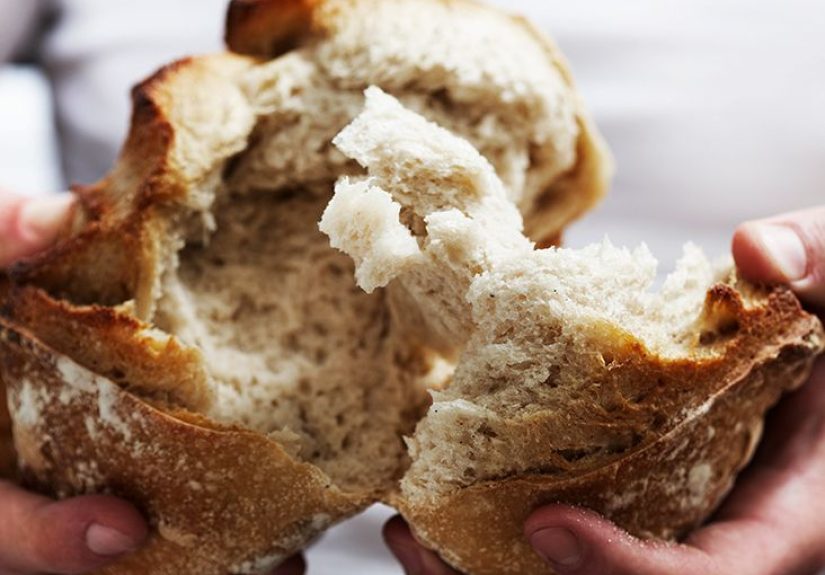
Gluten is a group of proteins found in wheat and other grains like barley, rye, and oats. These proteins give dough its elasticity and help it rise and maintain its shape. Gluten is what makes bread chewy and gives baked goods their texture. Essentially, gluten acts as a “glue” that helps hold food together, which is why it’s commonly found in pasta, pizza dough, and pastries.
Despite its widespread presence in food products, gluten is not inherently harmful. In fact, it’s a naturally occurring protein that’s perfectly safe for most people. However, for certain individuals, gluten can trigger adverse reactions ranging from mild discomfort to serious health issues.
Gluten-Free Diet: What Does it Mean?
A gluten-free diet, as the name suggests, involves avoiding foods that contain gluten. For people who have certain health conditions, such as celiac disease or non-celiac gluten sensitivity, following a gluten-free diet is crucial for maintaining good health.
Going gluten-free means steering clear of foods made with wheat, barley, rye, and sometimes oats (depending on contamination). This includes bread, pasta, cakes, cookies, and even sauces or dressings that may contain wheat flour as a thickener. It’s important to note that a gluten-free diet doesn’t just involve avoiding obvious sources of gluten, but also requires being vigilant about hidden gluten in processed foods.
Common Gluten-Free Foods
Fortunately, many naturally gluten-free foods exist, including:
- Fruits and vegetables
- Meat and fish (unprocessed)
- Rice, quinoa, and potatoes
- Legumes, nuts, and seeds
- Dairy (if tolerated)
These foods form the basis of a healthy, gluten-free diet, with many gluten-free alternatives available in stores, including gluten-free bread, pasta, and flour blends made from rice, almond, or coconut flour.
Gluten Intolerance: Symptoms and Diagnosis
Gluten intolerance, also known as non-celiac gluten sensitivity (NCGS), refers to a condition where individuals experience symptoms after consuming gluten, but they do not have celiac disease or a wheat allergy. Symptoms can range from digestive issues like bloating, gas, or diarrhea to headaches, fatigue, and joint pain. Unlike celiac disease, NCGS does not cause damage to the small intestine, but it can significantly affect quality of life.
The exact cause of gluten intolerance is not yet well understood, and there is no specific test to diagnose it. Instead, healthcare providers often rely on eliminating gluten from the diet to see if symptoms improve. This process, known as the “elimination diet,” involves removing gluten-containing foods and then reintroducing them to determine if symptoms reappear. It is important to work with a healthcare provider to ensure the elimination is done safely and effectively.
Symptoms of Gluten Intolerance
Some common symptoms of gluten intolerance include:
- Abdominal pain or bloating
- Fatigue or brain fog
- Headaches or migraines
- Joint pain
- Skin rashes or irritation
- Depression or anxiety
If you experience several of these symptoms after eating gluten-containing foods, it might be worth consulting with a healthcare provider to explore the possibility of gluten intolerance.
Celiac Disease vs. Gluten Sensitivity
While gluten intolerance is a more common condition, it’s important not to confuse it with celiac disease. Celiac disease is an autoimmune disorder where consuming gluten triggers an immune response that damages the lining of the small intestine, leading to malabsorption of nutrients. This can result in serious long-term health complications if left untreated.
Symptoms of celiac disease can include diarrhea, weight loss, anemia, and growth issues in children. If someone with celiac disease continues to eat gluten, it can lead to further damage to the small intestine, increasing the risk of developing other autoimmune disorders and even certain types of cancer.
Unlike gluten intolerance, celiac disease can be diagnosed through blood tests and a biopsy of the small intestine. If you suspect you have celiac disease, it is essential to get a diagnosis before making any changes to your diet, as removing gluten prematurely could interfere with test results.
Difference Between Celiac Disease and Gluten Sensitivity
- Celiac Disease: An autoimmune disorder that damages the small intestine, requires strict lifelong avoidance of gluten.
- Gluten Sensitivity: Symptoms triggered by gluten without immune system involvement or intestinal damage, symptoms typically improve on a gluten-free diet.
Living with Gluten Sensitivity or Celiac Disease
For individuals living with gluten sensitivity or celiac disease, maintaining a gluten-free diet is essential for managing symptoms and maintaining good health. It may seem challenging at first, but with careful planning and knowledge of food ingredients, it’s possible to enjoy a variety of delicious meals.
There are a growing number of gluten-free products available on the market today, and many restaurants now offer gluten-free options on their menus. However, it is important to remember that cross-contamination is always a risk, especially in restaurants or in households that also prepare gluten-containing foods. When following a gluten-free diet, it’s critical to read labels carefully and educate yourself about potential sources of gluten.
Tips for Following a Gluten-Free Lifestyle
- Always read ingredient labels for gluten-containing grains like wheat, barley, and rye.
- When dining out, ask the restaurant staff about their gluten-free options and how they prevent cross-contamination.
- Choose naturally gluten-free foods such as fruits, vegetables, meat, and gluten-free grains.
- Plan your meals ahead of time to avoid temptation and ensure your meals are balanced.
Conclusion
In conclusion, gluten is a protein found in several grains that gives food texture and structure. While most people can consume gluten without issues, some individuals experience intolerances or sensitivities that require a gluten-free diet for relief. Whether you have a sensitivity, celiac disease, or simply want to reduce your gluten intake, understanding how gluten affects the body and knowing how to navigate a gluten-free lifestyle can help you make informed decisions about your health.
Ultimately, a gluten-free diet may be beneficial for certain individuals but isn’t necessary for everyone. If you suspect gluten intolerance, consult with a healthcare professional before making drastic changes to your diet. By doing so, you can ensure your dietary choices are best suited to your health needs.
Experience with Gluten-Free Living
Living gluten-free can feel overwhelming at first, especially if you’re accustomed to eating a variety of breads, pastas, and baked goods. However, many people report feeling more energetic and less bloated once they’ve made the transition. For those with celiac disease, going gluten-free is a must, but even people without the condition can benefit from cutting back on gluten. It’s all about finding what works best for your body and lifestyle.
Some people who have transitioned to a gluten-free diet have shared that they were surprised by how many delicious gluten-free alternatives are available, and how easy it becomes once they get into the swing of things. With the right knowledge and a little creativity, you can still enjoy your favorite foodswithout gluten.
In the end, it’s about being mindful of your body and its reactions to gluten. Whether you’re managing a health condition or exploring a gluten-free lifestyle for the first time, the key is to make informed choices and always prioritize your well-being.